
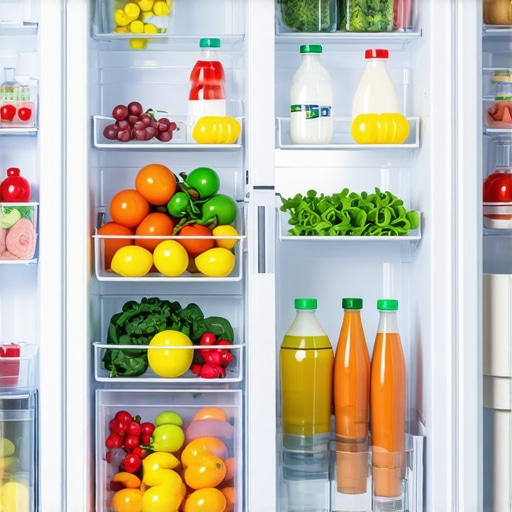
Ever stood in front of your fridge, appalled at the mountain of forgotten vegetables, expired dairy, or moldy leftovers? I can’t count how many times I’ve opened the door, only to be greeted by a sour smell or a messy maze of containers, feeling that familiar wave of guilt as I realize how much food has gone to waste. That lightbulb moment hit me hard—if only I had a better system to keep things organized, I could save money and contribute less to food waste.
Why Organizing Your Fridge Matters More Than Ever
Food waste isn’t just about don’t-do-it guilt anymore; it impacts our wallets, the environment, and our health. According to the Food and Agriculture Organization of the United Nations, roughly one-third of all food produced globally is lost or wasted, amounting to about 1.3 billion tons each year. A significant chunk of this waste happens right in our homes, mainly because we forget what’s hiding in the back corners of our fridges.
When I started paying attention, I realized that poor organization was the culprit behind many of my food disposal dilemmas. But here’s the kicker—efficient fridge organization can drastically cut down on waste, save you money, and even make meal prep less stressful. Today, I’ll share tried-and-true tips that have transformed my kitchen into a waste-free zone—and they can do the same for yours.
Are You Falling for the Fridge Organization Skeptic’s Worst Nightmare?
Believe me, I used to think that tossing everything into a giant bin or just stacking items randomly was enough. But I made a grave mistake—I ended up losing track of what needed to be eaten first, which led to spoilage and embarrassing waste. This is a common misstep early on in most fridge organization efforts. Just like with smart appliances, a little planning and some simple tricks can go a long way. Want to learn more about the latest innovations that help keep food fresh longer? Check out refrigerator features coming in 2025 for insights on how intelligent tech can support your efforts.
Now that I’ve shared my motivations and highlighted the importance of smart organization, let’s dig into practical steps you can start implementing today to keep your fridge tidy, efficient, and waste-free. Ready? Let’s go!
First, Clear Your Fridge Completely and Sort Items
Start by removing all items from your fridge, just like a mechanic emptying an engine to see every component. Place perishable items on your kitchen counter to inspect for freshness. This process helps you visually assess what you truly need to keep and identify expired or spoiled products. As I did this one Saturday, I found an untouched jar of mustard hiding behind a leftover container—an example of how clutter can hide what matters. Proper sorting prevents food from getting lost and forgotten, making your subsequent organization more effective.
Categorize Items for Better Access
Divide everything into groups: dairy, vegetables, leftovers, condiments, and beverages. Use clear containers or bins to keep similar items together. Think of your fridge as a well-organized library—each shelf has a purpose. I labeled my bins with waterproof tape, helping my family grab what they need without shuffling through every shelf. This card catalog approach minimizes opening and closing times, which also conserves energy.
Implement a Zone System Based on Usage and Shelf Life
Designate specific zones within your fridge for different food types. For example, place dairy on the middle shelf, vegetables in the crisper drawer, and leftovers on the top shelf. This arrangement is akin to organizing a workshop by tool type—everything in its place. When I started doing this, I remembered to eat the older leftovers first, reducing waste significantly. Remember, the crisper drawer is like a tailored climate chamber, optimized for produce, so keep fruits and vegetables separated for freshness.
Arrange Items According to Priority and Expiry Dates
Position items with shorter shelf life at the front of their zones, making it hard to ignore the ticking clock. Use sticky notes or labels with purchase or expiration dates to track freshness. It’s similar to a conveyor belt system where the oldest items move to the front, ensuring they’re used timely. I placed a reminder sticker on my milk jug—a personal tip that helped me use it before it turned sour. This proactive approach prevents accidental spoilage and saves money over time.
Optimize Storage for Efficiency and Freshness
Adjust shelves to fit your typical items—think of your fridge as a customizable closet. Installing a pull-out shelf can make accessing hidden items easier, like sliding out a drawer in a toolbox. Also, avoid overloading, which obstructs airflow and accelerates spoilage. When my fridge became a little more spacious inside, I noticed an immediate drop in food waste. Additionally, keep your fridge door seals clean and tight to maintain optimal temperature—like a well-fitted lid on a storage jar prevents air leaks and keeps contents fresh.
Regular Maintenance and Reassessment
Set a weekly reminder to tidy up and reevaluate the organization system. Think of this as a routine check-up—once a week, you prevent a meltdown. During these sessions, discard expired items, wipe down shelves, and rearrange as needed. I found that a consistent schedule kept my fridge orderly and my food fresh, reducing waste and saving money. Plus, it’s easier to spot clutter before it becomes overwhelming, just like doing a quick spring cleaning.
Leverage Smart Technology for Continued Success
Consider integrating smart appliances that monitor food freshness or suggest inventory management. Modern refrigerators now come equipped with sensors that track expiration dates or even suggest recipes based on available ingredients. This tech is like having a personal food coach—constantly guiding you to use what you have before it spoils. As I researched, I found models with AI features that can alert me when items are nearing expiry, reducing waste dramatically. To explore such innovations, check out refrigerator features coming in 2025.
Many homeowners assume that choosing a popular brand guarantees optimal performance, but the truth is, there are nuanced pitfalls even seasoned users often miss. For instance, a common myth is that all washing machines are equally water-efficient. In reality, models with advanced sensors and smart features—like those highlighted in expert-recommended water-saving washers—can drastically reduce utility bills when properly configured. Falling for the assumption that newer is always better can lead to overlooking critical compatibility issues that diminish performance over time.
Why Smart Appliances Might Be Smarter Than You Think (and Not in a Good Way)
Smart home devices, including refrigerators and dishwashers, are often touted as revolutionary—yet, many users underestimate the complexity behind these tech marvels. A major oversight is assuming that these appliances will seamlessly integrate into existing home networks without hiccups. The reality, as discussed in ultimate guide to smart home appliances, is that incompatibility issues, firmware bugs, or Wi-Fi disruptions can cause devices to malfunction, sometimes leading to costly repairs or replacements. This hidden nuance demands that consumers pay close attention to compatibility specifications and firmware updates, especially for critical devices like smart refrigerators that track food inventory and optimize energy use.
Another trap is neglecting the importance of routine maintenance—most users only clean or replace filters when problems become obvious, which can cause efficiency to plummet. For example, neglecting to clean refrigerator coils can increase energy consumption significantly, according to studies by the Energy Department. Over time, this oversight results in higher utility bills and premature appliance failure. Therefore, understanding the intricacies of appliance maintenance and operation can extend the lifespan and enhance the efficiency of your investments.
What Advanced Users Should Know About Appliance Calibration and Settings
Beyond basic operation, fine-tuning settings—like cycle duration on dishwashers or temperature adjustments on refrigerators—can substantially impact performance. Many users stick with default factory settings, unaware that customizing these parameters can optimize energy savings and cleaning results. For example, selecting eco-friendly wash cycles on smart washing machines can reduce water and electricity use by up to 30%. However, improper calibration, such as setting the refrigerator temperature too low, not only wastes energy but can also spoil food faster. Mastering these nuances requires a deeper understanding of each appliance’s features, which is crucial for maximizing their benefits.
In essence, the most overlooked aspect of home appliances isn’t their initial purchase but their ongoing management. Recognizing these hidden pitfalls and nuances can save you money, improve efficiency, and prolong your appliances’ lifespans. Make sure to stay informed about technological innovations and maintenance best practices—your wallet and the environment will thank you. Have you ever fallen into this trap? Let me know in the comments.
Maintaining your home appliances requires more than just occasional cleaning; it involves deploying the right tools and adopting effective methods that extend their lifespan and optimize performance. I rely heavily on specialized diagnostic and maintenance equipment, coupled with smart software solutions, to stay ahead of potential issues. For example, investing in a high-quality digital multimeter allows me to quickly assess electrical connections in my washing machine or refrigerator, helping identify faulty components before they cause more significant damage. Additionally, a silicone-based coil cleaner—like the one recommended by appliance experts—makes cleaning refrigerator coils safer and more effective, ensuring optimal cooling efficiency without the need for professional help.
How do I maintain my appliances over time?
Regular scheduling of maintenance tasks is crucial. I set monthly reminders to inspect filters, clean condenser coils, and update firmware on my smart appliances. Using dedicated apps provided by manufacturers simplifies this process; for instance, the app linked to my smart washer alerts me when it’s time for a deep clean or filter replacement, reducing the risk of breakdowns. Moreover, calibrating appliances, such as adjusting refrigerator temperature settings based on seasonal needs, helps prevent unnecessary wear and tear. To predict future trends, I believe integration of AI-driven diagnostics will become standard, providing real-time predictive maintenance suggestions that catch issues even earlier, as highlighted in future trends report.
Maximize your appliance lifespan with the right tools
Start by equipping your laundry room with a quality drain pump testing kit—it’s invaluable for diagnosing slow-draining washing machines, a common issue that can often be fixed with simple repairs instead of costly replacements. Pair this with a smart appliance maintenance app, like the ones offered by leading brands, which tracks usage patterns and recommends proactive interventions. Remember, investing in a digital moisture meter can prevent mold buildup in refrigerators, saving you energy costs and avoiding health hazards. These tools, combined with periodic professional check-ups, create a comprehensive maintenance routine that empowers you to keep appliances in top shape. Don’t just wait for failures—predict them and act early. Why not try calibrating your refrigerator’s temperature settings today using the manufacturer’s app; it’s a straightforward step that can significantly improve efficiency and longevity. Happy maintenance! Keep your appliances humming—prolonging their lifespan and saving money in the long run is within your reach.
Secrets Only Insiders Know About Appliance Lifespan and Performance
Throughout my journey of optimizing my home appliances, I discovered that many of the biggest mistakes are hidden beneath the surface—things most users overlook. One lightbulb moment was realizing that calibration isn’t a one-and-done task; it’s a continuous act that, when neglected, saps performance and shortens lifespan. Additionally, I learned that smart appliances do more than just connect—they thrive on regular firmware updates and precise settings adjustments, much like fine-tuning a musical instrument. Most importantly, I found that small, proactive steps in maintenance—like cleaning condenser coils or checking door seals—can prevent costly repairs down the line and keep appliances humming smoothly for years. These lessons transformed my approach and can do the same for your home. Protect your investment and enjoy optimal performance by embracing a mindset of continuous care, informed by inside knowledge that most users miss out on. Real change happens when you go beyond basic use and learn the secrets of smart maintenance—making your home appliances truly work for you, not against you.
Tools and Resources That Changed My Home Care Game
I’ve come to rely on several trusted resources that make appliance maintenance and selection smarter and easier. First, the Ultimate Guide to Smart Home Appliances is my go-to for understanding how to leverage new tech effectively and safely in my kitchen. Second, I trust expert-reviewed appliances like those featured in Top Refrigerator Features for 2025; they help me choose wisely. For preventive maintenance, I use tools like a digital multimeter from trusted brands I found through industry expert tips. Lastly, the apps offered by leading smart appliance manufacturers enable me to schedule routine checks and firmware updates seamlessly. These resources have not only saved me money but also extended my appliances’ lifespan, reassuring me that I’m making the right investments.
Take Charge of Your Appliance Future Today
Remember, the path to a smarter, more efficient home starts with small, deliberate actions. Whether it’s calibrating your refrigerator’s temperature, setting regular maintenance reminders, or exploring innovative features like AI-based food tracking, every step counts. Your home appliances are more than just tools—they’re partners in creating a comfortable, sustainable living space. By applying the inside knowledge shared here, you empower yourself to get the most out of your investments, reduce waste, and enjoy hassle-free operation for years to come. Now is the perfect moment to start or refine your appliance care routine—think of it as an act of self-investment that pays dividends in savings and peace of mind. The future of home appliance efficiency is in your hands—seize it! Are you ready to take the next step toward smarter appliance management? Share your thoughts below and let’s discuss your plans to upgrade your home tech.