
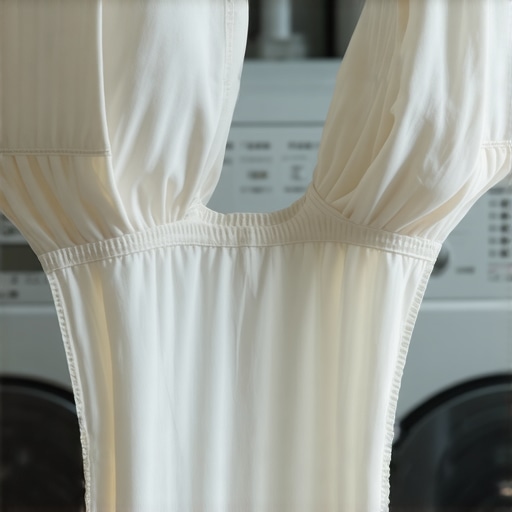
It was a morning just like any other when I reached into the laundry basket and pulled out my favorite delicate blouse, only to find tiny, mysterious holes lining its soft fabric. My heart sank. I couldn’t believe something I treasured was gradually being destroyed, piece by tiny piece, and I had no clue why. That lightbulb moment hit me hard—my washing machine, the household hero I trusted daily, was secretly ripping apart my delicate clothes.
Why Your Washing Machine Might Be Sabotaging Your Favorite Delicates
Have you ever experienced the same frustration? Bit by bit, those cherished silk camisoles and lace lingerie can end up with tiny tears, all thanks to simple laundry accidents. The good news is, understanding the cause is half the battle won. Today, I promise to share insights from my own missteps and discover the real reasons behind these pesky holes, so you can protect your wardrobe and keep your favorites alive longer.
Is Your Washer Actually Damaging Your Clothes or Is It Overthinking?
Early on, I made the mistake of blaming just the delicate fabrics, but it turns out that the washer’s design and settings play a huge role. For instance, using a high spin speed on fragile items or overloading the machine can cause fabric stress and tears. Did you know that improper loading alone can cause damage? According to appliance experts, overstuffed drums lead to more friction, which can easily nick or tear fabric—especially delicate materials. To avoid this, I started paying closer attention to load size and cycle selection, which made a significant difference.
If this sounds familiar or if you’ve noticed similar issues, don’t worry. We’re going to unpack the common mistakes and show you how even small adjustments can prevent tiny holes and prolong the life of your beloved delicates. Ready to take control of your laundry routine? Let’s dive into the steps to keep your clothes safe and sound, while still enjoying the convenience of modern appliances.
Adjust Load Size for Gentle Washing
Always load your washing machine with balanced, not overcrowded, items. Think of it like packing a backpack carefully—too much weight causes strain. I once overloaded my machine during a busy week, resulting in a tiny tear on a silk blouse. To avoid this, I started filling it only halfway and using smaller loads for delicates, which significantly reduced fabric stress.
Use the Correct Cycle Settings
Select a gentle or delicate cycle when washing fragile fabrics. These cycles operate at lower speeds and with softer agitation, mimicking hand-washing. I once accidentally used a standard cycle for lace lingerie, which tore the edges. Now, I always double-check cycle options and prefer specific settings tailored for delicate materials, protecting my clothes from unnecessary damage.
Handle Delicates with Care During Loading
Place delicate items in mesh laundry bags to prevent them from snagging or rubbing against zippers and rough fabrics. During one laundry day, I wrapped a lace camisole in a mesh bag, and it emerged without a single tiny hole—comparison to previous cycles was eye-opening. This simple step acts like a shield, reducing friction during washing.
Inspect Your Washer Drum and Properly Level the Machine
Uneven or damaged drums can cause fabric abrasion. I noticed a slight wobble on my machine, so I leveled it using a spirit level and tightened the base. This eliminated excessive vibration, translating to gentler treatment of my clothes. Regular inspection for rust or rough spots can prevent fabric snags caused by internal wear.
Maintain and Upgrade Your Equipment
Old or malfunctioning washing machines can damage clothes inadvertently. For example, a worn drum bearing caused a tiny hole in a cashmere sweater. Upgrading to a modern, smart washing machine that monitors cycle health can help prevent such accidents. These machines often feature sensors that adjust wash action to protect delicate fabrics. Check out [how smart washing machines can simplify laundry day](https://smartappliancereview.com/how-smart-washing-machines-can-simplify-laundry-day) for more insights.
Regular Cleaning and Maintenance
Clean the rubber gasket and drum regularly to remove lint, detergent residue, and minor debris that can snag fabrics. I use a solution of vinegar and baking soda monthly, which keeps the interior smooth and safe for delicate clothes. A clean machine is less likely to cause tiny fabric pulls that lead to holes.
Final Tip: Consider Professional Repairs
If your washing machine continues to cause damage despite these steps, it may require professional servicing or replacement. An upgraded model with advanced features, like [innovative dishwashers with AI technology](https://smartappliancereview.com/innovative-dishwashers-with-ai-technology-you-must-know), also exists for laundry, offering better protection for your delicate garments and improved efficiency.
Many homeowners assume that smart appliances and high-tech home devices are foolproof solutions designed to make life easier. However, a closer look reveals that common beliefs about these gadgets often miss subtle but critical nuances. For instance, it’s widely believed that setting a fridge to ‘eco-mode’ saves energy without consequences, but in reality, this feature can hinder the appliance from maintaining optimal temperatures, leading to spoilage and increased energy consumption over time. Experts from the [smart appliance industry](https://smartappliancereview.com/ultimate-guide-to-smart-home-appliances-for-a-modern-living) warn that such modes are not one-size-fits-all and require careful consideration based on personal usage patterns. Additionally, many people think that newer, more expensive washers are always better for delicates, but advanced models with sensors might actually be too aggressive in spin cycles, causing wear and tear instead of protection. A common mistake is over-relying on programmed settings without understanding their intricacies, which can lead to costly damage or inefficiency. Did you know that some smart dishwashers with AI technology adapt cycle duration based on load detection, but if loaded improperly, they might overshoot cleaning times and waste energy? This highlights the importance of understanding the hidden mechanics behind these features, rather than trusting them blindly. When it comes to refrigerators, many overlook the significance of proper airflow and interior organization, which can dramatically influence performance and food longevity. For example, arranging items to allow air circulation prevents uneven cooling and condensation issues—an advanced feature that many miss. These nuances are often the difference between an appliance that simply works and one that performs optimally for years to come. To ensure you’re maximizing your investments, it’s crucial to go beyond the social media hype and understand the detailed workings and potential pitfalls of your devices. For actionable insights, check out expert tips on [choosing the right refrigerator](https://smartappliancereview.com/choosing-the-right-refrigerator-tips-from-industry-experts) or explore the [future trends in smart home appliances](https://smartappliancereview.com/future-of-home-appliances-trends-to-watch-in-2025) to stay ahead. Remember, the devil is in the details—failing to recognize these subtle factors can lead to unnecessary expenses, wasted energy, and reduced appliance lifespan. Have you ever fallen into this trap? Let me know in the comments.
Keeping your smart appliances and traditional home equipment in optimal condition requires more than just occasional cleaning. Investing in the right tools and adopting systematic maintenance routines can significantly extend their lifespan and ensure peak performance. One essential tool I personally rely on is a high-quality digital multimeter, which allows me to test electrical connections and troubleshoot issues without guesswork. I use models like the Fluke 117, praised for its precision and durability, to diagnose electrical faults in appliances such as refrigerators and washing machines, preventing minor issues from escalating into costly repairs.
Why a Backup Power Source Matters
Unplanned power outages can interrupt routines and potentially harm your appliances. I recommend installing an Uninterruptible Power Supply (UPS) with surge protection for your smart home hub and critical appliances. This not only prevents data loss in smart appliances but also shields sensitive electronics from voltage spikes. I personally use a APC Back-UPS Pro, which offers reliable backup and allows me to safely shut down devices during outages, safeguarding internal components.
Regular Firmware Updates and Calibration
Many people overlook the importance of keeping their smart appliances up to date. Regular firmware updates, often available via manufacturer apps, fix bugs and improve functionalities. For example, I schedule monthly updates for my smart refrigerator, which includes calibration of temperature sensors to ensure proper cooling and energy efficiency. Additionally, investing in calibration tools—such as infrared thermometers—helps verify that sensors are accurate, preventing issues like uneven cooling or energy waste. Seeking expert guidance on calibration ensures you don’t miss subtle discrepancies that could impact performance.
Why Periodic Deep Cleaning Is Crucial
Beyond regular wiping, deep cleaning critical components like filters, coils, and gaskets can cut energy use and improve appliance longevity. For refrigerators, I use a coil cleaning brush to remove dust and debris from the condenser coils, which boosts efficiency and prevents overheating. Similarly, for dishwashers, regular cleaning of the filter and spray arms avoids clogs and maintains optimal water flow. Incorporating specialized cleaning agents designed for specific appliances ensures thorough maintenance without damaging sensitive parts.
Leveraging Smart Diagnostics for Preventive Care
Modern smart appliances come equipped with diagnostic features that can detect potential issues early. I recommend regularly monitoring these alerts via the device’s mobile app, which often provides specific troubleshooting steps. For instance, my smart washing machine alerts me to imbalance issues before they cause damage, giving me the chance to redistribute loads proactively. To maximize these features, set up custom alerts and notifications, so maintenance becomes a proactive rather than reactive process.
Where Do You Start with Appliance Maintenance?
Embracing the use of advanced diagnostic tools and systematic routines can revolutionize how you care for your home appliances. Maintaining them properly reduces long-term costs, conserves energy, and ensures dependable performance. I suggest trying out a professional-grade multimeter for electrical troubleshooting and scheduling monthly filter cleanings—simple steps that yield big benefits. Looking ahead, emerging trends point toward AI-driven predictive maintenance, which will further simplify home appliance care. For insights into how this technology is shaping the future, check out the latest in AI-powered dishwasher innovation. Don’t wait for breakdowns—start leveraging these tools today to keep your appliances running smoothly for years to come.
What I Wish I Knew Before Ruining My Favorite Clothes
One of the toughest lessons I learned was that even the best appliances can cause unintended damage if not used carefully. For example, I used to think that simply choosing the delicate cycle was enough, but the real breakthrough was understanding how load size, cycle selection, and maintenance play crucial roles in protecting your clothes and extending your appliance’s lifespan.
Protect Your Wardrobe and Save Money with These Insider Tips
Investing in quality tools like a digital multimeter for troubleshooting and staying vigilant with routine maintenance can prevent costly repairs and replacements. Regularly checking your appliance’s internal components and keeping firmware updated ensures everything runs smoothly, and your clothes stay pristine.
Your Next Steps Toward Laundry Excellence
Now is the perfect time to take control. Implement small changes, stay informed about the latest smart appliance innovations, and leverage expert resources to maximize your appliance’s lifespan. Remember, a thoughtful approach to laundry can be both empowering and rewarding—making every wash a step toward a more efficient and delicate-friendly home environment.