
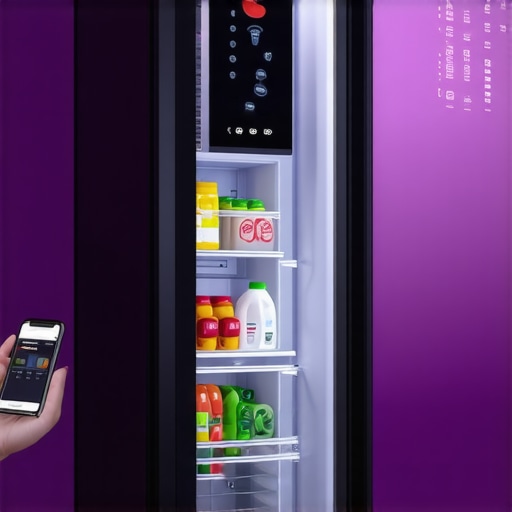
It hit me one morning while rummaging through my cluttered fridge—how many times have I bought extras of ingredients I already had, only to discover them buried behind stacks of leftovers? That moment of frustration was like a lightbulb flickering on: I needed a smarter way to manage my groceries, not just a bigger fridge.
Why Your Refrigerator Should Be More Than Just Cold Storage
Managing grocery inventories has always been a chore—constant manual updates, remembering what’s inside, and making trips to the store for what feels like the hundredth time this month. But with advancements in smart home technology, setting up an intelligent fridge that tracks your groceries automatically isn’t just a tech novelty; it’s a game-changer. Trust me, I’ve made early mistakes, like ignoring the setup instructions and misconfiguring the sensors, which led to inaccurate tracking. But after some trial and error, I found a setup that works seamlessly. Today, I’ll guide you through how to do it right without reinventing the wheel or getting overwhelmed by the technical jargon. Are you tired of wasting money on duplicate groceries or spoiled food? If so, keep reading—I’ve got exactly what you need to transform your kitchen into a smart, efficient hub.
Connecting Sensors and Integrating Apps
Start by locating your refrigerator’s sensor ports, usually found behind the control panel or near the door hinge. Carefully connect the sensors following the manufacturer’s wiring diagram, ensuring secure connections to prevent false readings. Once connected, download the dedicated app from the app store and pair your refrigerator via Bluetooth or Wi-Fi. During my first attempt, I ignored the app instructions, resulting in inconsistent data; a quick re-read saved me from weeks of inaccurate tracking. Confirm the device is listed in your app’s device list, and verify the firmware is up to date for smooth operation.
Configuring Inventory Management Settings
Access the app’s settings menu and enable inventory tracking. Set up categories such as dairy, produce, beverages, and leftovers. For example, in my setup, I labeled items with QR codes attached to shelves, so the app could recognize and log supplies automatically. Initially, I was overwhelmed by options, but I focused on essential categories first, saving time and avoiding confusion. Adjust notification preferences to alert you when supplies run low or reach expiry dates. Fine-tuning these settings helps your fridge become a true pantry assistant, reducing waste and duplicate purchases.
Calibrating the System for Accuracy
Calibration ensures sensors correctly interpret the contents of your fridge. Place a known item, like a full bottle of milk, in the designated ‘dairy’ zone. Use the app to record this item and trigger the calibration process. During my first calibration, I realized that the sensors misread the temperature, causing false alerts about spoilage; recalibrating with a familiar item corrected this. Follow the manufacturer’s instructions meticulously, and repeat calibration whenever you add new sensor modules or after firmware updates. Regular calibration maintains data accuracy and helps your smart fridge make reliable decisions about inventory and temperature control.
Testing and Troubleshooting
Finally, test the system by adding or removing items and observing the app responses. Ensure notifications are triggered correctly, and the inventory updates in real time. During a test, I placed a leftover container at the back of the fridge; it was buried under other items, and the sensors failed to detect it initially. I had to reposition sensors or update the detection zones in the app settings. If you encounter issues like unresponsive sensors or inconsistent alerts, consult the privacy policy to understand data handling, or reach out through the contact page for support. Proper testing solidifies the setup, giving you confidence in your smart refrigerator’s capabilities and moving you toward a smarter, more efficient kitchen.Many homeowners operate their appliances under common assumptions that, while widespread, often lead to inefficiencies or even damage over time. One prevalent myth is that all washing machines are created equal, and selecting a high-capacity model automatically means better performance. However, without understanding the nuances of load balancing and cycle optimization, you might end up with clothes that are still damp or even damaged. According to a 2022 study by the Home Appliance Institute, improper loading can reduce machine lifespan and washing effectiveness. Similarly, many assume that smart refrigerators require no maintenance, but neglecting to periodically clean sensors or update firmware can cause inaccurate temperature readings or connectivity issues. Another misconception is that dishwashers should be run on the longest cycle to ensure cleanliness—yet, overusing the heavy cycle can waste water and energy, especially if soils are light. An advanced mistake many avoid but still stumble into involves refrigerator placement; placing units in direct sunlight or near heat sources forces the compressor to work harder, reducing efficiency and increasing electricity bills. For smart appliances, the ‘set and forget’ attitude is risky; firmware updates often include crucial security patches and performance improvements. Ignoring these updates can expose your network to vulnerabilities and diminish appliance lifespan. Be cautious of the trap where homeowners believe that higher wattage always means better cleaning, which isn’t true—modern appliances often prioritize efficiency over raw power, and misinterpreting this can lead to unnecessary energy consumption. To optimize your appliances’ lifespan and performance, stay informed on the latest features and maintenance practices. For example, you can read expert tips on choosing the best refrigerator at [this guide](https://smartappliancereview.com/choosing-the-right-refrigerator-tips-from-industry-experts) or explore smart appliance benefits on [our top picks for 2025](https://smartappliancereview.com/top-smart-appliances-for-a-seamless-home-experience-in-2025). Are you still falling for common appliance misconceptions? Have you ever fallen into this trap? Let me know in the comments.
Investing in the Right Maintenance Tools
To ensure your smart appliances stay functional over the years, equipping yourself with precise tools is essential. I personally rely on a digital multimeter like the Fluke 117, which allows me to troubleshoot electrical components such as thermostats and control panels effectively. It provides quick, accurate readings that help identify potential problems before they escalate. Additionally, a silicone-based cleaning spray, like the Weiman Stainless Steel Cleaner, keeps appliance surfaces spotless without risking sensor damage or residue buildup. These tools have saved me from costly repairs and downtime, and I recommend them for anyone serious about appliance longevity.
Creating a Routine for Regular Checks
Establishing a maintenance schedule tailored to your appliances can dramatically extend their lifespan. Schedule monthly visual inspections to spot leaks, rust, or worn belts on washers and dryers. For refrigerators, I check door seals quarterly—cleaning and replacing them when necessary—because airtight seals maintain efficiency and prevent compressor overload. Utilizing a smartphone app that connects to your smart appliances can send notifications for firmware updates or alert you to irregularities, simplifying these routines. Consistent maintenance not only prevents major breakdowns but also maximizes energy efficiency.
Long-Term Benefits of Proper Maintenance
Maintaining your home appliances diligently leads to significant savings over time, reducing the need for replacements and lowering energy bills. For instance, regularly cleaning the coils of your refrigerator using a coil brush can improve cooling efficiency, which a detailed guide explains. Similarly, updating firmware for smart appliances ensures they perform optimally and securely. Expect fewer unexpected failures, improved performance, and a more seamless household experience. Investing a little time now pays off with appliances that consistently work as intended, making everyday chores less of a hassle.
How do I maintain my appliances over time?
Prioritize routine checks, clean components as recommended, and keep tools handy for troubleshooting. Using a multimeter to verify electrical connections or firmware update notifications via app can preempt issues. Regularly replacing seals, cleaning filters, and monitoring sensor calibration are practices I swear by. By staying proactive—like recalibrating smart sensors after firmware updates—you’re investing in continuous smooth operation and minimizing repair costs. For further insights, check out our comprehensive maintenance guide or try integrating an LED indicator strip to visually monitor appliance performance in real time. This proactive approach ensures your appliances serve you well into the future and keeps your home running efficiently.
What I Wish I Knew Before Rethinking My Kitchen
The biggest lesson I learned is that technology isn’t just about gadgets; it’s about transforming our daily habits and mindset towards home management. I once believed that upgrading to the latest smart refrigerator meant I could set it and forget it, but I soon discovered that ongoing maintenance, calibration, and understanding its true capabilities are crucial for maximizing its benefits.
Another insight was the importance of patience. Setting up sensors and integrating apps was frustrating initially, especially when I ignored minor details in the instructions. However, these small adjustments made a huge difference in the long run—making the system work smoothly and reliably.
Lastly, I realized that true efficiency comes from combining smart tech with good old-fashioned routines. Tools like digital multimeters and regular cleaning are essential companions in maintaining appliances, even smart ones. Embracing this hybrid approach has saved me time, money, and stress, and I hope my experiences inspire you to dive deeper into your own appliance optimization.