
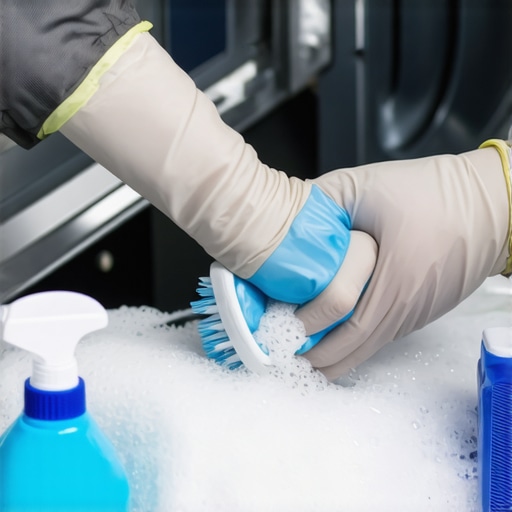
Have you ever opened your washing machine after a cycle only to be greeted by a musty smell or a hideous blob of mold lurking around the gasket? I sure have. One day, I caught a glimpse of that black, slimy buildup and it was like discovering a hidden petri dish right in my laundry room. It was an eye-opener that I had been neglecting a crucial part of my appliance. That moment prompted me to dive into the how-to and I realized many folks overlook how essential it is to keep that rubber gasket squeaky clean.
Why Cleaning Your Washing Machine Gasket Should Be a Top Priority
The gasket, the rubber seal around your washing machine door, is more than just a barrier to keep water inside. It’s a perfect haven for moisture, detergent residue, lint, and even tiny bits of clothing to gather, resulting in mold, bacteria, and unpleasant odors. If left unchecked, this gunk not only makes your laundry smell bad but can also damage your machine over time. Keeping it tidy isn’t just about hygiene; it’s about prolonging your washer’s lifespan and ensuring every load comes out fresh.
Is Gunk Removal Really Worth the Hassle
Honestly, my early mistake was thinking a quick wipe now and then was enough. Spoiler: It isn’t. I learned that ignoring this buildup can lead to more serious problems, including mold spores that could impact your health. Regular cleaning routines, although seemingly tedious, are simple once you know the tricks. Plus, studies suggest that mold exposure can exacerbate allergies and respiratory issues—something none of us want, especially in our homes. For more insights on maintaining appliances, check out [choosing the right refrigerator tips from industry experts](https://smartappliancereview.com/choosing-the-right-refrigerator-tips-from-industry-experts). Now, I’ll walk you through exactly how to keep that gasket spotless without breaking a sweat.
Remove Loose Debris and Gunk Regularly
Start by wiping away visible dirt, lint, and detergent residue with a damp cloth after each wash. This prevents buildup from becoming ingrained. I recall a time I neglected this step, resulting in stubborn mold patches that were tough to clean later. Making it a habit, I now do this daily, and my gasket stays fresh.
Apply a Baking Soda and Vinegar Solution
Mix equal parts baking soda and white vinegar to create a natural cleaning paste. Using a旧 toothbrush, scrub this mixture into the rubber folds of the gasket, paying attention to hidden creases. This breaks down soap scum and mold spores efficiently. Once, I applied this method, and the mold disappeared entirely, restoring a clean, odor-free gasket.
Deep Clean with Commercial Mold Inhibitors
For a more thorough job, use a commercial gasket cleaner or mold inhibitor. Follow the product instructions carefully. I once used a mold removal spray recommended by appliance experts, and it eliminated persistent mildew without harsh chemicals, leaving my washer smelling fresh.
Disinfect and Dry the Gasket
After cleaning, disinfect the gasket with a solution of diluted bleach or disinfectant wipes. Wipe down thoroughly, ensuring all soap and mold residues are gone. Then, dry the gasket completely with a clean towel. This prevents moisture from remaining and discourages future mold growth.
Maintain the Gasket Regularly
Establish a weekly routine: wipe, scrub, disinfect, and dry. Consistency prevents mold from establishing itself and keeps smells at bay. Once I committed to this routine, mold issues became a thing of the past, and I avoided expensive repairs.
Keep the Door Ajar When Not in Use
Leaving the washer door slightly open after cycles enhances airflow and moisture evaporation. This simple tip drastically reduces mold and mildew development. I’ve found this tip from appliances insiders, and it significantly improves my washer’s lifespan.
Utilize Smart Features for Maintenance
Many modern washing machines have maintenance alerts or self-clean cycles. Enable these features regularly to keep the gasket and drum in top shape. Exploring smart appliance reviews, like the latest top smart appliances for 2025, can provide insights into models with advanced cleaning features.
Many homeowners believe they understand how their appliances work, but in reality, some widespread myths can lead to inefficient use and even damage. For example, a common misconception is that running the refrigerator empty saves energy; in fact, this can cause the compressor to cycle more frequently, increasing wear. Learning the nuances of appliance energy consumption, like understanding the role of proper ventilation and optimal temperature settings, can make a significant difference, as highlighted by appliance experts in their recent studies. Moreover, many people assume that frequent use of high-temperature cycles in dishwashers always improves cleaning, but overuse can damage delicate components and waste energy. To truly optimize your appliances, it’s essential to go beyond surface-level knowledge and recognize these subtle yet impactful truths. Have you ever fallen into this trap? Let me know in the comments.
What Are the Hidden Costs of Ignoring Advanced Maintenance Tips?
Failing to follow expert-recommended maintenance routines can lead to costly repairs or replacements down the line. For instance, neglecting to regularly clean the condenser coils of your refrigerator can cause it to work harder, consuming more energy and shortening its lifespan. Similarly, not configuring your smart dishwasher’s energy-saving modes correctly may result in water and electricity waste. Studies suggest that proactive maintenance and proper settings adjustments can extend appliance life by years, representing substantial savings. Understanding these advanced nuances helps you avoid common pitfalls and maximize value from your appliances. For more tips, explore [the future trends in home appliances](https://smartappliancereview.com/future-of-home-appliances-trends-to-watch-in-2025).Maintaining your home appliances like refrigerators, dishwashers, and washing machines requires more than just occasional cleaning. Investing in the right tools can make this ongoing process simpler, more effective, and even enjoyable. One device I personally swear by is a digital infrared thermometer. I use it to quickly check if my refrigerator’s compressor is operating within optimal temperature ranges, preventing energy waste and potential breakdowns. This level of precision is critical because a small temperature variance can significantly impact appliance efficiency, as detailed in the 2025 refrigerator feature review. The gauge helps me identify issues early before they turn into costly repairs.
Another essential tool I rely on is a long, flexible drain cleaning brush. Over time, debris can accumulate within the narrow pipes of your dishwasher or washing machine, causing foul odors and drainage problems. With a dedicated brush, I’ve managed to clear blockages without the need for professional service, extending the lifespan of my appliances. This simple addition has saved me hundreds of dollars and hours of inconvenience.
For those interested in smarter maintenance practices, investing in a smart home hub compatible with appliance sensors is a game-changer. By connecting your devices to a central system, you can receive real-time alerts about irregularities in temperature, vibration, or usage patterns. I use a device that syncs with my smart washer, allowing me to schedule maintenance or diagnose issues remotely. As predicted in the latest smart appliance guide, these integrations are becoming standard and will revolutionize how we care for our homes.
Addressing long-term results, I highly recommend periodically conducting a comprehensive review of your appliance settings and maintenance routines. Use a calibration tool to verify settings like refrigerator temperature or dishwasher cycle times, ensuring they align with manufacturer recommendations. In the future, I believe AI-guided diagnostics will become more prevalent, providing proactive suggestions tailored to your usage habits, further reducing downtime and repairs.
So, why not try incorporating a digital infrared thermometer into your maintenance arsenal today? It’s a simple step that offers immediate insights into your appliance health, saving you money and stress in the long run. Keep your home running smoothly by leveraging the right tools and staying proactive—your appliances will thank you for it.
The Hardest Lesson I Learned About Keeping Appliances Clean
During my early days of homeownership, I believed a quick wipe-down was sufficient to keep my appliances in good shape. However, I soon discovered that neglecting regular, detailed maintenance led to recurring issues and costly repairs—especially with my refrigerator and washing machine. This lightbulb moment taught me the importance of consistent, deep cleaning routines, which I now view as essential investments in appliance longevity.
3 Myths About Smart Appliances That Held Me Back from Smarter Living
- Myth one: All smart appliances automatically optimize their maintenance. Reality: Many require manual updates and proactive monitoring for peak performance. I learned to leverage features like maintenance alerts and self-clean cycles, which significantly simplified upkeep.
- Myth two: Smart features mean less cleaning overall. Reality: Sensors and tech can get dirty or fail without regular checks. Now, I regularly calibrate and clean sensors to keep my appliances running efficiently.
- Myth three: High-tech appliances are maintenance-free. Reality: They demand understanding and occasional intervention. Embracing this has helped me prevent breakdowns and extend their lifespan.
What I Wish I Knew About Appliance Energy Use Before I Started
Before diving into appliance maintenance, I underestimated how much energy waste could occur from poor upkeep. For example, lint buildup in dryer vents or dust on refrigerator coils can cause appliances to work harder, increasing energy bills. Using tools like a digital infrared thermometer helped me identify inefficiencies early, saving money and reducing environmental impact. Exploring top smart appliances for 2025 provides insights into models designed for energy efficiency, making maintenance even more beneficial.
My Essential Toolkit for Smarter Appliance Care
- Magnetic coil brushes: Easy to remove dust and debris from coils, preventing overheating.
- Digital infrared thermometers: Allow prompt detection of abnormal temperatures indicating potential problems.
- Smart home hubs with sensors: Enable remote monitoring and early alerts for issues like leaks or irregular usage.
- Calibration kits: Help me keep appliances like refrigerators and ovens running at optimum settings, extending their service life.
Now It’s Your Turn to Elevate Appliance Upkeep
Paying attention to the detailed maintenance of refrigerators, dishwashers, smart appliances, and washing machines can transform your home experience. Don’t shy away from adopting new tools and routines—they’re the secret to avoiding surprises and costly repairs. Investing a little time now means enjoying the benefits of efficient, long-lasting appliances tomorrow. You’ve got the power to make smarter choices—start today!
Have you ever overlooked a simple maintenance tip that saved you money or prevented a breakdown? Share your story below—I’d love to hear your experiences!