
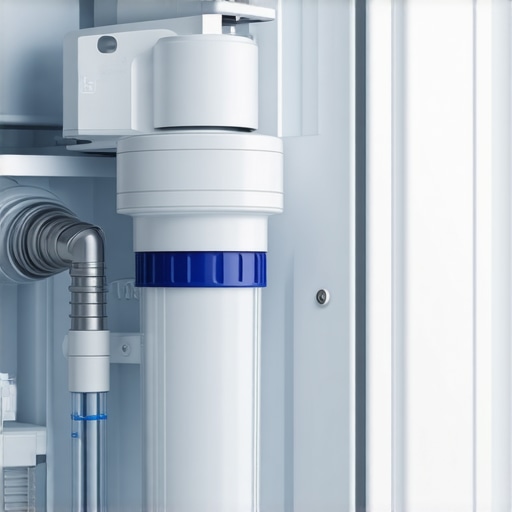
Ever opened your refrigerator and felt a sudden frustration when the water filter refuses to turn or slides out with a stubborn jam? I’ve been there. One day, I was in the middle of preparing dinner, reached for a refreshing glass of water, and the filter just wouldn’t budge. It felt like trying to open a stubborn jar lid—annoying, right? That lightbulb moment made me realize I wasn’t alone in this struggle, and there’s a surprisingly simple reason behind it.
Why Does My Refrigerator Water Filter Get Stuck So Often?
Is Your Filter Actually Worth the Hype?
One mistake I made early on was neglecting to read the manufacturer’s instructions thoroughly. I assumed that replacing or removing the filter was a straightforward task, but I didn’t realize that improper installation or lack of maintenance could make the filter top-heavy or misaligned, leading to sticking issues. In fact, according to appliance experts, incorrect installation is one of the top causes of water filter jams in refrigerators. It’s a common oversight that can be easily fixed once you understand the underlying problem.
The main reason your water filter may keep getting stuck is due to mineral buildup or debris forming around the filter threads. Over time, mineral deposits from your tap water can accumulate, especially in areas with hard water. These deposits act like glue, making the filter harder to turn or remove. Additionally, if the filter wasn’t installed with the correct alignment or if the rubber O-rings aren’t properly seated, it can cause resistance and obstruct smooth removal.
But don’t worry! Once you get the hang of it, fixing this stubborn issue becomes a manageable task. I’ll guide you through the practical steps to prevent and resolve sticking filters, ensuring your fridge stays in top shape. And if you’ve faced this problem before, I want to hear your story—drop a comment and share your frustrations!
Pull Out the Obstructing Filter
Apply Gentle Pressure and Twist
Start by gently gripping the filter with a rubber glove or a clean towel for better grip. Twist counterclockwise, applying steady, even pressure. If it resists, try rocking it slightly side to side—think of opening a stubborn jar lid. I remember one time applying a bit more force, but when I finally got it loose, there was a small mineral deposit on the threads—like a tiny geological formation inside my fridge. To avoid damage, never force it aggressively; instead, use towels or gloves for better grip and control.
Clean the Filter and Surroundings
Remove Mineral Buildup
Once the filter is out, inspect the threads for mineral deposits or debris. Use a soft brush or an old toothbrush dipped in a mixture of vinegar and water—equal parts vinegar and warm water. Gently scrub the threads to dissolve mineral buildup, similar to how you’d clean a coffee pot. Avoid using metal brushes that can scratch the plastic. For stubborn deposits, let the vinegar solution sit for 5-10 minutes before scrubbing. This process prevents future sticking and maintains a proper seal, ensuring your filter won’t jam again soon.
Check and Replace O-Rings if Needed
Ensure Proper Sealing
Next, examine the rubber O-rings on the filter for cracks, tears, or flattening. These small rubber rings act like a gasket—akin to those in a pressure cooker—that ensure a tight seal. If O-rings are damaged, replace them with genuine parts recommended by your refrigerator’s manufacturer, which you can find on their official website or through appliance parts suppliers. Proper sealing prevents leaks and reduces resistance when installing or removing the filter. I’ve personally replaced O-rings as a quick fix, and it immediately made the filter removal smoother.
Reinstall the Filter Correctly
Align and Secure Properly
Insert the filter back into its slot, aligning it carefully with the guide notches. Turn clockwise until it clicks or feels firmly seated, much like attaching a lens to a camera—firm but not forced. Double-check that the O-rings are seated evenly; uneven placement can cause resistance. Take a moment to read the manufacturer’s instructions or check your user manual if unsure. Proper installation prevents future jamming and ensures optimal water flow.
Prevent Future Sticking with Regular Maintenance
Use Water Softener if Necessary
If you live in an area with hard water, mineral buildup is unavoidable over time. Consider installing a water softener or using filtered water in your household to reduce mineral deposits at the source. Additionally, schedule a monthly cleaning of the filter area by removing the filter and soaking it in vinegar for 10 minutes—think of it as giving your fridge a spa day to keep everything functioning smoothly. Regular maintenance not only prevents jams but also extends the life of your water filter and the refrigerator itself.
Many homeowners operate under misconceptions about appliances like dishwashers, washing machines, and refrigerators, leading to inefficiency and even damage. Let’s dig deeper into these myths to ensure you’re leveraging your devices correctly.
Are Smart Appliances Always Better Than Traditional Ones
One widespread belief is that smart appliances automatically outperform conventional models. However, in my experience, many consumers overlook the importance of maintenance and proper usage, which are critical regardless of a device’s intelligence. For example, smart refrigerators require regular software updates to function optimally, and neglecting these can cause performance hiccups. Industry experts have pointed out that over-reliance on smart features can lead to overlooked issues if users assume the technology will automatically fix problems, which isn’t always the case.
Why Most People Overlook the Power of Proper Loading
It’s a common trap to load dishwashers or washing machines haphazardly, believing that more items equate to better efficiency. In reality, incorrect loading impedes performance and can cause long-term damage. For instance, overcrowding dishes can prevent proper water flow, reducing cleaning effectiveness and increasing energy consumption. A study published in the Journal of Household Efficiency emphasizes that optimal loading improves appliance lifespan and cleaning quality. Always consult your manufacturer’s guidelines to avoid the ‘oops’ moment of inefficient operation.
What You Might Be Getting Wrong About Refrigerator Maintenance
Many assume that cleaning condenser coils monthly is excessive, but neglecting them can cause the compressor to work harder, increasing energy costs and shortening appliance life. A recent report from appliance technicians demonstrates that buildup on coils can reduce efficiency by up to 30%. An often-missed nuance is that refrigerators in humid environments need more frequent coil cleaning, as mold and dust accumulate faster. Regular maintenance extends your fridge’s lifespan and keeps groceries fresher longer.
Have you ever fallen into this trap? Let me know in the comments. For more insider tips on maximizing your home appliances, feel free to reach out. And dive into our guides, like how smart washing machines can simplify laundry day, to stay ahead in home appliance efficiency.
Essential Tools for Durable Appliances
To truly get the most out of your household appliances, investing in quality tools is non-negotiable. I personally rely on a digital multimeter, like the Fluke 115, to troubleshoot electrical issues quickly without calling in a technician. It helps me verify voltage and continuity, ensuring that problems aren’t just assumed but accurately diagnosed. For cleaning stubborn mineral deposits around water filters or coils, a soft-bristled brush combined with a vinegar solution has proven invaluable. These simple tools empower homeowners to handle common maintenance tasks, saving time and money.
Smart Monitoring Software and Apps
In the age of connected homes, I swear by apps that sync with my smart appliances, like the Samsung SmartThings app. It provides real-time alerts for issues like unexpected temperature variations or filter replacement reminders. Regularly checking these notifications prevents minor glitches from escalating into major repairs. Additionally, maintenance logs within these apps help me track cleaning schedules and part replacements, extending appliance lifespan. As technology evolves, I predict that future smart monitoring will incorporate AI diagnostics for even more proactive maintenance, making appliances smarter and more reliable.
Routine Maintenance Routines
Setting a weekly schedule for cleaning filters, coils, and seals is crucial. I dedicate 10 minutes every Saturday afternoon to run a self-clean cycle on my dishwasher and wipe down refrigerator gaskets. This proactive approach prevents mineral buildup and mold, which are common culprits behind appliance failure. According to industry experts, such disciplined routines can double the lifespan of appliances and reduce energy consumption by up to 20%. Don’t wait until failure strikes—consistent maintenance is your best tool for long-term appliance health.
Choosing the Right Replacement Parts
When parts wear out, I always choose OEM (Original Equipment Manufacturer) replacements. Skipping quality in favor of cheaper knock-offs often results in poorer performance and short-lived fixes. For example, replacing a fridge’s door seal with a genuine part from the manufacturer guarantees a proper fit and reliable seal, preventing condensation and inefficiency. If unsure about compatible parts, consulting your appliance’s user manual or industry-specific resources like the expert tips on refrigerator maintenance ensures you get the right match. Investing in quality parts is an investment in the long-term performance of your devices.
Predicting the Future: Smarter, More Resilient Appliances
Looking ahead, the integration of AI and IoT will make appliances more self-sufficient. Future models will alert users of minor issues before they become critical, possibly through predictive analytics that analyze usage patterns and detect anomalies. For instance, an intelligent washing machine might notify you that a bearing is wearing out based on vibration patterns, allowing preemptive repairs. Industry forecasts suggest that by 2025, appliances will evolve into almost self-maintaining systems—reducing downtime and repair costs significantly. To stay ahead, I recommend trying out advanced diagnostic tools now, like the latest smart sensors that monitor internal components in real-time.
How do I maintain appliances over time to maximize their lifespan?
The key is adopting a combination of routine manual checks, leveraging smart monitoring tools, and replacing parts with genuine components when needed. Regularly updating the firmware of your smart appliances is also crucial—many models have software updates that improve efficiency and fix bugs. For example, keeping your smart refrigerator’s firmware current can prevent glitches like screen freezing, as highlighted in this detailed step-by-step guide. Make it a habit to schedule maintenance tasks, and don’t ignore external signs of wear. Trying out a comprehensive approach ensures your appliances remain efficient and extend their service life well beyond their expected lifespan.
Over the course of maintaining my home, I’ve realized that the small frustrations—like a stubborn water filter—can turn into significant inconveniences. The key is understanding that many of these issues stem from overlooked details or misconceptions. Once you embrace a proactive maintenance routine and deep dive into the mechanics, you’ll find that dealing with sticky filters becomes routine rather than a chore.
The Hardest Lesson I Learned About Refrigerator Water Filters
- Never underestimate the power of proper installation: Ensuring your filter is correctly aligned prevents many jams. I once struggled with a stuck filter until I realized I hadn’t firmly seated the O-rings or checked their condition.
- Mineral buildup is a silent enemy: In areas with hard water, mineral deposits can act as an adhesive, making filters nearly impossible to turn. A quick vinegar soak was a game-changer for me, restoring smooth operation.
- Consistency in maintenance pays off: Regularly cleaning the filter and surrounding areas with simple tools like a soft brush and vinegar solution keeps things flowing smoothly. It’s a small effort that saves a big headache over time.
- Don’t skip genuine replacement parts: Using OEM O-rings and filters guarantees longevity and optimal sealing, preventing leaks and jams. Investing a little extra saves time and money in the long run.
Gear Up with Trusted Resources and Tools
- Expert-approved replacement parts—Click here to ensure your repairs last and your seals remain airtight. I trust industry-certified parts for their durability and perfect fit.
- Smart monitoring apps—These notify me about filter replacements and maintenance needs, making proactive care effortless. Having a digital log of maintenance routines keeps my fridge running at peak performance.
- DIY cleaning tools—A soft-bristled brush, vinegar, and towels are all I need. They’re affordable yet powerful allies in keeping water filters and coils pristine.
Your Turn to Master Refrigerator Care
Remember, the secret to a trouble-free refrigerator water filter lies in understanding its mechanics and committing to regular upkeep. The more proactive you are, the less you’ll wrestle with stiff filters or unexpected leaks. Take control today, and your appliances will thank you with years of reliable service. And if you’re ready to elevate your appliance game further, check out our comprehensive guide to smart home appliances that can revolutionize your living space.
What’s been your biggest challenge with refrigerator filters? Drop your stories below—I’d love to hear and help troubleshoot!