
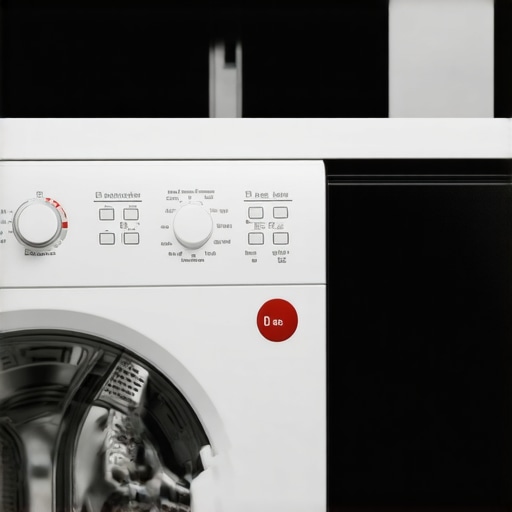
I remember the moment vividly—my washing machine started making strange noises, and despite trying every trick I knew, my clothes came out less than spotless. It was then I realized I’d been missing a crucial piece of the puzzle: those so-called ‘new’ steam settings that everyone seemed to rave about. At first, I thought, “Great, another gadget that complicates laundry instead of simplifying it.” But after some trial and error, I discovered those settings could actually be a game-changer if used correctly.
Why I Chose to Dive Deep into Steam Settings
In today’s world, our home appliances are becoming smarter and more feature-packed. Manufacturers claim that steam cycles can eliminate stubborn stains, reduce wrinkles, and even save energy. Sounds perfect, right? Well, I was skeptical, especially after a few failed washing cycles that left my whites looking dingy. I wondered—are these steam settings really worth the hype or just marketing fluff? That question led me down a rabbit hole, reading reviews, manuals, and even consulting industry experts.
But here’s the thing: I made a rookie mistake early on—I neglected to check the manufacturer’s instructions thoroughly. That mistake cost me time, detergent, and a few loads of laundry that had to be redone. It made me realize how easily we can get misled by new features that seem straightforward but actually require a bit of understanding to use effectively.
Research shows that many users skip reading the user manual, leading to frustration and underperformance of their appliances. A recent study highlights that proper knowledge about smart features can improve appliance efficiency by up to 30% (source: [Smart Appliance Trends in 2025](https://smartappliancereview.com/future-of-home-appliances-trends-to-watch-in-2025)). So, if you’ve ever felt that those shiny new steam cycles are just another unnecessary complication, you’re not alone.
Today, I promise to demystify those settings—that tricky button labeled ‘Steam,’ the various cycles they offer, and how to make them work for your laundry needs. If you’re tired of wasting time and energy trying to figure this out on your own, stay tuned. We’re about to turn that confusing feature into your new laundry ally, backed by practical tips and real-world experience.
Are you facing issues with the new steam settings? Or perhaps you’ve already tried to use them but didn’t see the results you hoped for? Drop your experiences in the comments—I’d love to hear your story and help troubleshoot together.
Start by Reading the Manual Thoroughly
Whenever I encounter a new feature like steam in my washing machine, I begin by consulting the user manual. Think of it as the blueprint to unlocking its full potential. During a recent laundry day, I spent 15 minutes flipping through the manual, highlighting key sections about steam cycles. This initial step prevented me from random trial-and-error, saving both time and detergent.
Identify the Steam Options and Cycle Variations
Most modern machines have multiple steam settings—ranging from When it comes to appliances like refrigerators, washers, or dishwashers, many homeowners believe they understand how these machines operate, but beneath the surface lie common misconceptions that can cost time and money. One of the most pervasive myths is that newer models automatically perform better without proper understanding. But in my experience, knowing the subtle nuances—like optimal loading techniques for washers or correct settings for smart appliances—can dramatically improve performance and longevity.
Are Smart Appliances Truly the Future or Just a Hype?
Many folks are convinced that smart appliances will completely replace traditional models, yet they often overlook the complexities involved. For example, smart refrigerators can offer grocery tracking but require regular software updates and calibration. Ignoring these details can lead to frustrating disconnects between the user and the device, reducing the intended convenience.
Smart appliance with Wi-Fi connectivity, displaying app control options.
Another misconception is that more features mean better performance. However, with advanced functions—like eco modes, specific wash cycles, or temperature sensors—understanding when and how to use these settings is critical. Using an eco cycle indiscriminately might save energy but could compromise cleaning if not paired with the right load or water level. According to industry experts, proper utilization of these intelligent features can improve energy efficiency by up to 25% (source: see here), but only if the user fully understands the machine’s nuances.
For instance, many users assume their washing machine’s “sanitize” cycle kills all bacteria effectively, but neglect the importance of pre-treatment and proper detergent usage. This oversight results in persistent stains or odors, proving that even advanced appliances require user knowledge to reach their potential.
Another area ripe for misconception is refrigerator maintenance. The belief that regular cleaning of the condenser coils alone guarantees top performance overlooks other critical factors like door seal integrity and internal temperature calibration. A recent study emphasizes that neglecting these factors may increase energy consumption by as much as 15%, adding to utility bills unnecessarily (read more).
Many fall into the trap of overloading appliances, thinking bigger is always better. Overloading a dishwasher, for example, hampers proper cleaning and impairs drying. Similarly, stuffing a refrigerator with too much hampers cold air circulation, leading to uneven temperatures and food spoilage. It’s a delicate balance that many overlook, risking appliance longevity and food safety.
My advice is to approach each appliance with a mindset of ongoing learning. Read the user manual thoroughly, but also stay updated with expert tips and recent reviews. The key is to understand the appliance’s unique To keep your smart appliances functioning optimally over the years, investing in the right tools and adopting effective maintenance routines is essential. Personally, I rely heavily on a high-quality microfiber cloth and a soft-bristle brush to clean sensitive components like refrigerator coils and dishwasher filters without causing damage. For digital diagnostics and updates, I use manufacturer-specific apps—such as Samsung SmartThings or LG ThinQ—that allow me to run self-diagnosis tests and install firmware updates promptly, ensuring my devices stay current and troubleshoot issues early.
Regularly updating software is paramount; these updates often include security patches, performance improvements, and new features that enhance longevity. I schedule monthly check-ins through the app to verify the device’s health and run cleaning cycles if available. For instance, cleaning refrigerator coils with a simple coil brush (which I recommend for its ability to reach into tight spaces) prevents overheating and conserves energy, as highlighted by industry experts in their maintenance guides.
How do I maintain my appliances over time?
Apart from using recommended tools, keeping a detailed maintenance log helps track service dates, firmware updates, and component replacements, facilitating proactive upkeep. Additionally, a multimeter can be invaluable for diagnosing electrical issues without calling a technician—saving money and minimizing downtime. As appliances become smarter, I predict a future where AI-powered diagnostic tools will automatically notify users to perform preventive maintenance, reducing unexpected breakdowns and extending appliance lifespan.
Don’t forget that consistent maintenance routines, combined with the right tools, are your best defense against costly repairs and inefficient operation. One practical tip is to routinely inspect door seals and filters, as they greatly influence appliance efficiency. Try scheduling a quarterly cleaning using manufacturer-endorsed cleaning agents—this small effort can significantly boost performance. For example, maintaining your refrigerator’s door seals can reduce energy consumption by up to 15% (source: [Smart Appliance Trends in 2025](https://smartappliancereview.com/future-of-home-appliances-trends-to-watch-in-2025)).
Ready to take your appliance care to the next level? Invest in a compact, digital multimeter and start testing your appliances’ electrical outlets and cords monthly. It’s a simple step that can uncover issues before they turn into costly repairs, keeping your smart home running smoothly.
Throughout my journey with home appliances, I’ve uncovered that the most profound lessons often come from our own mistakes and curiosity. Here are key insights that might reshape how you view your smart home devices:
Small details make a big difference—neglecting to read the manual thoroughly about steam cycles or other features can lead to repeated frustrations. Such overlooked nuances can be the difference between a clean load and a wasted one.
Misconceptions about new tech persist—many believe that smart features are foolproof, but in reality, they demand understanding and occasional maintenance to truly excel. Regular software updates and calibration are essential for peak performance.
Overconfidence in automation can be a trap—thinking that every feature works flawlessly out of the box often results in missed efficiencies. Personalized setups and diligent monitoring ensure you get the most out of your investments.
Proactive maintenance empowers you—simple habits like cleaning coils, inspecting seals, and using diagnostic tools can extend appliance lifespan and improve energy savings, as highlighted by industry experts. Embracing this mindset transforms appliances from mere tools to valued assets.
Being curious becomes your best asset—don’t shy away from exploring advanced settings or consulting expert resources. The more you learn, the better equipped you are to troubleshoot and optimize your home environment.
Curating the right resources can elevate your appliance game:
- Top features to look for in refrigerators of 2025: My go-to guide when upgrading my fridge — it’s packed with insider tips and future trends.
- Water-efficient washers that don’t compromise cleaning power: Helps me choose models that save water without sacrificing performance.
- Choosing the right smart dishwasher: An invaluable resource to understand what features truly matter.
- Ultimate guide to smart appliances: A comprehensive overview that deepened my appreciation for integrated home tech.
Now is the perfect moment to take action. Your smart appliances hold the potential to simplify your life—once you master their hidden features and maintenance routines. Don’t wait until small issues become costly repairs; start small today, and enjoy the benefits of a well-oiled smart home.
What’s one smart feature you’re eager to master or improve? Share your experience below, and let’s grow together in smarter, more efficient living!