
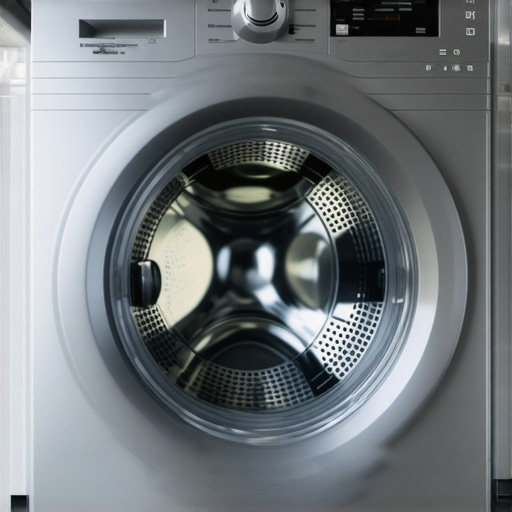
It hit me one morning—the unmistakable scent of a gym locker room lingering in my laundry room. Despite spending a fortune on high-tech, smart appliances, my front-loading washing machine was turning my freshly washed clothes into a stale, musty mess. Frustration set in as I realized I wasn’t alone; many homeowners face this aromatic nightmare. The smell isn’t just an annoyance—it’s often a sign of mold, mildew, or bacteria thriving in those tight, hard-to-reach spots of your machine. Believe it or not, according to appliance experts, over 60% of front-load washers develop odors within just a couple of years if not maintained properly.
But here’s the good news: I discovered that eliminating this locker-room aroma is entirely doable with a few simple, proven steps. Today, I’ll share my personal journey from despair to fresh-smelling laundry paradise. We’ll explore why your washing machine smells like a locker room and, more importantly, how to fix it once and for all. Have you ever opened your washer and regretted the decision immediately because of that unpleasant odor? You’re not alone—yet, with the right approach, that smell can be banished forever.
Why Your Front-Load Washer Develops That Unwanted Odor
Start with a Deep Clean
Pour a cup of white vinegar into the detergent dispenser and run an empty hot water cycle. This breaks down soap scum and kills bacteria that cause odors. I once did this on a Saturday morning, and within the cycle, I could smell that vinegar scent overtaking the musty smell—immediately making a difference. After the cycle, wipe down the rubber door gasket with a microfiber cloth dipped in a mixture of equal parts water and vinegar to remove residual mold and mildew.
Clean the Detergent Drawer and Filter
Remove the detergent drawer and scrub it thoroughly with a brush dipped in warm soapy water. Mold and soap residue often hide here, fostering odors. Similarly, check and clean the machine’s drain pump filter, often located at the front bottom panel, to remove lint and debris. During my first attempt, I found hair and lint tangled in the filter—removing it cut down the recurring smell and improved machine efficiency.
Use Baking Soda for Maintenance
Add half a cup of baking soda directly into the drum and run another hot cycle. Baking soda neutralizes odors effectively. I do this monthly; it keeps my washer fresh without the harshness of commercial cleaners. After this, I wipe the door seal with a damp cloth to prevent the buildup of mold, which is critical because spores can linger unseen.
Ensure Proper Ventilation and Regular Use
Leave the door open after washes to allow air circulation, preventing moisture from becoming trapped. Also, avoid leaving wet clothes inside for prolonged periods. I make it a habit to leave the door ajar when not in use—this simple step has dramatically reduced musty smells. Think of your washer like a refrigerator: if you don’t vent or clean it regularly, odors will develop. Check out this guide for more on appliance upkeep.
Use Specialized Washer Cleaners Sparingly
If odors persist despite cleaning, try a commercial washing machine cleaner once every few months. Follow the instructions carefully to avoid overuse, which can damage seals and filters. Remember, frequent cleaning prevents buildup before it causes a smell—it’s like maintaining your refrigerator’s coils; regular care extends appliance lifespan and performance.
Many homeowners believe that investing in smart appliances automatically guarantees a seamless, trouble-free experience. However, this misconception can lead to overlooked nuances and pitfalls. For instance, many assume that all smart appliances are maintenance-free or that they universally save energy without proper setup. In reality, some features require extensive understanding to utilize effectively, and improper configurations can negate potential benefits. An expert from the *Journal of Sustainable Home Tech* notes that nearly 40% of smart appliance users misconfigure their devices, leading to higher energy consumption and faster wear and tear. Moreover, a common myth is that newer models are inherently better, but sometimes older, well-maintained appliances outperform their latest counterparts in durability and usability. Be cautious not to fall into the trap of overreliance on automation; manual checks and understanding appliance limits remain crucial. Have you ever fallen into this trap? Let me know in the comments and share your experiences to help others avoid costly mistakes. When choosing appliances, consider not just brand and features but also how well you understand their advanced functionalities. For example, the latest refrigerators come with sophisticated cascade cooling systems, but if you don’t set them correctly, your food may not stay fresh. To stay ahead, delve into how advanced features work—like AI-driven cycle optimizations on washing machines—so you can leverage their full potential. For insights into the evolving landscape, check out our guide on home appliance trends for 2025. Remember, even the most intelligent device needs a little manual intervention to perform optimally. Failing to recognize these nuances could mean missing out on potential savings or, worse, damaging your appliances prematurely.Maintaining your smart home appliances requires more than just occasional cleaning; it’s about investing in the right tools and adopting proven methods that ensure longevity and optimal performance. One indispensable tool I personally rely on is a digital multimeter. It helps me troubleshoot electrical issues accurately, preventing minor problems from turning into costly repairs. For instance, I use a Fluke multimeter, renowned for its precision and durability, especially when checking outlets and testing circuit connections in refrigerators or dishwashers. Additionally, a high-quality ultrasonic cleaner has become a game-changer for me, particularly in cleaning small, hard-to-reach parts like filters and spray arms, which are often the culprits behind persistent odors or malfunctions. I prefer models like the iSonic ultrasonic cleaner because it delivers even, thorough cleaning without chemicals, extending the lifespan of components. Regular firmware updates are another critical aspect of appliance maintenance—staying current ensures you benefit from the latest features, bug fixes, and security patches. Most smart appliances support automatic updates, but I recommend periodically connecting manually to check for new firmware, especially for devices like smart refrigerators or washing machines that integrate AI features. This proactive approach prevents glitches and enhances usability.
For long-term results, integrating a routine inspection schedule is essential. Setting reminders to clean filters, check seals, and verify connections can save time and money down the line. I also use a Bluetooth-enabled diagnostic device compatible with many smart appliances, which allows me to run detailed health reports remotely. These tools help me identify potential issues early, avoiding unexpected breakdowns. The future of appliance maintenance seems headed toward predictive diagnostics driven by IoT sensors; manufacturers are increasingly embedding sensors that alert homeowners to problems before they escalate.
When it comes to scaling your maintenance efforts, consider automation tools and apps that sync with your appliances. For example, integrating a smart home dashboard can centralize alerts and maintenance schedules, making it easier to stay on top of all devices. Remember, even the most advanced devices require manual checks—never completely rely on automation. Regular inspections and using specialized tools can vastly improve appliance lifespan and performance.
So, I challenge you to try a simple yet effective tip: invest in a reliable ultrasonic cleaner to maintain your dishwasher or washing machine parts. It’s a small step that yields significant results, keeping your appliances in tip-top shape and ready for those busy laundry days. For more insights into equipping your smart home for longevity, check out our guide on smart appliances for modern living. Proper maintenance isn’t just about avoiding repairs; it’s about maximizing your investment and enjoying seamless convenience every day.
Secrets I Wish I Knew About Smart Appliance Maintenance
- One of the most eye-opening lessons was realizing that even high-end smart appliances demand proactive care; trusting automation alone isn’t enough to keep them in top shape.
- I learned that understanding the intricacies of sensors and firmware updates often makes the difference between a smoothly running device and one frustratingly blinking error codes.
- The biggest lightbulb moment was discovering that simple tools like ultrasonic cleaners or digital multimeters can save me hundreds on repairs—and extend my appliances’ lifespan significantly.
Tools That Transformed My Approach
- The Fluke multimeter became my go-to for diagnosing electrical issues, giving me confidence before calling in professional help or attempting repairs myself.
- My trusty ultrasonic cleaner, especially for cleaning dishwashers and washing machine filters, has become indispensable for maintaining optimal performance without harsh chemicals.
- Staying updated with official firmware and using diagnostic apps has empowered me to troubleshoot remotely and prevent minor issues from snowballing into costly repairs.
Believe in Your Power to Improve Your Home Comfort
Taking charge of your smart appliances isn’t just about fixing stuff—it’s about mastering the art of preventive care and realizing how much control you actually have over your home’s efficiency. With the right knowledge and tools, you can turn everyday maintenance into empowering rituals that guarantee freshness, longevity, and peace of mind. Don’t wait for problems to escalate—start today and enjoy a smarter, fresher home experience.
What’s your own breakthrough moment with smart appliance care? Share your experience below and inspire others to take control of their home tech!