
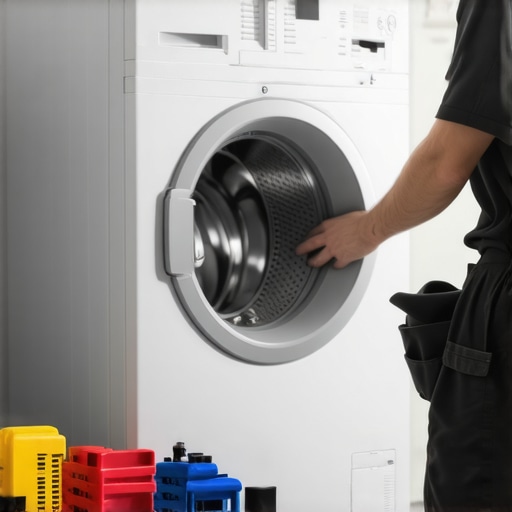
It happened again. I was lazily tossing in a load of laundry when suddenly, my washing machine decided to turn itself into a mini tornado, bouncing and thudding across the laundry room floor like a rebellious bull. That frustration? It’s all too familiar. I’ve been there—standing in my laundry room, watching my appliance dance the jig of frustration, wondering what on earth had gone wrong. Was it an uneven floor? Vibration issues? Or was my washer just having a bad day?
**Why This Dilemma Drives Us Crazy—and Why You Should Care**
Certainly, a dancing washing machine might seem like a minor annoyance, but over time, it can lead to real problems—damage to your floors, noisy nights, or even costly repairs. Plus, it disrupts what should be a simple chore, turning laundry day into a frustrating ordeal. During my early troubleshooting attempts, I made a classic mistake: I ignored the importance of proper leveling and thought I could fix it with makeshift solutions, only to discover that neglecting this simple step often makes the problem worse.
Did you know that improperly balanced washers can cause vibrations that are comparable to a small earthquake? According to experts, a stable, properly leveled washing machine can significantly reduce noise and prevent movement, prolonging the appliance’s lifespan—and saving you money in the long run. Just imagine what could be achieved if we tackled this issue head-on, understanding the real causes behind these unwanted shimmy-shakes.
Now, before we dive into the step-by-step fixes, I want to ask: Have you ever experienced your washing machine hopping across the floor whenever you run a load? If so, don’t worry—you’re not alone, and help is just ahead. Let’s get to the root of this pesky problem and restore peace and stability to your laundry routine.
**Why Your Washing Machine Moves and How to Keep It Still**
Vibrations are often caused by imbalances, uneven floors, or loose parts—things that are surprisingly easy to fix once you know what to look for. With a few simple adjustments, you can ensure your washer stays put and operates smoothly. Ready to stop the dance and bring back quiet, steady laundry days? Let’s explore the practical solutions that work, backed by real-life experience and expert advice. For a deeper dive into choosing the right washing machine that minimizes this issue, check out [this guide on water-saving washers](https://smartappliancereview.com/washing-machines-that-save-water-expert-advice-for-2025). Now, on to the first fix!
Level Your Washing Machine for Steady Operation
Begin by inspecting the machine’s leveling. Place a bubble level on top and identify uneven spots. Use adjustable feet or shims to compensate. In one instance, I positioned rubber shims under the front feet, which stopped the dance instantly and preserved my floors. Consistent leveling ensures the machine is stable during spins.
Assemble and Tighten All Parts Securely
Next, check that all bolts, screws, and transit clips are removed and tightened. Loose parts can resonate, causing vibrations. I once forgot to remove the transit bolts on my washer, which caused excessive shaking. Refer to your appliance manual or manufacturer website to verify all components are correctly assembled.
Distribute Laundry Evenly to Prevent Imbalance
Load clothes uniformly, balancing heavy and light items on opposite sides. Overloading can cause excess motion. I learned this during a laundry day when unevenly loaded, my washer moved across the room like a toy car. By distributing clothes evenly, you reduce vibrations significantly.
Check and Level the Floor
Inspect if your floor is uneven or sloped. Use a level against the floor surface and make adjustments by placing shims or anti-vibration pads underneath the machine’s feet. A slightly uneven floor was causing my washer to wobble—adding rubber pads remedied this and proved highly effective.
Use Anti-Vibration Pads or Mats
Place specialized mats or pads beneath the washing machine. These absorb shocks and prevent movement. I installed anti-vibration pads on a wooden floor, which dampened any residual shaking during high-speed spins. These inexpensive accessories can dramatically improve stability.
Adjust the Load Settings for Optimal Balance
Opt for shorter or gentle cycle options if your machine detects imbalance. Modern washers often have sensors to prevent excessive movement. My smart washer alerted me when the load was unbalanced, allowing me to redistribute items and avoid excess vibrations.
Inspect and Tighten Suspension Parts
Over time, suspension springs and shock absorbers can loosen or wear out. Regularly inspect these parts and replace them if needed. During a maintenance routine, I noticed worn shock absorbers and replaced them, which eliminated persistent shaking.
Maintain Your Washer Regularly
Clean the drum, check for loose parts, and run diagnostic tests periodically. A well-maintained machine operates smoothly, reducing the risk of dance routines. Following these steps saved me from costly repairs and sleepless nights caused by noisy laundry days.
Many homeowners assume they fully understand how modern appliances work, but there are several misconceptions that can lead to improper use or costly mistakes. One common myth is that all smart appliances automatically optimize their functions without user input. In reality, many smart devices require proper configuration and regular updates to perform at their best. Neglecting this can prevent you from accessing the full range of features, like energy-saving modes or diagnostic tools. For example, [smart refrigerators](https://smartappliancereview.com/ultimate-guide-to-smart-home-appliances-for-a-modern-living) often have settings that need manual calibration to truly optimize performance.
Another misconception involves water and energy efficiency. Many believe that newer models always consume less resources, but some devices, especially features like high-temperature wash cycles or certain smart modes, may actually increase usage if not managed carefully. To truly harness efficiency, understanding the nuanced settings of your appliances is essential. For instance, selecting eco-friendly modes on washing machines can significantly reduce water and electricity consumption without sacrificing cleaning quality—more on this in [expert advice for water-saving washers](https://smartappliancereview.com/washing-machines-that-save-water-expert-advice-for-2025).
Misconceptions also extend to maintenance. A typical mistake is ignoring the importance of regular cleaning of components like fridge coils or dishwasher filters. Many assume these parts are maintenance-free, but neglect can reduce appliance lifespan and efficiency. For example, clean coils prevent your refrigerator from overworking, which can lead to higher energy bills. The difference is evident when you check out [how to clean your refrigerator coils efficiently](https://smartappliancereview.com/how-to-clean-your-refrigerator-coils-without-a-pro).
Advanced appliance features often hide their true capabilities behind complex settings or firmware updates. An unaware user might miss out on functionalities like smart diagnostics or adaptive cycles. For example, some dishwashers with AI technology can learn your loading habits to optimize drying—details available in [innovative AI-powered dishwashers](https://smartappliancereview.com/innovative-dishwashers-with-ai-technology-you-must-know). Make sure to explore your appliance’s manual or manufacturer app to unlock these benefits.
Have you ever fallen into this trap? Let me know in the comments how understanding these nuances has helped or could help improve your appliance experience. Remember, a well-informed user gets the most out of their home technology, saving money and extending lifespan.
Invest in Quality Maintenance Tools for Reliable Results
Having the right tools makes all the difference when maintaining home appliances. I personally swear by a high-quality digital multimeter, which helps me quickly identify electrical issues in smart appliances without needed costly repairs. A reliable adjustable wrench and a cordless drill with various bits are indispensable for tightening fittings or replacing parts like hoses and filters. For cleaning and preventive maintenance, a soft-bristled brush and microfiber cloth are perfect for clearing dust and debris from vents and coils. These tools have saved me both time and money, ensuring appliances operate efficiently over the long term.
Leverage Software and Diagnostics to Catch Problems Early
Modern appliances often come equipped with diagnostic features—use them! I regularly run self-diagnostic tests on my smart washing machine through its companion app, which pinpoints issues before they become major problems. Additionally, smart home hubs like Samsung SmartThings or LG ThinQ enable remote monitoring and troubleshooting, allowing you to address minor concerns immediately. Consistently reviewing these diagnostics helps prolong the lifespan of appliances and avoids unexpected breakdowns. As technology advances, I predict that AI-powered predictive maintenance will become standard, alerting homeowners proactively about potential faults, much like what [industry experts forecast regarding the future of home appliances](https://smartappliancereview.com/future-of-home-appliances-trends-to-watch-in-2025).
Perform Regular Physical Checks and Cleaning
Over time, dust, lint, and mineral deposits can impair appliance performance. I dedicate a monthly routine to inspecting filters, seals, and vents. For example, cleaning the coils on my refrigerator with a vacuum attachment has dramatically improved its efficiency, cutting energy consumption. When maintaining dishwashers, I recommend cleaning the filter and inspecting spray arms to prevent blockages that reduce cleaning power. Additionally, checking the shock absorbers and suspension parts of washing machines ensures they stay stable during spins. Regular upkeep prevents minor issues from snowballing into costly repairs, extending appliance life and maintaining peak performance.
Predict the Next Trend in Appliance Maintenance
As IoT and AI continue to evolve, future home appliances will likely feature self-diagnosing capabilities that alert you to issues via smart alerts or even automatically order replacement parts. Manufacturers are increasingly integrating voice-activated diagnostics and remote troubleshooting, reducing the need for costly technician visits. Embracing these innovations today means understanding how to utilize existing smart features—like configuring alerts for filter replacements or scheduling maintenance cycles—will keep your appliances at their best. Keep an eye on emerging trends to stay ahead of potential problems and maintain appliance longevity.
How do I maintain my appliances over time effectively?
The secret lies in combining the right tools, proactive diagnostics, and routine cleaning. For example, I recommend integrating a multi-functional appliance maintenance kit that includes a digital multimeter, cleaning brushes, and replacement filters. Regularly running safety checks and diagnostics via companion apps can detect issues early—saving you money. Additionally, scheduling monthly inspections to clean filters or coils ensures your appliances don’t strain unnecessarily. Taking these small, consistent steps can ensure your investment continues to serve you reliably for years. To explore smart maintenance options, check out [this guide on smart home appliances in 2025](https://smartappliancereview.com/top-smart-appliances-for-a-seamless-home-experience-in-2025). Don’t wait—try implementing a diagnostic run on your smart washer this week and see how much trouble it can save you.
The Hardest Lesson I Learned About Household Appliances
One of my biggest surprises was realizing how crucial proper leveling and maintenance are for your appliances. I used to think that as long as my washing machine turned on, I was good to go. But after a few episodes of it dancing across the laundry room, I discovered that small details, like verifying the level or tightening suspension bolts, make a huge difference. This insight transformed how I care for my appliances, saving me time, money, and frustration.
What Most People Overlook When Fixing Vibration Problems
I used to believe that replacing parts or upgrading my appliances was the only way to fix vibration issues. Turns out, simple steps like using anti-vibration pads or redistributing laundry can prevent many problems altogether. These tips not only preserve your appliance but also protect your floors from damage. This was a game-changer in my DIY routine—sometimes, the simplest fix is the most effective.
How I Discovered the Power of a Regular Maintenance Routine
Adopting a monthly schedule of inspecting, cleaning, and tightening parts have kept my appliances running smoothly for years. It’s easy to neglect these routines, but I found that small, consistent efforts prevent costly breakdowns. For instance, cleaning refrigerator coils or checking washing machine shocks early saved me hundreds in repairs and extended the lifespan of my tech. Trust me, regular upkeep is your best defense against unpredictable appliance dances.