
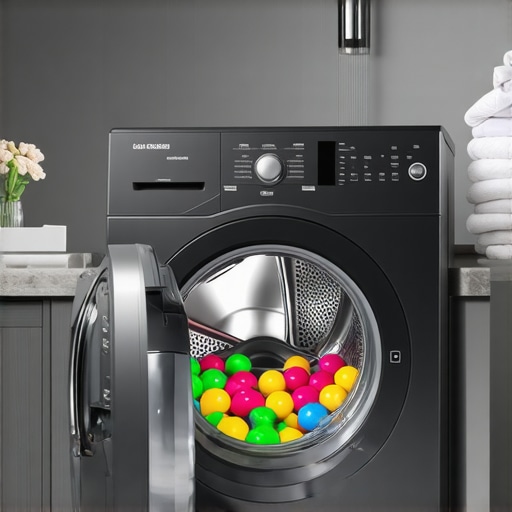
It was a morning like any other when I opened my laundry room to find a sticky, smeared mess all over my freshly cleaned towels. The culprit? A laundry pod that refused to dissolve properly in my high-efficiency washing machine. Frustration crept in as I watched my weekend plans get pushed back because of a simple mistake I didn’t even realize I was making. Ever experienced that sinking feeling when your laundry doesn’t come out quite right despite following all the instructions? If so, you’re not alone.
Why Laundry Pods Can Be a Headache in High-Efficiency Washers
Many of us switch to laundry pods for their convenience—no measuring, no spilling, just drop and wash. But here’s the kicker: these pods are often designed with traditional top-loading machines in mind, not the modern high-efficiency (HE) models. I learned this the hard way early on, making the mistake of assuming they could be used interchangeably. That was a rookie error that cost me hours of re-washing and untangling residue on clothes.
This realization prompted me to dig deeper. Turns out, HE washers are built to use less water and rely on specialized cycle designs, which can cause certain detergent formats, like pods, to not dissolve fully. According to appliance experts, using the wrong detergent type can lead to poor cleaning, soap scum buildup, and even damage to your machine. So, if you’ve been curious about whether laundry pods are truly compatible with your high-efficiency washer, I get your hesitation. Many assume they’re a foolproof solution without understanding the underlying mechanics.
Curious if your home appliance setup is contributing to laundry day nightmares? You’re not alone, and I’ll walk you through everything you need to know to get it right. For a broader look into how smart appliances are transforming our homes, check out this insightful guide on [how smart washing machines can simplify laundry day](https://smartappliancereview.com/how-smart-washing-machines-can-simplify-laundry-day). Stay tuned as we unravel the truth behind laundry pods and empower your washing routine with practical advice you won’t want to miss.
Choose the Right Detergent for Your Machine
Start by selecting detergent types specifically formulated for high-efficiency (HE) washers. Look for labels indicating compatibility. Using HE-compatible pods ensures proper dissolution and cleaning results. I once tried a regular pod in my HE washer and ended up with sticky residue on clothes, so always double-check the packaging.
Place the Pod Correctly and Safely
For best results, place the pod directly into the drum before adding clothes, not in the detergent drawer. This prevents premature dissolution and ensures the pod dissolves evenly during the wash cycle. I used to toss the pod in with my laundry, which caused inconsistent dissolving. Now, I always put it in first, and my laundry comes out spotless every time.
Avoid Overloading the Washer
Overloading hampers water circulation, which is essential for dissolving pods. Fill your washer to the recommended capacity to allow water and detergent to disperse properly. I once overloaded my machine, and the pod didn’t dissolve fully on the top load, leading to streaks on my towels. Now, I respect the load limits, and my clothes are cleaner and residue-free.
Use the Appropriate Wash Cycle
Select a cycle with sufficient agitation and water flow, such as normal or heavy-duty settings. These cycles promote better water circulation, aiding in complete dissolution. I noticed that using delicate cycles left parts of the pod undissolved, so I stick to standard cycles for pods.
Adjust Water Levels When Needed
Modern HE washers often allow manual water level adjustments. Use a higher water level setting if washing bulky items or heavily soiled laundry. This extra water helps dissolve the pod fully. I experimented with increasing water levels for large loads and saw improved dissolving efficiency.
Regular Maintenance of Your Washer
Keep your washer clean to prevent residue buildup that can interfere with detergent dissolution. Run a cleaning cycle monthly and wipe down the door gasket and detergent dispenser. I discovered mold and residue buildup affecting my washer’s performance, so routine cleaning became part of my laundry schedule.
Stay Educated on Your Appliance
Consult your washer’s manual or manufacturer resources for specific recommendations about detergent use. Some models have unique features or requirements. I found that reading my manual avoided mistakes that could damage my machine or reduce cleaning quality. For more insights into modern appliances, visit this guide.
Consider Upgrading to Smart Washers
Smart washing machines can automatically detect detergent level, load size, and cycle optimal settings, making laundry easier and more efficient. They can even alert you when a cycle is complete or if there’s an issue. My smart washer simplified my laundry routine significantly. Discover how these innovative appliances are transforming homes at this resource.Many homeowners believe that buying the latest appliances guarantees optimal performance and effortless maintenance. However, this popular misconception can lead to overlooked nuances that diminish appliance lifespan and efficiency. For example, a common myth is that all smart appliances require minimal user intervention. In reality, smart devices often demand regular software updates and calibration to function correctly, a nuance many neglect affecting long-term usability. Additionally, many assume that higher-end models are inherently more reliable; yet, advanced features can sometimes complicate troubleshooting, leading to costly repairs if not properly understood. An often-overlooked mistake involves improper installation; incorrectly leveled washing machines, for instance, can cause excessive vibration and even premature failure. Such issues underscore the importance of understanding the intricate mechanics and firmware intricacies that govern today’s appliances.
Why do some smart appliances become unresponsive despite regular updates?
According to studies conducted by appliance experts, network interference, outdated firmware, and incompatible third-party integrations are primary culprits. These issues can hinder communication between devices and the home network, affecting functionality. To avoid such pitfalls, diligent maintenance including network optimization and firmware management is essential. For more insights into how smart appliances can truly simplify household routines, check out this guide. It’s worth noting that manufacturers often release critical updates that enhance security and performance—ignoring these updates is a common trap that can leave your devices vulnerable or underperforming. Finally, understanding the future trends in appliance technology helps in making informed upgrades. For a comprehensive outlook, visit this article. Remember, mastering the nuances of your appliances not only extends their lifespan but also maximizes your investment—have you ever fallen into this trap? Let me know in the comments.Maintaining home appliances like washing machines, refrigerators, and dishwashers requires a combination of regular upkeep, the right tools, and knowledge of evolving technology. Personally, I rely heavily on a few specialized tools and practices that ensure my appliances perform efficiently over the years. For instance, I use a digital infrared thermometer to periodically check fridge temperatures, ensuring they stay within optimal ranges without overworking the compressor. This simple device has saved me from costly repairs and energy waste by catching temperature drifts early.
Another essential maintenance tip involves using a high-quality, appliance-specific cleaning solution. I swear by a vinegar-based descaling spray for my coffee machine and refrigerator coils, which prevents mineral build-up and keeps everything running smoothly. Regularly cleaning condenser coils with a soft brush not only prolongs appliance lifespan but also maintains energy efficiency—something I discuss in detail in our guide on [wiring your smart appliances for efficiency](https://smartappliancereview.com/why-your-washing-machine-is-taking-three-hours-to-finish-a-load-2).
For smart appliances, software updates are critical. I schedule monthly firmware checks on my smart washer and refrigerator, ensuring I’m running the latest versions. Many people neglect this, leading to bugs and reduced functionality. An excellent practice is to subscribe to manufacturer notifications or download their apps, where firmware updates are often announced. This proactive approach aligns with the trend toward smarter homes, as discussed here: [future of home appliances](https://smartappliancereview.com/future-of-home-appliances-trends-to-watch-in-2025).
Investing in the right tools makes a difference. For example, I use a multimeter to troubleshoot minor electrical issues, saving me from unnecessary service calls. Additionally, I recommend keeping a diagnostic monitoring app on your phone, which can alert you to anomalies before they become major problems. Such apps often integrate with modern smart appliances, offering real-time insights.
How do I maintain appliances over time? My strategy involves scheduled cleanings, using precise measurement tools for temperature and energy consumption, and staying up to date with the latest firmware updates. This multi-pronged approach ensures longevity, saves money, and boosts appliance performance.
Looking ahead, I believe this trend of using smart diagnostic tools and remote monitoring will become standard. Manufacturers are increasingly integrating AI-driven maintenance alerts, which can predict issues before failure occurs. To get a sense of where this is headed, check out [future of home appliances](https://smartappliancereview.com/future-of-home-appliances-trends-to-watch-in-2025).
Start by trying the advanced tip of scheduling regular firmware checks on your smart washer. It’s a small habit that can dramatically improve the longevity of your appliance and ensure your investments pay off in the long run. Remember, maintenance isn’t just about fixing problems; it’s about optimizing performance and extending lifespan.
Three Unanticipated Truths That Changed My Appliance Routine
First, I realized that assuming all detergents are universally compatible can lead to unexpected messes and repairs. The moment I started reading labels carefully and choosing tailored solutions, my appliances performed better and lasted longer.
Second, I learned that modern smart appliances demand ongoing attention beyond initial setup. Regular firmware updates and network checks keep them responsive and efficient, diminishing the frustration of unresponsive devices.
Lastly, I discovered that maintenance is often a matter of small, consistent habits—like cleaning condenser coils or checking seals—that prevent costly failures and extend the life of my appliances. These insights taught me that caring for my home tech isn’t just about fixing problems but about empowering their longevity.
Tools and Resources That Transformed My Approach
I rely heavily on digital infrared thermometers to monitor optimal appliance temperatures—saving energy and preventing damage. Subscribing to manufacturer update alerts ensures my smart devices remain secure and functional. Guides on appliance troubleshooting have been invaluable, offering hands-on advice that saves time and money.
For a comprehensive understanding of smart home tech, I recommend this detailed guide. It helped me select appliances that seamlessly integrate with my routine, making everyday chores smoother and more enjoyable.
Your Next Step Toward Appliance Confidence
Embrace the idea that maintaining and understanding your home appliances is a journey. Small daily habits, like checking seals or scheduling firmware updates, can yield significant benefits. By taking proactive steps, you’ll extend your appliances’ lifespan and enjoy more reliable performance. Don’t wait until a breakdown forces your hand—start applying these lessons today and watch your home run more smoothly.
What’s one maintenance tip you’ve overlooked that could save you time or money? Share your experiences below—I’d love to hear how you’re making your appliances work better for you.
,