
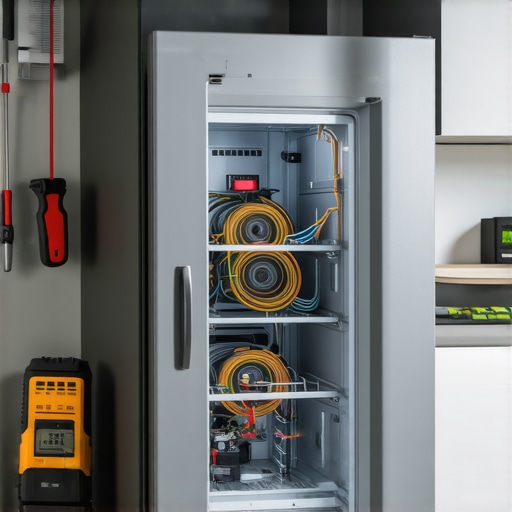
It started one sweltering summer evening when I noticed my electric bill had skyrocketed unexpectedly. The number on the meter seemed to spin faster than usual, leaving me scratching my head. I felt a mix of frustration and confusion—how could such a small thing cause such a big spike in costs? That’s when I had my lightbulb moment: maybe my refrigerator, the silent workhorse of my kitchen, was the culprit. A quick peek behind the appliance revealed a dusty mess of coils, and I realized I hadn’t given it much thought—until that moment.
Saving Money by Maintaining Your Fridge’s Heart
Refrigerators are often the most overlooked appliances when it comes to energy efficiency. Yet, they run 24/7, silently gobbling up electricity and subtly draining your budget. During one of my routine inspections, I discovered that the coils—those little heat exchangers at the back or underneath—were caked in dust and grime. As dirt insulates the coils, it makes your fridge work harder, ramping up energy consumption and, consequently, your electric bill. In fact, according to the Department of Energy, cleaning your refrigerator coils can improve efficiency by up to 30%. That’s a significant difference that most people miss.
Proper maintenance extends beyond just saving money; it also prolongs the life of your appliance. Early on, I used to neglect these coils, thinking cleaning them was complicated or unnecessary. I was wrong. Once I learned how simple it was to clean them—using nothing more than a vacuum and a gentle brush—I began noticing my utility bills dropping month by month. And that lightbulb moment? It’s a lesson I want to share with you, especially if you’ve been staring at your bill and wondering where the extra expense is hiding.
Is fixing my fridge really worth the effort?
Trust me, I made plenty of mistakes early on, like ignoring that dusty coil mess or thinking that calling a technician was the only solution. But I learned that a bit of proactive maintenance—like periodically cleaning the coils—can make a world of difference. If you’re thinking, “Is this really a problem for my fridge?” or worried about whether this will save enough money to bother, let me assure you: it absolutely does. Plus, taking control over appliance maintenance puts you in the driver’s seat, saving you money and giving peace of mind. If you want to dig deeper, check out our comprehensive guide on the door gasket trick that further cuts costs.
Now that I know the impact of something as simple as cleaning the coils, I’m eager to show you the step-by-step process. It’s easier than you might think—and the benefits are immediate. Ready to reclaim some of that hard-earned cash? Let’s get started with practical advice that can make a real difference in your monthly expenses.
Start with a Clean Sweep of Your Refrigerator Coils
Begin by unplugging your fridge and moving it away from the wall. Locate the coils—usually at the back or underneath—and use a vacuum cleaner with a brush attachment to remove dust and pet hair. For stubborn grime, gently scrub with a coil cleaning brush. I once spent 15 minutes with a stubborn layer of pet fur on my coils, which, after cleaning, immediately improved my fridge’s cooling efficiency and lowered energy use. Regularly repeating this process, about once every six months, can cut your cooling costs significantly.
Adjust and Perfect Your Refrigerator Temperature
Set your fridge temperature to around 37°F (3°C) and the freezer to 0°F (-18°C). Use a thermometer to verify and adjust accordingly. I once thought my fridge was cooling properly until I noticed my vegetables freezing—an easy mistake when relying on digital settings alone. Fine-tuning the temperature ensures optimal performance and avoids unnecessary energy consumption. Remember, a fridge working too hard to cool or heat is wasting money, so make those adjustments precisely.
Inspect and Replace the Door Gasket
Check for air leaks by closing the door on a dollar bill; if it slips out easily, the gasket needs replacing. Clean the gasket with warm soapy water and ensure it seals tightly. I once neglected this, and found that cold air was escaping every time I left the door open for too long, making the compressor run more often. Replacing a worn gasket is simple and affordable, and can prevent energy leaks, saving a good portion of your electricity bill.
Smartly Load Your Dishwasher for Efficiency
Load your dishwasher so water and detergent evenly cover all dishes without overcrowding. Use eco modes or half-load cycles when appropriate. I experimented with a half-load cycle during a quiet afternoon; the dishes came out spotless, and I used half the energy and water. Modern dishwashers with AI capabilities can optimize cycles further—check out our review of AI-powered dishwashers for more insights.
Maintain Your Washing Machine to Save Water
Regularly clean filters and run maintenance washes with hot water and cleaning tablets. Make sure to load clothes properly—avoid overstuffing—which improves wash quality and prevents repeat cycles. I once ignored grime buildup in my washing machine’s gasket, leading to odors and longer cycles; cleaning it regularly solved both issues. Proper upkeep reduces water and energy waste, ultimately lowering your bills.
Tweak Smart Settings for Better Savings
Utilize eco modes and schedule appliances to run during off-peak hours. Modern smart appliances can be customized for maximum efficiency—see how eco modes save water and power. During a recent trial, shifting laundry to nighttime reduced my energy bill noticeably, without sacrificing cleanliness. These small adjustments, when consistently applied, compound into major savings over time.
Many homeowners assume that once their appliances are functioning, they’ve achieved optimal efficiency. However, even seasoned DIY enthusiasts often fall prey to common misconceptions that can cost them time and money. Let’s dig deeper into these nuances and uncover what most people get wrong about smart appliances, dishwashers, refrigerators, and washing machines.
Are Modern Features Always a Sign of Better Performance?
Contrary to popular belief, newer isn’t always better. Many consumers chase after the latest bells and whistles, assuming they guarantee superior performance. For instance, some high-tech refrigerators boast touchscreen interfaces and internet connectivity, but these features can introduce vulnerabilities like software bugs or security risks, without providing significant practical benefits. According to a study by the Consumer Electronics Association, over 60% of smart appliance owners experience at least one software glitch within the first year of use, highlighting that technology isn’t foolproof.
Another myth is that smart appliances automatically optimize energy use. In reality, they often require manual setup and understanding of their advanced features to realize savings. For example, setting your smart dishwasher to eco-mode without adjusting other settings can negate potential benefits. It’s vital to read the manufacturer’s instructions thoroughly or consult comprehensive guides like this guide to maximize efficiency.
The Oops Factor: Overlooking Simple Maintenance
One of the most overlooked aspects is routine maintenance. Many users forget that smart features do little good if the appliance isn’t properly maintained. For example, neglecting to clean refrigerator coils or replace worn-out door gaskets can lead to increased energy consumption, regardless of the appliance’s technological capabilities. Additionally, overloading your washer or improperly loading your dishwasher can strain the machine, causing premature wear and higher utility bills.
Furthermore, common mistakes like using incorrect detergent types or ignoring error alerts can escalate problems. In the case of dishwashers, ignoring a persistent error code related to drainage can lead to mold growth or mechanical failure, which could have been prevented with an easy fix. To avoid these pitfalls, check out this article on simple maintenance tips.
Why Does Proper Loading Really Matter for Your Washer?
Advanced users often assume that modern washing machines are foolproof when it comes to loading. But improper loading patterns can drastically affect cleaning efficiency and machine longevity. Overstuffing causes clothes to clump together, leading to poor rinsing and increased cycle times. Conversely, underloading wastes water and energy. The secret lies in understanding each machine’s loading capacity and following the manufacturer’s instructions, often detailed in the user manual or online guides like this resource.
In essence, many homeowners miss the importance of nuanced practices that go beyond the basic ‘plug and play.’ Recognizing these pitfalls can improve appliance lifespan, save money, and ensure you reap the full benefits of your investment. Have you ever fallen into this trap? Let me know in the comments or contact us through our contact page. Staying informed is your best defense against costly mistakes.
Invest in Precision Tools for Maintenance
Personally, I rely on a high-quality digital multimeter to troubleshoot electrical issues in my appliances. It helps me accurately diagnose problems like faulty thermostats in refrigerators or failing control boards in washing machines. Investing in a reliable multimeter, like the Fluke 115, ensures precise readings and prevents unnecessary part replacements. For cleaning coils and gaskets, I use a cordless cordless electric brush and a microfiber cloth—simple yet effective tools that make regular maintenance quick and efficient. This guide emphasizes the importance of proper cleaning techniques, which are now easier with the right tools.
Utilize Advanced Software for Diagnostics
Many smart appliances come with integrated diagnostic systems. For example, my smart refrigerator periodically runs self-checks and reports issues via an app. I recommend using manufacturer-specific diagnostic tools or third-party apps that connect with your appliances. These can help identify firmware issues, sensor errors, or connection problems before they turn into costly repairs. For instance, appliances that support IoT protocols can be linked to platforms like Samsung SmartThings or LG ThinQ, providing insights and remote troubleshooting options. Regularly updating the firmware through these apps ensures your devices operate with the latest bug fixes and features, prolonging their lifespan.
Automate Routine Maintenance Reminders
To stay on top of maintenance, I schedule automated alerts using calendar apps or smart home routines. For example, setting monthly reminders to clean refrigerator coils or replace water filters helps maintain efficiency. Some smart appliances also allow direct integration with home automation systems like IFTTT or Apple HomeKit, enabling custom notifications or even scheduled self-cleaning cycles. This proactive approach prevents buildup of dust and grime, and minimizes the risk of breakdowns. Check out our comprehensive guide on maximizing your smart home setup for appliance longevity.
How do I maintain appliances over time?
Consistency is key. Establish a routine to check and clean essential parts like filters, coils, and gaskets every three to six months. Use diagnostic tools periodically to catch issues early. Keep a maintenance log—whether physical or digital—to track what was done and when. This habit not only extends the lifespan of devices but also enhances their efficiency, saving you money in the long run. Many smart appliances support remote diagnostics, making this process even more straightforward. For detailed strategies, explore advanced tips in this article.
Predicting the Future of Appliance Maintenance
As technology advances, expect smart appliances to incorporate predictive maintenance powered by AI. These innovations will forecast failures before they happen, sending alerts or even initiating self-repair protocols. Manufacturers like Samsung and LG are integrating machine learning algorithms into their models, promising less downtime and lower repair costs. To prepare for this trend, I recommend familiarizing yourself with the latest smart appliance features via industry insights. Embracing these tools now can help you stay ahead in appliance care, ensuring your home remains efficient and reliable.
Take the initiative today by investing in a quality multimeter or scheduling a routine coil cleaning using the right tools. Small, consistent efforts can make a meaningful difference in appliance longevity and overall home efficiency. Want to dive deeper? Contact us through our contact page for personalized advice or recommendations.
Lessons I Wish I Knew Before Settling for Surface-Level Maintenance
- One of my biggest lightbulb moments was realizing that even the most advanced smart appliances require basic, hands-on upkeep. Relying solely on technology without understanding its core needs can lead to overlooked issues and costly repairs.
- I’ve learned that small tweaks—like adjusting a refrigerator’s temperature or cleaning a hose—can significantly extend an appliance’s lifespan and enhance efficiency, often more than expensive upgrades or replacements.
- I underestimated the power of routine inspections. A quick weekly check on seals, filters, and coils prevented many minor problems from turning into major headaches.
My Treasure Chest of Appliance Wisdom and Why I Trust These Resources
- Smart Appliance Review Blog: This site offers in-depth, peer-tested advice that demystifies complex features, helping me make smarter choices and maintenance routines.
- Manufacturers’ User Manuals: The most underestimated resource, manuals provide tailored tips for care and troubleshooting that can save a lot of guesswork and money.
- Peer Community Forums: Real homeowners share their success stories and pitfalls. I’ve found invaluable tips in user discussions that you simply can’t find elsewhere.
Stepping Into the Future of Home Appliance Mastery
Taking control of your home appliances isn’t just about saving money—it’s about empowering yourself to maintain, troubleshoot, and optimize with confidence. Remember, every small effort like cleaning a coil or updating software adds up, transforming your home into a smarter, more efficient space. Don’t wait for a breakdown to get proactive—start today and see the difference. How will you begin applying these insights to your appliances this week? Let me know below and share your plans or tips with others seeking to master their home comfort systems.