
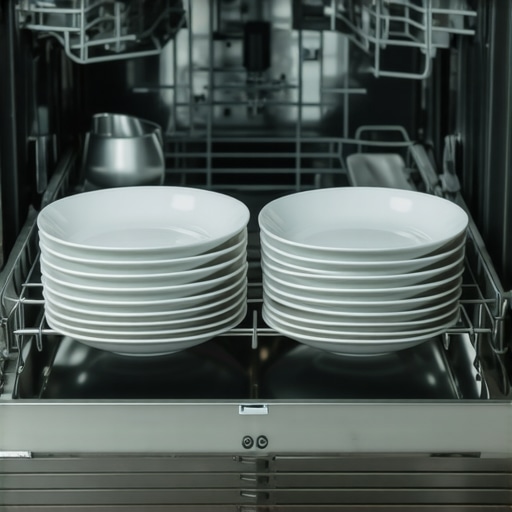
It was a typical Saturday afternoon when I finally looked into my dishwasher and realized something shocking—my plates, bowls, and cups, fresh from the cycle, still had that damp, clingy feel. Frustration washed over me. Why was I investing in expensive dishwashers that still left my dishes feeling moist and inconveniently damp? It felt like a personal failure every.single.time. But then, a lightbulb moment struck—what if the way I was loading my dishwasher was actually sabotaging the drying process?
The Real Reason Your Dishes End Up Wet After a Cycle
Every dishwashing session feels like a gamble. You load, press start, and hope for dry, spotless dishes. Yet, despite top-notch appliances, dampness persists. Here’s the thing: loading technique isn’t just about fitting all those dishes—it directly influences how well they dry. I learned this the hard way early on, by making the mistake of stacking plates too tightly and blocking airflow. It seemed innocent at first—just trying to maximize space—but I was unknowingly creating a drying nightmare. Trust me, I wish I had known this from the start. Proper loading improves drying significantly, as highlighted by appliance experts who recommend that dishes aren’t crowded for optimal airflow.
Have you ever experienced struggling with damp dishes despite your dishwasher’s advanced features? If so, you’re not alone. Many people overlook the impact of their loading habits, leading to preventable frustrations. Fortunately, there’s a better way. In the upcoming sections, I’ll share practical, tried-and-true tips that turned my damp dish dilemma into a thing of the past. Before diving into the how-to, let’s address a common concern that might be holding you back.
Arrange Dishes Strategically for Better Airflow
Picture this: last weekend, as I loaded my dishwasher after dinner, I decided to adjust the way I placed my plates. Instead of stacking them tightly together, I kept space between each piece, much like arranging seats around a table to allow airflow. This simple tweak improved drying noticeably.
Keep Space Between Items
Always ensure there’s enough room for air to circulate. Avoid nesting bowls inside cups or stacking plates directly on top of each other. Think of your dishwasher as a tiny city where air needs pathways to reach every building. This method prevents moisture from being trapped and allows hot air to reach all surfaces.
Angle Items Correctly
Load cups and utensils at slight angles rather than flat. For example, I tilted my wine glasses gently downward to let water flow off and air circulate within. This orientation helps water drain and speeds up drying, much like how a tilted umbrella sheds rain more quickly.
Load Heavier and Larger Items Appropriately
During my first cleaning attempt, I noticed that thick pots and pans were blocking airflow to lighter dishes. I now place bulky items around the edges, ensuring they don’t obstruct the center of the spray arm. It’s akin to placing tall trees at the sides of a garden to keep the central area open for sunlight.
Position Bulky Items on the Sides
Position large cookware on the sides or back of the dishwasher, leaning them slightly so they don’t block the spray. This prevents water and heat from getting trapped behind them, which was a mistake I made early on—leading to dampness on lighter utensils.
Place items with Handles Facing Out
This not only makes unloading easier but also reduces stacking height and airflow obstruction. For example, I turned my spatulas and utensils outward, which improved both drying and accessibility.
Prioritize Items That Need Special Care
Some dishes, like plastics or delicate glassware, require specific loading. I set my plastics on the top rack, away from the heating element, to prevent warping and encourage proper drying. Think of it as giving fragile items a cozy little corner where they’re least likely to get damaged or stay wet.
Avoid Blocking the Spin Arm
Ensure none of the dishes interfere with the spray arm’s movement. When I first overloaded, I noticed water spots and dampness—because some items were literally in the way. By clearing the area beneath the spray, I allowed the water jets to do their job effectively, resulting in drier dishes.
Use Proper Loading Techniques for Utensils
Lay utensils flat or in designated holders, never overlapping them. During a quick test, I placed my spoons and forks straight down into the basket, which significantly improved drying. Think of utensils as little soldiers standing at attention, each getting the attention it deserves.
Run a Vinegar-Enhanced Rinse Cycle Occasionally
To complement your loading tactics, I add a cup of white vinegar to the rinse cycle once a month. This helps remove mineral buildup that can trap moisture. It’s like giving your dishwasher a spa day, ensuring optimal performance and quicker drying times.
Integrating these practical steps transformed my dishwashing routine. Proper arrangement isn’t just about tidiness but about giving your machine the best chance to do its job efficiently. For more insights into optimizing your home appliances, visit our guide on innovative dishwashers or explore how smart appliances can simplify your laundry day.
While many homeowners believe they understand how their appliances work, there are subtle aspects that often go unnoticed—elements that can make a significant difference in performance and longevity. One common misconception is that simply choosing the most advanced model guarantees perfect results. In reality, understanding the nuanced operation of devices like washing machines and refrigerators is crucial for optimal use. For example, many assume that high-efficiency washing machines just need less water, but forget that proper loading techniques and cycle selection are equally vital, as highlighted by experts in water-saving advice.
Another widespread myth is that all smart appliances automatically optimize energy consumption. While they have the capability, user behavior still plays a pivotal role. Leaving Wi-Fi signals active or misconfiguring settings can negate potential savings. For instance, I once left my smart fridge connected to multiple devices, which increased energy consumption unnecessarily. Achieving true efficiency requires understanding these subtle settings. Additionally, many overlook the importance of firmware updates, which can fix bugs or improve features—arguably more crucial than new hardware. Periodically updating your appliances can be the difference between a smooth operation and frustrating malfunctions.
Many assume that thicker insulation or larger compressors in refrigerators always equate to better cooling. However, oversized components can sometimes lead to uneven temperatures and higher energy bills if not properly calibrated. The key lies in choosing a model tailored to your usage and ensuring proper installation. Experts recommend consulting industry guides such as professional tips before purchasing. Moreover, a common oversight is neglecting regular maintenance—like cleaning condenser coils—which can reduce energy costs and extend appliance lifespan. For example, I used to ignore this step until I discovered that cleaning my fridge coils every six months improved cooling efficiency noticeably.
What are the pitfalls of relying solely on appliance smart features without understanding their nuances?
Many users depend on automation features in their smart appliances, assuming they are foolproof. Yet, misconfigurations or unfamiliarity can lead to subpar results or even damage. For example, setting a smart washing machine to the wrong cycle or ignoring alerts about filter maintenance can void warranties or cause breakdowns. The key is to educate yourself on the capabilities and limitations of these technologies. By doing so, you transform your appliances from simple gadgets into powerful tools that truly enhance your daily life. Want to explore how to harness your smart appliances more effectively? Check out our comprehensive guide.
Another subtle point is that many overlook how external factors impact appliance performance. Hard water, for instance, can cause scale buildup in dishwashers and washing machines, reducing efficiency and increasing repair costs. Using water softeners or descaling agents can mitigate this issue. Industry experts emphasize that understanding your household’s specific conditions is essential for maintaining appliances at peak performance. So, before making your next purchase or troubleshooting a problem, consider these nuanced factors—sometimes, the smallest details make the biggest difference. Have you ever fallen into this trap? Let me know in the comments.
Tool Up for Longevity: Essential Equipment and Software
Ensuring your home appliances operate efficiently over the long term requires more than just regular use; it demands the right tools and software. I personally rely on a digital multimeter to monitor electrical parameters of my refrigerators and washing machines. This device helps me identify voltage irregularities early, preventing costly breakdowns. When it comes to software, I use manufacturer-specific diagnostic apps, like Samsung’s SmartThings or LG’s ThinQ, which offer real-time insights, firmware update notifications, and troubleshooting guidance. These apps are invaluable for detecting issues before they escalate and for scheduling maintenance tasks seamlessly.
Why I Trust Diagnostic Apps for Smarter Maintenance
These apps no longer merely alert errors; they provide detailed diagnostics, saving me time and money. For example, they can detect when the compressor or heating element is operating outside optimal parameters, prompting timely interventions. As technology evolves, predictive maintenance will become standard, allowing appliances to alert us about potential failures days or weeks in advance, much like predictive analytics in industrial settings. Staying ahead requires integrating these tools into your routine.
Long-Term Care Strategies to Extend Appliance Lifespan
Consistent maintenance is crucial. I schedule bi-annual cleaning of condenser coils in refrigerators and check water filters monthly, following expert advice to prevent scale buildup that hampers performance. This proactive approach reduces energy consumption—by up to 15% in some cases—and keeps appliances functioning at peak efficiency. Additionally, using descaling agents and water softeners where necessary curbs mineral deposits, which is especially important in hard water regions. Regularly inspecting door seals for wear prevents energy leaks and maintains optimal internal temperatures.
The Future of Appliance Maintenance
Looking ahead, I believe integrated IoT sensors and AI-driven diagnostics will revolutionize appliance maintenance completely. These advancements will enable appliances to self-report issues, schedule repairs, or even order replacement parts automatically. For now, integrating existing diagnostic tools with routine checks will significantly improve appliance longevity and performance. I recommend trying out the diagnostic apps mentioned above—most offer free versions—and see how they can transform your maintenance routine.
How do I sustain appliance performance over time?
Adopt a disciplined maintenance schedule, leverage diagnostic tools and software, and stay informed about the latest technological innovations. Regularly updating firmware, cleaning filters, and monitoring operational data helps catch problems early. For comprehensive guidance on smart home appliance upkeep, explore our ultimate guide to smart home appliances. Ready to optimize your appliances? Start by downloading your manufacturer’s diagnostic app today and set a reminder for your first routine check to keep everything running smoothly for years to come.
Lessons I Wish I Learned Sooner About Dishwashers
One of my biggest lightbulb moments was realizing that my stubbornly damp dishes weren’t due to faulty appliances but rather poor loading habits. I used to cram plates tightly together, thinking I was saving space, but this often blocked airflow and hampered drying. It became clear that the way I arranged my dishes directly impacted their dryness and the longevity of my dishwasher. Another lesson was understanding the crucial role of positioning utensils and bulky items to prevent spray interference, which I now see as vital for efficient cleaning and drying. Finally, I discovered that routine maintenance, like occasional vinegar rinses and cleaning filters, is essential for sustained performance—small steps that make a massive difference in the long run.