
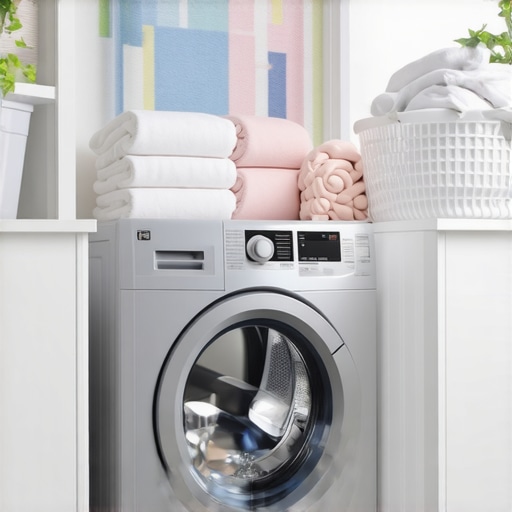
I remember the moment vividly: standing in my laundry room, overwhelmed by a mountain of clothes, bedding, and comforters sprawling across every surface. My old washer, once reliable, struggled to handle the chaos of my large family’s laundry needs, and I couldn’t help but feel frustrated with each cycle that seemed to take forever, only to leave my bulky duvet still damp or stained. It was a lightbulb moment—why was it so hard to find a washing machine that could truly handle large loads effectively? Detecting the right high-capacity washer became personal for me, and I realized many families face this very dilemma. Today, I want to share the insights I’ve gathered, backed by my experience and expert advice, to help you select a machine that makes laundry feel less like a chore and more manageable for your busy household.
Why Finding the Right Washer for Big Families Is More Than Just Capacity
Large families know the struggle all too well. Week after week, the laundry piles up, and your trusty old washer might be insufficiently equipped or just plain worn out. When I first tried to upgrade, I made the mistake of focusing solely on capacity without considering other critical features. For example, I bought a machine with enormous drums, assuming that bigger was better, only to realize it lacked the necessary agitation patterns and rinse cycles for stubborn stains and comforters. The truth is, a washer’s size is just one piece of the puzzle.
Choosing the right high-capacity washer can transform your laundry routine from a stressful weekend chore into a quick, efficient task. Not only does it save time, but it also conserves water and energy—crucial factors in today’s eco-conscious world. According to a recent study, modern high-efficiency washers can reduce water consumption by up to 50% compared to traditional models, saving both your wallet and the environment. To truly benefit, you need a machine that balances capacity, cleaning power, and smart features.
Are you tired of broken cycles, damp comforters, or endless loads? If you’ve faced these frustrations, you’re in good company, and the solution might be more accessible than you think. Next, we’ll explore what key features to look for and how to avoid common pitfalls—so you can find that perfect washer capable of handling your family’s laundry mountain with ease.
Assess Your Laundry Needs
Start by cataloging your family’s typical laundry volume and types of fabrics. Think of your washing machine as a personal assistant; understanding your load sizes helps you select one that can handle daily demands without overworking. For example, if you regularly wash bulky bedding, opt for a model with at least 5.0 cubic feet capacity. This prevents overloading, which can compromise cleaning performance and machine longevity.
Prioritize Key Features Over Capacity Alone
While size is crucial, focus on agitation patterns, wash cycles, and wash/rinse efficiencies. Imagine a washing machine as a skilled chef: a bigger drum isn’t enough without the right technique. Look for models with multiple wash cycles, including heavy-duty, stain removal, and bedding options. Smart features like load sensing can optimize water and energy use, ensuring efficiency—check out water-saving technologies for guidance.
Select Machines with Adaptive Technologies
Modern high-efficiency washers incorporate AI and sensors to adapt washes based on load size and fabric type. Think of this like your GPS adjusting route in real-time. For example, some models modify agitation intensity, saving energy while still providing a thorough clean. To find such models, visit AI-driven appliances overview.
Measure and Prepare Your Laundry Properly
Before loading, check your clothes for debris and knots. Load items loosely to prevent tangling; imagine packing a suitcase efficiently—space matters. Overstuffed drums reduce agitation effectiveness and lead to damp spots. Use the load size sensor, if available, or manually set water levels according to your laundry’s weight. This step is akin to adjusting the volume on your smart speaker for clarity.
Optimize Wash Cycles for Comforters and Bulk Items
For large bedding or comforters, select deep-fill or bulky-item cycles with extended wash times. I once tried a quick cycle for my heavy duvet and ended up resewing a tear because of inadequate agitation. Now, I always choose specialized cycles or manually extend wash time. Remember, a proper cycle ensures longevity and cleanliness. Consider smart washer features for ease and optimal results.
Maintain and Clean to Ensure Peak Performance
Regularly clean lint filters, drain pumps, and door gaskets—think of these as the personal hygiene of your appliances. Neglecting maintenance can reduce efficiency and cause dampness or odors, especially with large loads. Use specialized cleaning cycles or run hot water with vinegar monthly. For detailed cleaning methods, see maintenance tips.
Stay Informed About Power and Water Efficiency
Choose models with high ENERGY STAR ratings and water-saving features to reduce utility bills. These appliances are designed to handle large loads effectively while conserving resources—think of them as eco-friendly companions. For current standards, check water saving insights and ensure your home setup supports these technologies properly.
Many homeowners fall into common traps when choosing or maintaining their appliances, often believing myths that can lead to costly mistakes. Contrary to popular belief, not all smart appliances are worth the premium price—some features touted as essential may have limited real-world benefits until proven otherwise. For instance, some models boast Wi-Fi connectivity with limited compatibility, leading to frustration and underuse. Additionally, many assume that larger capacity always means better performance, but overloading can compromise cleaning cycles and reduce appliance lifespan.
One frequently overlooked nuance is the importance of proper calibration and maintenance. For example, a refrigerator’s temperature sensors can drift over time, causing uneven cooling or excess energy use. Regularly updating firmware and calibrating settings can significantly extend the appliance’s efficiency and lifespan, a tip often ignored by homeowners eager for instant results.
A common myth involves the necessity of pre-rinsing dishes before loading them into the dishwasher. Experts now confirm that pre-rinsing is redundant with advanced models, and unnecessary rinsing can wash away detergent efficiency, leading to higher water and detergent use. This misconception not only wastes resources but also delays the transition to more sustainable cleaning routines.
From an advanced perspective, what should savvy consumers watch out for when integrating smart appliances into a seamless ecosystem? The key is interoperability. Many assume that all smart appliances will seamlessly communicate with home assistants, but in reality, incompatible protocols and outdated firmware can cause integration issues. Ensuring devices support open standards and regularly updating their software can prevent frustrations down the line.
Moreover, the energy-saving features often touted as automatic or set-and-forget require user awareness to truly benefit. For instance, some fridges’ eco modes depend on accurate load detection, which can be thrown off by frequent door openings or improper organization. Understanding these subtle factors can make eco-friendly features actually effective, rather than just marketing slogans.
Maintaining an eye for these hidden nuances is vital. For example, a smart oven’s self-cleaning function might seem convenient, but improper use or neglect can lead to wear and tear. Regular manual cleaning and understanding the appliance’s specific maintenance needs ensure longevity and optimal performance.
In conclusion, the key to truly leveraging your home appliances lies in understanding these finer details. Don’t get blinded by shiny features or big capacity claims—delve deeper, stay informed, and maintain your devices diligently.
Have you ever fallen into this trap? Let me know in the comments. For more insights on maximizing your appliances’ value, explore our guides on [smart appliances that truly simplify your life](https://smartappliancereview.com/innovative-dishwashers-with-ai-technology-you-must-know) and [top tips for appliance longevity](https://smartappliancereview.com/contact-us). Staying vigilant about these hidden factors can save you time, money, and frustration in the long run.
Invest in Quality Maintenance Tools
To ensure your appliances stay in top shape, I rely on high-quality maintenance tools that are designed for longevity and precision. For example, a digital multimeter is essential for diagnosing electrical issues in refrigerators and washers. I personally use the Fluke 115 multimeter because of its durability and accuracy, which helps me identify faulty sensors or wiring problems quickly. Additionally, a microfiber cloth combined with a gentle cleaning solution is invaluable for maintaining the cleanliness of sensitive components like refrigerator coils or dishwasher spray arms. Regularly cleaning these parts not only prolongs their lifespan but also preserves efficiency.
Automate Monitoring with Smart Technologies
In my experience, integrating smart monitoring devices significantly reduces unexpected failures. For instance, a smart appliance health sensor can alert you to potential issues before they escalate. I recommend the Grohe Sense Wi-Fi leak sensor, which I have installed near my washing machine’s water inlet. It detects leaks or pressure drops and sends notifications to my phone. This proactive approach has saved me from costly water damage and unwanted downtime. As technology advances, I anticipate more appliances will incorporate self-diagnostic features, making maintenance even more straightforward. To stay ahead, regularly update your appliance firmware; many manufacturers release updates that improve performance and fix bugs—check out this guide for tips on updating your smart washer.
How do I maintain appliances over time?
Establish a routine inspection schedule that includes cleaning filters, checking seals, and testing electrical components periodically. Use a service manual or professional advice to understand specific maintenance needs for each device. For example, disabling unnecessary features like the eco mode during heavy loads can extend the lifespan of your washing machine’s motor, as explained in this article. Remember, consistency is key—regular upkeep prevents minor issues from becoming major repairs, saving you money over the long term.
Utilize Specialized Software for Long-Term Tracking
Keeping detailed logs of appliance performance and maintenance history helps identify patterns and anticipate future repairs. I personally use TechAI, a dedicated home appliance management app, which tracks usage and alert logs. For example, it notified me of irregular vibration patterns in my dryer, prompting an early bearing inspection. This proactive approach extended the life of my unit. As smart home integration becomes mainstream, expect these tools to evolve with predictive analytics, helping you schedule maintenance precisely when needed. For the best practices, visit this comprehensive guide.
Predict the Future of Appliance Maintenance
Looking ahead, I believe we’re moving toward fully autonomous appliances capable of self-diagnosis and even self-repair. Advances in AI and robotics will make home maintenance more hands-off, reducing downtime and repair costs. In the meantime, embracing tools like smart sensors and regular manual inspections is your best bet to keep appliances functioning efficiently. Try integrating a leak sensor or updating your appliance firmware today—small steps that lead to long-term savings and peace of mind. For personalized advice, don’t hesitate to reach out here. Stay vigilant, stay proactive, and your appliances will reward you with years of reliable service.
Discovering the complexities of managing home appliances has taught me invaluable lessons that go beyond simple features. Sometimes, the biggest breakthroughs come from a small detail or an unconventional tip that transforms routine chores into effortless tasks. For instance, I learned that regularly calibrating my smart washer’s sensors not only improved its performance but also extended its lifespan—a detail overlooked by many. These nuanced insights have made my appliance management more intuitive, cost-effective, and satisfying, and I believe they can do the same for you.
What Actually Goes Wrong When You Think You’re Doing It Right
- Skipping regular maintenance often leads to mysterious odors or dampness—trust me, a quick monthly clean-up can save hours of frustration.
- Overloading your machine might seem efficient, but it actually hampers cleaning and damages your appliances over time. Balance is key.
- Assuming all smart features are equally beneficial can lead to neglecting the most useful ones—knowing which to use makes all the difference.
Tools That Changed My Appliance Game
- Smart Sensor Devices: Monitoring leaks or performance issues before they escalate. I rely on the Grohe Sense Wi-Fi leak sensor for peace of mind.
- Maintenance Kits: Everything from coil brushes to gasket cleaners. My favorite is the WD-40 Specialist Machine Cleaning Kit for its versatility and effectiveness.
- Management Apps: Apps like TechAI help me track usage and predict maintenance needs, minimizing surprises and downtime.
- Firmware Update Resources: Staying informed via official manufacturer sites ensures I have the latest improvements for my appliances.
Transform Your Approach Today
Empowering yourself with knowledge and the right tools equips you to head off issues before they become costly repairs. Small, consistent actions like cleaning filters regularly, calibrating sensors, and smart monitoring make your appliances more efficient and extend their life. Start today—your household will thank you, and so will your budget. Dive into the latest developments in smart appliance technology and see how they can revolutionize your daily routines; check out this guide for inspiration. Remember, mastering these insider tips not only simplifies chores but also transforms your home into a model of modern efficiency and comfort.