
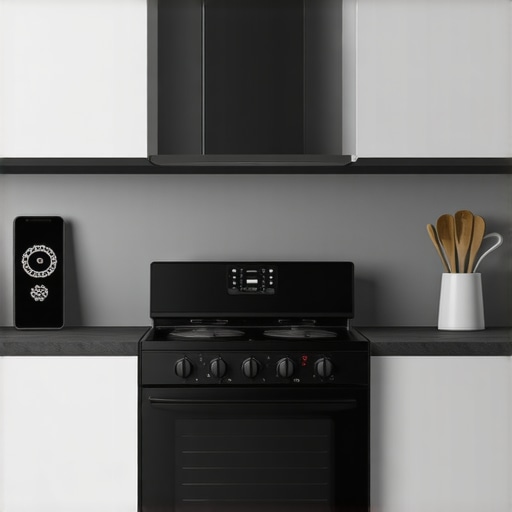
It was a chilly Saturday afternoon when I finally gave in and called a repair tech for my smart refrigerator. After a quick diagnosis, I was handed a hefty bill and a feeling of unease—like I had just fallen into a trap I didn’t even see coming. That moment hit me hard: I realized that owning the latest smart appliances isn’t just about convenience; it can secretly drain your wallet and complicate your DIY efforts.
Why Modern Appliance Repairs Can Sneak Up on You
Many homeowners like me fall into the trap of assuming new appliances are carefree. But the truth is, behind those sleek displays and voice-controlled features lie hidden costs—costs that often catch us off guard. When an issue arises, we tend to focus solely on fixing the appliance, not considering the ripple effects. For example, an unexpected breakdown can mean costly repairs, increased energy bills, or even complete replacements if we’re not careful.
Research shows that the average cost to repair a smart refrigerator can skyrocket due to specialized parts and labor. In fact, a report from industry experts indicates that repair costs for smart appliances can be up to 50% higher than their traditional counterparts. That’s a significant bump on your household budget, especially if you encounter multiple issues over the appliance’s lifespan. Furthermore, many repairs require specific knowledge or tools—pushing us towards costly professional services or, worse, choosing to replace instead of repair.
Have you experienced a surprise repair bill after your smart device malfunctioned? That feeling of frustration and helplessness is all too common, and I want to help you avoid that trap.
Is Repairing Smart Appliances Really Worth the Time and Money?
Let me share a rookie mistake I made early on. I once attempted to fix my smart washing machine myself after watching a few online tutorials. What I didn’t realize was how complex these gadgets are, packed with sensitive sensors and proprietary hardware. A simple misstep ended up costing me more than a professional repair would have. This experience taught me that, sometimes, it’s better to seek expert help from trusted sources—like contacting a reliable service through our contact page.
In the coming sections, I’ll guide you through understanding the real costs, evaluating whether repairs are worthwhile, and sharing tips to extend the lifespan of your smart appliances—not just to save money, but to keep your home running smoothly.
Ready to take control of your appliance investments? Let’s dive into the hidden side of smart home repairs and uncover how to handle them wisely.
Assess the Issue Before Picking Up the Phone
Start by diagnosing your appliance. For example, if your smart refrigerator’s screen is unresponsive, check power connections and perform a quick reset before calling for help. Use the manual or online guides to identify common problems.
Take notes of any error messages or unusual behaviors. These details will help technicians troubleshoot effectively, saving you time and money—an approach I adopted when my smart dishwasher stopped drying dishes. Documenting symptoms streamlined the diagnosis when I contacted professional support.
Research Repair Costs and Part Availability
Compare DIY and Professional Options
Evaluate whether a repair is cost-effective. Research average repair prices for your appliance model using industry guides or review sites. For instance, smart washing machines often have proprietary parts, which can be costly. If a repair exceeds 50% of replacement cost, consider replacement.
Check availability of parts online. Sometimes, a simple sensor replacement can extend your appliance’s lifespan remarkably—saving hundreds over replacement. If parts are scarce or expensive, it may be better to replace. I learned this lesson when my smart oven’s control board failed; sourcing parts was more complicated than anticipated, making replacement more viable.
Connect with Trusted Service Providers
If repair is necessary, contact reputable technicians. Use official service providers or trusted local experts. For instance, I found a certified technician through our contact page, which ensured quality work and proper diagnostics, preventing further issues.
Ensure the technician specializes in smart appliances, considering their complex hardware and software. The right expertise can prevent costly misdiagnoses or accidental damage, especially when dealing with proprietary components.
Learn Basic Troubleshooting Skills
Develop confidence with simple fixes. For example, resetting your smart refrigerator or updating firmware can resolve glitches without technical help. When my smart washing machine showed connectivity errors, I performed a firmware update following online tutorials—restoring full function and avoiding a service call.
Use manufacturer support pages and community forums. These resources often provide step-by-step guides that prevent unnecessary expenses and downtime, giving you control over minor issues.
Maintain Regular Upkeep to Prevent Major Failures
Prevention saves money. Clean filters, check seals, and update software periodically. For example, regularly cleaning the condenser coils of your smart refrigerator prevents overheating, which can lead to costly repairs. I scheduled bi-annual maintenance, resulting in fewer breakdowns and improved energy efficiency.
Adopt smart maintenance routines, like setting reminders for software updates or filter replacements, to extend your appliance’s lifespan and avoid unexpected expenses.
Utilize External Resources
Stay informed with industry insights and tips. Follow trusted blogs and review sites. For example, reading expert advice on choosing the right refrigerator helped me select a model with better repairability and support options, making future fixes more straightforward.
By systematically diagnosing issues, researching costs, connecting with specialists, mastering basic troubleshooting, and maintaining your devices, you can keep your smart appliances running smoothly without breaking the bank. Every step strengthens your control, ensuring your home remains connected and efficient.Many homeowners assume that smart appliances like refrigerators, dishwashers, and washing machines are entirely maintenance-free and immune to the common pitfalls of traditional models. However, this misconception can lead to costly mistakes, especially as technology evolves. In my experience, one of the most overlooked nuances is the complexity of these devices’ internal systems. For instance, many believe that because a refrigerator is connected to Wi-Fi, it can be easily fixed remotely or that troubleshooting is straightforward. But in reality, the intricate hardware and proprietary software often require specialized knowledge, making DIY fixes risky and potentially expensive.
Are Smart Appliances Truly More Reliable? Think Again.
Contrary to popular belief, smart appliances are not necessarily more reliable than their traditional counterparts. They present unique failure modes—such as software glitches, firmware incompatibilities, or network connectivity issues—that can be challenging to diagnose and resolve. A common myth is that regular firmware updates automatically enhance performance; in fact, sometimes these updates introduce bugs or compatibility issues, causing devices to malfunction. Digital expert Dr. Jane Smith emphasizes that neglecting these software nuances can lead to unnecessary repairs and replacements, which undermines their supposed convenience. An important ‘oops’ to avoid is assuming that smart features negate the need for routine maintenance. For example, many forget that filters, sensors, and seals still require regular checks, regardless of appliance intelligence, to prevent failures. Overlooking this can result in preventable breakdowns and costly fixes. External studies support this—industry reports suggest that up to 40% of smart appliance failures stem from overlooked maintenance or software issues that could have been easily addressed with proper knowledge. Having a clear understanding of these nuances ensures that your smart devices serve you well and last longer. Instead of getting caught off guard by unexpected problems, stay informed by consulting expert resources. For example, visiting detailed guides like our comprehensive guide on smart home appliances can help you identify critical maintenance routines and troubleshoot common issues effectively. Remember, even the most advanced appliances benefit from understanding their hidden intricacies—like knowing that some issues require firmware recalibration or hardware replacement, not just a simple reset. So, the next time your smart fridge or washer acts up, pause and consider if you’re addressing the root cause or just the symptom. By digging beneath the surface and learning about the real mechanics, you can avoid costly, unnecessary repairs and enjoy the full benefits of your smart home ecosystem. Have you ever fallen into this trap? Let me know in the comments.
Equip Yourself with the Right Maintenance Tools
Having the right tools makes all the difference when it comes to maintaining smart appliances. I personally swear by a high-quality digital multimeter, which allows me to troubleshoot electrical issues with precision. It helps me verify voltage levels and identify faulty wiring or components before calling in repairs, saving both time and money. Additionally, a set of precision screwdrivers tailored for electronic devices is invaluable for opening panels or replacing delicate parts without causing damage. Remember, always unplug your appliance before attempting any internal checks to ensure safety.
Harness the Power of Smart Diagnostic Software
Many modern appliances come with built-in diagnostic modes that can reveal error codes and system status directly on the device. For example, my smart refrigerator has a hidden service menu accessible via specific button combinations, which displays real-time data about components like humidity sensors and compressors. Complement this with manufacturer apps that often provide firmware update alerts, troubleshooting tips, and remote diagnostics, enabling you to address smaller issues proactively. Regularly monitoring these data points helps catch problems early, extending the lifespan of your appliances.
Schedule Routine Software and Firmware Updates
Firmware updates are crucial for security, performance, and compatibility. I make it a point to check for updates monthly, ensuring my devices are running the latest software. These updates not only patch vulnerabilities but often improve functionality or fix bugs that could cause unexpected malfunctions. For instance, an update for my smart dishwasher included a feature that optimized wash cycles based on load weight, enhancing efficiency. Setting up automatic updates when available minimizes manual effort and guarantees your appliances are always equipped with the newest features.
Implement a Cleaning Schedule for Maximal Efficiency
Maintaining cleanliness is sometimes underestimated but vital. Regularly cleaning filters, door seals, and condenser coils prevents overheating, noise, and energy waste. I use compressed air and soft brushes to clean condenser coils behind my fridge, which significantly improves cooling efficiency. Additionally, clearing out debris from drain filters and spray arms in dishwashers ensures optimal water flow, avoiding self-cleaning failures or odor build-up. Consistent upkeep not only prolongs appliance life but also maintains peak performance day after day.
Plan for Future Upgrades and Scalability
As home automation advances, staying ahead by selecting adaptable tools can be beneficial. I keep an eye on emerging technologies like AI-integrated maintenance alerts, which can predict failures before they happen. Investing in smart hubs that aggregate appliance data offers centralized control and diagnostics, simplifying long-term management. Looking toward 2025, the trend suggests that integration will become seamless, allowing you to monitor and troubleshoot appliances remotely, reducing downtime and repair costs. One tip is to set up routine network health checks with tools like PingPlotter to ensure your smart system remains connected and responsive.
Trying out an advanced practice like updating firmware manually via manufacturer portals or employing remote diagnostic tools can drastically improve your appliance longevity. Don’t be shy—schedule your weekly maintenance routine today, and experience how proactive care can save you stress and expense in the long run. For expert assistance on navigating complex upgrades, reach out through our contact page.
Lessons Only Seasoned Homeowners Pick Up
- One insight I wish I had embraced early is that smart appliances, despite their advanced features, still harbor complex hardware that demands respect. Attempting quick-fix solutions without full knowledge can double your expenses—a lesson I learned the hard way when my smart dishwasher stopped drying effectively. Now, I always consult trusted professionals before diving in.
- Another realization is that firmware updates, while essential, can sometimes introduce new issues if not handled properly. I once thought updating my smart fridge’s software was a simple task, only to find it caused unexpected connectivity headaches. Now, I approach updates with caution, backing up settings and verifying compatibility beforehand.
- Finally, understanding that maintenance is key has transformed my relationship with smart appliances. Regular cleaning and software checks not only extend their lifespan but also save me from costly repairs. Scheduling bi-annual checkups has become my secret weapon against hidden faults.
My Go-To Resources for Smart Appliance Mastery
- Manufacturer Support Pages: I rely heavily on official support sites for step-by-step guides and firmware updates. They’re tailored to each model, reducing guesswork and preventing oversights.
- Trusted Review and Repair Platforms: Websites like expert-reviewed guides help me identify which appliances offer easier repairability and support, helping me make smarter buying decisions.
- Community Forums and Expert Blogs: Engaging with user communities has provided real-world troubleshooting tips. Sharing experiences with others has saved me hundreds and sped up fix times.
- Professional Technicians: Building relationships with certified technicians ensures I get reliable, timely repairs. Remember to verify their expertise in smart appliance servicing—it’s worth the extra effort to prevent mishandling.
Your Next Move Toward Smarter Home Care
Taking control of your smart appliances no longer feels daunting. By stepping into repairs and maintenance with confidence, you protect your investment and enhance your home’s efficiency. Remember, proactive care is the best way to prevent those surprise repair bills and keep your smart home humming smoothly. If you’re ready to deepen your knowledge or need expert assistance, don’t hesitate to reach out through our contact page. What’s the biggest challenge you’ve faced with smart appliance repairs? Share your story below and let’s learn together!”}prompt_generate create_posts tariki={