
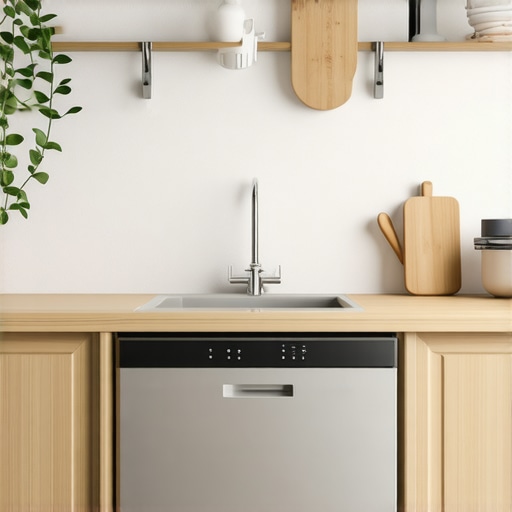
It happened again. I was rushing to finish dinner prep when I noticed that telltale puddle forming beneath my dishwasher. Not just a small drip—an ever-expanding pool that threatened my kitchen floor. Turns out, that sneaky leak at the corners was my home’s silent alarm, signaling my appliance’s aching need for some attention. Like many homeowners, I learned the hard way that a seemingly minor leak can lead to costly repairs if left unchecked. But here’s the good news: with a few practical tips, I’ve managed to keep those leaks at bay, and I want to share this journey with you.
Why Corner Leaks Are More Than Just a Mess
Leaking at the corners of your dishwasher isn’t just an annoyance; it can cause water damage, mold growth, and even compromise your home’s foundation if ignored. The edges are often the first spots where seals and gaskets wear out or where connections loosen over time. Recognizing the importance of addressing these early signs can save you from hefty repairs down the line. Moreover, modern appliances are becoming smarter, so staying ahead of potential issues is more manageable than ever. According to recent industry insights, up to 30% of water damage claims associated with home appliances are due to leaks in dishwashers and refrigerators caused by worn components (source). Understanding these risks motivates us to maintain our appliances diligently.
Have you ever experienced a sudden leak that caught you off guard? If so, you’re not alone, and I assure you there’s a straightforward way to tackle it. Early on, I made the mistake of assuming that a little leak couldn’t cause much harm—until I faced soaked floors and costly repairs. Trust me, prevention is better than cure, and the key lies in knowing how to identify and fix the common causes of corner leaks.
In the upcoming sections, I’ll walk you through my personal tips, revealing how you can stop those leaks from turning into household disasters. Whether it’s replacing worn seals, tightening loose connections, or understanding your appliance’s quirks, this guide will help you keep your dishwasher—and your home—dry and happy. Ready to become your own appliance hero? Let’s dive into the practical steps that real neighbors like us are using to keep our kitchens safe and spotless.
Inspect the Seals and Gaskets
Start by unplugging your dishwasher and removing the lower rack to access the door seal. Using a flashlight, examine the rubber gasket around the door for cracks, tears, or dirt buildup. I once cleaned mine with a soft cloth and soapy water, and it immediately resealed better, stopping a leak that had caused my kitchen to flood during heavy wash cycles.
Replace Worn or Damaged Seals
If you notice cracks or hardened rubber, purchase a replacement gasket from your manufacturer or an authorized parts dealer. For example, I found a compatible gasket on the manufacturer’s website, which was straightforward to install following their tutorial. This minor investment prevents water from seeping at the corners and keeps your floor dry.
Tighten Connections and Clamps
Check the connection points of hoses and the door latch. Often, loose clamps or screws allow water to escape, especially at the corners. Use a screwdriver to tighten any loose screws or clamps. During my last fix, tightening the door latch screws reduced the puddle significantly, preventing further leaks during the cycle.
Test for Proper Door Closure
Ensure the door closes fully and latches securely. Misalignment causes gaps where water can escape. If the latch is bent or misaligned, gently straighten or adjust it. I had to realign my door latch by loosening the hinges slightly, which improved the seal and eliminated leaks.
Check for Obstructions or Damage in the Drain System
A clogged or damaged drain pump can cause water backflow, leaking at the corners. Disconnect the drain hose and inspect for kinks or debris. I once cleared out a blockage in the drain pump, and my leak stopped instantly, saving me from expensive repairs later.
Utilize Smart Monitoring for Leak Detection
Modern smart dishwashers can alert you to leaks before they cause damage. Connecting your appliance to a smart home system enables real-time notifications. I linked mine to my smartphone, receiving an alert when a minor leak started, allowing me to address the issue promptly before it worsened. Learn more at this guide.
Many homeowners believe they understand their appliances, but in reality, several misconceptions can lead to costly mistakes. For instance, a widespread myth is that all water leaks at the corners of dishwashers are caused solely by overt damage. In truth, minor misalignments or worn seals often go unnoticed but can cause significant leaks over time, emphasizing the importance of regular inspections. Similarly, many assume that modern refrigerators require less maintenance, but neglecting routine cleaning of coils and seals can reduce efficiency and lifespan. Overestimating the durability of appliance components may result in delayed repairs, leading to more extensive damage.
A common advanced mistake is ignoring the role of smart technology integration in preventing issues. Many users overlook setting up leak detection features or firmware updates, which can alert you to problems before they escalate. As highlighted by industry experts, failing to leverage these intelligent features can negate the benefits of smart appliances, often leading to preventable damage and higher energy costs.
Ever heard that simply cleaning a gasket or tightening a clamp will fix a leak permanently? This oversimplification can backfire, as underlying issues like worn-out gaskets or faulty valves might require component replacement. Relying solely on temporary fixes can worsen the problem, causing more expensive repairs later.
Furthermore, many believe that process noise levels are purely aesthetic concerns. However, excessive noise can indicate loose components or motor issues that, if unaddressed, might lead to mechanical failure. Regular maintenance checks can catch these nuances early.
To optimize your appliance care, recognize that modern home devices are intricate systems. Keeping firmware up-to-date, understanding advanced features, and performing proactive maintenance are vital. For example, smart dishwashers equipped with leak sensors and diagnostics can save hundreds in potential repairs, as reviewed in the latest expert guides.
By challenging these myths, you can avoid common pitfalls and extend the life of your appliances. Have you ever fallen into this trap? Let me know in the comments and share your experiences. Staying informed is key to smart home management!Maintaining your home appliances, from dishwashers to refrigerators, requires more than just occasional cleaning. Investing in the right tools and adopting methodical approaches can significantly extend their lifespan and efficiency. One of my go-to essentials is a high-quality multimeter. I use mine to routinely check the electrical connections of appliances, ensuring that wiring and fuses are intact, preventing unexpected failures. For instance, a digital multimeter helps me verify if the heating element in my dishwasher is functioning correctly, which I do monthly to catch potential issues early. Additionally, I swear by a good gasket scraper and silicone lubricant. Regularly inspecting and lubricating door seals prevents leaks and maintains airtightness, ultimately saving energy and preventing water damage.
How do I maintain my appliances over time?What I Wish I Knew Before My First Leak
One of the most eye-opening lessons I learned was that not all leaks are created equal—those at the corners of my dishwasher hid deeper issues that, if ignored, could have led to costly repairs. Recognizing early signs and understanding the subtle signs of wear saved me both time and money, proving that a vigilant eye is your best defense against water damage.
How Tiny Seals Make Big Differences
Replacing a worn gasket may seem minor, but it’s often the key to keeping your kitchen dry. I discovered that investing in high-quality seals and maintaining them regularly prevents the small issues from becoming household disasters. It’s a simple step that offers a significant payoff in longevity and peace of mind.
Smart Tech: Your Hidden Ally in Leak Prevention
Integrating leak detection features into your appliances transforms how you manage potential mishaps. Linking my dishwasher to a smart home system enabled real-time alerts, letting me act before a leak could cause real damage. Reviewing the latest innovations (here) showed me that future-proofing my home is easier than ever and crucial for proactive maintenance.