
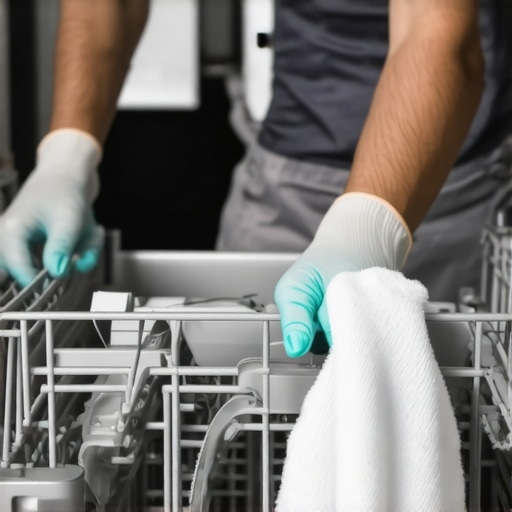
It was a Saturday morning, and I was about to serve breakfast. As I loaded my dishwasher, I noticed a lingering smell betraying my usual confidence in its cleanliness. Curious, I peeked beneath the racks—and was met with a grim sight: a thick layer of greasy grime and trapped food particles clogging the filter. Suddenly, I remembered the last time I cleaned it; I had scrunched my fingers into the gunk, feeling like I’d just signed up for a hand-cramp marathon. That real-world struggle—that lightbulb moment—made me realize many of us avoid this simple task because of a common fear: getting our hands dirty.
Why Cleaning Your Dishwasher Filter Matters More Than You Think
Dirty filters don’t just cause unpleasant odors. They significantly impact your dishwasher’s performance, energy efficiency, and even the longevity of the appliance. A clogged filter means your dishes might come out less than spotless, and over time, this grime can build up into mold or bacteria, potentially affecting your health. Yet, many homeowners shy away from cleaning these filters because the process often involves reaching into a greasy mess, risking dirty hands and frustration. As someone who has faced this dilemma firsthand, I want to share a method that keeps your hands clean while doing a thorough job.
Is It Really Worth the Effort, or Just a Fancy Kitchen Tip?
I admit, I made a sneaky mistake early on—I underestimated the importance of regular filter maintenance. I thought, “It’s just a small part; I can skip a few months.” But neglecting it led to worse odors, poor cleaning, and eventually, a complete cleaning overhaul. Once I started paying closer attention, I discovered that a simple, hands-free cleaning approach turned this chore from a dreaded task into a quick routine. If you’re skeptical—believe me—skipping this step can make your dishwasher work twice as hard. Trust me, I’ve been there, and I know how frustrating it can be. For more insights on how modern appliances thrive with regular care, check out [this expert advice on water-saving washing machines](https://smartappliancereview.com/washing-machines-that-save-water-expert-advice-for-2025).
As we delve into the practical side, I’ll show you how to clean your dishwasher filter efficiently, avoiding the gooey mess—and yes, without getting your hands dirty. Ready to make this simple task a breeze? Let’s get started.
Prepare Your Workspace and Tools
Start by gathering your supplies: a soft brush or old toothbrush, a microfiber cloth, a small bowl of warm water, and mild dish soap. Clear the area around your dishwasher to give yourself ample space and minimize mess. Wearing gloves can also help keep your hands clean and protect your skin from grime.
Locate and Remove the Filter
Most dishwasher filters are positioned at the bottom of the unit, directly beneath the spray arm. To access it, open the dishwasher door and remove the lower rack to give yourself room. Turn the filter counterclockwise to unscrew and lift it out—think of it as unscrewing a jar lid, but with a little more grime involved. During my first attempt, I found a stubborn filter that required a firm but gentle twist, and some patience—since adhesive residues from grease can cause it to stick.
Soak and Loosen Grease
Immerse the filter in warm, soapy water for about 10 minutes. This step helps loosen the accumulated grease and food particles, making removal easier. I once skipped this part and ended up splattering grease onto my countertop—soaking is worth the extra effort. Use your brush to scrub away any remaining grime, paying close attention to small crevices. Remember, gentle scraping prevents damage to the filter’s mesh or plastic components.
Clean Other Components
While the filter is soaking, check the area where it sits for debris—tiny food bits or hair can clog the pump or spray arm. wipe the surrounding area with a microfiber cloth to keep your dishwasher performing optimally. Think of it as cleaning the lint trap in your dryer; a little upkeep improves functionality everywhere.
Reassemble the Filter and Test
Once scrubbed and rinsed, dry the filter thoroughly and screw it back into place, turning clockwise until it clicks. Replace the lower rack, then run a short cycle without dishes to ensure everything is correctly installed. After I followed this routine, I immediately noticed my dishes looked cleaner, and the smell from the dishwasher disappeared—proof that a simple filter cleaning can make a big difference.
Establish a Regular Cleaning Routine
To avoid the accumulation of grime, schedule filter checks every one to three months. Think of it like changing oil in a car—regular maintenance keeps your appliance running smoothly. Automating reminders through your phone or a household calendar can help you stick to this easy schedule, ensuring pristine dishes and prolonged dishwasher life.
Many homeowners believe they understand their appliances thoroughly, but recent studies reveal widespread misconceptions that can lead to costly mistakes. One common myth is that all smart appliances automatically optimize themselves, when in reality, many require manual updates and proper maintenance to perform at peak efficiency. For example, skipping firmware updates on your smart refrigerator can leave it vulnerable to glitches and reduce energy savings, as highlighted in an industry report on smart home devices.
Another misconception is that high-end appliances are always better, but sometimes cheaper models with proper care outperform premium units, especially if the latter are not correctly installed or maintained. For instance, a poorly calibrated washing machine, regardless of brand, can waste water and energy, emphasizing the importance of understanding advanced features and their correct usage.
Many users also underestimate the potential for technical issues caused by even minor user errors. For example, overusing detergent in a dishwasher not only causes residue buildup but can also damage the spray arms over time. A recent expert guide warns that improper loading and excessive cleaning agents are among the leading causes of appliance malfunction.
To avoid these pitfalls, it’s vital to stay informed about the latest features and maintenance practices. For advanced users, questioning how specific technologies work can lead to better decisions. For instance, have you ever wondered why your smart washing machine sometimes takes longer despite a quick cycle setting? The answer often involves complex energy-saving algorithms that adapt washing times based on load weight and fabric type, as explained in a recent technical review.
Misunderstandings about appliance capabilities can also cause frustration. For example, many believe that refrigerators with door-in-door features automatically reduce energy consumption. However, if not used properly—like leaving the door open too long—the energy savings are negated. Proper usage and understanding of these features are crucial to realizing their benefits.
Avoid falling into these traps by regularly consulting expert advice and manufacturer guidelines, such as those found in comprehensive guides on selecting the best dishwasher or refrigerator. Remember, the key lies in informed maintenance and smart operation, not just hardware sophistication.
Next time you consider upgrading or troubleshooting your appliances, ask yourself: Am I leveraging all their advanced features correctly? Staying educated on these nuances can save money and extend the lifespan of your home technology. Have you ever fallen into this trap? Let me know in the comments.
Investing in the Right Equipment Keeps Your Appliances Running Smoothly
Maintaining home appliances, especially smart units like refrigerators and dishwashers, demands more than occasional cleaning. Having the right tools and understanding their use can significantly extend the lifespan of your devices. I personally swear by a high-quality multi-tool kit that includes a screwdriver with various heads, needle-nose pliers, and a digital multimeter. These enable me to perform routine checks and minor repairs without calling in a technician. For example, when my smart fridge’s touchscreen flickered, I used a multimeter to verify power supply stability before proceeding with a firmware update, which I found essential from this expert guide. Implementing proper tools means avoiding unnecessary expenses and downtime.
Should I invest in specialized diagnostic software for my appliances?
Absolutely. Especially for smart appliances, diagnostic apps can identify issues early, track usage patterns, and even suggest maintenance schedules. For example, smart dishwashers equipped with AI technology utilize built-in sensors to detect blockages or leaks. Keeping their firmware updated via manufacturer-provided software ensures they operate efficiently. In the future, I predict that integration between diagnostic apps and voice assistants will make troubleshooting even more intuitive, allowing you to receive real-time alerts and step-by-step fixes on your smartphone. For a comprehensive review of current tools, visit this resource.
How do I keep appliances functioning well over time?
Consistency is key. Schedule regular maintenance sessions—every three months for filters, seals, and accessible parts—and use recommended cleaning agents. Personally, I set reminders on my digital calendar and keep a log of each session. Moreover, using OEM-approved replacement parts preserves warranty coverage and maintains performance. For refrigerators, periodic defrosting and cleaning condenser coils contribute to energy efficiency and longer lifespan. Trend predictions indicate that AI-driven self-diagnostics will become standard, reducing manual oversight, but until then, proactive maintenance remains vital.
Try this advanced tip: Automate your appliance checks with smart home systems
Integrate IoT-enabled appliances into your home automation setup to receive alerts about potential issues before they escalate. For example, linking your refrigerator to a smart hub can notify you if the internal temperature rises unexpectedly, hinting at a faulty sensor or compressor problem. To get started, consult this guide for setup tips. Taking this step empowers you to address minor glitches early, saving money and avoiding inconvenient breakdowns.
What I Wish I Knew Before Jumping Into Appliance Repairs
One of the biggest lessons I learned was the importance of understanding the inner workings of my smart appliances. Instead of treating them as black boxes, I started reading manuals and expert guides, which empowered me to troubleshoot more effectively. This knowledge prevented unnecessary repairs and extended the lifespan of my devices.
Why Ignoring Routine Checks Can Cost You More
I used to overlook regular maintenance, believing it wasn’t urgent. However, neglecting small tasks like filter cleaning or coil dusting often led to performance issues and costly repairs down the line. Regular care, even if it’s simple, saves time and money in the long run.
How DIY Fixes Changed My Appliance Care Approach
Trying to fix issues myself initially felt risky, but with proper research and care, I gained confidence. Small fixes—like cleaning a clogged drain or replacing a malfunctioning sensor—became opportunities to learn and prevent service calls. Just ensure to consult trusted resources and follow safety guidelines.
Curated Resources That Make Maintenance Easier
- Smart Appliance Review Guides: Their comprehensive articles help decode complex features and troubleshooting tips, making maintenance less daunting.
- Manufacturer Support Websites: Official manuals and firmware update instructions ensure you’re performing safe and correct procedures.
- Trusted How-To Video Channels: Visual guides on tasks like filter cleaning or connector replacement boost confidence and accuracy.
- Online Forums and Communities: Sharing experiences with fellow appliance owners provides practical advice and moral support during DIY repairs.
Push Your Appliance Care Beyond Routine—Be Proactive
The journey to mastering home appliance maintenance is ongoing. Embrace continuous learning, stay curious about your devices, and don’t hesitate to undertake careful DIY repairs. Taking these steps turns chores into empowering routines and transforms your relationship with your home technology.
What’s the one maintenance task you’ve always hesitated to try? Share your thoughts below, and let’s learn together!
,