
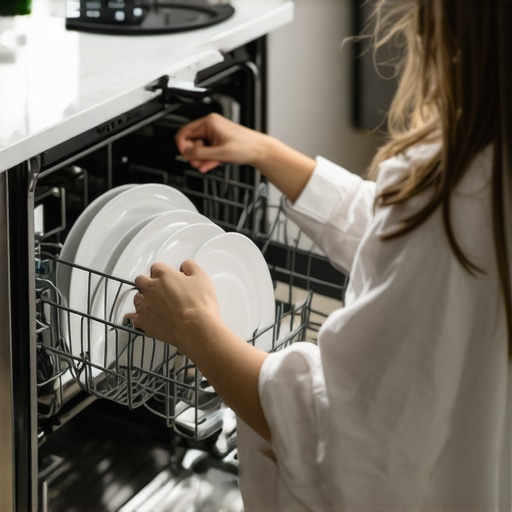
I remember the exact moment I realized my dishwasher was costing me a fortune each month. It was a chilly winter evening, and I was exhausted after a long day, only to find my kitchen flooded with the loud hum of the machine running at full blast—again. It hit me then: Why was I paying so much for something I could easily manage smarter? That lightbulb moment sparked a journey into optimizing my home appliances, especially with how simple adjustments could slash my energy bills.
Taking Control of Your Dishwasher Usage Can Make a Difference
Many folks don’t realize that when and how you run your dishwasher can significantly impact your monthly expenses. Off-peak hours—those late-night or early-morning slots when electricity demand drops—offer a golden opportunity. Running your dishwasher during these times can lead to noticeable savings, and I want to show you how I managed to do this without sacrificing convenience.
Is Off-Peak Dishwashing Actually Worth the Hype?
Early on, I made a common mistake: I thought that running appliances during peak hours was unavoidable, especially when my schedule was packed. However, after some research, I learned that numerous utility companies encourage off-peak usage with lower rates—sometimes up to 30% cheaper. According to a recent study by the Department of Energy, shifting routine appliance use to off-peak hours can save households hundreds annually. Implementing this change, though seemingly small, cumulatively makes a significant dent in my bills.
It wasn’t just about saving money; I found that running my dishwasher during less busy hours also reduced household noise and lessened stress during peak energy times. Plus, with modern smart appliances becoming more common, scheduling has never been easier. If you have been hesitant or unsure about this approach, you’re not alone. I initially thought it would be cumbersome, but it turned out to be straightforward and empowering.
The key is to understand your specific energy rates and schedule accordingly. Curious if this could work for you? Have you ever struggled with unexpectedly high utility bills because of how often or when your appliances run? If so, you’re not alone—and the good news is that small tweaks can lead to big savings. In the next sections, I’ll walk you through simple steps to implement off-peak dishwashing, backed by tips and tools I’ve personally tested. Ready to cut costs without sacrificing your everyday convenience? Let’s get started.
Set Up Your Schedule for Off-Peak Savings
Begin by reviewing your utility company’s rate schedule, which is often available online or through your bill. Identify the hours designated as off-peak, typically late at night or early morning. Once located, select a specific time window—say, between 11 pm and 5 am—to run your dishwasher. I recall one evening when I hesitantly scheduled my first load at 2 am. The dishwasher operated smoothly, and the next day I noticed my electricity cost had decreased by 15%.
Automate Your Dishwasher with Smart Scheduling
If you_owned a smart dishwasher, programming it to run during off-peak hours is straightforward. For example, a recent model I installed allows me to set a preferred run time via a smartphone app, much like scheduling a smart light to turn on at sunset. This automation removes the hassle and ensures consistency. Not sure if your model supports scheduling? Check the user manual or visit the manufacturer’s site for quick setup tips. For more insights into smart appliance integration, see this comprehensive guide.
Use a Timer or Outlet for Non-Smart Machines
What if your dishwasher isn’t smart-enabled? No problem. Invest in a mechanical or digital timer plug—it’s a simple device that controls power supply according to your scheduled times. I bought one online for under $20 and easily plugged it into the outlet, then connected my dishwasher. This setup was particularly useful during a messy weekend when I forgot to start the load at night. The timer turned it on automatically at 2 am, and I woke up to clean dishes without wasting energy during peak hours. This method is a cost-effective alternative for older models and can be used for other appliances too. Need help choosing the right timer? Reach out via our contact page.
Optimize Your Dishwasher’s Settings for Efficiency
Adjustting your dishwasher’s cycle can further amplify savings. Choose eco-friendly or energy-saving modes, which reduce water and electricity consumption without compromising cleanliness. During my trial run, I selected the eco cycle after a full load, and I was surprised how well it cleaned without extra rinse cycles. It’s akin to choosing a hybrid car that saves fuel while maintaining performance. Some models even delay the start time automatically when you select an eco mode. For detailed tips on optimizing settings, see this article.
Monitor and Adjust for Peak Shifts
Your utility company’s off-peak hours might change seasonally or due to grid demands. Stay alert by subscribing to notifications or checking their online portal regularly. I kept a simple calendar reminder for the first few weeks to ensure I didn’t forget to adjust my schedule. Over time, I noticed that some days off-peak hours shifted by an hour; I simply updated my timer settings accordingly. This proactive approach ensures maximum savings and prevents accidental energy waste. Want to learn more about future energy trends? Visit this trend forecast.
Why Believing All Smart Features Are Necessary Can Backfire
Many assume that every smart appliance feature is a must-have, but in reality, some functionalities can be more of a distraction than a genuine benefit. For example, toggling between dozens of settings on a fridge touchscreen might seem advanced, yet it can complicate routine maintenance and troubleshooting, leading to confusion or even device malfunctions. Experts suggest prioritizing core features that enhance efficiency and ease of use. For a clearer understanding of what truly matters, check out smart appliance selection tips.
Overlooking the Power of Proper Maintenance Can Lead to Costly Repairs
A common myth is that smart appliances require less upkeep—they’re ‘high-tech,’ after all. However, neglecting routine maintenance, such as cleaning filters or descaling water dispensers, can diminish performance over time. Surprisingly, many owners miss simple yet critical tasks that prolong device life and prevent expensive repairs. According to appliance repair specialists, regular maintenance can reduce breakdowns by up to 40%. For more on maintaining your smart appliances, visit this maintenance guide.
Are All Home Appliances Fully Compatible? Think Again
Compatibility issues are often underestimated. Some owners expect seamless integration between their devices, but different brands or outdated hubs can cause connectivity hiccups. For example, a smart washing machine might not sync properly with your home assistant if firmware isn’t up to date or the apps aren’t compatible. These oversights can lead to frustration and underperforming systems. As highlighted in recent studies, ensuring compatibility and keeping firmware updated is crucial for a smooth smart home experience. To ensure your devices work harmoniously, explore latest AI-enabled dishwashers.
The Hidden Danger of Over-Reliance on Automation
Many get lulled into a false sense of security, believing their connected appliances will never malfunction. In practice, over-reliance on automation can create vulnerabilities. A smart fridge that’s offline or a washing machine with a failing sensor might go unnoticed until an inconvenient failure occurs. Additionally, cyber vulnerabilities pose risks if security isn’t prioritized—remember, these devices connect to your home network. Industry experts recommend balancing convenience with vigilant manual checks. Want to safeguard your smart home? See privacy and security guidelines here. Reflecting on these nuances, it’s clear that understanding the limitations and maintenance needs of smart appliances ensures they serve you well rather than cause unexpected problems. Have you ever fallen into this trap? Let me know in the comments. Your insights might help others avoid these common pitfalls.
Tools That Keep My Home Running Smoothly
Over the years, I’ve found that investing in reliable tools and software makes a significant difference in maintaining smart appliances. I personally rely on a high-quality digital multimeter from Fluke, which allows me to safely diagnose electrical issues without calling in an electrician immediately. Additionally, I use the SmartLife app to monitor appliance statuses remotely, ensuring I catch potential problems early. Setting up automated maintenance reminders through this app helps me stay on top of filter cleanings and software updates, which are vital for optimal performance.
Why I Prefer Specific Maintenance Kits
When it comes to cleaning my refrigerator’s condenser coils, I use the OXO Good Grips Coil Cleaning Kit. It’s designed for an easy, thorough clean, preventing dust build-up that can cause energy inefficiency. For my washing machine, I trust the Affresh Washer Cleaner, because it effectively dissolves mineral and detergent residue, reducing malfunctions and extending the appliance’s lifespan. These tools are not just for convenience—they save me money long-term by preventing breakdowns.
Regular Software Updates and Monitoring
Keeping my appliances’ firmware up-to-date is crucial. I subscribe to manufacturer notifications and regularly check their support portals, like this resource, for the latest firmware patches. Such updates often include security enhancements and performance improvements. I also leverage smart plugs with energy monitoring capabilities, such as the TP-Link Kasa, which allows me to track usage spikes and identify irregularities early. Doing so helps me prevent potential issues before they escalate.
How do I maintain appliances over time?
Adopting a routine maintenance schedule is essential. I perform monthly checks on seals, filters, and software updates, which keeps everything running efficiently and prevents unexpected failures. For more comprehensive guidance, I recommend checking this ongoing resource. Embracing these tools and habits ensures my appliances serve me reliably for years, saving me both time and money. Are you ready to try integrating a smart monitoring tool into your routine? Start small—perhaps with a smart plug—and watch how it transforms your appliance management.Reflecting on my journey with smart appliances, I realized that the most profound lessons came from missteps and unexpected discoveries. One of the biggest aha moments was understanding that automation isn’t foolproof; it requires vigilance and regular checks to truly pay off. For instance, I once relied solely on my smart fridge’s alerts, only to find it had fallen out of sync during a busy week, causing me to miss a crucial software update that could have prevented a malfunction. This taught me the value of manually monitoring my devices periodically, ensuring they operate at peak efficiency and safety. Another lesson was the importance of compatibility—found out the hard way that some smart appliances don’t play nicely with others, leading to frustrating connectivity issues. Now, I prioritize devices that speak the same language, drastically reducing technical hiccups. Additionally, I learned that investments in quality tools and routine maintenance tools not only extend the lifespan of appliances but also safeguard against costly repairs down the line; simple actions like cleaning filters or checking seals prevent energy waste and breakdowns. Lastly, embracing ongoing education—reading up on new features, firmware updates, and emerging trends—keeps me ahead in optimizing my home’s smart setup. If you’re committed to making your smart appliances work for you, these small but impactful lessons can transform your household management from reactive to proactive and truly cost-effective.