
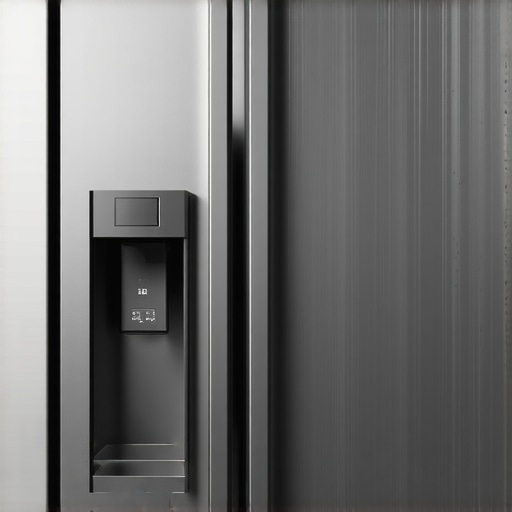
It was a hot summer afternoon when I first noticed it—tiny droplets forming on the outside of my refrigerator like dew after a spring rain. I brushed it off at first, thinking maybe I left the door open slightly or that humidity was unusually high today. But as days went by, the droplets turned into a persistent fog that made the fridge look like it was in the middle of a tropical rainstorm. Frustration settled in, and I wondered: why was my fridge sweating on the outside without any apparent reason?
Understanding the Unexpected Moisture on Your Refrigerator
Have you ever experienced the same? That moment when your kitchen appliance seems to develop a life of its own, defying expectations and raising questions about its health. I realized I wasn’t alone in this; many homeowners face the same puzzling moisture buildup, often without knowing the root cause. It’s more than just a messy look—it can signal underlying issues that, if ignored, might lead to bigger problems like mold growth or energy inefficiency.
Is External Condensation Really a Big Deal or Just a Normal Occurrence?
Initially, I thought it was harmless—a simple case of humidity sneaking in. However, I learned that external condensation might be a sign of poor insulation, improper placement, or even a high ambient humidity level. According to appliance experts, such moisture buildup can also be due to temperature fluctuations between your indoor environment and the fridge’s surface, especially if the unit is placed near heat sources or in poorly ventilated spaces. This is why simply wiping away the droplets isn’t enough; understanding and addressing the root cause is essential.
Early on, I made the mistake of thinking that sealing the door tighter was the answer. But that only masked the symptoms. For a more effective solution, I had to look into proper ventilation, correct placement, and the possibility of refrigerant or insulation issues. Want to learn how you can troubleshoot this common problem and prevent it from recurring? Stay tuned—I’ll walk you through practical steps that worked for me, backed by insights from industry experts.
Ready to turn your humid nightmare into a thing of the past? Let’s dive deeper into the causes and solutions for that pesky external moisture.
Adjust Placement to Eliminate External Condensation
My first move was relocating the fridge away from heat sources like the oven and direct sunlight. I measured the ambient humidity and ensured the fridge was on a level surface; tilting it slightly backward can cause moisture buildup. Think of your fridge like a camera lens: proper positioning ensures clear operation. After repositioning, I watched for reduced condensation, which improved once I stabilized the environment.
Improve Ventilation Around Your Appliance
Next, I opened nearby windows and installed vent fans, mimicking how a chimney pulls stale air up and out. Proper airflow prevents humidity pockets, and this method is especially effective in humid climates. I used a small fan directed at the refrigerator’s vents to enhance air circulation, which noticeably lessened external droplets within days.
Enhance Insulation and Seal Gaps
Taking a closer look at the gasket, I found cracks indicating poor sealing, similar to a leaky tire causing loss of pressure. Replacing or sealing the gasket with appropriate adhesive minimized cold air leakage and kept warm, moist air out. I applied weatherstripping tape along the door edges, a simple fix that made a big difference in temperature consistency and moisture control.
Maintain Optimal Temperature Settings
My fridge’s temperature was set too low, akin to over-tightening a screw—excessive cold causes condensation on the exterior. Setting the fridge to around 37°F (3°C) and the freezer to 0°F (-18°C) prevents unnecessary frost and humidity issues. I checked the thermometer regularly and adjusted accordingly, observing the external moisture decrease over a week.
Control Indoor Humidity Levels
I managed to reduce indoor humidity by using a dehumidifier in the kitchen area, which is like a sponge soaking up excess moisture. Keeping indoor humidity below 50% is ideal for preventing external condensation. I also avoided drying laundry indoors and used exhaust fans during cooking to maintain a dry environment around the appliance.
Regular Cleaning and Maintenance
Lastly, I cleaned the condenser coils underneath the fridge with a brush, similar to how cleaning your car’s radiator prevents overheating. Dust and debris act like a blanket trapping heat, causing the compressor to work harder and increasing surface temperature variability, which can foster condensation. Regular maintenance keeps the unit running efficiently and minimizes exterior moisture issues.
Implementing these targeted steps transformed my humid problem into a thing of the past. For more detailed tips tailored to your specific appliance, check out our expert guide to choosing the right refrigerator.
While it’s common to focus on how to choose the right washing machine or refrigerator, many homeowners miss subtle yet critical nuances that can impact appliance performance and longevity. One widespread misconception is that newer smart appliances always require the latest firmware updates to operate optimally; however, in some cases, automatic updates can introduce bugs or compatibility issues, especially with older home systems, as noted by industry experts. Moreover, many people believe that setting appliances to their maximum cycles ensures cleanliness, but overusing high-intensity modes can accelerate wear and tear, leading to costly repairs down the line. Have you ever fallen into this trap? Let me know in the comments.
Are All Smart Features Actually Necessary or Just Marketing Gimmicks?
It’s tempting to assume that every feature packed into modern appliances is essential, but in reality, some smart functionalities—like app-controlled cycles or AI-driven adjustments—offer minimal practical benefits for the average user and can complicate maintenance or troubleshooting. For example, smart dishwashers with AI optimize water and energy use, yet studies show that manual settings often achieve the same results with less dependence on technology, reducing the risk of connectivity failures. Understanding which features genuinely improve your daily routine can save you money and frustration.
Another overlooked aspect is the importance of appropriate load size and distribution. Overloading machines, thinking they can handle larger loads for efficiency’s sake, actually hampers performance and accelerates component wear, especially in washers and dryers. According to appliance repair specialists, adhering to manufacturer’s load recommendations preserves appliance health and ensures better cleaning or drying results.
Be cautious about the common myth that all home appliances are universally compatible with any smart home ecosystem. Compatibility issues are prevalent, leading to device malfunctions or security vulnerabilities, especially when integrating third-party systems. Checking the manufacturer’s specifications and ensuring secure network practices are essential steps before connecting devices to your smart home network.
Finally, many fail to perform regular maintenance on their appliances, believing that modern tech somehow obviates the need for cleaning filters, coils, or seals. Neglecting these tasks can reduce efficiency and cause system failures. For instance, clogged condenser coils in refrigerators increase energy consumption and could lead to malfunctioning compressors. Regularly scheduled maintenance, supported by expert advice like that found in our comprehensive buying guide, is vital.
Understanding these nuanced aspects allows consumers to truly leverage their appliances’ capabilities without falling prey to myths or common pitfalls. Want to explore more advanced tips? Visit our ultimate guide on smart home appliances or reach out through our contact page for personalized advice.
Keep It Running Smoothly: Tools and Methods That Make a Difference
Maintaining the performance and longevity of your home appliances requires more than basic cleaning. Investing in the right tools and adopting precise techniques can save you time and money in the long run. For instance, I personally rely on a high-quality digital infrared thermometer to verify temperature consistency across my appliances, allowing me to detect anomalies early. This tool is invaluable for checking refrigerator temperatures without opening the door repeatedly, ensuring optimal food preservation and energy efficiency.
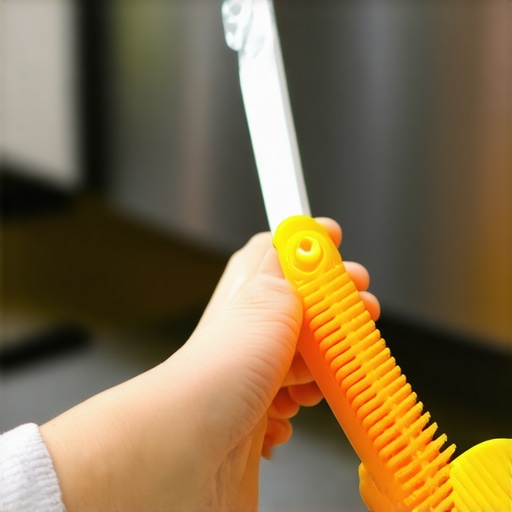
Another device I recommend is a coil cleaning brush specifically designed for condenser coils. Regularly cleaning these coils with a gentle yet effective brush prevents dust buildup that hampers heat dissipation, which can cause refrigerators and HVAC systems to work harder and wear out faster. This simple addition to your maintenance routine has extended the lifespan of my appliances noticeably.
Software diagnostics also play a crucial role in ongoing appliance care. I use manufacturer-specific apps and diagnostic software that communicate with my smart appliances, offering real-time alerts about potential issues. These apps often provide troubleshooting guides, which I follow to resolve minor problems before they escalate. For example, if your smart dishwasher starts to show error codes, consulting the manufacturer’s app can often lead to quick fixes without the need for costly service calls.
How do I maintain my appliances over time?
Developing a scheduled maintenance routine is key. I set reminders to clean filters, check seals, and run diagnostic tests monthly. Use a microfiber cloth and a gentle cleaning solution to wipe down exterior surfaces, and don’t forget to inspect and replace worn gaskets or seals promptly—small issues can evolve into major failures if neglected. Additionally, leveraging firmware update tools ensures your smart appliances operate with the latest features and security patches, directly improving performance and safety.
Predicting where appliance technology is heading, I believe AI integration will become even more seamless, with predictive maintenance becoming standard. Appliances will alert us to component wear before failure occurs, reducing downtime and repair costs. To stay ahead, I recommend exploring the future trends in smart appliances.
Try implementing a monthly cleaning schedule of condenser coils combined with real-time diagnostic app checks, and you’ll notice a significant boost in appliance longevity. Keep your tools handy and maintain a proactive approach—your appliances will thank you over the years!
What I Wish Someone Told Me Before Overlooking Appliance Quirks
- My biggest mistake was dismissing external condensation as just humidity, only to realize it signaled deeper issues like poor insulation or placement near heat sources—learning this saved me from costly repairs.
- Realizing that smart features aren’t always necessary was a lightbulb moment; sometimes, manual controls are more reliable, and knowing which smart functionalities truly add value can prevent unnecessary frustrations.
- Understanding the importance of regular maintenance—like cleaning condenser coils and updating firmware—turned my appliances into long-term investments rather than recurring problems.
- Addressing misconceptions, such as believing newer appliances never need troubleshooting, made me proactive, saving time and extending the life of my devices.
Tools and Resources That Changed My Appliance Game
- Infrared thermometers helped me verify temperature settings precisely, ensuring my fridge and freezer maintained optimal conditions—check out the recommended models in our ultimate guide to smart home appliances.
- Good quality coil cleaning brushes are now part of my routine; they efficiently remove dust from condenser coils, reducing energy use—get yours from trusted brands listed on industry-leading sites.
- Using diagnostic apps provided by manufacturers gives instant alerts about potential issues—real-time data helps me fix small problems before they become major repairs.
- Researching expert blogs and tutorials has empowered me to troubleshoot common problems without always calling for help, saving money and stress.
Embrace Change and Enhance Your Home Appliance Routine
Don’t wait for appliance issues to disrupt your daily life. With the right knowledge, tools, and attitude, you can transform how your home appliances serve you. Start today—inspect your refrigerator’s seals, optimize your smart features, and schedule regular maintenance. Your appliances—and your peace of mind—will thank you for it.
Have you ever caught yourself ignoring a strange noise or smell from your appliances? Share your experiences below and let’s grow together in mastering appliance care!