
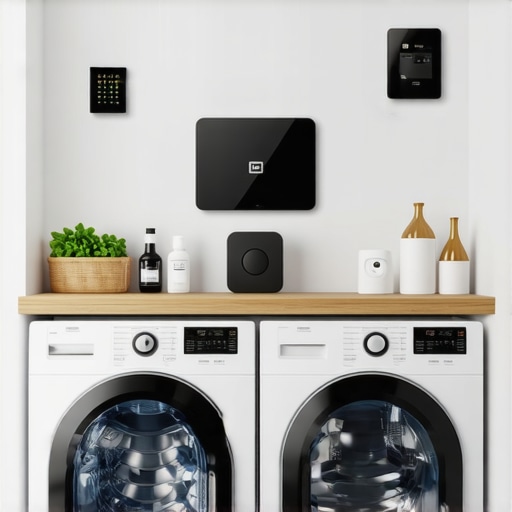
One rainy Saturday, my washing machine refused to start, and I realized I’d forgotten to turn off my phone’s Bluetooth, which somehow blocked the connection to my smart home hub. Talk about a home tech fail! That frustrating moment lit a fire under me to better understand how to make my laundry room work seamlessly with my smart home ecosystem.
Harmonizing Laundry Days with Smart Tech: What’s in It for You?
Integrating your laundry room appliances into your smart home hub isn’t just about bragging rights or fancy gadgets. It’s about transforming a tedious chore into a streamlined, smarter process. Imagine getting alerts when your wash cycle is done, remotely starting your machine while you’re still at work, or even diagnosing issues before they turn into costly repairs. These conveniences save time, reduce stress, and can even help you cut down on water and energy use, as discussed in this guide on water-saving washing machines.
Is It Really Worth the Hype, or Just Hype?
Early on, I made the mistake of assuming that all smart appliances would connect smoothly without much fuss. Spoiler alert: that’s not always true. My initial setup was riddled with glitches, causing more frustration than convenience. Like many, I underestimated the importance of proper network configuration and overlooked compatibility issues. Trust me, taking the time to understand the essentials makes a huge difference. If you’re unsure, don’t worry—I’ve got you covered with step-by-step guidance to avoid common pitfalls and ensure your laundry appliances sync flawlessly with your hub.
Prepare Your Network and Devices
Start by ensuring your Wi-Fi network is robust and all your smart appliances, including your washing machine, are compatible with your home hub. Think of your network as the backbone of a city; without a strong foundation, everything collapses. Review the manufacturer’s instructions and check their compatibility with your hub on this comprehensive guide.
Connect the Appliances to Power and Internet
Plug in your washing machine and connect it to your Wi-Fi network following the device-specific setup process. For example, most smart washers have a built-in Wi-Fi button—press it to enable pairing mode. Think of this as tuning a radio; the device has to be in the right frequency to communicate. I once manually entered Wi-Fi details into my machine’s app, but then discovered a ‘setup only’ mode that simplified the process—saving me from a frustrating night of trial and error.
Activate and Configure the Smart Features
Download the corresponding app recommended by your appliance’s manufacturer. Link your device to the app, which acts as your command center. During my first attempt, I misinterpreted the prompts, leading to failed connections. Carefully following on-screen instructions is crucial, especially when enabling features like remote start or alerts. Visit this article for detailed tips on optimizing your smart washer’s functions.
Configure Notifications and Automation
Set up alerts so your phone notifies you when washing cycles end or if issues occur. Think of this as installing a security alarm—preventing problems before they escalate. For instance, I configured my washer to notify me if a cycle is interrupted by a power outage, preventing me from returning home to an incomplete wash. Use the app’s settings to integrate with your preferred smart assistant, like Google Home or Alexa, for voice-activated commands, simplifying control over your laundry routines.
Test and Troubleshoot Connectivity
Run a test cycle remotely to verify everything works seamlessly. During my initial test, I faced an issue where the washer did not respond, possibly due to Wi-Fi interference. I repositioned my router closer to the laundry area and ensured there were no conflicting devices. If problems persist, consider resetting your network or updating your device firmware through the app. Regularly check for updates on software updates to maintain optimal connectivity. Remember, a well-maintained connection is the key to a truly smart laundry experience.
Integrate with Other Smart Devices
Enhance automation by linking your washer with other appliances or routines. For example, set your system to start laundry when energy costs are lowest or when you’re away, using smart scheduling tactics. Such integrations turn your laundry into a truly intelligent operation, saving you time and energy in the long run. This approach follows the trend outlined in future appliance trends, emphasizing seamless automation and energy efficiency. Incorporate voice commands or routines for hands-free operation, making laundry day just a little less of a chore.Many homeowners believe that upgrading to the latest smart appliances guarantees hassle-free operation. However, even seasoned tech enthusiasts often overlook subtle factors that influence performance and longevity. One common myth is assuming that all smart appliances are fully compatible with every home network. In reality, device compatibility is nuanced; certain models may require specific protocols or firmware versions to function seamlessly. For example, some smart refrigerators depend on recent firmware updates to integrate smoothly with voice assistants, as highlighted in this comprehensive guide.
A critical detail often missed is the importance of network segmentation. Many overestimate their Wi-Fi speed or bandwidth, neglecting that multiple devices sharing the same network can cause interference, leading to connectivity issues. Setting up a dedicated network for your smart appliances can mitigate these problems, ensuring consistent connectivity, as recommended by industry experts.
Beyond connectivity, there’s the trap of firmware neglect. Firmware updates are essential for security patches and feature enhancements, yet many users delay or ignore them. Outdated firmware can result in vulnerabilities or degraded performance. Regularly checking for updates via the manufacturer’s app or website prevents these issues. According to this article, proactive maintenance extends your device’s lifespan.
Advanced users should also consider the hidden costs of smart appliance integration. For instance, customizing automation routines might seem straightforward, but improper configurations can cause unintended behaviors—like starting your dishwasher at peak electricity times unintentionally increasing your bill. Spotting these issues requires a keen understanding of both device capabilities and your home’s energy patterns.
Finally, avoid the misconception that more connectivity equals better. Overloading your network with all smart devices connected simultaneously can lead to sluggish responses or failures. Prioritize essential devices and consider using a smart hub or mesh network to optimize signal distribution.
In conclusion, mastering the subtleties of smart appliance integration goes beyond purchase and basic setup. It demands a deep dive into compatibility, network architecture, firmware management, and energy efficiency. Have you ever fallen into this trap? Let me know in the comments. Remember, a little knowledge can prevent big headaches—happy smart living!
Maintaining Your Smart Appliances for Longevity
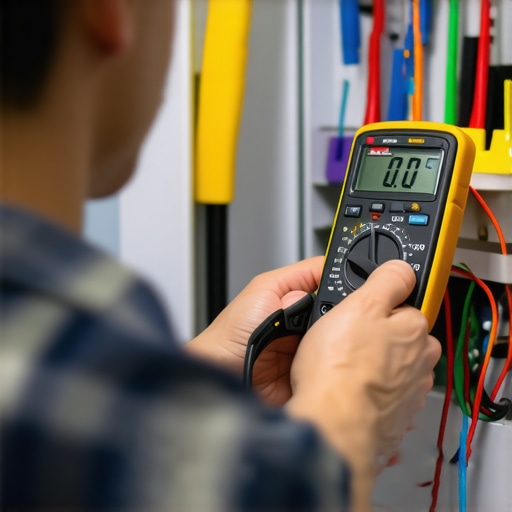
To keep your kitchen running smoothly, investing in the right tools and adopting routine maintenance practices are essential. One of my favorite tools is a high-quality digital multimeter. I use it monthly to verify electrical integrity in my appliances, preventing minor issues from turning into costly repairs. When it comes to software, I rely on appliance-specific firmware update apps—regular updates ensure security patches and feature improvements are installed, safeguarding your device from vulnerabilities. Additionally, a microfiber cloth and compressed air are indispensable for cleaning dust and debris from vents and filters, which maintains efficiency and prevents overheating. Incorporating these simple yet effective tools into your routine will extend the lifespan of your appliances considerably.
How do I maintain smart appliances over time?
Developing a scheduled maintenance routine is the best way to ensure consistent performance. For refrigerators, I check the door seals and defrost timers quarterly, following the guidelines in this comprehensive guide. For dishwashers, cleaning filters and inspecting spray arms monthly prevents buildup that can impair cleaning effectiveness. Washing machines benefit from periodic gasket cleaning using a mixture of vinegar and baking soda; this helps prevent mold and odor issues, as detailed in this article. Tools like a smartphone app that tracks firmware update schedules can alert you to necessary upgrades, ensuring your appliances stay secure and feature-rich.
Preparing for future smart appliance trends
Looking ahead, I predict that AI-powered diagnostics and predictive maintenance will become standard in smart appliances. This evolution will enable devices to alert you proactively before encountering problems, minimizing downtime. To stay ahead, I recommend adopting maintenance tools that integrate with your home’s central monitoring system, such as smart hubs compatible with various devices. Embracing these advancements now will reduce manual troubleshooting and enhance long-term reliability.
Get Your Tools in Place Today
Start by commissioning a quality multimeter and scheduling routine cleanings for your appliances. Remember, proactive maintenance with the right tools not only saves money but ensures your smart home functions optimally. For a deeper dive into the latest appliance management techniques, visit this authoritative resource. Don’t wait for issues to arise—try implementing a firmware update reminder today to keep your devices in top shape. Your future self will thank you!
The Hidden Lessons That Changed How I Manage My Smart Laundry System
One of the most surprising realizations I had was that not all smart appliances are created equal—compatibility issues and unnoticed firmware updates can turn a seamless experience into a troubleshooting nightmare. I learned the importance of regular firmware checks, which many overlook, preventing security vulnerabilities and performance hiccups. Additionally, I discovered that network segmentation significantly improved stability, especially when multiple devices are connected. These lessons taught me that smart appliance mastery involves ongoing vigilance, not just initial setup, transforming my approach from reactive to proactive.
My Go-To Resources for Smart Home Appliance Success
First, I rely heavily on the comprehensive guide which offers expert-backed insights on compatibility and best practices. For firmware updates, the manufacturer’s app remains invaluable—I also subscribe to their notification alerts to stay current. When troubleshooting connectivity, I use a high-quality mesh Wi-Fi system I trust for stable signals across my home. Lastly, practical tools like a digital multimeter help me monitor electrical health, extending appliance life and ensuring safety.
Your Smart Appliance Journey Starts Today
Embracing the secret insights into smart appliances empowers you to create a truly intelligent home environment. With just a few strategic tools and a proactive mindset, you can unlock the full potential of your laundry and kitchen appliances, enjoying seamless operation and peace of mind. Remember, today is the day to start transforming your home into a future-ready space—small steps lead to big innovations when it comes to smart appliances. Are you ready to take control of your smart laundry system and make your home truly smarter? Let me know below!
**