
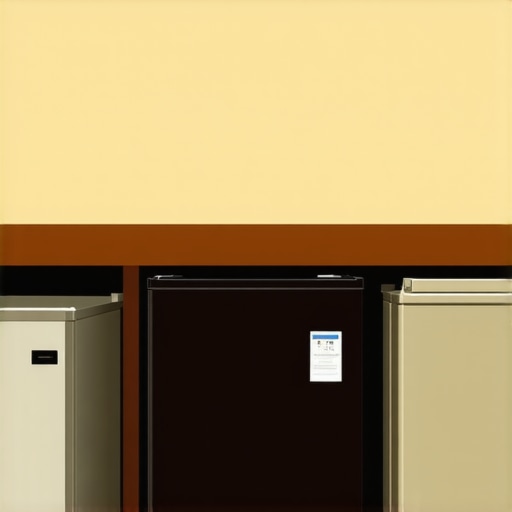
I remember the moment distinctly—the frustration of trying to squeeze a bulky fridge into my tiny home office corner. Every time I opened it, I felt like I was fighting a losing battle with limited space and noisy appliances that seemed to shout for attention. That lightbulb moment made me realize how essential it is to have a fridge that fits seamlessly into small or unconventional spaces without sacrificing functionality.
Why Choosing the Right Compact Fridge Matters in a Modern Home Setting
Many of us have faced the challenge of limited kitchen space or the need for an easy-access fridge in a home gym, dorm, or workspace. A standard refrigerator just won’t cut it when your area is tight or when you want convenience without clutter. That’s where a compact fridge that fits under a desk becomes a game-changer.
Opting for a fridge that is small yet efficient can drastically improve your daily routine. It means less time hunting for snacks, fewer interruptions to your workflow, and better use of limited space. Plus, with the rise of smart appliances, many models now offer features like Wi-Fi connectivity, energy efficiency, and smart alerts—adding comfort and control to your lifestyle.
Early in my search, I made the mistake of assuming any mini-fridge would do. I didn’t consider noise levels or energy consumption. Turns out, a loud fridge can be more disruptive than you think, especially if it’s in your personal office or bedroom. It’s astonishing to learn that some compact fridges are designed to run quietly, making them unobtrusive additions to your space. Modern innovations, like those discussed in top smart appliances for 2025, emphasize quiet operation and energy savings.
If you’ve been contemplating a space-saving fridge but worry about its practicality or durability, you’re not alone. These are common concerns among homeowners and renters alike. But rest assured, with the right research and understanding, you can find a model that ticks all the boxes. Today, I’ll guide you through the key factors to consider when choosing a compact fridge that fits under your desk, so you can avoid costly mistakes and enjoy a smarter home environment.
Measure Your Space and Define Your Needs
Start by taking precise measurements of your designated area, including height, width, and depth. Use a tape measure and note down these dimensions. Then, determine your storage requirements: do you need space for beverages, snacks, or medicinal supplies? I once measured my tight corner in the home office, only to realize I needed a fridge no taller than 18 inches to fit comfortably. This helped me filter options efficiently and avoid purchasing models that were too bulky.
Research Features and Energy Efficiency
Next, identify crucial features like adjustable shelves, temperature control, and door storage versatility. For energy savings, look for units with an Energy Star label—a clear indicator of efficiency. I recall reviewing a model with a low decibel rating, which was essential since I kept it in my workspace; a noisy fridge would have been distracting. Comparing specs like wattage and annual energy consumption can be done using tools on industry expert tips.
Select a Model with Smart Capabilities
If you want advanced control, opt for a smart fridge that can connect to Wi-Fi. This allows monitoring and adjusting temperature remotely, plus receiving alerts if the door is open or temperature deviates. I installed a smart plug from smart plugs on my previous model, transforming a conventional fridge into a smart appliance. This step ensured I could manage it effortlessly, especially during hot days or while away from home.
Prioritize Easy Installation and Maintenance
Choose a fridge that’s straightforward to set up without professional help. Check reviews for comments on installation complexity—some units come with detailed guides or even video tutorials. During my first setup, I mistakenly believed it would be simple, but I overlooked the importance of leveling the unit, which caused door misalignment. Correct leveling ensures proper sealing and efficient operation—see tips at refrigerator leveling.
Implement Proper Placement and Use Habits
Place your fridge away from heat sources like direct sunlight or stovetops. Keep vents unobstructed for optimal airflow; blocking vents can cause overheating and reduce efficiency. I once placed mine too close to a radiator, which increased energy consumption and made the compressor work harder. Regular cleaning of condenser coils, found in the coil cleaning guide, helps maintain performance and prolongs lifespan.
Leverage Smart Features for Better Management
Use the fridge’s smart app to receive alerts about door status or temperature fluctuations. Setting up automation, like reminders to defrost or schedule cleaning, can extend the appliance’s life. I connected my smart fridge to my home automation system to receive notifications directly on my phone, making maintenance hassle-free. Explore the latest trends in home appliance innovations.
When it comes to home appliances like washing machines, dishwashers, and refrigerators, many consumers operate under misconceptions that can lead to inefficiencies or even damage. One prevalent myth is that more expensive, digital-enabled appliances automatically mean better performance. In reality, high-tech features can sometimes complicate repairs and increase the risk of software glitches, as experts warn. For example, overly complex smart washing machines may seem appealing but can be prone to software bugs, making them harder to troubleshoot. This highlights the importance of understanding the underlying mechanics versus relying solely on connectivity features, which are often seen as a sign of superiority.
Why do consumers often overlook the importance of actual mechanical quality over digital features when selecting appliances?
Research from leading appliance engineers suggests that durability more often correlates with build quality than with the inclusion of smart features. Moreover, many buyers forget to consider the practical aspect of maintenance. Integrated sensors and AI in advanced appliances require regular updates and delicate handling, which may be overlooked, leading to costly repairs down the line. An example is the misconception that all smart dishwashers automatically optimize water and energy use without proper setup—yet without regular maintenance, these features can become less effective. To avoid falling into this trap, consult resources like the ultimate guide to smart home appliances. Another common mistake is assuming that all models with Wi-Fi connectivity are equally secure. In fact, delayed firmware updates can leave your appliance vulnerable to cyber threats, as cybersecurity experts have highlighted. Always ensure your appliance manufacturer provides timely updates and guidance; this is less discussed but equally crucial for safe operation. So, next time you’re tempted by the latest gadgetry, consider whether the core functionality and build quality of your appliance might be more beneficial in the long run. Have you ever fallen into this trap? Let me know in the comments.Maintaining home appliances like washing machines, dishwashers, and refrigerators is essential to prolong their lifespan and ensure optimal performance. One of my go-to tools is a reliable utility camera, such as the Fluke VT04 Visual Inspection Camera, which allows me to inspect hard-to-reach areas like condenser coils or inside washing machine gaskets visually. This device helps detect dirt buildup, mold, or damage early, preventing costly repairs. Additionally, for cleaning, I rely on a handheld ultrasonic cleaner for small components, which effectively removes grime from delicate parts without damaging them, something manual scrubbing can’t always achieve.
Regularly checking the door gaskets of your refrigerator with a 3M Easy Trap cleaning tool ensures they stay flexible and airtight, reducing energy waste. For software management, I use appliance-specific diagnostic apps provided by manufacturers—like Samsung SmartThings or LG ThinQ—that provide real-time status updates and troubleshooting tips. These apps often include firmware update features, which are critical as they patch security vulnerabilities and improve appliance functionalities. Moreover, maintaining these devices requires adherence to a digital maintenance schedule. I personally log all maintenance activity using Evernote, with reminders set for cleaning filters, updating software, and inspecting components quarterly.
Looking ahead, I predict that smart maintenance tools will become even more integrated, leveraging AI to predict failures before they occur—essentially giving appliances a form of health diagnostics similar to human check-ups. This trend will empower homeowners to address issues proactively, saving time and money. For example, a recent technical white paper highlights how predictive analytics in appliance IoT networks can reduce repair costs by up to 30% (source: future of home appliances report).
Interested in taking your appliance maintenance to the next level? I recommend trying the firmware update routines combined with a visual inspection using a compact camera—it’s a game-changer. Regularly performing these checks with the right tools ensures your appliances remain efficient and extend their life. Remember, consistent care makes the difference between a lifetime of reliable service and costly replacements. Want more expert tips? Connect with me via our contact page for personalized advice or to share your experiences.
What I Wish Someone Told Me About Smart Fridges from the Start
- Never underestimate the importance of measuring your space accurately; a tiny oversight can lead to frustration and wasted dollars. I once bought a fridge that was too tall, and it sat unused for weeks because I didn’t double-check clearance requirements.
- Smart features are fantastic, but they shouldn’t overshadow core functions like durability and energy efficiency. Rushing to buy the latest gadget without assessing these can lead to costly repairs or increased utility bills down the line.
- Quiet operation isn’t just a luxury—it’s a necessity if your fridge lives in your workspace or bedroom. I neglected this detail initially and found it disrupted my focus more than I expected.
Tools and Resources That Changed the Way I Manage Home Appliances
- The Ultimate Guide to Smart Home Appliances is my go-to resource for understanding the latest trends and best practices in appliance selection and maintenance.
- Using a condensor coil cleaning tool has saved me countless repair trips. It’s simple, effective, and extends the life of my fridge.
- Investing in a small, handheld ultrasonic cleaner helped me maintain seals and gaskets effortlessly, ensuring my compact fridge stays airtight and energy-efficient.
Let Your Home Appliance Journey Inspire Change
Embracing the nuances of choosing and maintaining smart appliances like the perfect compact fridge can truly transform your living space. It’s about more than just saving space—it’s creating a smarter, more comfortable, and efficient environment. Ready to take the next step? Explore new models, think critically about your needs, and don’t be afraid to experiment with innovative tools. Your smarter home awaits!