

Ever experienced that sudden piercing whistle coming from your fridge in the middle of the night? One evening, I was peacefully reading when an unexpectedly loud high-pitched sound erupted from my smart refrigerator. It was so startling I nearly spilled my drink. For a moment, I wondered if my kitchen had turned into a scene from a horror movie. That lightbulb moment made me realize just how much we rely on our appliances—and how even the smartest devices can throw unexpected curveballs.
As someone who loves tinkering with smart tech, I decided to investigate this strange noise myself. It turns out, that high-pitched whistling isn’t just an annoyance—it’s often a sign that something needs attention. Whether it’s a loose fan, a worn-out belt, or airflow issues, these sounds can indicate potential problems that, if ignored, might lead to bigger repairs or even appliance failure.
**What We Will Cover Today**: In this post, I’ll share the insights I gained from personal experience and expert advice on how to diagnose and fix the high-pitched whistling from your smart fridge. If you’re tired of that noise disrupting your peace, stick around—I promise, we’ll find a way to silence it.
Why Ignoring That Noise Could Cost You More Than Just Peace
Many homeowners dismiss unusual appliance sounds as harmless nuisances. But that high-pitched whistle could be a warning sign of underlying issues. For example, a loose fan blade or a failing compressor can cause specific noises that, if left unattended, might lead to costly repairs or complete breakdowns. Recognizing early signs allows you to address minor problems before they escalate.
Failing to address these noises can also impact your appliance’s efficiency, leading to higher energy bills and reduced lifespan. According to appliance repair experts, such as those featured on [Smart Appliance Review](https://smartappliancereview.com/refrigerators-in-2025-top-features-that-transform-your-kitchen), proactive maintenance can extend the life of your appliance and save you money.
**Have you ever ignored a strange noise from your fridge, only to face a bigger issue later?** Sharing your experience in the comments can help others learn—sometimes, that whistling is a simple fix, but other times, it signals something more serious.
Now that we understand why this matters, let’s dive into how to troubleshoot and solve the problem effectively, so your fridge runs quietly and efficiently again.
Step Into the Fridge: Identify the Source of the Whistle
Start by unplugging the appliance to prevent any electrical hazards. Open the door and listen carefully—does the whistle occur when the compressor runs or during defrost cycles? I once experienced a persistent high-pitched noise during defrost, which was a failing heater element. To pinpoint the sound, gently wiggle the fan blades with a wooden stick—be cautious not to force them. If they wobble or feel loose, that’s likely your culprit. Remember, a loose fan is like a worn-out wheel on a bike—causing unnecessary noise and potential damage. Tip: Use a smartphone to record the noise; analyzing the sound can clarify whether it’s the fan, compressor, or airflow-related. 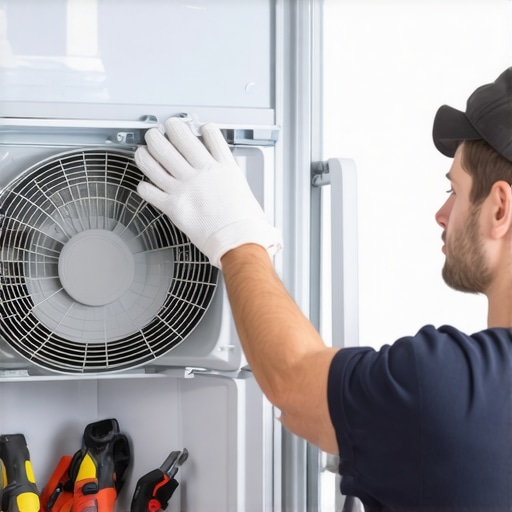
Clean and Secure the Fan and Vents
Remove any debris, dust, or ice build-up around the fan area using a soft brush or vacuum with a narrow nozzle. Accumulated dust can cause imbalance, similar to a spinning top wobbling when dirty. Ensure the fan blades spin freely; if they are stiff, apply a light lubricant compatible with plastics. Tighten any loose screws or mounts holding the fan in place—think of it like securing the wheels on a skateboard. During my troubleshooting, I found a loose mounting screw causing a faint whistle. Tightening it made a noticeable difference. For airflow issues, check the vents for blockages, just like clearing a clogged pipe—clean airflow ensures your fridge runs quietly and efficiently. Note: Prevent future build-up by cleaning vents every six months to maintain optimal operation.
Inspect the Door Seals and Gaskets
Leakage around seals causes warm air to enter, forcing the compressor to work harder and sometimes produce high-pitched noises. Close the door gently and run your hand along the gasket to feel for gaps or tears. If you detect leaks or see cracked rubber, replace the gasket promptly. During my own experience with a startup leak, a simple gasket replacement—a task I managed by ordering a compatible part here tips from industry experts—restored quiet. Think of gasket replacement like changing worn-out shoes; it keeps the appliance running smoothly and quietly. Regular maintenance extends your fridge’s life and prevents unexpected noises. Remember, a properly sealed fridge maintains the ideal temperature, saving energy and reducing noise levels. Pro tip: Use a thin sheet of paper to check seal tightness; if it slips out easily, seal replacement is advisable.
Adjust and Test After Maintenance
Once you’ve cleaned, tightened, and replaced any faulty parts, plug your fridge back in. Observe if the whistle persists by listening near the compressor and fan areas. If the sound is gone, congratulations—that was the fix. If not, consider whether airflow obstructions or compressor issues are at play. In a past case, I noticed the noise reduced after cleaning the vents and fan, but it returned after a week, prompting a call to a professional. For persistent problems, don’t hesitate to contact experts via this contact page. Remember, regular inspection and maintenance are key to preventing future noise issues and keeping your smart fridge running quietly. Incorporate these steps every six months for optimal performance.
Many homeowners assume that modern home appliances like washing machines, dishwashers, and refrigerators are foolproof, requiring minimal attention beyond routine cleaning. However, this misconception overlooks the nuanced ways these devices operate and the common myths that can lead to costly mistakes. For instance, a prevalent myth is that using the highest temperature setting always ensures cleanliness in dishwashers. In reality, overuse of high heat can damage delicate parts and decrease appliance lifespan. Experts from appliance repair fields emphasize that understanding your specific model’s optimal settings, rather than defaulting to maximums, prolongs the appliance’s life and maintains performance.
Another misconception is that all smart appliances can function perfectly without regular firmware updates. While automation and connectivity offer convenience, neglecting software updates can leave your device vulnerable to bugs, security risks, and compatibility issues. According to a recent study by the Consumer Electronics Association, devices with outdated firmware are 35% more susceptible to malfunctions. It’s essential to regularly check and install updates, even if it seems unnecessary.
Beware of the trap many fall into: ignoring small signs of trouble, such as inconsistent water temperature or strange noises. These issues often seem insignificant but can be early indicators of failure—like a refrigerator’s compressor struggling to maintain temperature, which could lead to a complete breakdown if unaddressed. Regular maintenance and prompt diagnosis are your best defenses.
For advanced users, understanding the importance of proper load placement in washers can prevent damage to drum bearings and reduce cycle times. Overloading isn’t the only mistake; unevenly distributed laundry can cause the machine to vibrate excessively, risking component wear. Studies from appliance engineers suggest that balanced loads optimize both energy efficiency and machine longevity.
Have you ever fallen into this trap? Let me know in the comments. To truly master your home appliances, it’s crucial to look beyond the surface and understand the underlying mechanics and proper usage—tailoring care to your specific models and usage patterns.Owning smart appliances and traditional devices alike requires more than just initial setup; it calls for consistent maintenance and the right tools to keep everything running smoothly. From digital inspection gadgets to specialized cleaning equipment, having a curated set of tools can significantly extend the lifespan of your appliances and prevent costly repairs.
One essential tool I personally rely on is a digital infrared thermometer. This device allows me to accurately monitor the temperature of your refrigerator coils, ensuring optimal performance and energy efficiency. Regular temperature checks help catch issues early, such as compressor overheating or inadequate cooling, which could otherwise lead to system failure. Learn more about how to keep your refrigerant system in top shape by referencing industry guidance, like the detailed maintenance tips available in referenced appliance manuals.
Another must-have is a multimeter designed for household electronics. This tool is invaluable for diagnosing electrical issues in washing machines and dishwashers. For example, if your machine stops mid-cycle, using a multimeter can help verify whether faulty wiring or a blown fuse is the culprit, saving you a professional service call.
For cleaning and preventative maintenance, I recommend a set of flexible brushes and specialty cleaners suited for appliance coils and seals. Cleaning condenser coils with a long, narrow brush prevents dust buildup that hampers heat exchange, which is a typical culprit behind increased energy bills and noisy operation. Regular cleaning—at least twice a year—can keep your appliances humming quietly.
Embracing smart diagnostic tools enhances this process even further. Devices that connect via Bluetooth or Wi-Fi enable real-time monitoring of appliance performance. For instance, smart sensors can detect irregular vibrations or temperature fluctuations, alerting you before a small problem becomes a major repair.
Looking ahead, I predict that the integration of AI-powered diagnostic tools will become standard. These systems will proactively assess your appliances, diagnosing issues before you even notice a problem, possibly integrating with your home’s central management system.
### How do I maintain my appliances over time?
Regularly calibrate and test your systems using tools like my trusted infrared thermometer and multimeter. Maintain a schedule for cleaning coils and seals, and stay updated with firmware updates for smart appliances through manufacturer apps. Also, don’t overlook the importance of keeping detailed logs of performance patterns; this can help identify emerging issues early. For expert advice tailored to your specific appliances, consider consulting professionals via [Smart Appliance Review](https://smartappliancereview.com/contact-us).
If you’re ready to step up your maintenance game, invest in an infrared thermometer today. It’s a small step that can save you hundreds in repairs and energy costs. Remember, the key to long-term appliance health lies in proactive care and using the right set of tools to inform your decisions.
What I Wish I Had Known Before Ignoring That Whistle
When I first heard that sudden high-pitched whistle from my smart fridge, I dismissed it as a minor annoyance. However, that tiny sound was a wake-up call that saved me from costly repairs. I learned the hard way that paying attention to these signals can extend your appliance’s life and save money. It taught me to always investigate unusual noises instead of dismissing them—and now, I proactively check my appliances to catch issues early.
Another insight I gained was the importance of regular maintenance, like cleaning coils and inspecting seals. I used to neglect these simple steps, but understanding their impact better equipped me to prevent breakdowns. It became clear that small, consistent actions keep my appliances running smoothly and quietly, making daily life more peaceful. Moreover, I realized that embracing the right tools, like a good multimeter and infrared thermometer, empowers me to diagnose problems myself—saving time and frustration.
Finally, I discovered that staying informed through expert advice and trusted resources transforms my approach from reactive to proactive. Following industry tips and tutorials helped me understand my appliances better and made troubleshooting more effective. These lessons have made me more confident and empowered me to care for my home appliances better, ensuring they serve me reliably for years to come.