
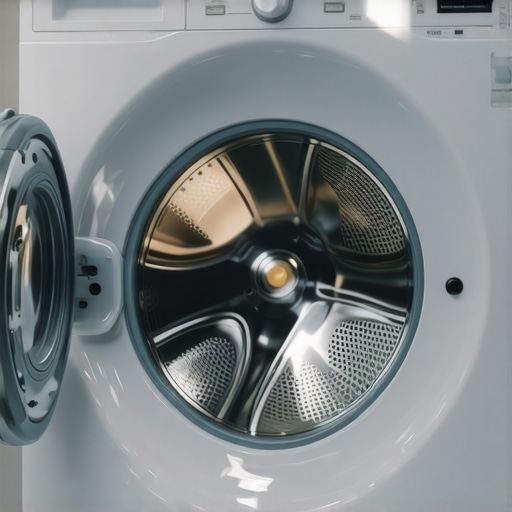
Ever opened my laundry room door and been greeted not by fresh linens but by a musty, damp smell wafting from my energy-efficient washing machine? That unpleasant scent was a real lightbulb moment for me. I had invested in a sleek, water-saving machine promising efficiency and eco-friendliness, only to find it stinking up my laundry days. It made me wonder: why does my shiny new appliance smell like a damp basement?
From that experience, I learned that many homeowners face this puzzling issue with their high-tech washers. Today, I want to share what I found out and, more importantly, how you can banish that damp odor for good.
Why Your Eco-Friendly Washer Might Smell Like Damp
One of the biggest surprises I discovered is that energy-efficient washers tend to trap moisture in places traditional models don’t. This moisture creates a perfect breeding ground for mold and mildew, leading to that unmistakable damp smell. But that’s just one part of the puzzle.
Firstly, many owners overlook the importance of regular maintenance. A simple mistake early on was not cleaning the gasket and detergent dispensers regularly—areas prone to mold buildup. Secondly, using too much detergent or the wrong type can leave residues that hold onto moisture, contributing to the smell. Lastly, not leaving the door or lid open after washes to air out the drum means residual dampness stays trapped inside.
These issues are common but easily preventable once you know what to look out for. Keep reading, and I’ll guide you step-by-step on how to eliminate that damp smell and keep your washing machine fresh as a spring breeze.
Is It Really Worth Fixing a Smelly Washer, or Should I Replace It?
I used to wonder if tackling these issues was worth the effort or if I should just replace the machine. My mistake early on was thinking that the smell was a sign of a deeper, more expensive problem—like a failing motor or flooded drum. But I found that regular cleaning and maintenance can extend your washer’s life significantly. As highlighted by appliance experts, proper upkeep not only keeps odors at bay but also maintains energy efficiency, saving you money in the long run. For more tips on choosing the best appliances, check out [smart appliances that save water](https://smartappliancereview.com/washing-machines-that-save-water-expert-advice-for-2025).
So, if you’re tired of masking that damp odor with air fresheners, rest assured that fixing the problem is simpler than you think. Let’s dive into the practical steps that made my laundry routine smell better and more efficient.
Deep Clean the Gasket and Dispensers
My first attempt was to scrub the rubber gasket thoroughly with a mixture of white vinegar and baking soda, using an old toothbrush to reach the folds. This messy process removed mold and soap scum buildup, immediately improving odor. Next, I removed and cleaned the detergent dispensers, soaking them in hot water to dissolve residues that trap moisture. Regularly cleaning these parts prevents mold from taking hold, much like maintaining the seals on high-end refrigerators—see refrigerator maintenance tips.
Run a Hot Water Cycle with Vinegar or Specialized Cleaner
Once the gaskets and dispensers were clean, I ran an empty hot wash cycle with two cups of white vinegar, which acts like an antimicrobial shield. If you prefer, use a commercial appliance cleaner like Affresh or a washing machine descaling product. This flushes out lingering mold spores and residue, leaving the drum fresh. During this step, I wore old clothes because splashes of vinegar are common, and it’s a messy but effective process, similar to de-scaling your coffee maker for better flavor.
Keep It Dry and Ventilated
After each wash, I made it a habit to leave the door open, allowing air to circulate and moisture to escape—think of it as airing out sweaty shoes to prevent odor. If your model has a drain option, periodically run a cycle without laundry to let excess water evaporate. For energy-efficient washers, this step helps prevent the trapped moisture that breeds mold, much like how smart refrigerators benefit from regular door seals maintenance—find more about refrigerator upkeep.
Use the Right Detergent and Avoid Overloading
I learned that using high-efficiency (HE) detergent in the correct amount is crucial because excess soap creates residues that trap moisture, similar to how overloading a dishwasher causes poor cleaning. Always follow your washer’s detergent recommendations, and opt for eco-friendly options if possible, which minimize chemical buildup.
Incorporate Routine Maintenance into Your Schedule
Every month, I set a reminder to perform these cleaning cycles and inspections, akin to updating the firmware of my smart appliances. Keeping up regularly prevents odor issues from becoming persistent problems, ensuring your laundry remains fresh and your machine lasts longer—see smart appliance maintenance guide for more tips. Applying these steps transformed my laundry routine, and I now enjoy fresher-smelling clothes and a cleaner laundry space.
While many believe that choosing the latest model guarantees optimal performance, the reality is more nuanced. A common misconception is that all smart appliances automatically optimize energy use; in fact, many settings require manual adjustment to truly maximize efficiency. For example, some high-tech washing machines offer eco-friendly modes, but if users neglect to activate them, they end up consuming more water and power than necessary, contrary to expert advice found in [smart water-saving appliances tips](https://smartappliancereview.com/washing-machines-that-save-water-expert-advice-for-2025).
Another often-missed detail is the importance of proper installation. Many assume that simply plugging in a device is sufficient, yet incorrect placement can lead to issues like uneven cooling in refrigerators or poor wash performance. For instance, placing a fridge too close to heat sources diminishes its efficiency and accelerates wear, which professionals warn against in their comprehensive appliance setup guides.
Beware the trap of overusing cleaning cycles or harsh chemicals. Regular maintenance is vital, but overzealous cleaning with aggressive cleaners can damage seals or circuits. In fact, using vinegar excessively in dishwashers may seem logical, but in high concentrations, it can corrode rubber parts, as highlighted by appliance repair experts.
Have you ever fallen into this trap? Let me know in the comments.
Why Do Some Smart Appliances Underperform Despite Advanced Features?
The answer often lies in user interaction. Many assume that once set up, these devices require no further oversight. However, firmware updates play a crucial role; outdated software can cause malfunctions or reduce efficiency. Industry studies indicate that appliances with regular firmware updates perform significantly better and last longer, emphasizing the need for proactive maintenance. For example, a stubbornly unresponsive smart refrigerator might just need a firmware refresh, which can be achieved by following manufacturer instructions or consulting dedicated guides.
Additionally, the network connection quality can influence smart appliance performance. Poor Wi-Fi signals can disrupt data syncing, leading to delayed notifications or unresponsive controls. Experts recommend positioning your router optimally and keeping firmware current to ensure seamless operation.
In summary, understanding the subtle intricacies—from correct installation and user engagement to firmware management—can transform your appliance experience from frustrating to effortless. By paying attention to these details, you extend the lifespan of your devices and truly benefit from their innovative features.Maintaining your smart appliances isn’t just about cleaning them occasionally; it’s about implementing a strategic approach with the right tools and routines that ensure longevity and peak performance. I personally rely on specialized software and hardware that make routine maintenance seamless and effective. For example, I use a digital moisture meter, like the Protimeter MMS2, to regularly assess humidity levels within appliances such as refrigerators and washing machines. This tool helps me detect hidden moisture buildup early, preventing mold and odor issues before they become serious. Additionally, I utilize diagnostic apps recommended by manufacturers—these allow me to run firmware updates, identify error codes, and even schedule maintenance reminders right from my phone, significantly reducing downtime. Regular software updates are essential, especially as manufacturers release patches that fix vulnerabilities or improve energy efficiency, aligning with trends highlighted in [future of home appliances](https://smartappliancereview.com/future-of-home-appliances-trends-to-watch-in-2025). To keep my appliances functioning at their best, I also employ ultrasonic descalers for deep cleaning, particularly in hard-to-reach areas like spray arms in dishwashers or condenser coils in refrigerators. These tools are highly effective at removing mineral deposits without risking damage, extending appliance lifespan. Predicting where this is headed, I foresee an increased integration of IoT sensors that monitor appliance performance in real-time, alerting owners proactively about issues before they escalate. Embracing these innovations now can prepare you for a smarter, more maintenance-efficient future.
How do I maintain my appliances over time?
Incorporating routine checks with these tools, scheduling periodic firmware updates, and acting swiftly on diagnostic alerts are key. If you’re interested in making maintenance even easier, try integrating a smart home hub, such as a Samsung SmartThings or Apple HomeKit, which consolidates appliance control and diagnostics into one interface, streamlining long-term care. This proactive approach not only extends the life of your appliances but also maximizes their energy savings and functionality, saving you money and stress over unexpected breakdowns.
Uncover the Hidden Lessons that Transformed My Laundry Routine
The biggest revelation was realizing that smart appliances aren’t set-and-forget devices. Regular firmware updates and proactive maintenance are the invisible keys to longevity and peak performance, just like keeping your smartphone’s software current. I learned that ignoring these updates can cause performance hiccups, which was a real eye-opener. Additionally, I discovered that installing sensors like ultrasonic moisture meters helps me catch issues early, preventing odors and mold buildup. Lastly, trusting highly-rated diagnostic tools provided me with insights that saved time and money, proving that a little extra effort pays off in the long run.
My Go-To Resources for Smart Appliance Care
For anyone serious about maintaining their home appliances, I recommend the official manufacturer guides, which offer tailored instructions and troubleshooting tips. I also rely on appliance-specific diagnostic apps—these keep me informed about firmware updates and error codes, ensuring optimal operation. Books like “The Ultimate Guide to Smart Home Appliances” expanded my understanding of integrating tech into daily routines. Lastly, active forums and communities provide real-world advice and shared experiences that help me navigate unexpected issues confidently.
Your Next Step Starts Today
Embracing these insider tips will empower you to extend your appliances’ lifespan and enjoy the full benefits of smart home technology. Remember, maintenance isn’t just about fixing problems—it’s about unlocking the true potential of your appliances and making everyday life smoother. Take charge now, and watch your home become more efficient and enjoyable.