
Ever once in a while, I open my dishwasher and notice those stubborn, cloudy white spots glaring back at me—like tiny trophies of my home’s hard water battles. At first, I thought it was just a cosmetic issue, something I could live with. But after a few cycles, I realized these spots were more than just an eyesore; they were a sign that my appliances were slowly fighting a losing battle against mineral build-up. That lightbulb moment made me dive deep into the best ways to tackle this problem, and let me tell you—it’s easier than you might think.
Why Hard Water Spots Can Wreak Havoc on Your Dishwasher and Your Peace of Mind
Hard water is like that uninvited guest—persistent and difficult to get rid of. Its mineral content, mainly calcium and magnesium, leaves behind white, chalky deposits that cling to your dishwasher’s interior and even your dishes. This build-up not only diminishes the visual appeal but also hampers the efficiency of your appliance over time. Studies show that mineral deposits can clog spray arms and filters, leading to longer wash cycles and higher energy bills—something I learned the hard way after my previous dishwasher started acting up, despite being relatively new.
If you’ve faced similar frustrations—dishes coming out streaky or the insides looking dull—you’re not alone. The good news is that with the right approach, you can extend the life of your dishwasher and keep your dishes sparkling.
So, what’s the secret? How do you remove those stubborn hard water spots effectively without damaging your machine or breaking the bank? That’s what I’ll be sharing next—simple, practical solutions backed by personal experience and expert advice.
What Makes You Skeptical About the Methods We’ll Cover?
I remember trying all sorts of remedies early on—vinegar, baking soda, even commercial descaling products—only to find some did more harm than good, or simply didn’t work. I made the mistake of relying solely on DIY tricks without understanding the root cause or proper maintenance. Trust me, I’ve been there. But over time, I discovered that some techniques, when applied correctly, can make a real difference. Want to save yourself the trial-and-error journey? Let’s get into the tried-and-true methods that will truly restore your dishwasher’s shine and performance.
Run an Empty Hot Water Cycle with Vinegar
This method clears mineral buildup by harnessing the acidity of vinegar. I poured two cups of white vinegar into a dishwasher-safe container placed on the top rack, then ran a hot water cycle without dishes. Within minutes, stubborn mineral deposits started dissolving, leaving the interior noticeably cleaner. To maximize effectiveness, do this once a month, especially if your area has hard water. For more home appliance tips, check out our ultimate guide to smart home appliances.
Scrub Spray Arms and Filters Regularly
Think of spray arms as the limbs of your dishwasher—when clogged, they can’t function optimally. I removed the spray arms (instructions vary by model), soaked them in a mixture of vinegar and baking soda, and scrubbed the nozzles with an old toothbrush. Next, I cleaned out the filters at the bottom, removing trapped debris. This quick maintenance improved spray performance and reduced spot formation. Regular cleaning is key—do this every few months. Need more washer maintenance tips? Visit our dishwasher cleaning guide.
Use Commercial Descaling Products When Needed
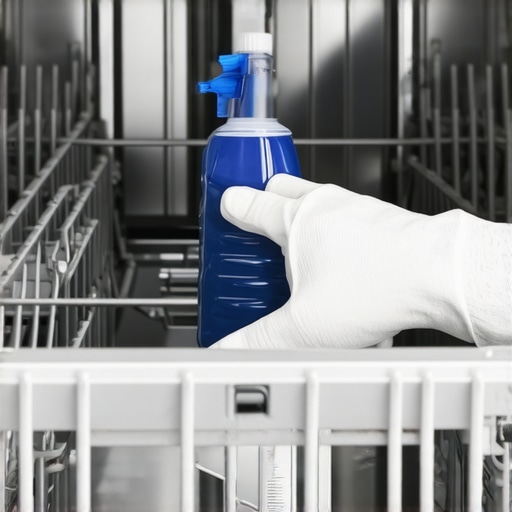
Sometimes, DIY solutions aren’t enough; that’s when descaling agents come in handy. I purchased a descaling liquid specifically formulated for dishwashers, followed the manufacturer’s instructions—usually running a cycle with the product alone. This process dissolves stubborn mineral deposits that vinegar might miss. Be cautious and ensure the product is safe for your model. For the latest in appliance tech, explore smart dishwasher innovations. Remember, consistency ensures your machine stays spotless and efficient.Many homeowners operate under myths about appliances like refrigerators, washing machines, and dishwashers that can lead to inefficient usage and costly repairs. For example, a widespread belief is that older models are always better at handling heavy-duty tasks, but modern smart appliances are designed with advanced sensors that optimize performance and energy efficiency when used correctly. Relying solely on age as a benchmark can cause you to overlook newer models with significant advantages, such as energy savings and smarter maintenance alerts, as discussed in our comprehensive guide to smart home appliances.
Another common misconception is that running appliances at full capacity or with less frequent washes prolongs their lifespan. In reality, overloading your washing machine or dishwasher causes undue strain on motors and seals, increasing the risk of breakdowns—an advanced mistake that many make, according to appliance experts. Regular, properly sized loads help maintain efficiency and longevity. For more expert insights, visit water-saving tips for washing machines.
Beware of the trap that newer isn’t always better. Some believe that traditional manual defrosting or venting methods are outdated, but ignoring manual maintenance can lead to accumulated frost or inefficient cooling in refrigerators, impacting food preservation. Modern appliances often incorporate features like automatic defrost cycles, but these need proper setting and occasional manual intervention to work optimally. To optimize your fridge’s performance, check out our latest refrigerator features for 2025.
One nuanced aspect that many overlook involves understanding the importance of the appliance’s firmware updates and network connectivity for smart devices. It’s a mistake to assume that once set up, a smart appliance operates flawlessly without periodic updates. In fact, failing to keep your smart appliances updated can cause compatibility issues, security vulnerabilities, and reduced functionality—issues highlighted by leading tech researchers. Regular firmware updates ensure your smart devices continue to function smoothly and securely. For detailed tips on maintaining your smart appliances, see smart washing machine updates.
Finally, a less obvious but critical mistake involves neglecting to consider the specific water quality and environmental conditions in your home. Hard water, for instance, not only damages appliances faster but also affects their efficiency and the quality of your laundry and dishes. Many homeowners waste money on filters or descaling products without realizing that understanding their local water hardness is the first step. Consulting expert advice on tailored maintenance can save you time and money, as elaborated in our top smart appliances for seamless home management.
Are you falling into any of these traps? Recognizing and correcting these advanced misconceptions can allow your appliances to serve you better and last longer. Want to learn more about optimizing your home technology? Check out our ultimate appliance selection tips and never settle for less. Share your experiences or questions below—let’s keep the conversation going!Maintaining your home appliances over time requires more than just a casual glance; it demands the right tools, consistent routines, and some savvy techniques. One of my favorite investments is a quality digital multimeter, which allows me to diagnose electrical issues in devices like refrigerators and washing machines. For example, by testing the continuity of door switches or measuring voltage levels, I can identify problems early before they become costly repairs. Additionally, a reliable set of appliance-specific screwdrivers and brushes—like those from Wiha or Klein—help me perform routine maintenance without risking damage. According to appliance repair experts, having these tools on hand significantly extends the lifespan of your devices and simplifies troubleshooting.
The Hardest Lesson I Learned About Home Appliances
One of the toughest lessons in managing home appliances was realizing that ignoring routine maintenance could cost me big time. Preventive steps, like regular cleaning of filters and spray arms, saved my dishwasher from costly repairs and kept it performing like new. It taught me that a little effort upfront prevents headaches later.
3 Myths About Appliance Care That Were Holding Me Back
Believing that vinegar alone could solve all mineral buildup issues or that older appliances always outperform newer models were common misconceptions I held. Challenging these myths opened my eyes to effective solutions and modern tools that enhance appliance longevity, like smart descaling products and firmware updates.
What Manufacturers Won’t Tell You About Smart Appliances
Many manufacturers keep quiet about the importance of firmware updates and environmental factors like water quality. Discovering that regular updates and understanding my home’s water hardness could prevent many problems was a game-changer. It empowered me to take control and prolong my appliances’ lifespan.
Curated Tools That Transformed My Maintenance Routine
Investing in a quality digital multimeter and specialized screwdrivers made diagnosing issues easier and more accurate. These tools, recommended by repair experts, helped me perform quick fixes and routine checks, saving money and reducing downtime. For more insights, visit our comprehensive smart appliance guide.
Embrace the Challenge: Your Next Step Awaits
If you’ve ever felt overwhelmed by appliance maintenance, remember that small, consistent actions lead to big benefits. Taking the time to understand your appliances’ needs today will pay off with reliable performance tomorrow. Don’t hesitate—start implementing these tips and enjoy the peace of mind that comes with well-maintained home appliances. Want to share your own experiences or ask questions? Drop a comment below and join the conversation!