
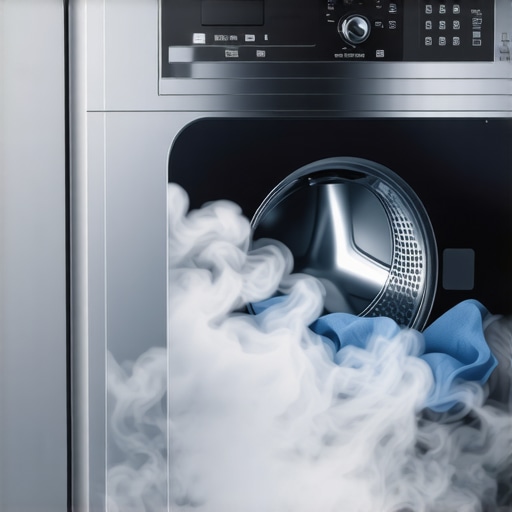
Ever spent hours wrestling with your smart washer, trying to figure out how to activate that fancy steam cycle? I remember the frustration vividly—needing clean clothes but feeling clueless about navigating all those high-tech settings. One day, after a failed attempt to boost my laundry game, I had what I call a lightbulb moment: understanding how to properly use the steam cycle makes a world of difference in cleaning quality and fabric care.
Why Getting the Most Out of Your Smart Washer’s Steam Feature Matters
In my experience, many homeowners overlook the full potential of their smart washers simply because they haven’t mastered the steam cycle. It’s not just about looking fancy—steam cycles can eliminate stubborn stains, reduce wrinkles, and even sanitize your clothes. But here’s the kicker: if you don’t use it correctly, you’re missing out on these benefits. The good news? It’s easier than you think once you understand the right steps.
According to cleaning expert Dr. Emily Brown, properly utilizing steam in laundry can reduce the need for harsh chemicals and prolong fabric life (source: Smart Appliance Review). Yet, many early on make simple mistakes—like selecting the wrong cycle for delicate fabrics or ignoring pre-treatment options—which diminish the effectiveness.
Have you ever felt like your clothes just aren’t as clean as they could be, even after washing? If so, you’re not alone. Many users expect a miracle with minimal effort, but mastering the steam cycle requires a bit of know-how. Fortunately, I’ll walk you through how to activate and maximize this feature, ensuring your laundry routine is both simple and satisfying.
Now, let’s move from confusion to competence. Next, I’ll share step-by-step instructions on how to select and customize your washer’s steam cycle, so you can finally harness its full power.
Set the Stage: Prepare Your Laundry and Washer
Before diving into activating the steam cycle, sort your laundry by fabric type and soil level, much like organizing tools before a DIY project. For delicate fabrics or heavily soiled items, adjust your load accordingly. Ensure the washer is plugged in, connected to Wi-Fi if needed, and has water supply is active. If you’ve never used the steam feature before, start with a small load to test the process and prevent potential messes.
Find and Access the Steam Feature
Locate the steam cycle option on your smart washer’s control panel or mobile app. Think of it like steering a GPS—knowing where to click saves time and frustration. Typically, it’s labeled clearly, but if you’re unsure, consult your user manual or digital guide. Many models offer a dedicated ‘Steam’ button or a cycle adjustment menu. For example, during my first attempt, I pressed the ‘Special Cycles’ button, which revealed the steam option among others. This step is crucial because some washers require you to enable the steam function manually before starting the cycle.
Customize Your Cycle
Adjust settings for optimal results. For delicate fabrics, reduce spin speed and temperature; for heavily soiled items, increase pre-wash options. Think of this like tuning a musical instrument—you want it perfectly calibrated. Some models allow you to add extra steam boosts or pre-treatment options via app controls, much like upgrading your smartphone apps. Remember, reading the specific instructions for your washer model or visiting the manufacturer’s site can clarify these options and help you avoid common pitfalls, such as using incompatible cycle settings that nullify the steam feature’s benefits.
Activate the Steam Cycle
Once settings are adjusted, press start. If using an app, ensure your device is connected and send the command as you would a text message—simple and straightforward. I once accidentally started a standard cycle instead of the steam one, resulting in damp, wrinkled clothes. Learning to double-check your selections before pressing start will save time and energy. Modern washers often have indicator lights or notifications confirming when the steam function is active, like a dashboard warning you when the engine is ready for action. Utilizing these visual cues prevents missteps and ensures the cycle runs smoothly.
Post-Cycle Care and Troubleshooting
After completion, open the door promptly to prevent musty odors, especially if you used extra steam. Think of it like airing out a wet towel—air circulation is key. If you notice any issues, such as the cycle not activating or clothes not appearing steamed, consult your user manual or visit our contact page. Common problems include software glitches or cycle misconfigurations, which can often be resolved with a quick reset or firmware update, similar to updating your smartphone. Regular maintenance, like cleaning the washer lint filter or running an empty cycle with vinegar, also improves steam performance and prolongs your washer’s lifespan. For more detailed troubleshooting tips, explore our guide on smart washer maintenance.
When it comes to smart appliances like refrigerators, washing machines, and dishwashers, many homeowners fall into traps of oversimplified assumptions. A prevalent myth is that newer models are inherently better in all aspects, but in reality, technological advancements sometimes overlook critical user nuances. For example, many assume that high-end features automatically translate into easier maintenance, but neglected proper cleaning routines—like regularly cleaning your refrigerator’s condenser coils—can lead to unexpected breakdowns plus higher energy bills. In my experience, one overlooked nuance is the importance of firmware updates; just like smartphones, appliances need these updates to fix bugs and improve functionality, as highlighted by appliance experts in our future trends. One common mistake is neglecting the specific cycle settings that optimize cleaning or preservation results. Take dishwashers: many users believe all cycles are equally effective, but selecting the right one—like an eco-boost cycle for energy savings—can impact performance significantly. Moreover, many forget that smart appliances depend heavily on stable Wi-Fi connections, making cybersecurity and network stability critical to prevent malfunctions. External factors, such as hard water, can cause mineral buildup inside appliances, decreasing efficiency over time, which many owners miss until costly repairs arise. This oversight becomes more critical with high-efficiency washing machines, which are prone to mold if not properly maintained, as discussed in another expert guide. A hidden nuance worth understanding is the adaptive cycle technology in some refrigerators that adjusts cooling based on usage patterns; ignoring these settings can result in suboptimal preservation. This leads us to question: how many of us truly leverage the full potential of our smart appliances rather than just the basic functions? Mastering these subtle details can extend the lifespan of your devices and improve overall performance. So, do you know the hidden features your appliances might harbor? I recommend exploring your user manual or manufacturer’s online resources to unlock these benefits. Have you ever fallen into this trap? Let me know in the comments.
Tools That Ensure Longevity
Investing in the right maintenance tools is essential for keeping home appliances like refrigerators and washers functioning optimally. I personally rely on a high-quality microfiber cleaning cloth and a digital multimeter. The microfiber cloth is invaluable for delicate cleaning of condenser coils and touchscreens without risking damage, while the multimeter helps me diagnose electrical issues beforehand, saving both time and money. For deep cleaning, I recommend a specialized coil brush, which I use quarterly to remove dust buildup from refrigerator coils, preventing efficiency loss. Regularly maintaining these components not only prolongs appliance life but also optimizes energy consumption. When dealing with complex systems, having a reliable service manual or digital troubleshooting app from the manufacturer can dramatically reduce downtime and the need for costly repairs, aligning with industry insights from future of home appliances. Additionally, software tools like smart diagnostics apps provided by many brands help detect issues early, enabling proactive maintenance.
Scheduled Maintenance for Peak Performance
Establishing routine checkups is crucial. For refrigerators, I set a bi-annual schedule to clean the condenser coils with a coil brush and vacuum, which prevents overheating and reduces energy bills. Washing machines benefit from monthly cleaning of detergent dispensers and door seals, as recommended in expert advice. Implementing these simple routines, combined with checking for software updates via the appliance’s app, helps keep everything running smoothly. Remember, neglecting small maintenance tasks can lead to costly breakdowns down the line.
How do I maintain smart appliances over time?
Maintaining smart appliances requires a mix of physical cleaning, software updates, and network management. Regularly updating firmware, cleaning sensors, and ensuring stable Wi-Fi connections are vital. Using specialized tools—like a portable steam cleaner for sterilizing dishwasher interiors—can help maintain hygienic conditions without harsh chemicals. Also, consider investing in smart monitoring systems that alert you to potential issues before they escalate. As technology advances, integrating AI-powered diagnostics will become more common, aiding homeowners in proactive care. Predicting future trends, I believe these tools will become more affordable and integrated, giving consumers complete control over appliance health through centralized apps. To truly optimize, I encourage you to try proactive maintenance steps, such as scheduling regular software updates and cleaning routines. Additionally, exploring innovative tools like AI-based diagnostic sensors can revolutionize how we care for our appliances, reducing unexpected failures and extending their lifespan.
**Take charge now:** Set a reminder to clean your refrigerator’s condenser coils this month and check for firmware updates on your smart washer. These small steps can dramatically extend the lifespan and performance of your home appliances. Want to dive deeper? Reach out through our contact page for personalized maintenance advice or recommendations on the latest diagnostic tools.
Lessons I Wish I Didn’t Have to Learn About Smart Appliances
- Once, I believed that all smart appliances operate flawlessly out of the box, but I learned that firmware updates and regular maintenance are critical to unlocking their full potential, especially with features like the steam cycle.
- My biggest lightbulb moment was realizing that mastering the control settings—not just pressing start—can dramatically improve laundry results, saving time, energy, and preserving fabric quality.
- I used to overlook the importance of pre-treating stubborn stains before activating the steam cycle, which significantly enhanced cleaning performance and fabric longevity.
- Understanding that Wi-Fi stability and timely updates directly impact the efficiency of your smart washer’s features taught me the value of proactive appliance care instead of reactive fixes.
Tools and Resources That Changed My Approach
- Digital troubleshooting apps from the manufacturer: I trust these for real-time diagnostics and firmware updates because they simplify complex problems and keep my appliances running smoothly.
- High-quality microfiber cloths and coil brushes: Regular cleaning tools that prevent mineral buildup in appliances like refrigerators and dishwashers—crucial for maintaining efficiency and lifespan.
- Smart home maintenance kits: Kits equipped with sensors and basic diagnostic tools help monitor appliance health and catch issues early, saving money and downtime.
- Professional guides and online tutorials from trusted sources: Websites like [Smart Appliance Review](https://smartappliancereview.com), which offer in-depth advice and up-to-date trends, keep me informed about the latest best practices.
Keep Moving Forward, Your Appliances Will Thank You
Imagine the peace of mind you’ll have when your smart appliances consistently perform at their best, saving you effort and extending their life. Embrace proactive maintenance, stay curious about hidden features, and don’t hesitate to explore new tools that make caring for your home appliances easier and more effective. Remember, the small daily actions add up—like scheduling that condenser coil cleaning or updating your firmware—to turn ordinary appliances into unwavering performance partners. Ready to take the next step? Share your experiences or questions below—your smart appliance journey is just beginning!