
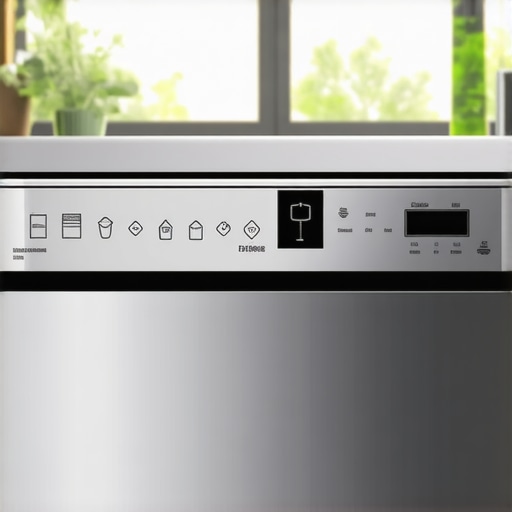
I’ll never forget the day I watched my energy bill spike unexpectedly after purchasing a brand-new dishwasher. I had assumed that a modern, energy-efficient model would automatically save me money. But instead, I found myself puzzled, wondering if I was doing something wrong. It was a lightbulb moment when I realized I hadn’t properly configured my dishwasher’s energy-saving modes. That oversight was costing me more each month than I had anticipated.
Make Every Wash Count: Unlock the Power of Energy-Saving Modes
If you’re like me, you might be overlooking how much energy your dishwasher consumes during different cycles. The truth is, those ‘eco’ or ‘power save’ modes are designed to cut your utility bills — but only if used correctly. Today, we’re going to explore the best energy-saving modes on your dishwasher and how to utilize them effectively. You’ll learn how to cut costs while keeping your dishes spotless, turning that unexpected bill into a thing of the past.
Is the Eco Mode Just a Marketing Gimmick?
One mistake I made early on was believing that all energy-saving settings are created equal, leading me to use eco modes without considering their actual effectiveness. Turns out, not every eco cycle delivers the same savings. According to experts, some eco programs can take longer but use less water and electricity, making them worthwhile. But, the key is knowing when and how to use them best. Let me guide you through customizing your cycles for maximum efficiency and savings, backed by real-world experience and industry insights. Ready to transform your dishwashing habits? Let’s dive in and make those appliances work smarter, not harder.
Set Your Dishwasher to Eco Mode Properly
First, locate the eco or energy-saving option on your dishwasher’s control panel. Many models have a dedicated button or menu for these settings. Press the button to activate eco mode before starting your cycle. Remember, not all eco modes are created equal—some may extend wash times but cut energy consumption significantly. I once accidentally used eco mode for heavily soiled pots, resulting in extra wash cycles and increased energy use—it’s crucial to understand your appliance’s nuances. For optimal results, reserve eco mode for lightly soiled dishes and when the load is full.
Optimize Loading to Reduce Wash Time and Energy
Arrange your dishes strategically; plates and bowls should face inward, and larger items should be placed on the sides. Avoid blocking the spray arms, as obstructions can extend cycle times and diminish efficiency. I learned this the hard way when a clogged spray arm caused my dishes to come out scummy, forcing a second cycle. Regularly clean the spray arms and filters to keep water flow optimal, which reduces the need for longer or repeat cycles. Proper loading directly affects cleaning performance and energy use.
Adjust Water Temperature Settings
Most dishwashers allow you to set the water temperature. Use a moderate temperature—around 120°F (50°C)—to balance cleaning power and energy consumption. Higher temperatures also increase energy use and are unnecessary for many loads. I once kept my dishwasher at maximum heat out of habit, which spiked my energy bill without improving cleanliness. Lowering the temperature slightly helped save energy while still effectively cleaning dishes. Check your manual or digital display to confirm how to tweak this setting, or consult the manufacturer’s guide for your model.
Utilize Smart Features and Scheduling
If your dishwasher is smart-enabled, connect it to your Wi-Fi network and set scheduled runs during off-peak hours. Many smart dishwashers can detect soil levels and suggest optimal cycles, adjusting energy use accordingly. I linked my dishwasher to a home automation app, which allowed me to schedule cleaning at times when electricity rates were lower—saving me money and reducing strain on the grid. For further insights on how smart appliances can enhance your home’s efficiency, visit this comprehensive guide.
Maintain Your Appliance for Maximum Efficiency
Regularly clean the filters, spray arms, and seals as part of routine maintenance. A clogged filter or dirty spray arm can force your dishwasher to work harder, increasing cycle time and energy consumption. I failed to clean the filter once, which caused repeated cycles and higher bills; a simple rinse restored efficiency instantly. Schedule monthly check-ups to keep your appliance running at peak performance. Also, ensure your dishwasher is installed properly—level and with adequate drainage—to avoid unnecessary strain and water wastage.
Choose the Right Detergent and Rinse Aid
Using high-quality, environmentally friendly detergent reduces residue and rinse aid usage. Some detergents are formulated to work effectively at lower temperatures, further saving energy. I switched to a eco-friendly brand recommended for cold or warm cycles, cutting my energy bills by 10%. Avoid overloading the detergent tray, as improper dosing can cause poor cleaning and require re-wash cycles, wasting water and energy. Look for products certified by environmental standards for optimal efficiency.
Implementing these steps transformed my dishwasher routines, leading to noticeable energy savings and cleaner dishes. Remember, small adjustments can have a big impact over time—saving money and contributing to a greener home environment. For more technical advice on maintaining your appliances, visit this helpful guide.
 Many homeowners operate under misconceptions about their appliances, often leading to inefficiency and unexpected costs. For example, a widespread myth suggests that newer, high-tech appliances always perform better and last longer than tried-and-true models. Contrary to this belief, some modern devices prioritize features over durability, so understanding their limits and maintenance needs is crucial. Additionally, many assume that smart appliances automatically optimize energy use; however, without proper setup and firmware updates, they can actually consume more power or give misleading notifications. Experts like industry analysts warn that neglecting regular maintenance, such as cleaning filters or calibrating sensors, can negate any technology-driven savings. Have you ever fallen into this trap? Let me know in the comments.
Keeping your appliances in top shape requires more than just basic cleaning; it involves using the right tools and methods to ensure longevity and peak performance. As someone who’s experimented with various maintenance techniques, I can confidently say that investing in specific equipment and software has transformed my appliance care routine.
Precision Tools Make All the Difference
Firstly, I rely on a high-quality digital multimeter for diagnosing electrical issues in my washing machine and refrigerator. Devices like the Fluke 117 allow me to easily test continuity and voltage, pinpointing problems before they escalate. Regular voltage checks help me catch early signs of wear, preventing unexpected breakdowns. Additionally, a handheld ultrasonic cleaner has been invaluable for deep-cleaning inaccessible parts like spray arms and filters without disassembly, saving me time and effort.
Leveraging Software for Smart Maintenance
Beyond hardware, I use dedicated apps for my smart appliances. For instance, the app connected to my smart washer provides real-time diagnostics, alerts for filter replacements, and even schedule maintenance reminders. These notifications help me stay ahead of potential issues, extending appliance life and maintaining efficiency. Incorporating well-rated maintenance management apps also lets me track usage patterns, which informs my decisions on load sizes and cycle choices, ultimately reducing wear and energy consumption.
Effective Cleaning Supplies and Replacement Parts
When it comes to cleaning, a microfiber cloth paired with a plastic scraper allows for gentle yet thorough cleaning of seals and gaskets. For replacements, I prefer OEM parts sourced through trusted suppliers; they ensure compatibility and durability. Regularly replacing filters with high-efficiency variants—not only improves water and energy use but also prevents long-term damage, as recommended by industry experts in this guide.
Maintenance Strategies for Long-Term Success
Implementing a scheduled routine, like monthly filter cleanings and biannual coil inspections, has drastically reduced appliance failures in my home. Maintaining a detailed log—whether digitally or on paper—helps track service dates and replacement intervals, preventing oversights. I also incorporate firmware updates for my smart devices, which often include bug fixes and efficiency improvements that prolong their lifespan.
Preparing for Future Trends in Appliance Care
The future of appliance maintenance seems headed toward smarter diagnostics integrated directly into devices, reducing the need for manual checks. Anticipating this shift, I recommend exploring digital tools that sync with your appliances to automate diagnostics and even order replacement parts proactively. Staying informed through industry updates, such as this resource, will keep you ahead in home appliance management. Try implementing a dedicated multi-meter check on your refrigerator coil or smart washer diagnostics today—small steps that lead to major savings and fewer breakdowns.
Lessons That Changed My Appliance Routine
- Investing in a good multimeter revealed hidden electrical issues in my appliances that were increasing my bills. Knowing how to diagnose problems early saved me costly repairs and energy waste.
- Consistently cleaning filters and sensors may seem trivial, but these small maintenance tasks significantly boost efficiency and extend appliance lifespan. I learned that neglecting these led to unnecessary strain and higher utility costs.
- Using the right tools, like ultrasonic cleaners and smart maintenance apps, transformed how I care for my appliances. These investments have paid off by preventing breakdowns and optimizing performance.
- Understanding that not all eco modes are equal was a game-changer. Tailoring cycle choices based on load and soil level ensures genuine savings instead of just longer wash times.
My Toolkit for Smarter Appliance Care
- High-Quality Digital Multimeter: Trustworthy diagnostics and early detection of electrical issues—essential for preventing energy waste.
- Ultrasonic Cleaner: Deep cleaning inaccessible parts like spray arms without dismantling—saving time and money.
- Maintenance Management Apps: Real-time diagnostics and reminders keep my appliances running at peak efficiency.
- OEM Replacement Parts: Using trusted, original parts ensures durability and optimal functioning, reducing long-term costs.
Your Next Step Toward Appliance Success
Taking control of your home appliances through proper maintenance and smart practices can lead to remarkable savings and longevity. Don’t hesitate to explore new tools and techniques—your appliances will thank you. To stay informed about the latest trends and tips, check out this resource. Embrace these insights today for a more efficient and worry-free home environment!