
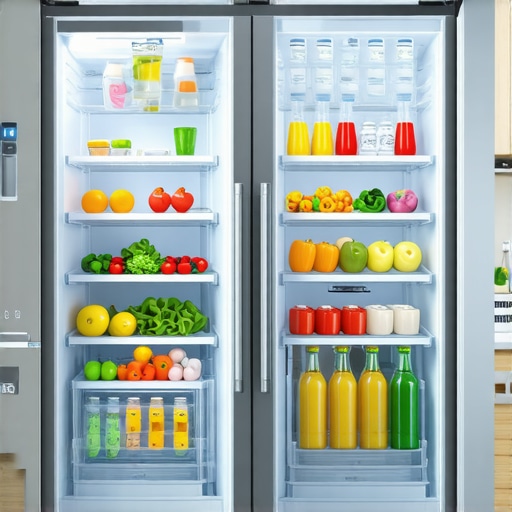
I remember the first time I tried to cram one too many leftovers into my fridge, only to realize I was fighting for space on every shelf. It was frustrating—every trip to grab a snack or organize my groceries felt like a puzzle with missing pieces. Then, during a quiet Sunday, I had a lightbulb moment: what if the solution wasn’t about buying a bigger fridge but optimizing what I already had?
Why Most Refrigerator Shelves Are Holding You Back
It’s a common scenario—purchasing the latest smart fridge with all the bells and whistles, only to find that internal space isn’t quite enough. After some experiments and a bit of trial and error, I discovered that the way shelves are arranged can make or break your storage capacity. Many of us follow the default setup, unaware that simple hacks can turn those standard shelves into space-maximizing marvels. Did you know that improperly arranged shelves can reduce your fridge’s usable space by up to 30%? That’s a huge chunk of potential storage lost and plenty of room for more groceries or leftovers.
Could Your Kitchen Be Missing Out on Extra Space?
Early on, I made the mistake of stacking containers haphazardly or ignoring the vertical space. This mistake immediately hampered my efficiency. I realized that understanding and intentionally redesigning my fridge’s interior layout could save me from weekly clutter battles. If you’ve ever faced the same frustrations—juggling bottles and containers, wasting time digging through the mess—then you’re in the right place. I’ll guide you through some of my favorite refrigerator shelving hacks that truly made a difference for me, and they can do the same for you. Want to see how these simple ideas can revolutionize your kitchen? Keep reading, and you’ll find practical tips to create that extra space you’ve been craving.
Rearrange Shelves Strategically to Increase Capacity
Start by emptying your fridge and removing all the shelves. Examine each shelf’s size and shape to identify versatile options. Think of your shelves as building blocks—by stacking them differently, you can create custom compartments tailored to your needs. For example, placing a shelf closer to the door allows taller bottles to stand upright. I did this myself by adjusting the top shelf to a slight tilt, fitting elongated bottles without wasting space below. Use adjustable shelves to create different levels, accommodating larger or irregularly shaped items.
Stack Containers Vertically for Better Utilization
Use stacking bins or organizers designed for refrigerators. Place smaller containers on top of larger ones, akin to stacking nested boxes, which frees up horizontal space. I repurposed an old spice rack as a vertical organizer, fitting neatly into a narrow space and giving me an extra shelf for small jars. This approach prevents clutter and makes retrieving items faster.
Implement Zone-Based Organization
Divide your fridge into zones—dairy, produce, beverages—each with dedicated space. Assign specific shelves or drawers for each category, which prevents cross-contamination and maximizes space. For example, I dedicated the bottom drawer for fruits, which are tall and bulky, while the middle shelf held dairy, utilizing the vertical height efficiently. Label or note these zones for family members to maintain order.
Optimize Door Storage for Lightweight Items
The fridge door is often underutilized. Use clear containers or door-mounted organizers for small, lightweight items such as condiments or drinks. Think of it as a mini pantry—by keeping these items in the door, you free up shelf space for heavier, bulkier items in the main compartment. I used a stacked set of Lazy Susans in the door to categorize bottles and jars, reducing the need to shuffle through stacking bottles on shelves.
Use Technology and Accessories to Enhance Storage
Consider smart accessories like adjustable wire racks or specialized bins that can be moved or reconfigured. These tools act like modular furniture for your refrigerator, allowing you to customize storage as your needs change. I installed a slim, pull-out bin at the back of my fridge, which expanded my storage options without requiring more space. Additionally, smart fridge apps can remind you of expiring items and help you plan your shopping list, reducing unnecessary clutter.
Maintain a Clean and Decluttered Approach
Regularly audit your fridge—discard expired food and reorganize. Think of this as a spring cleaning for your appliance; a tidy fridge not only looks better but maximizes available space. Personally, I set a monthly reminder to tidy up, which prevents stacking items haphazardly and ensures optimal use of space.
Applying these techniques transformed my kitchen. Not only did I gain extra space, but I also found it easier to access what I needed, saving me time and reducing frustration. Remember, small adjustments can lead to significant improvements in your fridge’s capacity and efficiency. For more insights into optimizing home appliances, explore top refrigerator features of 2025 or tips on choosing the perfect model from industry experts. By implementing these practical steps, you’ll turn your fridge from a cluttered mess into a well-organized marvel.
Many consumers assume that newer, smarter appliances automatically mean better performance or reliability. However, the reality is often more nuanced. For instance, a common myth is that smart washing machines can completely eliminate the need for manual intervention. In practice, these devices require regular firmware updates and proper maintenance to function optimally, as highlighted by experts in smart appliance troubleshooting. Neglecting these updates can lead to frustrating errors or delayed cycles, which defeats the purpose of smart technology.
Another misconception revolves around energy efficiency features. Many believe that eco modes will drastically cut utility bills, but studies, such as those from the Department of Energy, show that these modes often result in longer cycle times, which can offset energy savings. Interestingly, many users overlook the importance of proper load sizing and maintenance, like cleaning filters and seals, that directly impact appliance efficiency. Overlooking such details can cause appliances to work harder than necessary, leading to higher energy consumption and wear over time.
When it comes to refrigerators, a frequent mistake is the assumption that all models are equally durable. In reality, as detailed in refrigerator longevity reports, many modern units rely heavily on electronic components that can fail prematurely if not properly maintained or if subjected to power surges. This underscores the importance of investments in surge protectors and regular diagnostic checks, especially for high-tech models.
Deep down, a lot of users are unaware of the complex mechanics behind dishwasher and washing machine cycles. For example, selecting the right cycle isn’t just about dirt level but also about understanding the nuances of water temperature and spray patterns. Failing to choose optimal settings can lead to inadequate cleaning and increased appliance strain. A good rule of thumb is to consult your appliance manual or trusted reviews like AI-enabled dishwashers for insights, rather than sticking to default settings blindly.
Do smart appliances truly simplify your life or make it more complicated?
This is a question that advanced users are asking more frequently. While intelligent devices have enormous potential, they also introduce new vulnerabilities—like security breaches and software glitches—that can turn your convenience into frustration. Industry analysts warn that rushing into the latest smart tech without understanding its troubleshooting needs can backfire, costing time and money. Therefore, it’s vital to research and choose appliances that offer not just cutting-edge features but also comprehensive support and update policies, such as those discussed in smart home integrations.
Have you ever fallen into this trap? Let me know in the comments. The key takeaway is that understanding the intricacies and potential pitfalls of our appliances helps us make smarter, long-lasting choices, rather than just chasing the latest buzzwords.
How Do I Keep My Appliances Performing at Their Best?
Maintaining your home appliances, from refrigerators to dishwashers, requires a combination of the right tools and consistent habits. I personally rely on a few select items and routines that have proven effective over years of hands-on experience. One essential tool I never go without is a digital infrared thermometer. It helps me quickly assess if a refrigerator’s compressor or a washer’s motor is overheating, enabling proactive interventions before costly repairs occur. Regularly checking door seals with a simple dollar bill is another low-tech yet highly effective method to ensure energy efficiency and prevent cooling leaks.
From a software standpoint, I swear by appliance-specific diagnostic apps. These apps provide detailed error codes and troubleshooting steps. For example, the app linked to smart fridges will often tell you whether the sensor, compressor, or control board is causing issues—saving time and money on unnecessary service calls. My favorites include manufacturer-approved apps and third-party diagnostic tools that connect via Wi-Fi or Bluetooth, offering real-time insights into appliance health.
Upgrading with Smart Maintenance Tools
As smart appliances become more prevalent, investing in compatible accessories dramatically extends their lifespan. I recently added a smart plug with energy monitoring capabilities to my washing machine. It tracks energy usage patterns, helping me identify when a cycle starts consuming more power than normal—often a sign of mechanical issues or buildup. Similarly, smart filters with IoT sensors alert me when it’s time for a clean, preventing mold or clogs that significantly impair appliance efficiency.
In addition to hardware, routine digital inspections of firmware updates are crucial. Manufacturers release patches that fix bugs, enhance security, and improve performance. I schedule monthly checks for updates on my appliances’ companion apps, using overlays to remain updated without inconvenience. Neglecting these updates, as shown in this case study, can lead to sluggish operation or data sync issues. Make it a habit to set recurring reminders—it’s a small effort with big rewards.
Future of Appliance Maintenance
The trend is clearly moving toward predictive maintenance, leveraging AI and IoT sensors to anticipate failures before they occur. Companies are integrating machine learning algorithms that analyze usage and sensor data to recommend repairs or part replacements. For instance, in the coming years, your refrigerator might notify you of a compressor nearing the end of its lifespan, allowing for scheduled repairs rather than unexpected breakdowns.
To stay ahead, I recommend trying out a smart diagnostics hub that consolidates data from multiple appliances. These hubs can streamline maintenance schedules and help you address issues promptly, saving money and extending appliance lifespan. As technology evolves, your best strategy is to combine reliable hardware tools with vigilant software updates and data analysis—making “keeping it working” a seamless, stress-free process.
How Do I Maintain My Appliances Over Time?
Consistency is key. Establish a routine maintenance schedule—clean filters every three to six months, check seals biannually, and perform firmware updates monthly. Using tools like a digital thermometer or smart diagnostic apps ensures you catch issues early. Consider investing in IoT-enabled accessories for real-time monitoring, which can preempt major failures. In the end, proactive care with the right tools not only prolongs appliance life but also preserves their efficiency, saving you money and peace of mind. For specialized advice or troubleshooting tips, visit my contact page. Try integrating one advanced maintenance tip today, such as setting up an energy monitoring system for your refrigerator, to start experiencing the benefits firsthand.
Lessons the Manuals Never Told Me About Refrigerators and Smart Appliances
- One of my hardest lessons was realizing that digital labels and smart alerts are only effective if you keep firmware updated regularly. Skipping updates may seem harmless, but I’ve seen how outdated apps can cause frustration or false notifications, making me distrust the technology I relied on. Staying consistent with updates turns smart appliances into reliable partners rather than sources of confusion.
- I also learned the importance of not just cleaning filters but understanding their role — a clean filter isn’t just about appearance; it directly impacts appliance efficiency. Forgetting to replace or clean them in time led me to unnecessary repairs and energy wastage. Now, I incorporate routine checks into my maintenance schedule, which keeps everything running smoothly.
- Another surprising insight was that zone-based organization isn’t just a neat trick but a practical way to prevent cross-contamination and keep food fresher longer. When I dedicated specific shelves and labels, I reduced clutter and cut down on door-opening times, helping my appliance do its job better and last longer.
- Finally, I discovered that despite smart technology promises, simple physical hacks—like stacking containers vertically or adjusting shelf heights—still deliver instant improvements. Combining these traditional tips with high-tech solutions creates a balanced, efficient approach to home appliance management.
Tools That Changed How I Maintain My Appliances
- Smart diagnostic apps: I trust manufacturer-approved apps like the ones I use for my fridge and washer; they provide real-time insights and prevent costly breakdowns. Being proactive rather than reactive has saved me both time and money.
- Infrared thermometers: Monitoring the temperature of my fridge’s compressor helps me identify issues before they escalate. This simple tool is invaluable for catching overheating or inefficiencies early, ensuring longer appliance life.
- Leak detectors and smart sensors: Devices like IoT-enabled leak sensors have alerted me to minor issues like small water leaks, preventing bigger, more expensive repairs down the line. Investing in these accessories is a game-changer for long-term appliance care.
- Energy monitoring plugs: By tracking energy consumption, I spot patterns that could indicate mechanical problems or inefficiencies, allowing timely interventions—often before I notice any decline in performance.
Believe in Your Power to Transform Your Home Experience
Embracing a proactive and informed approach to managing your appliances, especially smart ones, can revolutionize your daily life. Small changes—updating firmware regularly, reorganizing shelves for better efficiency, and leveraging innovative tools—build into a powerful routine that prolongs the life of your appliances and enhances your home’s harmony. Remember, knowledge combined with action empowers you to create a smarter, more organized, and stress-free environment. Are you ready to take the next step in optimizing your appliances? Share your experiences or ask questions below to keep the conversation going.