
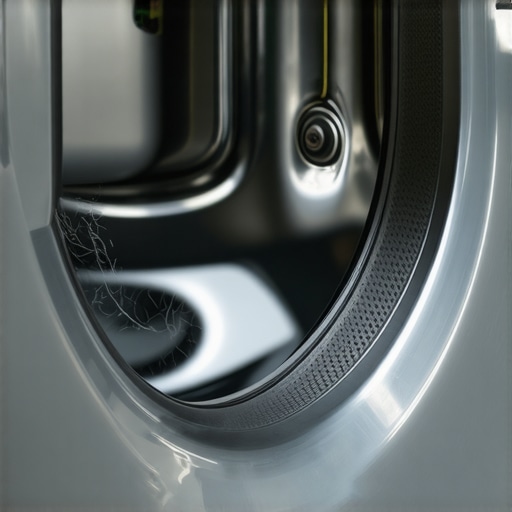
One morning, I reached into my laundry room and heard a strange, almost grinding noise coming from my washing machine. My heart sank—was it the bearings? I had ignored some earlier odd vibrations for a while, thinking it was just another appliance quirk. But this time, the sound was unmistakable, and I knew I was facing a potentially costly repair—or worse, a sudden breakdown that could leave me stuck with a mountain of dirty clothes.
Why Catching Washer Bearing Trouble Early Changes Everything
Dealing with a failing washer bearing is no fun. I learned the hard way that waiting until your machine makes a terrible racket or leaks water can lead to disastrous consequences. Early detection not only saves you money but also spares you the frustration of an emergency repair. Plus, knowing how to spot the warning signs puts you in control—no more guessing or hoping it will just go away.
Are You Wasting Time Waiting for Symptoms to Get Worse?
Many homeowners, myself included at first, think that the occasional noise or a little wobble isn’t a big deal. But those small signs often escalate quickly. Early signs include unusual noises during spins, excess vibration, or a musty smell caused by moisture escaping the bearing seal. Recognizing these indicators can make the difference between a simple fix and a costly replacement.
One mistake I made early on was ignoring a slight grinding sound, thinking it was just a weird imbalance. That was a mistake—had I addressed it sooner, I might have avoided more extensive repairs. The key is to listen closely and pay attention to those subtle changes. And don’t worry—once you know what to look for, it becomes second nature. For a detailed overview of smart appliance signs of impending failure, check out this resource.
Next, we’ll dive into the practical steps to identify those warning signs yourself, and keep your laundry routine running smoothly without the surprise of a broken washer. Ready to become appliance-aware and save money? Let’s get started!
,
Listen Carefully to Identify Early Warning Signs
When you hear a grinding or rumbling during the spin cycle, it’s like your washing machine is warning you. A real-life example: I noticed a faint squeal that grew louder over a few washes. By paying attention, I caught the issue early and avoided costly repairs. To monitor your machine, run it normally and note any unusual sounds or vibrations, especially during high-speed spins. Think of it as listening to your car’s engine—tail signs always precede breakdowns.
Access the Washer Drum and Verify the Bearing’s Condition
Start by unplugging the appliance and removing panels or the top cover, depending on your model. Be precise: use a screwdriver to detach components systematically, like peeling an onion. Once inside, manually rotate the drum; if it feels rough or has play, the bearing might be loose or worn. Visual signs include rust, corrosion, or grease leaks. Remember, my own first attempt involved unbolting the rear panel, which revealed a cracked bearing seal—prompt action prevented further damage.
Inspect the Bearing Seal for Leaks or Damage
The seal guarding the bearing is your first indicator. If you notice moisture or grease around the seal area, it’s a sign that the bearing has failed. I once found a small leak that I initially thought was just water, but closer inspection showed oil residue—a telltale sign the seal was compromised. Replacing a damaged seal promptly prevents water from reaching the bearing, prolonging its lifespan.
Remove and Replace the Faulty Bearing Efficiently
Replacing a bearing involves pressing out the old unit and pressing in a new one. Since modern washers are like precise puzzle boxes, use a bearing puller or press tool. During my first attempt, I rented a bearing press from a local hardware store, which made extraction smoother. Remember, lubricate the new bearing with compatible grease, akin to how a mechanic applies oil during an oil change. Follow your manufacturer’s guide or consult online tutorials to ensure correct installation—this mastery can save a lot of money.
Reassemble and Test Without Delay
Once the new bearing is in place, reassemble the panels carefully in reverse order. Before loading laundry, run a test cycle on the machine empty. Listen and observe: if the noise is gone and the drum turns smoothly, you’ve successfully fixed the issue. Think of it as a test drive—if all sounds are normal, you’re good to go. If problems persist, double-check installation or consider seeking professional help via contact us.
Maintain Your Washer to Avoid Future Problems
Regular maintenance is key. Clean the filter and drum seals periodically—think of it as giving your appliances a health check. Use the manufacturer’s recommended detergents, and avoid overloading the machine, which stresses components. For smart washer models, employing smart maintenance tips can alert you to issues before they become severe.
By following these concrete steps, you transform from a helpless bystander to an active troubleshooter, much like how advanced smart appliances empower homeowners today. Staying vigilant and proactive ensures your laundry routine remains smooth, saving money and frustration in the long run.
,
Most People Miss the Nuances in Modern Appliances
When it comes to refrigerators, washing machines, and dishwashers, many homeowners rely on common advice that’s actually outdated. For instance, a widespread myth is that closing the fridge door quickly is enough to avoid waste, but in reality, the placement of the appliance and proper sealing are much more critical. Industry experts highlight that neglecting these details can increase energy consumption significantly, as discussed in this detailed analysis.
Common Mistakes That Drain Your Wallet
One frequent mistake is overloading washing machines or dishwashers, believing it saves time and resources. However, overloading hampers cleaning efficiency and strains the motor, leading to earlier breakdowns. Advanced models equipped with smart sensors can optimize water and energy use, but only if users understand proper loading techniques. This is a subtlety many overlook—thinking that more is always better—so be cautious to avoid costly repairs later.
Why do some smart appliances still fail prematurely despite the hype?
This is a question I get often. Many assume that buying the latest smart appliance guarantees durability. But in my experience, ignoring maintenance schedules or failing to update firmware can negate the benefits of smart features. A common trap is neglecting to regularly clean filters or forgetting to install updates, which can cause devices to malfunction or lose functionality. According to tech experts, routine maintenance is crucial to prolonging lifespan and ensuring optimal performance.
One
Investing in Reliable Tools for Long-Term Appliance Care
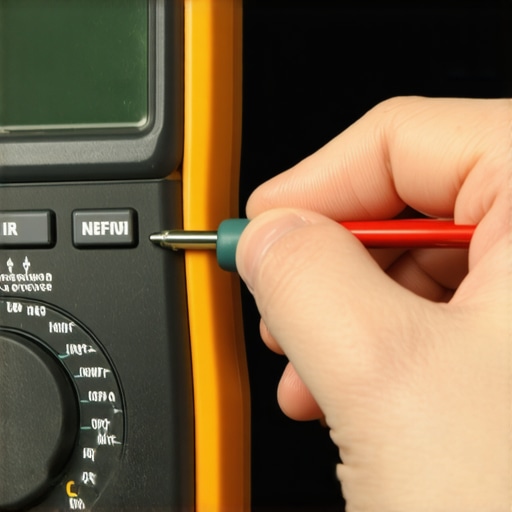
When it comes to maintaining your home appliances like refrigerators, washing machines, or dishwashers, having the right tools at hand makes all the difference. I personally rely on a high-quality digital multimeter, such as the Fluke 117, to troubleshoot electrical issues. Its precision allows me to quickly diagnose problems like faulty thermostats or tripped circuit boards, saving me time and money. Additionally, a cordless rotary tool, like a Dremel, is invaluable for disassembling components or cleaning difficult-to-reach areas inside appliances, ensuring thorough maintenance without damaging delicate parts.
For those who prefer digital records, I recommend using appliance management software such as HomeWizard or Samsung SmartThings. These applications sync with your smart appliances to provide real-time data, maintenance alerts, and troubleshooting tips. Regularly monitoring your device status through these platforms helps you catch issues early, extending the lifespan of your appliances. As technology evolves, expect these tools to incorporate AI-driven diagnostics, further simplifying maintenance tasks.
How do I maintain my home appliances over time?
Establishing a routine for regular inspection and cleaning is fundamental. For example, schedule monthly checks of filters, seals, and vent areas. Use a microfiber cloth and gentle cleaning solutions to prevent grime build-up, which can impair performance. For smart appliances, firmware updates are crucial; I set recurring reminders to check for updates via the manufacturer’s app, ensuring optimal functionality. As I learned from industry experts, performing these simple steps can prevent unexpected breakdowns and prolong the life of your devices.
Automating Maintenance to Save Money and Hassle
Most modern appliances are equipped with built-in diagnostics or connectivity features that facilitate proactive maintenance. For instance, smart washing machines like those reviewed at this resource can notify you when filters need cleaning or parts require replacement. I suggest setting up notifications on your phone to alert you at the earliest signs of trouble, enabling timely intervention. Integrating these alerts with home automation systems—like Google Home or Alexa—further simplifies the process, allowing voice commands or automated routines to trigger maintenance tasks.
Scaling Your Appliance Care as Your Home Grows
As your household expands or your smart home becomes more complex, it’s wise to upgrade your toolkit and systems. I’m personally considering investing in a professional-grade ultrasonic leak detector, which can identify hidden leaks in refrigeration or plumbing connections—saving potential water damage costs. Furthermore, with the increasing prevalence of AI-enabled appliances, staying informed about new features and updates through industry insights, such as future trends, empowers me to optimize their performance and longevity.
Embrace proactive maintenance today
Take the time to assess which tools and habits can enhance your appliance care routine. Start by trying out a dedicated diagnostic tool like a multimeter or scheduling regular firmware updates. These investments pay off by avoiding costly repairs and ensuring your appliances serve you well for years to come. Remember, staying one step ahead is the key to a smoothly functioning smart home—so don’t hesitate to incorporate advanced tools and habits into your maintenance plan!
The Hardest Lessons I Learned About refrigerators,home appliances,washing machines,dishwashers,smart appliances
One of the most eye-opening realizations was that neglecting minor issues often leads to major expenses. For example, ignoring a persistent squeal in the washer might seem harmless but can cause bearing failure if left unaddressed. The second lesson was understanding that routine maintenance isn’t just a chore—it’s a safeguard for longevity. Lastly, I discovered that educating myself about specific appliance models and their quirks saves countless headaches and money.
My Essential Toolkit for Appliance TLC
Over time, I’ve curated a set of tools that make appliance maintenance manageable. A high-quality digital multimeter helps me monitor electrical components, ensuring everything runs smoothly. A reliable cordless rotary tool allows for delicate disassembly and cleaning, preventing costly professional repairs. For digital tracking, I rely on apps like Samsung SmartThings to receive real-time alerts about my smart appliances. These tools have empowered me to act swiftly and confidently, reducing downtime and repair costs.
Embracing the journey of smarter appliance care
Proactive maintenance has changed my perspective—early detection is key. Instead of reacting to sudden breakdowns, I now focus on regular check-ins and learning the subtle signs of trouble. This mindset not only extends the lifespan of my appliances but also brings peace of mind. If you’d like to dive deeper into smart appliance trends or need personalized advice, check out this comprehensive guide. Remember, mastering appliance care isn’t just about fixing problems—it’s about taking control of your home’s technology and making it serve you better for years to come.