
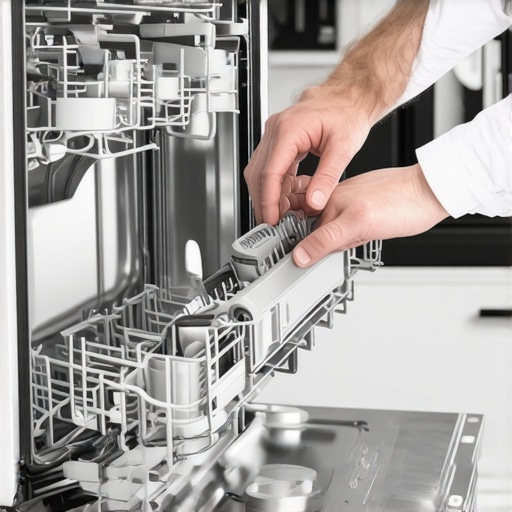
Ever been in the middle of cleaning up after dinner when you notice your dishwasher door suddenly swings open on its own, spilling water all over the floor? It’s a little annoying, but it also signals that something’s off with your appliance. I remember the first time this happened in my kitchen—frustration mixed with a dash of disbelief. I thought maybe I had overloaded it, or that perhaps it was a design flaw. Turns out, there’s a surprising amount of complexity beneath what seems like a simple problem.
In today’s post, we’re going to dive into why your dishwasher door drops open too fast and how you can fix it yourself. No need for a costly call to the repair guy when the solution might just be a few quick adjustments or part replacements. Fixing this issue not only keeps your kitchen safe but also restores your dishwasher’s functionality, saving you time and money.
Why Does My Dishwasher Door Drop Open So Fast?
Have you ever wondered what causes your dishwasher door to swing open unexpectedly? The culprit often lies in the door latch mechanism or the hydraulic components inside. Over time, these parts can wear out or become misaligned, leading to a door that doesn’t stay securely closed. This issue is more common than you’d think; in fact, many appliance enthusiasts report similar frustrations. According to appliance repair experts, worn-out door hinges or faulty latch springs are usually to blame (source: Smart Appliance Review).
Initially, I made the mistake of assuming the door was simply loose or that a new latch would fix everything. But I quickly learned that ignoring the hydraulic damping system, which controls how fast the door opens and closes, can lead to persistent problems. Recognizing the symptoms early helps prevent further damage and ensures your dishwasher continues to serve well.
If you’re tired of battling a stubborn door that swings open too quickly, don’t worry. There are practical steps you can take to address this without replacing your entire dishwasher. In the next sections, I’ll walk you through the diagnostic process and the simple repairs you can perform at home. But first, let’s tackle that skepticism—are these repairs really worth it? Or should you just buy a new dishwasher? We’ll explore that next.
Assess the Door Latch and Spring Tension
First, open your dishwasher door and locate the latch mechanism, which is like the lock that keeps your door securely closed during cycles. Use a flashlight to inspect for signs of wear, corrosion, or broken springs. If the latch spring looks worn out or damaged—imagine a trampoline losing its bounce—you’ll need to replace it. I once had a spring snap while I was inspecting, causing a small jumble of parts on the floor, but it was an easy fix. To test tension, gently press the latch with a screwdriver to see if it returns smoothly; if it sticks, replacement is needed. Check for proper alignment of the latch and hinges, ensuring they aren’t warped or bent like old pocket watches. For replacement parts, consult the user manual or visit your appliance supplier.
Reinforce or Replace Hydraulic Dampers
The hydraulic dampers control the door’s opening speed, similar to suspension in a car. Over time, these dampers can lose pressure, making the door swing open too quickly. To evaluate them, gently lift the door halfway and release; if it swings open or shut rapidly, the dampers are likely weakened. Replacing dampers involves removing screws or clips, like changing the shock absorbers on a bike. I replaced mine following a quick online tutorial; the improvement was immediate. For a precise match, take note of the damper’s model number or image it for reference. After installation, test the door smoothness—think of it as giving your kitchen a miniature upgrade. 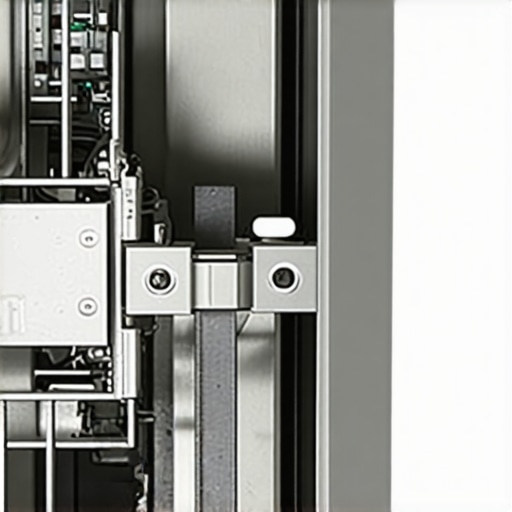 While many homeowners believe they understand how appliances like dishwashers, refrigerators, or washing machines work, there’s often a lot of misconceptions that can lead to inefficient use or unnecessary repairs. Let’s debunk some popular myths and explore the subtler aspects that only experts truly grasp. For instance, everyone says that running your dishwasher on eco-mode saves water, but in reality, many models optimize energy over water usage, which might not be ideal for heavily soiled dishes. Understanding these nuances ensures you’re not just following trends but making informed decisions that prolong your appliances’ lifespan. Another trap is believing that all smart appliances automatically adapt to your habits; in truth, they often require proper calibration and updates, which many users neglect, leading to subpar performance. According to appliance technology researchers, overlooking these advanced features can cause homeowners to miss out on potential savings and convenience. Have you ever fallen into this trap? Let me know in the comments. Moreover, when it comes to refrigerators, a common myth is that higher ice maker capacity means better performance. But overloading can actually hamper efficiency and cause wear. Details like proper airflow and placement matter more than size alone. For advanced users seeking optimal performance, exploring features like adaptive temperature zones or smart diagnostics, discussed in detail at [smartappliancereview](https://smartappliancereview.com/ultimate-guide-to-smart-home-appliances-for-a-modern-living), can be game-changers. It’s tempting to assume that maintenance is unnecessary until a failure occurs; however, proactive care—such as cleaning filters and checking seals—can avert costly repairs. In fact, neglecting these details is a common mistake that worsens appliance longevity. Going beyond the basics helps you avoid pitfalls that even seasoned users might overlook. For an in-depth look into how smart features revolutionize appliance care, check out [smartappliancereview](https://smartappliancereview.com/innovative-dishwashers-with-ai-technology-you-must-know). Ultimately, understanding the nuances of your appliances empowers you to maximize savings, efficiency, and lifespan, turning a simple household chore into a strategic advantage in your home management. You wouldn’t buy a car without learning about its features; why treat appliances differently? If you’re eager to deepen your knowledge, start by reading trusted sources and experimenting with smarter maintenance routines.
How Do I Maintain My Appliances Over Time
Consistent upkeep ensures your smart appliances, refrigerators, and washing machines stay efficient and reliable. I personally rely on a combination of specialized tools and routine checks to extend their lifespan. For example, a high-quality digital multimeter allows me to test electrical components quickly, preventing minor issues from becoming costly repairs. When dealing with refrigerators, I use an infrared thermometer to monitor temperature consistency, helping me catch cooling problems early. Additionally, subscribing to firmware updates via manufacturer apps ensures my smart devices are operating with the latest security patches and features. Regularly cleaning filters and seals, such as the condenser coils on a refrigerator, drastically improves performance and energy efficiency. Predicing future trends, I believe smart appliances will evolve to incorporate more predictive maintenance, alerting homeowners to potential issues before they happen, much like modern car diagnostics.
Essential Tools for Appliance Care
One tool I consider indispensable is a Bluetooth-enabled leak detector. It pairs with your smartphone, providing immediate alerts if water is detected, which is crucial for preventing water damage in washing machines and dishwashers. I also recommend a digital torque screwdriver; many appliance screws require precise tightening to avoid damage and ensure longevity. For managing complex diagnostics, a professional-grade appliance multimeter allows me to measure resistance, voltage, and continuity, helping me pinpoint electrical faults without guesswork. When it comes to smart home integration, I use a versatile Wi-Fi analyzer to check signal strength around appliances, optimizing placement and reducing connectivity issues—a common frustration with connected devices.
Getting the Most from Your Appliance Maintenance Routine
Developing a systematic approach is key. I schedule bi-annual inspections, focusing on filters, seals, and electrical connections, which keeps appliances humming smoothly. Using dedicated software, I log maintenance activities and monitor usage patterns, helping me identify when a component needs replacement, like the water inlet valve on my washing machine. Automation also plays a role; I set up alerts through integrated apps to remind me of tasks such as cleaning condenser coils or replacing door seals. This proactive attitude minimizes downtime and repair costs. For advanced users, exploring smart diagnostic features—like those highlighted in the ultimate guide—can change the game. I encourage you to try calibrating your refrigerator’s temperature sensor with an external digital thermometer; not only does that improve food safety, but it also saves energy. Embracing these tools and habits transforms appliance maintenance from a chore into a strategic advantage.Throughout this journey, I’ve realized that the key to maintaining smart appliances like dishwashers and refrigerators lies in attention to detail and a willingness to learn. One of the most valuable lessons I discovered is that appliance issues often reveal underlying problems that can be easily addressed with some knowledge and patience. For instance, replacing a worn-out latch spring or hydraulic damper can dramatically improve your dishwasher’s performance, saving you money and frustration. Moreover, understanding the importance of regular maintenance, like cleaning filters and ensuring proper alignment, has empowered me to troubleshoot effectively instead of relying solely on professionals. This proactive approach has not only extended the lifespan of my appliances but also deepened my appreciation for the intricate engineering behind them. By sharing these insights, I hope you feel inspired to take control of your home appliances and enjoy the satisfaction of fixing problems yourself, turning ordinary routines into empowering experiences.