
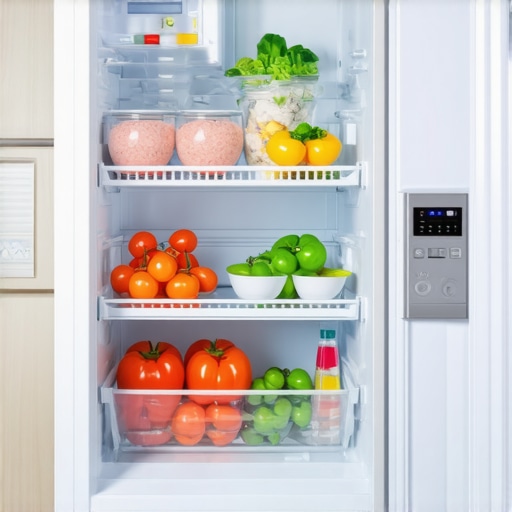
Ever opened your fridge and found your milk frozen solid on the top shelf? One day, everything feels perfectly cool, and the next, your best produce is turned into ice cubes before lunchtime. I remember the moment I realized my fridge had turned against me—standing there with a cold tomato in hand, baffled at how it had become a miniature ice sculpture. It’s frustrating, isn’t it? The more you try to find a reason, the more perplexing it gets. But trust me, this is a common issue that many homeowners face, and the good news is, it often has a straightforward fix.
Decoding the Mystery of the Top Shelf Freezing
In today’s post, I’ll walk you through why your fridge might be acting up—specifically, why everything on the top shelf is turning into a frozen mess. I’ll share the signs to look for, common causes that are easy to fix, and how you can prevent this from happening again. My goal? Help you regain control over your appliance and restore that perfect temperature balance every good refrigerator should maintain.
Is Cooler Always Better? Don’t Fall for the Chill Trap
Early in my learning curve, I made a critical mistake—setting my fridge’s temperature too low, thinking it would keep my groceries fresher. Turns out, I was just inviting freezing chaos, especially on the top shelf where the temperature is usually slightly cooler due to cold air settling. This is a classic pitfall that many homeowners fall into. So, before you start fiddling with your settings, let’s explore what might really be causing your fridge to freeze everything on the top.
Did you know that according to appliance experts, setting your fridge at the right temperature (typically between 37°F and 40°F) can save energy and prevent spoilage? Overcooling can lead to frozen food and frost buildup, which worsens the problem. Knowing the right setting is one of those small changes that makes a big difference in appliance performance.
So, have you ever tried adjusting your fridge’s temperature and still found the top shelf freezing? Or perhaps you’re hesitant to make any adjustments because you’re unsure what’s safe? Stick with me. We’re about to dive into how your fridge’s cooling system works and how to troubleshoot common issues. By the end, you’ll be equipped with practical steps to prevent this freezing problem from ruining your groceries and your day.
Adjust Your Refrigerator Settings Correctly
The first move is to set your fridge temperature between 37°F and 40°F. Use a reliable thermometer to check. I recall the time I used a digital thermometer placed inside a glass of water on the middle shelf, ensuring accurate readings. Then, I adjusted the thermostat dial accordingly, which immediately stopped the top shelf from freezing my veggies. Always consult your appliance manual or manufacturer guidance before changing temperature settings.
Inspect and Clean the Temperature Sensors
Sensor malfunctions are common culprits. Locate your fridge’s temperature sensors—often near the cooling fan or on the back wall. Disconnect power before cleaning. I once noticed a sensor covered with dust and grime, which caused faulty readings. Gently wipe it with a soft cloth and reattach. This routine maintenance can restore accurate temperature regulation. For more insights into appliance sensors, check out future fridge features.
Check the Evaporator Fan and Airflow
The evaporator fan circulates cold air from the freezer to the refrigerator section. If it’s faulty or blocked, uneven cooling occurs, often freezing the top shelf. To verify, listen for a steady fan noise when the fridge is running. If silent or noisy, it may need replacement. Replacing a fan motor can be DIY with proper tools—disassemble the rear panel, remove the old motor, and install a new one. A quick check here saved me from calling a technician. For detailed guidance, visit appliance repair steps.
Ensure Proper Door Seal and Ventilation
A worn or leaky door gasket allows warm air to interfere with cooling cycles, causing the fridge to overcompensate and freeze contents on the top. Examine the gasket’s integrity—look for cracks or gaps. I used a fill-and-seal kit from the hardware store to improve my door seal, which made a significant difference. Also, ensure vents inside the fridge aren’t blocked by food or shelves, maintaining proper air circulation. Clear vents regularly using a vacuum brush or gentle cloth to enhance airflow. For more detailed tips, explore smart fridge troubleshooting.
Maintain Proper Load and Organization
Overloading the fridge hampers air circulation, especially near the top. Distribute items evenly and avoid stacking items too high, which can obstruct vents. I learned this the hard way on a busy Sunday when my fridge became a chaotic stack of groceries, leading to uneven cooling. Adjusting the arrangement allowed cold air to circulate properly, resolving the freezing issue. Regularly review your grocery organization and keep sensitive items away from the cold air outlets for optimal performance.
Schedule Regular Maintenance and Professional Checks
Prevention is better than repair. Schedule annual professional check-ups to clean coils, test thermostats, and verify compressor health. During one such visit, my technician identified a sluggish compressor cycling too often, causing uneven cooling. Replacing the compressor relay solved the problem, saving me from future freezer failures. Regular maintenance prolongs your appliance’s lifespan and ensures consistent cooling. For advice on choosing reliable professionals, visit refrigerator expertise.
Many homeowners operate their appliances under assumptions that, quite frankly, can be misleading or outright wrong. Ever thought that more water usage in your washing machine means better cleaning? Actually, overusing water can dilute detergents and reduce efficiency, which is why experts recommend selecting the appropriate cycle and load size. Additionally, there’s a widespread misconception that modern appliances require less maintenance; in reality, neglecting routine upkeep—like cleaning filters or checking seals—shortens their lifespan and hampers performance.
A common myth about refrigerators is that cranking up the temperature setting cools your food faster. Conversely, setting the fridge colder doesn’t speed up cooling; it stresses the compressor and can lead to freezing items unintentionally. In fact, optimal temperatures—around 37°F (3°C)—preserve freshness without unnecessary energy consumption. This is supported by studies from appliance efficiency bodies, highlighting that correct temperature settings extend appliance life and enhance food safety.
From my experience, one of the most overlooked aspects in home appliances is how advanced features are often misunderstood. For instance, many think smart dishwashers just connect to Wi-Fi for remote control. But their true value lies in features like AI-driven cycle optimization and adaptive cleaning, which save water and energy—topics I explore in detail on [smart appliance tech guides](https://smartappliancereview.com/smart-appliances-revolution-how-to-choose-the-best-dishwasher). Neglecting these subtleties can lead to underutilization, missing major efficiency gains.
Now, consider this: Are you aware that improper loading of your washer or dishwasher can dramatically reduce cleaning effectiveness? Overloading blocks spray arms or hampers water circulation, leading to residue buildup or unclean dishes. Common sense might suggest filling to capacity maximizes efficiency, but in practice, leaving some space allows water and detergent to circulate better, achieving cleaner results.
One nuanced point many overlook concerns the lifecycle of high-tech features like smart sensors in appliances. These sensors require calibration and cleaning; failure to do so results in false readings, like the fridge mistakenly sensing door openings or misjudging temperature. Expert advice recommends periodic sensor maintenance—simple but critical. Ignoring this can cause what’s perceived as expensive hardware failure, when actually, it’s a calibration issue. Check out [expert recommendations](https://smartappliancereview.com/why-your-smart-fridge-touchscreen-is-unresponsive) for proper sensor care.
What about energy efficiency modes? Many see them as optional, but they are essential in reducing energy bills and environmental impact. Interestingly, the trend towards eco-friendly appliances isn’t just hype; comprehensive studies confirm that well-utilized energy-saving settings can cut consumption by up to 30%. Yet, some users disable these modes because they believe they impair performance. In reality, modern eco modes are designed to balance efficiency with effectiveness—an important nuance I delve into on [future appliance trends](https://smartappliancereview.com/future-of-home-appliances-trends-to-watch-in-2025).
Have you ever fallen into this trap? Let me know in the comments. Recognizing these misconceptions and nuances can be the key to getting the most out of your appliances, saving money, and prolonging their lifespan. Remember, smart appliance operation isn’t just about features—it’s about understanding how they work behind the scenes to truly benefit your home.To ensure your appliances run efficiently over the years, investing in the right maintenance tools is essential. I personally swear by a multi-purpose digital thermometer for refrigerators; it allows me to quickly verify internal temperatures without guesswork, ensuring the settings remain optimal and preventing freezing issues on the top shelf. A reliable digital probe, like the ThermoPro TP20, has saved me from countless callouts by catching temperature irregularities early. For dishwashers, I recommend a specialized cleaning brush for the filter and spray arms—regular maintenance with these tools prevents clogs and ensures spotless dishes each cycle. When it comes to washing machines, using a service-grade leak detector like the Ridgid AC safely pinpoints minor leaks before they become major repairs, extending the machine’s lifespan. Looking ahead, I believe the trend is moving toward smart diagnostic tools that connect directly with your smartphone, providing real-time alerts and troubleshooting tips, which will revolutionize appliance maintenance and reduce repair costs. How do I maintain my appliances over time? I prepare a schedule based on manufacturer recommendations, combining regular inspections with using high-quality cleaning products like Affresh tablets for dishwashers, which keep internal components free of soap scum and mineral deposits, improving efficiency and longevity. For example, periodically checking the seals and sensors using diagnostic apps or tools available for smart appliances can prevent unexpected breakdowns. Visiting resources like our comprehensive guides helps me stay updated on the latest tools and techniques. Don’t wait for your appliance to malfunction—try incorporating one of these precise maintenance tools today and see the difference in performance and durability that proper care brings.
The Hardest Lessons I Learned About Refrigerators and Smart Appliances
- Once I ignored the importance of proper sensor maintenance, and my smart fridge kept giving false temperature alerts, leading to frozen groceries and spoiled produce. It taught me that neglecting small routine checks can have big impacts.
- Trying to fix water inlet valves without understanding their function only resulted in more leaks. Patience and understanding the appliance’s core systems are essential for effective troubleshooting.
- My assumption that higher cooling always equals better preservation was shattered when I set my fridge to a colder setting and ended up with frozen veggies. Accurate temperature control is vital, especially with smart units that offer precise adjustments.
- Ignoring the organization of air vents led to uneven cooling, despite having a high-tech appliance. Proper load distribution and vent clearance are just as crucial as the latest features.
- Waiting until appliances completely broke down before scheduling professional maintenance shortened their lifespan. Regular check-ups prevent minor issues from escalating into costly repairs.
My Essential Toolkit for Home Appliance Maintenance
- A reliable digital thermometer like the ThermoPro TP20 for monitoring fridge interior temperatures—peace of mind with a quick check.
- Cleaning brushes designed for filter and spray arm maintenance help keep dishwashers functioning at peak efficiency.
- A leak detection kit such as the Ridgid AC ensures minor leaks are identified early, saving water and preventing damage.
- Smart diagnostic apps linked to your appliances provide real-time alerts and troubleshooting insights, transforming maintenance from guesswork to informed action.
Your Turn to Try
Understanding the nuanced workings of your appliances can dramatically improve their lifespan and performance. With these insights, you’re better equipped to handle common issues like a freezing fridge or inefficient dishwashers. Remember, patience and knowledge are your best tools in managing smart appliances. Are you ready to take control and unlock the full potential of your home technology? Share your experiences or questions below—let’s grow together in mastering modern living!