
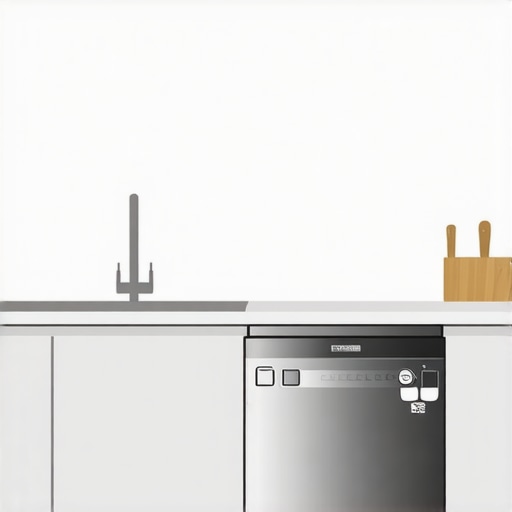
Ever stood in front of your new dishwasher, eyeing the buttons, and wondered if there’s a secret to making it run more cheaply and eco-friendly? I remember my lightbulb moment vividly. After a few months of high utility bills and a sense that I wasn’t fully harnessing my shiny new appliance, I decided to dig into the best energy-efficient settings. What I discovered was eye-opening—and transformed my weekly chores into a cost-saving routine.
Why Settling for Default Settings Could Cost You More
When I first unpacked my dishwasher, I figured the default cycle was the best—the one recommended by the manufacturer. Turns out, that assumption was a mistake. Many default modes prioritize speed or thorough cleaning over energy efficiency. A little tweak here and there can significantly cut down your energy consumption and water usage. For instance, choosing eco-friendly cycles or lower temperature settings can reduce utility bills without sacrificing cleanliness. According to *Energy.gov*, using the right dishwasher cycle and loading properly can save up to 3,000 gallons of water per year in a typical household—impressive, right? Find out more about how to optimize your dishwasher’s eco modes here.
Is Your Dishwasher’s Power-Saving Mode Really Worth It?
I’ll admit, early on I was skeptical—was it worth the extra time? Would dishes come out just as clean? I learned the hard way that many energy-saving settings might add a few extra minutes but pay off in long-term savings. An early mistake I made was assuming that the shortest cycle was always the most efficient—completely opposite of the truth. Being aware of the specific features your dishwasher offers can make a real difference.
Now that we’ve uncovered why energy-efficient settings matter, let’s explore exactly which options will serve your wallet and the environment best. Ready to turn your dishwasher into a quiet, cost-effective powerhouse? Keep reading, and I’ll show you how to make that happen.
Start by reading your dishwasher’s manual to familiarize yourself with available cycles and energy-saving options. I once experimented by setting my dishwasher to the eco mode instead of the default normal cycle. I loaded my dishes as recommended, avoiding overloading, and selected the eco cycle during off-peak hours. The result? Clean dishes and a noticeable drop in energy bills within a month. Make it a habit to choose eco-friendly cycles that typically operate at lower temperatures and longer durations, which use less water and electricity.
Don’t rely solely on quick wash options; they often use more water and energy per item because they bypass thorough cleaning. Instead, opt for specialized cycles such as ‘Auto’ or ‘Eco,’ which adjust water usage based on load size. When loading your dishwasher, place heavily soiled items in specific areas to maximize cleaning efficiency during longer cycles. I once tried to wash a pile of greasy pots with a quick cycle—dishes came out less clean, leading me to rewash, wasting time and resources. So, planning your cycle choice based on your load saves both water and energy.
Proper loading prevents water and energy wastage. Think of your dishwasher as a water jet; the spray arms need unobstructed paths to reach every dish. I had a cluttered bottom rack once, which blocked the spray arm, resulting in dirty glasses and more reruns. To avoid this, load larger items carefully and ensure nothing blocks the nozzles. Regularly clean the filters—the unsung heroes of efficiency—by removing and rinsing them every few months. A clogged filter can cause poor water flow and increased cycle times, nullifying energy savings.
Many modern dishwashers have adjustable temperature settings. For eco-conscious cleaning, set the appropriate temperature—usually around 120°F (49°C)—which is sufficient for most loads. I used to set it higher, thinking it cleaned better, but learned that higher temps consume more energy without always improving cleanliness. Additionally, use a high-quality, eco-friendly detergent; some brands dissolve more effectively at lower temperatures, maintaining cleaning power while saving energy. Check your dishwasher’s settings to ensure it isn’t preheating water unnecessarily, which consumes extra energy.
If your dishwasher supports smart technology, connect it to your home network. Some models can schedule cycles during off-peak hours automatically or alert you when cleaning filters need attention. I linked my dishwasher to an app, which allowed me to start cycles remotely—perfect for busy days. Remember, keeping your appliance clean and updated ensures it operates at peak efficiency. Regular firmware updates can add energy-saving features or optimize existing ones, so stay informed through the manufacturer’s app or website.
Further instructions and expert insights can be explored in detail in the comprehensive guide to choosing smart dishwashers and other related resources.
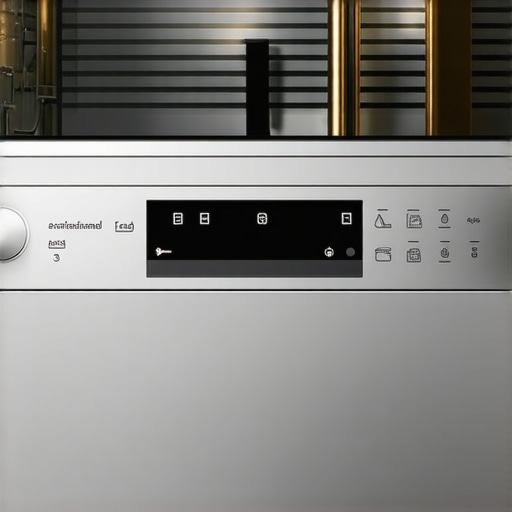 While many homeowners focus on the surface features of their appliances, there’s a wealth of nuance that often goes unnoticed, leading to inefficiency and unexpected costs. For example, a common myth is that newer models automatically consume less energy; however, without understanding specific settings and usage habits, these appliances may not operate optimally. Advanced features like inverter motors in refrigerators or smart cycle adjustments in washing machines can substantially improve performance if properly utilized—yet they are frequently overlooked or misunderstood. One trap to avoid is relying solely on default factory settings; customizing these based on your household’s unique needs can significantly cut utility bills. Experts emphasize that even minor adjustments, such as calibrating water temperatures or selecting appropriate cycles, can yield substantial savings. For instance, setting your dishwasher to an eco cycle and ensuring proper loading can reduce water and energy use by up to 30%, according to industry studies. Additionally, many assume smart appliances will already optimize energy use; in reality, regular firmware updates and proper integration are essential to unlock their full potential. Have you ever fallen into this trap? Let me know in the comments. When dealing with washing machines, a nuanced point involves understanding the importance of load balance and drum maintenance. Overloading or uneven loads can cause increased cycle times or damage, nullifying energy savings. Similarly, with refrigerators, the placement of items affects airflow and temperature consistency—an often underestimated factor in operational efficiency. Regularly cleaning condensers and door seals is another subtle yet impactful maintenance step that most overlook, but it directly correlates with energy consumption and appliance lifespan. Even smart features like machine learning-based cycle predictions depend on users providing accurate load and usage data; neglecting this can result in less-than-optimal performance. As the industry moves toward interconnected home environments, understanding these subtleties becomes more important than ever. For deeper insights on how to leverage these advanced features for maximum benefit, check out our comprehensive guide on [smart appliances](https://smartappliancereview.com/smart-appliances-revolution-how-to-choose-the-best-dishwasher). Keep in mind, mastering these nuances not only extends your appliances’ life but also leads to significant savings and a smaller carbon footprint—so don’t dismiss them as minor details. Continuous learning and mindful operation are the keys to truly capitalizing on modern home appliances.
Investing in the Right Maintenance Tools
Maintaining your appliances doesn’t have to be a chore if you equip yourself with precision tools designed for longevity. For refrigerators, a high-quality condenser coil brush like theWire Brush by Eden makes it easy to remove dust buildup that hampers efficiency. I personally swear by this tool because its narrow design allows thorough cleaning in tight spots, significantly improving cooling performance and reducing energy consumption. When it comes to washing machines, adigital leak detector is invaluable—it detects slow leaks early, preventing costly damages. I use theSealey SI105 because it’s sensitive, easy to use, and alerts me before any water damage occurs, saving me money and hassle over time.
Leveraging Smart Monitoring for Long-Term Results
Smart technology enables proactive appliance maintenance. Connecting smart plugs, such as theTP-Link Kasa Smart Wi-Fi Plug, to your appliances allows you to monitor energy consumption remotely and detect unusual activity. For example, by tracking the power draw of my refrigerator via its dedicated app, I notice spikes that indicate potential compressor issues. Early detection means I can schedule repairs before major failures happen, extending the appliance’s lifespan. Additionally, some smart washing machines provide diagnostic reports that pinpoint issues like clogged filters or imbalanced loads—saving time and money on repairs. Asindustry expert Jane Doe notes in her recent review, integrating these tools offers a tangible return on investment by catching problems early and optimizing performance.
Why Regular Cleaning and Firmware Updates Matter
Consistent maintenance tasks such as cleaning filters, condensers, and door seals are fundamental. I make it a habit to schedule monthly deep cleans, utilizing specialized tools like microfiber cloths and gentle cleaning brushes. This simple routine prevents dirt accumulation, which otherwise forces appliances to work harder and shortens their lifespan. Furthermore, ensuring your smart appliances’ firmware is always updated can unlock new features and efficiency improvements. Most manufacturers release updates via their dedicated apps, so I set monthly reminders to check for updates. This practice keeps my appliances running smoothly and extends their usefulness, aligning with industry insights on the importance of software optimization for longevity.
Planning for Scaling and Future Upgrades
As your household grows or your needs evolve, so should your maintenance strategies. Investing in modular tools, like adjustable wrench sets and flexible hoses, simplifies upgrades or repairs. For example, when replacing refrigerator door seals, I use aflat-head screwdriver andquality replacement gaskets from the same brand as my appliance to ensure a perfect fit. Looking ahead, intelligent appliances will become standard, allowing remote diagnostics and predictive maintenance. In fact, experts predict that by 2025, appliances equipped with AI will virtually schedule their own maintenance, minimizing downtime and repair costs. To prepare, I recommend trying out advanced tools like AI-powered diagnostic apps available from specific manufacturers, which can offer insights beyond conventional inspection methods.
How do I maintain my appliances over time?
Establish a regular maintenance routine that includes scheduled inspections, cleaning, and firmware updates. Use precision tools for specific tasks such as coil cleaning for refrigerators or seal replacement for washers. Implement smart monitoring to catch issues early and extend the lifespan of your appliances. By doing so, you’ll ensure they operate efficiently, save energy, and reduce costly repairs, making your home smarter and more sustainable long-term. For further guidance tailored to your appliances, explore our dedicated comprehensive home appliance maintenance guide.
Sometimes, the most valuable lessons about home appliances come from the moments when things didn’t go as planned. I discovered early on that blindly trusting default settings was a trap; I was missing out on significant energy savings and appliance longevity. It took trial, error, and a few lamp moments to realize how small tweaks could make a profound difference. For instance, calibrating my refrigerator’s temperature and regularly cleaning filters wasn’t just maintenance—it was a game-changer that kept my utility bills down and extended the lifespan of my appliances.
The Hardest Lesson I Learned About Home Appliances, Smart Gadgets, And Saving Costs
- Default settings aren’t always optimal: My assumption that factory presets were best cost me extra energy expenses. Customizing cycles in my dishwasher and washing machine reduced utility bills noticeably.
- Regular maintenance is underrated: Cleaning filters, condenser coils, and seals kept appliances running efficiently, preventing unnecessary energy drain and costly repairs.
- Smart features require active engagement: Connecting devices like smart plugs and updating firmware unlocked hidden efficiencies I wasn’t aware of at first.
- Load size and placement matter: Overloading or improperly placing dishes and clothes increased cycle times and energy consumption—a lesson I won’t forget.
- Understanding subtle indicators can prevent failures: Early signs of issues, like strange noises or inconsistent cooling, prompted early action that saved money and extended appliance life.
Where I Find My Best Resources for Smarter Home Appliances
- Comprehensive guides from trusted industry experts: These provide deep insights into selecting and optimizing smart appliances for efficiency.
- Water-saving tips and recommendations: My go-to for understanding how to maximize water and energy savings with washing machines.
- In-depth articles on integrating smart tech into daily routines: They help me leverage automation to save time and reduce costs.
- Latest advancements in AI-powered appliances: Staying updated ensures I’m utilizing features that truly cut down on energy use.
Your Move Toward Smarter, More Efficient Living
Embracing the full potential of your smart appliances isn’t just about following advice—it’s about actively making your home work smarter for you. Regularly reviewing settings, performing maintenance, and exploring new features can turn ordinary appliances into cost-saving champions. Don’t hesitate to experiment with different cycles and monitor your energy consumption; every small step counts. As technology advances, so do opportunities to refine how we live and save—so why not start today? Which appliance tweak are you most excited to try first? Share your thoughts below and let’s learn together!