
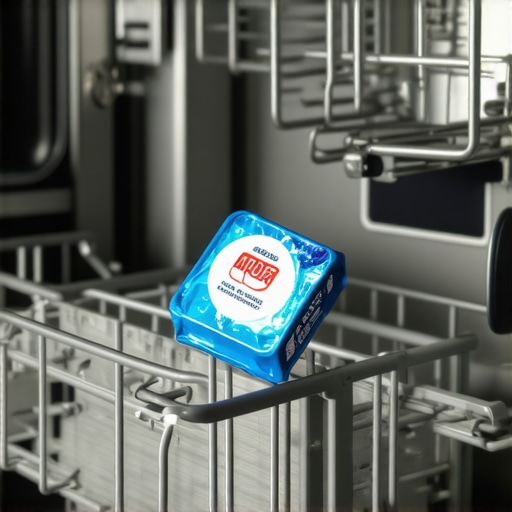
I stood there, squinting at my favorite wine glass under the kitchen lights, feeling a wave of irritation. It was covered in those stubborn, cloudy water spots that make even a clean dish look filthy. I had just upgraded to those premium “all-in-one” tablets that promised to handle everything—detergent, salt, and rinse aid. So, why did my plates still feel damp, and why were my mugs wearing a chalky film on your coffee mugs? It felt like a total betrayal. I thought I had finally simplified my kitchen routine, but instead, I was back to hand-drying forks.
Your All-in-One Tablet is Lying to You
The truth is, those 3-in-1 pods are a marvel of engineering, but they are not magic. Early in my journey of mastering innovative dishwashers with AI technology, I made the mistake of thinking more expensive meant less effort. I stopped filling my rinse aid reservoir entirely. I figured, “Hey, it is already in the pod!” Huge mistake. My dishes did not just have spots; they were practically dripping when the cycle finished. According to the American Cleaning Institute, rinse aid is essential because it lowers the surface tension of water, allowing it to “sheet” off rather than form droplets. If the pod releases its drying agent too early or too late in the cycle, it basically gets washed down the drain before it can do its job.
Is Rinse Aid Actually Worth the Extra Hype?
You might be thinking, “This is just another way for companies to squeeze ten bucks out of me.” I get it. I was a skeptic too. But after searching for how to fix a dishwasher that leaves dishes soaking wet, I realized that the timing of the rinse cycle is everything. The liquid rinse aid in your machine’s dispenser is released at the exact right moment during the final rinse. Most tablets, no matter how “smart” they claim to be, struggle to survive the heat and duration of a heavy wash cycle to provide that final polish. Today, we are going to look at why that little blue liquid is the unsung hero of your kitchen and how to get those best energy-efficient settings working in your favor. Have you ever noticed that your plastic containers stay wet even when your ceramic plates are dry?Plastic is the ultimate moisture magnet. Unlike ceramic, which retains heat to help evaporate water, plastic cools down almost instantly, leaving droplets stranded. This is where you have to take control of the mechanics. First, locate that circular cap next to your detergent flap. If you see ‘dry’ windows or a red warning light on your control panel, your machine is basically running a marathon without water. I remember a particularly embarrassing Saturday night when I served wine in glasses that looked like they had been through a sandstorm. I had plenty of detergent, but the rinse aid reservoir was bone dry. The result was pure white streaks across my best stemware. To fix this, you need to master the best way to remove hard water spots from dishwasher interiors before the cycle even begins.
Stop Your Water from Clumping Together
Think of rinse aid as a ‘surfactant’—it is essentially a lubricant for water. Imagine a crowd of people trying to exit a building through a narrow door. Without rinse aid, they all huddle together, causing a jam; those are your water droplets. With it, everyone lines up and moves out smoothly. This ‘sheeting’ effect is what prevents those circular stains from forming as the water evaporates. 
Adjust the Secret Dial on Your Door
Most people do not realize their dishwasher has a ‘Goldilocks’ setting for rinse aid. If you open the reservoir cap, you will likely see a tiny dial with numbers 1 through 6. If your dishes are still wet, turn it up. If you see blue streaks or a greasy film, turn it down. This is especially critical if you are wondering why your smart dishwasher is using too much salt, as hard water requires a higher rinse aid setting to counteract the mineral load.
Stack Your Plates Like a Pro
Even the best chemicals cannot fight physics. If you ‘nest’ your bowls—stacking them so closely that water gets trapped—no amount of rinse aid will dry them. I used to jam everything in like a Tetris champion, but I learned the hard way that space is your friend. You need to learn the best way to load large serving platters without blocking the spray arm. If that arm cannot reach the rinse aid-treated water to every surface, you will find puddles in the morning.
Force the Moisture Out with Heat
Your dishwasher’s drying cycle is a two-part harmony between chemicals and temperature. If you are using the ‘Eco’ setting to save money, you might be sacrificing dry dishes because the final rinse isn’t hot enough to trigger rapid evaporation. Check the best energy-efficient settings for your new dishwasher to find a balance. If your machine has a ‘heated dry’ or ‘extra dry’ option, it works by heating the air inside to pull moisture off the plates. When combined with rinse aid, the water sheets off so fast it does not have time to cool down and stick. If you skip this, you will often find why your dishwasher isnt drying the dishes well is simply a matter of physics: the air is too cold to hold the steam.I’ve spent a lot of time debunking the ‘set it and forget it’ lifestyle that marketers sell us. Most people assume that the ‘Eco’ button is a win-win: you save money and the environment. But in my experience, using Eco-mode exclusively is the fastest way to shorten your appliance’s lifespan. While it uses less water and lower heat, it often fails to fully dissolve animal fats and proteins. Over time, these fats solidify in the drain lines and filters. A report from Yale Appliance experts highlights that frequent low-temperature cycles are a leading cause of premature pump failure and persistent odors. You think you’re being green, but you’re actually inviting a technician into your home sooner than necessary.
The Maintenance Trap Modern Owners Fall Into
We’ve been conditioned to believe that ‘smart’ means ‘no maintenance.’ This perception is precisely why modern refrigerators don’t last as long as your grandma’s. Her fridge was a mechanical beast; yours is a delicate computer with cooling coils. If you aren’t taking the time to learn how to clean the hidden filter in your high-end dishwasher, the sophisticated AI sensors will eventually get ‘blinded’ by a thin layer of biofilm. When that happens, the machine starts overworking its internal components because it can’t accurately detect when the water is clean. It’s the ‘Oops’ factor of the digital age: we trust the machine to tell us when it’s broken, but if the sensor is dirty, the machine thinks everything is fine while the motor burns out. 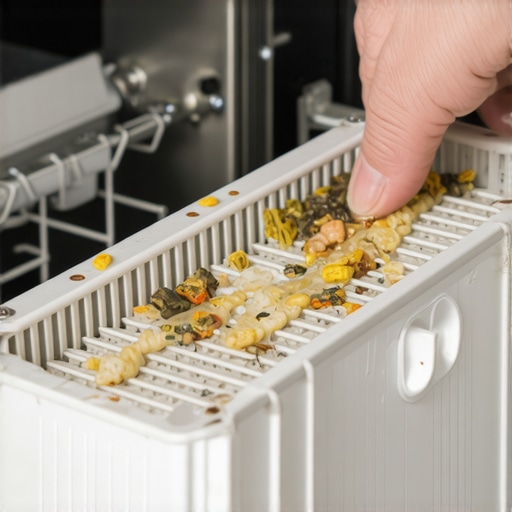
The Sudsing Trap in High-Efficiency Laundry
The most common mistake I see involves detergent in washing machines that save water. We are socially conditioned to expect a tub full of bubbles as a sign of cleanliness. However, in modern HE units, excess suds act like a cushion, preventing the clothes from properly agitating against each other. This actually leaves your clothes dirtier. Even worse, those extra suds can leak into the electronics. If you see foam through the glass, you’ve already used too much, and the machine will respond by adding repeated rinse cycles, completely negating any energy savings you hoped for.
Why Does My Smart App Give Me Incorrect Notifications?
It is incredibly frustrating when your phone pings you that the laundry is dry, but you find a damp mess. This is rarely a broken motor and often a calibration or connectivity issue. Much like your phone, you have to know how to update the firmware on your smart kitchen appliances to ensure the sensors are communicating correctly with the cloud. I once spent three hours troubleshooting a ‘leaking’ dishwasher only to realize why your smart appliance app gives you wrong notifications: the router had assigned the dishwasher a new IP address that the app hadn’t registered. It’s a digital world now, and the ultimate guide to smart home appliances for a modern living isn’t just about loading plates—it’s about managing your home network too. Have you ever fallen into this trap? Let me know in the comments.It’s one thing to get your Wi-Fi working, but it’s another to keep the motor from burning out because of a three-dollar part you ignored. I keep a dedicated ‘appliance kit’ under my sink. It’s not fancy—just a flexible condenser coil brush, a turkey baster, and a bottle of food-grade citric acid. If you haven’t looked behind your fridge lately, you’re essentially asking it to run a marathon while breathing through a straw. Caked-on pet hair and dust force the compressor to work double time, which is exactly why modern refrigerators don’t last as long as your grandma’s. While hers was basically a cold box, yours is a precision instrument. I personally use the best smart plugs for monitoring appliance energy use to see when my fridge starts pulling more power than usual; that sudden spike is my early warning signal that the coils need a vacuuming.
Don’t Let Your Fridge Choke on Dust
Drainage issues are the second biggest silent killer. If you see water pooling under the crisper, you’re likely dealing with a frozen or blocked line. I’ve found the simple way to fix a clogged refrigerator drain line involves using that turkey baster to flush the line with warm water, not a $200 service call. The goal is to be proactive, not reactive. To maximize your internal real estate while maintaining airflow, I recommend checking out the best refrigerator shelving hacks for more space so you don’t block the internal vents. According to the Association of Home Appliance Manufacturers (AHAM) in their official ‘Major Appliance Care’ guide, even a thin layer of dust on coils can increase energy consumption by up to 30%, which significantly accelerates hardware fatigue. 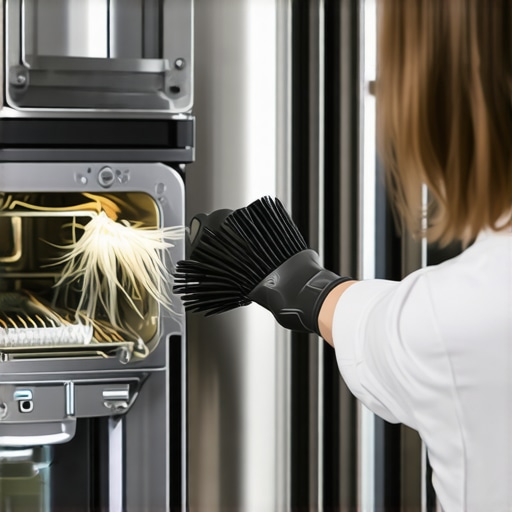
Keep Your Front-Loader from Smelling Like a Swamp
For the laundry room, I’ve become a bit of a fanatic about the door seal. If you don’t use the best way to clean a moldy front-load gasket, you’re just washing your clothes in bacteria and trapped soap scum. If you are still in the buying phase, researching the most reliable washing machine brands for durability is the best first step, but even a high-end unit needs a filter purge. I keep a shallow tray handy because I learned how to clean a front-load washer filter without flooding the room the hard way—by soaking my hallway carpet.
How do I keep these machines humming for a decade?
Maintenance isn’t just about cleaning; it’s about digital management. I use the best apps for tracking food expiration in your smart fridge not just for the food, but to log when I last performed a deep clean. Looking ahead to the future of home appliances trends to watch in 2025, we are going to see ‘Digital Twins.’ Your fridge will have a virtual counterpart in the cloud that simulates wear and tear, telling you to replace a bearing months before it snaps. Until then, the responsibility is on us. If you do nothing else today, pull your refrigerator six inches away from the wall and vacuum the back. You will literally hear the compressor sigh in relief.
What I Wish the Salesman Told Me About Digital Sensors
After years of tinkering, I have realized that the ‘smart’ in smart appliances refers more to their potential than their out-of-the-box performance. One major lightbulb moment for me was discovering that the “Auto” cycle is almost always superior to the “Eco” cycle for long-term health. While it uses slightly more water, the sensors can actually do their job and flush out the debris that leads to expensive repairs. Another lesson? Don’t trust the app blindly. If your dishwasher feels like it is underperforming, it is usually a physical block, not a software bug. I learned this the hard way after trying to choose the best dishwasher based solely on tech specs rather than ease of filter access.
The Three Tools That Actually Save You Money
You do not need a massive toolbox to keep things running smoothly. I swear by these three resources: First, the official maintenance guides from the Association of Home Appliance Manufacturers; they provide the baseline for every brand. Second, a bulk bag of food-grade citric acid. It is the most effective way to handle scale without harsh chemicals. Third, if you are currently choosing the right refrigerator, buy a five-dollar analog thermometer to verify that your “smart” screen is not lying to you about the internal temperature. These simple checks have saved me hundreds in spoiled groceries.
#IMAGE_PLACEHOLDER_E#
Take Back Control of Your Kitchen
It is easy to feel overwhelmed by the blinking lights and app notifications, but remember that these home appliances are there to serve you, not the other way around. By spending just ten minutes a month on basic maintenance—vacuuming a coil or wiping a gasket—you are effectively adding years to your machine’s life. You can achieve the secret to odor-free laundry in a high-efficiency machine simply by leaving the door open between cycles. Don’t be afraid to poke around and learn how your home works. Have you ever had a smart appliance notification that turned out to be a total false alarm? Let me know in the comments below!