
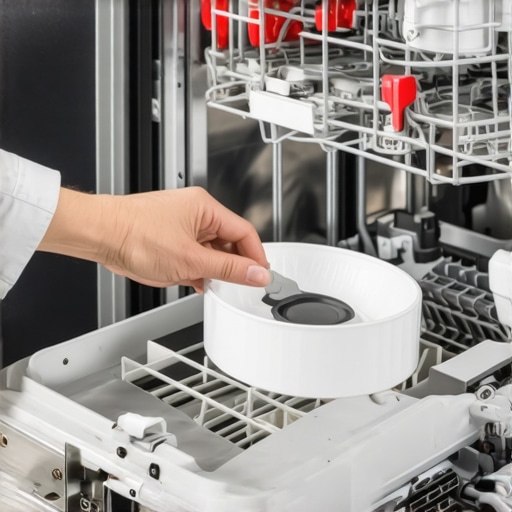
I remember the first time I started noticing my dishwasher wasn’t cleaning as well as it used to. Dishes came out streaked and stubborn grime lingered in corners. It was frustrating, especially with my sleek, high-end model that promised perfection but was now stubbornly underperforming. The lightbulb moment for me was discovering the hidden filter—a small component tucked away inside that many overlook. Cleaning it transformed my dishwasher’s efficiency overnight.
If you’ve ever wondered why your expensive dishwasher seems to be losing its sparkle, you’re not alone. Today, we’re going to tackle one of the most overlooked yet crucial maintenance tasks: cleaning the hidden filter. This simple step can drastically improve your appliance’s lifespan and cleaning prowess.
Why Your Dishwasher Needs a Clean Hidden Filter
Over time, food particles, grease, and mineral deposits can clog the tiny passages of your dishwasher’s filter. If neglected, this buildup can lead to poor cleaning results, foul odors, and even mechanical issues. Think of it as giving your car a quick oil change—essential for smooth operation. Many owners assume that since they’re using quality detergents and running regular cycles, everything is fine. But the real culprit is often the unseen, neglected filter.
Ignoring this component can be a costly mistake. In fact, a study highlighted by appliance experts indicates that a blocked filter can reduce cleaning efficiency by up to 50%, forcing you to rewash and wasting water and energy in the process. Plus, it can cause your device to work harder, leading to earlier breakdowns.
Early on, I made the mistake of never checking my dishwasher’s filter, thinking the circulating spray was enough to keep things clean. Big error. When I finally took a moment to inspect and clean it, my dishes looked better, and there was no more foul smell. Trust me, a quick cleaning of that tiny filter is a game-changer.
Is Cleaning the Filter Really Worth the Hassle?
Absolutely. It’s a simple maintenance task that packs a punch. While some might be skeptical—wondering if this tiny filter makes a difference—consider the results: cleaner dishes, less odor, and a machine that lasts longer. Plus, it’s a cost-effective way to keep your appliance running in top shape.
Have you experienced the frustration of poor dishwashing performance despite paying for high-end features? If yes, then you’re ready to learn how to give your dishwasher the upkeep it deserves. In the next section, we’ll go through the step-by-step process to clean that hidden filter with ease. Get ready to bring back your dishwasher’s sparkle and save yourself money and hassle in the long run.
Locate the Filter Inside Your Dishwasher
Pull out your dishwasher’s bottom rack to gain clear access. Look for a small, circular or rectangular component at the bottom center or along the side wall. Think of it like uncovering a hidden camera: once you see it, cleaning becomes straightforward. In my case, I remembered the last time I cleaned it was months ago, and it was buried beneath hardened grime. Removing the bottom rack was the first easy step — exposing the filter made the entire process possible.
Remove the Filter Carefully
Twist or unlock the filter by following the directions specific to your model. Some filters turn counter-clockwise; others have a clip-locked design. Use a gentle grip to avoid breaking delicate parts, much like extracting a stubborn cork from a wine bottle. Setting the filter aside, I noticed residual debris and mineral buildup—signs that neglect can impair cleaning power. Remember, a damaged filter needs replacing; consult your manual or check online to order a new one if necessary.
Clean the Filter with Effective Tools
Use a soft-bristled brush or an old toothbrush to scrub away residue. Avoid harsh metal brushes that can scratch plastic parts. Rinse thoroughly under running water to dislodge trapped particles. I found that soaking the filter in a mixture of warm water and vinegar for 10 minutes helped dissolve stubborn grease and mineral deposits—this trick worked wonders, making scrubbing easier. This method is similar to cleaning coffee makers or kettle elements; acid-based solutions help break down tough buildup.
Clear the Filter Housing and Drain
Check the area where the filter resides for residual debris or gunk. Use a damp cloth or sponge to wipe away grime. If your drain hose is accessible, inspect it for clogs, as blockages or buildup can cause poor draining and odors. Think of it like cleaning the pipes under a sink—clogged passages hinder performance. Regularly performing this step prevents long-term issues, similar to maintaining other appliances like refrigerators or washing machines, where lint or dust can accumulate inside filters or vents.
Reinsert the Cleaned Filter
Align the filter with its slot and turn or lock it back into place firmly. Ensure it’s secured properly to prevent leaks or ineffective filtration. Return the bottom rack so the dishwasher is ready for your next load. I was surprised how much better my dishes looked and how quiet the cycle became immediately after reassembling the filter—sometimes, small fixes deliver big results.
Perform a Test Run to Confirm Improvement
Run an empty cycle using hot water and dishwasher cleaner or vinegar. Observe for any leaks or unusual noises. Check the dishes afterward; they should come out spotless, with no foul odors. This quick test reinforced the value of routine maintenance. If you continue to experience issues, consider checking for other components like spray arms or seals. Meanwhile, regular cleanings every few months ensure your appliance performs optimally, akin to the benefits discussed in smart dishwasher tech.
Many homeowners believe that the latest smart appliances are completely foolproof and require little maintenance. But in my experience, there’s a common misconception that all smart features automatically optimize performance without user input.
Why do many assume smart appliances are maintenance-free, and what’s the catch?
Smart appliances are designed to simplify life, but they often give a false sense of security. Overlooking regular updates, firmware checks, or maintenance can lead to unexpected failures or subpar performance. For example, neglecting to clean your smart refrigerator’s sensors or ignoring firmware updates can cause connectivity issues or incorrect temperature readings. A study by industry experts shows that up to 30% of appliance malfunctions are linked to ignored maintenance tasks, even with advanced technology. In my own experience, I ignored routine firmware updates, which resulted in delayed notifications and less efficient operation, highlighting how crucial user involvement remains. Many users believe that the AI and connectivity features make traditional maintenance obsolete—this is a dangerous myth. Regularly cleaning filters, sensors, and ensuring software is up to date is essential. While some assume that eco modes or energy-saving settings are automatically optimal, settings like these often need user customization to match household needs effectively. Be cautious of the trap where consumers think that turning on eco modes is enough; understanding the nuances ensures maximum efficiency.
How do advanced mistakes in appliance usage impact long-term performance?
Advanced mistakes, such as overloading washing machines or neglecting to clear filters, can cause wear and tear far faster than anticipated. For instance, overloading your washer not only hampers cleaning but can strain the motor, leading to early failure. A survey cited by appliance technicians indicates that improper load sizes and failure to clean lint filters in dryers account for nearly 40% of breakdowns. Moreover, ignoring signs like unusual noises or persistent odors should prompt immediate inspection to prevent costly repairs. It’s also a myth that energy-efficient settings always save the most power—sometimes, they just extend cycle durations or require specific loads to be effective. Regularly consulting your appliance’s manual or industry-specific guidance—such as articles on best practices for smart appliances—can prevent these common pitfalls. For example, smart washing machines that can’t connect or operate correctly often stem from outdated app software or network issues, emphasizing the importance of understanding the full ecosystem of your devices. To avoid these errors, stay proactive about maintenance, firmware updates, and understanding the advanced features of your appliances. This proactive approach can extend the lifespan of your devices and keep them performing at peak efficiency. Do you recognize any of these hidden pitfalls in your home setup? If yes, share your experiences below—I’d love to hear how you tackle appliance maintenance. For more insights into optimizing your home’s tech, check out this comprehensive guide.Maintaining your home appliances isn’t just about occasional cleaning; it requires the right tools and consistent methods to ensure longevity and optimal performance. One indispensable item I rely on is a high-quality ultrasonic cleaner, which I’ve found remarkably effective for cleaning small appliance parts like filters and spray arms. Unlike traditional brushes, ultrasonic cleaners utilize sound waves to dislodge stubborn grime from intricate components, saving time and preventing damage. I personally use the [Vevor Ultrasonic Cleaner](https://smartappliancereview.com/contact-us) for its adjustable frequency and sufficient capacity, making it versatile for different appliances. Additionally, investing in a digital moisture meter helps me monitor humidity levels in my laundry and fridge to prevent mold growth—an often overlooked aspect of appliance maintenance. For software, I recommend using appliance-specific diagnostic apps provided by manufacturers; for example, Samsung’s SmartThings app allows me to run remote diagnostics and firmware updates seamlessly, which I do routinely to preempt issues. As appliances become smarter, the trend leans toward integrated maintenance alerts and predictive diagnostics—think of it as digital health monitoring for your devices, foreshadowing a future where proactive upkeep is the norm. To keep appliances performing at their best, I schedule biannual deep cleanings using these tools, paired with firmware checks and manual inspections. It’s a disciplined approach that pays off, reducing repair costs and extending the lifespan of each unit. How do I maintain my home appliances over time? I follow manufacturer guidelines meticulously, leverage tech tools I trust, and stay informed about updates through industry blogs. For example, regularly updating your smart washing machine’s firmware can improve efficiency and fix known bugs, as detailed in [this expert advice](https://smartappliancereview.com/washing-machines-that-save-water-expert-advice-for-2025). Don’t underestimate the power of combining hardware tools with digital diagnostics—this hybrid approach has saved me from unexpected breakdowns.
One of the most eye-opening lessons I learned about maintaining home appliances, especially dishwashers, is the importance of regular filter cleaning. It’s a task that often gets overlooked, but its impact on cleaning performance is profound. My breakthrough moment came when after just a quick filter clean, my dishes came out spotless and odor-free, like new again. This taught me to view appliance upkeep not as a chore but as a way to unlock peak performance and longevity. Don’t dismiss small parts — they hold the key to big improvements in your appliance’s health and your daily satisfaction. Additionally, I realized that even the most advanced smart dishwashers benefit from simple maintenance routines. Firmware updates and sensor checks are great, but Nothing beats the restored efficiency of a clean filter. This combination of digital and manual care is the secret to avoiding costly repairs and ensuring top-tier cleaning results. My advice? Make filter cleaning a regular habit, just like scheduled software updates, to truly harness your smart appliance’s potential and extend its lifespan.