
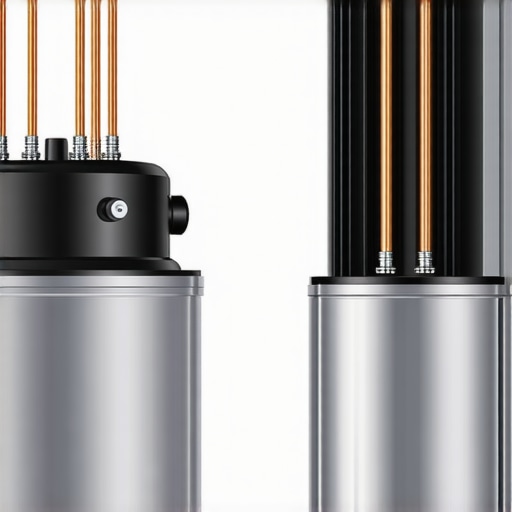
I remember sitting in my kitchen at 2 AM, nursing a glass of water, and listening to my old fridge kick on with a thud that felt like a mini-earthquake. It sounded like a diesel engine starting up in the middle of a library. That clunk, followed by a steady, aggressive drone, was the sound of my money disappearing. For years, I operated under the delusion that a fridge was just a cold box, and as long as my milk didn’t sour, everything was fine. I was dead wrong. I made the mistake of buying the cheapest, traditional model I could find, thinking I was being thrifty, but I ended up paying for it every single month on my utility bill. Today, I want to show you exactly why the “heart” of your fridge matters more than the fancy door finish, and how the battle between inverter technology and old-school compressors is one you can’t afford to ignore. If you have been choosing the right refrigerator lately, you know the jargon is thick, but I promise to cut through the noise and give you the straight talk on what actually keeps your food fresh and your kitchen quiet. Have you ever noticed your fridge making a racket right when you’re trying to enjoy a quiet evening?
Why Your Old-School Fridge is Always Making a Racket
The secret to the noise lies in how the compressor operates. Traditional compressors are basically “all or nothing” machines; they are either running at 100% power or they are completely off. This constant cycle of slamming on and off is why your refrigerator compressor is cycling too often, leading to those annoying temperature swings and that signature vibration. I used to ignore it, but then I learned that this start-stop nature is the most energy-intensive part of the process. According to research from the U.S. Department of Energy, modern high-efficiency cooling systems can save homeowners significant percentages on annual cooling costs compared to legacy on-off systems. When you look at refrigerators in 2025, you’ll see that this technology is no longer a luxury but a necessity for any modern home.
Is This New Technology Actually Worth the Extra Cash?
It is totally normal to feel skeptical when a salesperson tries to upsell you on an “inverter” model. I used to think it was just a marketing gimmick to justify a higher price tag. However, the difference is like comparing an old-fashioned light switch to a dimmer. While the traditional compressor floors the gas pedal and then slams on the brakes, the inverter compressor cruises at exactly the speed needed to maintain a steady temperature. It is the same reason why making your refrigerator run more quietly becomes so much easier with an inverter; there is no jarring start-up sound. If you are tired of your kitchen sounding like a factory floor, it might be time to stop patching up the old unit and look at the efficiency of the new generation.
Dial in the Temperature Without Trusting the Digital Screen
You cannot just assume the number glowing on your fridge door is the absolute truth. I learned this the hard way last summer when I opened my crisper drawer to find a block of ice where my expensive organic kale used to be. The display insisted it was a perfect 37 degrees, but the internal sensor was lying through its teeth. To avoid this, you need to learn how to calibrate your refrigerator thermometer without calling a pro. Think of the built-in sensor like a weather app; it gives you the general idea, but you still need to look out the window to see if it is actually raining. Grab a reliable analog or digital thermometer, stick it in a glass of water on the middle shelf, and leave it for twenty-four hours. If the reading differs by more than two degrees from your setting, your compressor is working harder than it needs to, which is a major reason why your refrigerator compressor is cycling too often.
Stop Crowding the Air Vents
Your refrigerator is not a storage unit; it is a complex air-circulation machine. When you jam that giant Costco-sized pizza box directly against the back wall, you are effectively putting a chokehold on the cooling system. This creates hot spots and explains why your fridge is freezing everything on the top shelf while the butter on the door is melting. You need to maintain at least an inch of clearance around the vents. I started using the best refrigerator shelving hacks for more space to keep my items organized and away from those critical airflows. It is like a high-performance engine; if you block the intake, the whole system overheats and fails.
Differentiate Between Normal Hum and Mechanical Failure
Not every sound coming from your kitchen is a sign of impending doom, but you have to know what to listen for. While inverter compressors have a consistent, low-frequency hum, a sudden change in pitch is your first warning sign. If the sound is more of a rhythmic clicking or a high-pitched squeal, you should investigate how to tell if your refrigerators fan motor is failing. I once spent three days thinking my compressor was dying, only to realize a stray grape had rolled into the evaporator fan housing. Knowing the secret to making your refrigerator run more quietly often involves these small mechanical checks rather than a full replacement. Keep the coils clean and the vents clear, and your ‘heart’ will keep beating steadily for years. Unlike why modern refrigerators dont last as long as your grandmas, a well-maintained inverter model can actually beat the old-school tanks in longevity if you treat the electronics with respect.
You might think you are doing your dishwasher a favor by pre-rinsing every plate until it shines, but in my experience, you are actually sabotaging the cleaning cycle. Modern dishwashers are equipped with soil sensors that measure how murky the water is during the initial rinse. If you strip away all the food particles, the sensors tell the machine to run a shorter, cooler cycle. This is exactly the truth about eco mode on modern dishwashers; the machine needs a certain level of ‘grime’ to trigger the right enzymes in your detergent. When the water stays too clean, those enzymes have nothing to latch onto, which often explains why your dishwasher detergent isnt cleaning properly and leaves your glassware looking etched or cloudy.
The Dangerous Soap Trap That Kills High-Efficiency Washers
One of the biggest mistakes I see people making is the ‘more is better’ approach to laundry detergent. With high-efficiency (HE) machines, using too much soap creates a mountain of suds that the rinse cycle simply cannot flush away. These suds settle into the nooks and crannies of the outer drum, leading to a nasty biofilm. This is the primary reason why high efficiency washers smell like mold and how to stop it. You only need about two tablespoons of HE detergent—any more, and you are just paying to ruin your machine. If you have already noticed a funky scent, you should learn the secret to odor-free laundry in a high efficiency machine before the mold becomes a permanent resident.
Is Your Smart Home Hub Actually Draining Your Appliance’s Lifespan?
It sounds like science fiction, but a poorly configured network can actually stress your appliances. I have seen smart fridges and washers struggle with ‘zombie’ tasks where they constantly try to reconnect to a weak signal, causing the control board to run hot. According to a study by the American Council for an Energy-Efficient Economy (ACEEE), the standby power and constant data processing of some connected devices can significantly offset the energy savings promised by ‘smart’ features. If you are frustrated because your smart home hub is ignoring your new smart dishwasher, it might be more than just a minor glitch; it could be a sign that your network needs a dedicated 2.4GHz band to keep the appliance’s processor from overworking.
Hard Water Is the Silent Killer of Luxury Appliances
If you live in an area with hard water, you are fighting a losing battle unless you adapt your routine. That white, chalky residue isn’t just an eyesore; it clogs internal valves and heating elements. I always recommend using the best detergent for hard water that wont kill your dishwasher to ensure your internal components don’t calcify. Even if you use high-end 3-in-1 pods, they often lack the punch needed for extreme mineral content. This is why your dishwasher still needs rinse aid even with 3-in-1 tablets; the rinse aid lowers the surface tension of the water so minerals can’t stick to your dishes as they dry. Have you ever fallen into the trap of thinking a more expensive machine would automatically solve your hard water problems? Let me know in the comments below, because I have made that mistake too, and it is a costly one to fix.
I have spent far too many weekends elbow-deep in stagnant dishwasher water to not share the specific tools that actually save your sanity. While most homeowners stop at a basic wipe-down, I believe in a more proactive approach. One tool I never leave the house without recommending is a high-quality digital multimeter. It sounds intimidating, but knowing how to check for electrical continuity is the difference between a five-dollar fix and a five-hundred-dollar repair bill. If your machine won’t start, checking the thermal fuse or the door switch with a meter is the first thing I do. It is about taking control of the hardware rather than being a victim of the out-of-warranty blues.
Keep the Gunk Out of Your Hidden Filters
Most people do not even realize their modern machines have multiple layers of filtration. For example, if your dishes are coming out gritty, you probably need to learn how to clean the hidden filter in your high-end dishwasher. I do this every first of the month. I also keep a bottle of citric acid or specialized cleaner on hand to run an empty cycle, which strips away the limescale that my hard water leaves behind. This isn’t just about cleanliness; it is about protecting the internal seals from cracking. For my laundry room, I have found that using the best smart plugs for monitoring appliance energy use gives me a health check on the motor. If I see a sudden spike in amperage during a standard spin cycle, I know a bearing is starting to drag before it actually fails and starts banging against the walls. I also use a narrow shop vac attachment to get under the fridge twice a year. If you let pet hair and dust build up on those coils, you are basically forcing your inverter to run in a sauna.
How do I maintain these high-tech systems over time?
The biggest shift in maintenance today isn’t physical; it is digital. We are moving into an era where a clog might actually be a software glitch. I make it a point to check my manufacturer’s app quarterly to see if there are pending patches. Learning how to update the firmware on your smart kitchen appliances is just as important as vacuuming the condenser coils. According to the Association of Home Appliance Manufacturers (AHAM), consumers who follow manufacturer-recommended software and physical maintenance schedules see a significantly lower rate of premature component failure. This is part of the ultimate guide to smart home appliances for a modern living strategy that keeps your utility costs low. Looking toward the future of home appliances trends to watch in 2025, we are going to see even more self-diagnostic tools built directly into the UI. I predict that within two years, your fridge won’t just tell you the door is open; it will tell you the exact voltage drop on the compressor and suggest a part replacement before the unit even stops cooling. It is an exciting time to be a tech-savvy homeowner, but it requires us to be more than just passive users. My challenge to you today: go find your dishwasher’s manual and locate that secondary filter. Clean it out tonight, and I bet you will see an immediate difference in your next load.
What I Learned After Three Flooded Kitchens and a Blown Compressor
One of the hardest lessons I had to swallow was that high-tech doesn’t mean maintenance-free. In fact, the more advanced the system, the more it relies on your participation. I spent years thinking my smart fridge was “self-aware” enough to tell me when something was wrong, but by the time the app sent a notification, the damage was often done. I realized that active observation—listening for that slight change in the inverter’s hum or noticing a three-second delay in the dishwasher’s drain cycle—is worth more than any warranty. Another lightbulb moment? Realizing that cheaper almost always means more expensive over a five-year window. Investing in the most reliable washing machine brands for durability early on saves you from the cycle of ‘disposable’ appliances that end up in landfills way too soon.
#IMAGE_PLACEHOLDER_E#
The Only Gear You Need to Stop Paying Repairmen
If you want to transition from a frustrated owner to a confident home manager, you need a specific toolkit. First, a basic digital multimeter is non-negotiable; it turns guesswork into data and helps you identify electrical failures before they burn out a circuit board. Second, I always keep a bulk supply of citric acid to combat mineral buildup, which is far more effective than generic scented cleaners. Third, I rely heavily on the best smart plugs for monitoring appliance energy use. These aren’t just for automation; they are early-warning systems that tell me if a motor is struggling by showing unexpected spikes in wattage. Finally, I regularly check the AHAM (Association of Home Appliance Manufacturers) database for efficiency benchmarks. These resources help me make sense of the smart appliances revolution without getting swept up in marketing hype.
You Are More Capable Than the Repair Manual Suggests
Don’t let the touchscreens and Wi-Fi antennas intimidate you. At the end of the day, these machines are still built on the same principles of heat, water, and motion. By taking small, proactive steps—like cleaning that hidden filter or adjusting your detergent levels—you are reclaiming control over your household budget. The future of home appliances is one where we are more connected to our tech, not just more dependent on it. You have the tools and the knowledge now to make your kitchen the most efficient room in the house. Whether you are looking for washing machines that save water or trying to extend the life of your current fridge, your effort is the most important variable. Have you ever managed to fix an appliance yourself using a simple guide or manual? I’d love to hear your success stories—or your most frustrating ‘almost-fixed-it’ moments—in the comments below!