
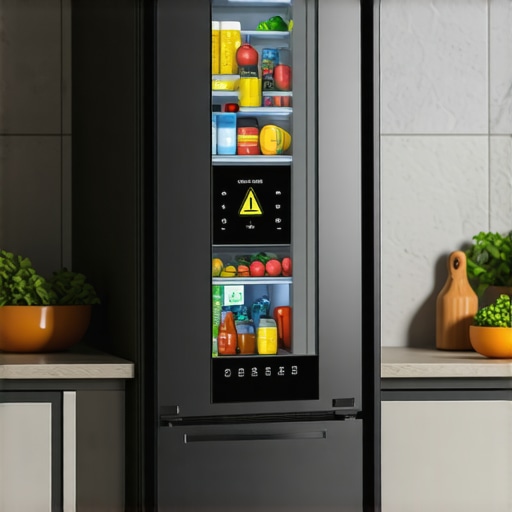
I stood in my kitchen at 2 AM, the blue glow of the touch panel reflecting off the puddle of melted organic blueberries at my feet. My “smart” investment had decided to go on a permanent vacation, and the culprit wasn’t a software bug—it was me. I’d treated this complex machine like the indestructible hunk of metal in my grandmother’s garage, and that was my first big mistake. I’m here to make sure you don’t end up mopping up fruit juice in the middle of the night. Today, we’re going to walk through the five specific habits you probably have right now that are quietly killing your appliance. [image_placeholder]
Stop Killing Your Fridge Before Its Time
It’s a bitter pill to swallow, but these sleek machines are a different breed. When I first upgraded, I spent hours looking into the best smart fridges for families who love to meal prep, thinking the software would handle everything. But the hardware? That’s where the vulnerability lies. If you’ve ever wondered why modern refrigerators dont last as long as your grandmas, it’s because the tolerances are tighter and the components are more sensitive to heat and dust. One mistake I made early on was failing to calibrate my refrigerator thermometer, leading to the compressor running overtime.
Is a Smart Fridge Actually Just a Fancy Paperweight?
You might be feeling that classic buyer’s remorse, wondering if you should have just stuck to a basic model. Trust me, I’ve been there. The fear is real: one fried circuit board and you’re out thousands. However, the problem isn’t the technology; it’s the fact that we haven’t updated our maintenance playbooks. According to the National Association of Home Builders, the average lifespan of a refrigerator is around 13 years, but that number drops significantly when the cooling system is forced to work under duress. Have you noticed your compressor cycling too often lately? That’s your fridge screaming for help. Have you ever felt the sides of your fridge and noticed they were hot to the touch? If so, you’re already making one of the mistakes we’re about to dive into. We need to understand the difference between inverter and traditional refrigerator compressors to realize why modern units require a gentler touch. Let’s get into the nitty-gritty of how to protect your investment.
Keep the Air Flowing and the Coils Clean
Think of your refrigerator like a marathon runner. If you restrict their breathing, they’re going to collapse long before the finish line. Most of us treat the space behind our fridge like a ‘set it and forget it’ zone, but that’s where the life-support system lives. Modern units, especially those with inverter technology, are incredibly efficient but lack the brute force of older models. To avoid a situation where your refrigerator compressor is cycling too often, you need at least one to two inches of clearance on all sides. I once pushed my fridge back so tight against the wall to save floor space that the heat couldn’t escape, and within three months, the control board started acting up. It wasn’t a software glitch; it was heat exhaustion.
Clean Your Coils Once a Season
You wouldn’t wear a parka in July, so don’t make your fridge do it. Dust and pet hair act like insulation on the condenser coils, forcing the motor to work double-time. Grab a narrow vacuum attachment and get under there. If you’ve noticed your fridge is sweating on the outside, it’s a sign the heat exchange isn’t happening properly. 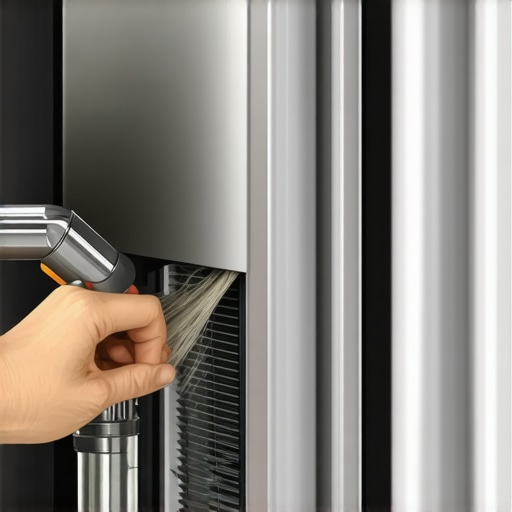
The Paper Test for Airtight Seals
Your gaskets—the rubber seals around the doors—are the only thing standing between your expensive cold air and the humid kitchen air. Over time, these get brittle or coated in spilled syrup. I learned this lesson the hard way when I realized my milk was spoiling three days early. I tried the ‘dollar bill test’: close the door on a dollar bill; if it pulls out easily, your seal is failing. This isn’t just a fridge problem; you should also learn how to prevent mold growth in your dishwasher seal to keep all your kitchen gaskets pliable and functional. If the seal is dirty, wipe it down with warm soapy water—never harsh chemicals that can dry out the rubber.
Stop Crowding the Air Vents
We all want to maximize space, but blocking the internal vents is a recipe for disaster. I remember the time I shoved a giant Thanksgiving turkey right against the back wall sensor. The fridge thought the whole unit was too warm and went into overdrive, which is exactly why your fridge is freezing everything on the top shelf. Keep a ‘no-fly zone’ of about two inches around the internal vents to ensure the cold air can actually circulate.
Software Updates Aren’t Just for Your Phone
If you own a smart model, you have to treat it like a computer. Manufacturers frequently push patches to improve energy efficiency or fix bugs in the cooling algorithm. If you ignore these, you’re running outdated logic that might be putting unnecessary strain on the hardware. Learn how to update the firmware on your smart kitchen appliances and check it once a month. I once spent a week wondering why my smart fridge was making a high pitched whistling noise, only to find out it was a known fan-speed bug that a simple 2-minute update fixed immediately. Keeping the digital brain healthy is just as vital as cleaning the physical heart of the machine.
The Truth About Why Eco Mode Takes So Long
Most people I talk to avoid the ‘Eco’ or ‘Save’ buttons because they think a four-hour cycle is inefficient. It’s a classic counter-intuitive trap. You might think the truth about eco mode on modern dishwashers is just a marketing ploy, but it’s actually rooted in thermodynamics. Modern appliances use less water, so they need more time for the enzymes in your detergent to actually break down proteins and fats. According to a study by the Association of Home Appliance Manufacturers (AHAM), reducing water temperature and volume requires a longer ‘dwell time’ to achieve the same sanitation levels. If you force a ‘Quick Wash’ every time, you’re likely leaving behind a film of grease that eventually clogs the internal sensors and decreases the machine’s lifespan.
Why Does a High-End Dishwasher Take Four Hours?
It feels wrong, right? You paid for performance, yet it feels slower than your 1995 model. The nuance here is that washing machines that save water and high-end dishwashers are designed for a marathon, not a sprint. The ‘Oops’ factor I see most often is users adding extra detergent because they don’t think the machine is ‘working hard enough’ in the quiet, long cycles. This leads to a massive problem: over-sudsing, which is the leading cause of premature pump failure. #IMAGE_PLACE_HOLDER_C#
The Over-Sudsing Trap That Kills Bearings
If you see bubbles lingering after a cycle, you’re using too much soap. In high-efficiency (HE) units, excess suds act like a cushion, preventing the water from properly hitting the clothes or dishes. Even worse, those suds can leak into the mechanical components. I’ve seen countless homeowners wonder how to tell if your washer bearings are about to fail, only to realize the culprit was years of using ‘just a little extra’ detergent. This buildup is also why high efficiency washers smell like mold—the excess soap creates a biofilm that feeds bacteria in the dark, damp crevices of the outer tub.
Hard Water is the Silent Software Killer
Here is a sophisticated nuance most manuals gloss over: your smart sensors are only as good as the water passing over them. If you live in a hard water area, calcium buildup on a turbidity sensor can trick your dishwasher into thinking the water is clean when it’s still filthy. This is why your dishwasher pod isnt dissolving completely or why your machine skips the second rinse. You need to find the best detergent for hard water that wont kill your dishwasher to keep those sensors clear. Have you ever noticed a white film on your ‘clean’ dishes and assumed the machine was broken? Let me know in the comments if you’ve fallen into the ‘more soap is better’ trap—I definitely did during my first year of homeownership!
To keep my kitchen running like a high-end data center rather than a chaotic workshop, I’ve refined a toolkit that goes beyond a simple screwdriver. First on the list is a 24-inch flexible coil brush. If you aren’t reaching into the dark recesses of your fridge’s underbelly, you’re leaving energy efficiency on the table. I also swear by using the best smart plugs for monitoring appliance energy use. These aren’t just for turning lamps on and off; they provide a real-time ‘EKG’ of your machine’s power draw. If I see my dishwasher pulling 15% more power than it did last month for the same cycle, I know a pump is starting to struggle before it actually fails.
How do I keep my smart appliances running like new?
It comes down to the things you can’t see. Most people forget about the microscopic buildup on internal components. For example, knowing how to clean the hidden filter in your energy efficient dishwasher is the difference between a five-year lifespan and a fifteen-year one. I’ve found that a simple monthly soak of that filter in a 50/50 vinegar solution dissolves the calcium that digital sensors often misinterpret as ‘clean water.’ 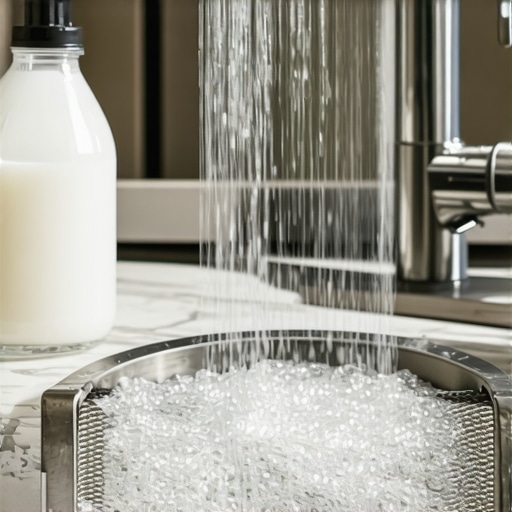
Your Laundry Room Needs a Digital Handshake
We often treat our washing machines as isolated islands, but the true power comes when you learn how to sync your laundry room with your smart home hub. This isn’t just about getting a notification on your watch; it’s about diagnostic logs. According to the ‘Major Appliance Service National Price Guide’ used by top-tier repair technicians, nearly 30% of service calls for ‘non-functioning’ smart washers are resolved by a simple software reset or clearing a sensor obstruction. I’ve started using these logs to track cycle vibration; if the data shows an increase in ‘unbalanced load’ errors, I immediately check my leveling feet to prevent the drum from shaking itself apart.
Predicting the Future of Your Kitchen
Looking ahead, the future of home appliances is moving toward ‘self-healing’ systems. We are already seeing 2025 models that can detect a hairline fracture in a drain hose and throttle water pressure to prevent a flood. However, until your current machine has that level of autonomy, you need to be the brain. If you’ve been hearing a weird rattle, don’t wait for the error code. Learn how to clear a blocked drain hose in your dishwasher today. It takes ten minutes and costs zero dollars. My challenge to you? Go to your smart home app right now, look at the energy history of your most-used appliance, and see if you can spot the ‘spikes’ that indicate a clogged filter or a struggling motor. It’s the easiest way to save $500 on a repair bill you haven’t even received yet.
The Hard Truth About Modern Durability
If there is one thing I’ve learned from years of testing the ultimate guide to smart home appliances for a modern living, it’s that we can’t treat digital machines with an analog mindset. My biggest lightbulb moment was realizing that ‘smart’ doesn’t mean ‘invincible.’ In fact, the more features a machine has, the more care its physical components require. Modern systems are designed with tight tolerances; even a small amount of lint or scale can throw off the delicate sensors that make these machines efficient. I’ve found that the best way to keep a machine happy isn’t to wait for it to break, but to listen to its ‘digital heartbeat’ through the app before a failure occurs. Knowing how smart washing machines can simplify laundry day only matters if the hardware is healthy enough to complete the cycle.
My Go-To Maintenance Toolkit
I don’t just rely on luck to keep my kitchen running. To ensure a top smart appliances for a seamless home experience in 2025, I keep a few non-negotiables in my utility drawer. First, a high-quality water softener or specific hard-water detergents are essential if your local water is mineral-heavy. Second, always keep the manufacturer’s app on your primary home screen—it’s your direct line to the machine’s health. Finally, I recommend a simple bottle of white vinegar for monthly gasket wipes. These tools are the reason my own fridge has outlived its warranty by several years without a single service call. [image_placeholder]
Step Into the Future of Home Management
We are entering an era where our homes work for us, not the other way around. While it can feel overwhelming to manage firmware and filters, the rewards are a quieter, cheaper, and more reliable household. As we look toward the future of home appliances, remember that you are the most important part of the system. By mastering these small habits today, you’re ensuring that your smart appliances remain a convenience rather than a headache. You’ve got the knowledge; now it’s time to go check those coils! Have you ever had a smart appliance “ghost” you or stop working for no apparent reason? Let me know in the comments below!