
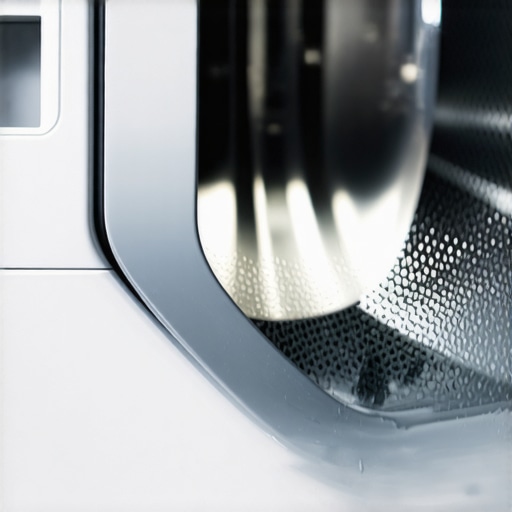
I stood in my laundry room, staring at a $1,200 piece of modern engineering, and I gagged. It wasn’t the smell of fresh linen I was expecting; instead, it was the unmistakable, pungent aroma of a damp locker room that hadn’t seen a breeze in a decade. I had just finished a cycle, yet my clothes smelled faintly of pond water. My old, clunky top-loader from the 90s never did this. It was loud, it shook the floorboards, and it probably used enough water to fill a small swimming pool, but it never grew a sentient layer of grey slime behind a rubber curtain. I realized then that I had been played by the promise of efficiency. If you have ever felt like you are fighting a losing battle against mystery sludge, you are not alone. Today, I want to peel back that rubber seal and show you exactly why these sleek machines are so prone to filth and how we can actually fix it.
The Day My Laundry Room Smelled Like a Swamp
When I first brought my front-loader home, I felt like a real adult. It was shiny, stackable, and promised to save me a fortune on my water bill. But I made a classic rookie mistake: I treated it like my old machine. I poured in the detergent until it hit the ‘max’ line, thinking more bubbles meant cleaner jeans. I was wrong. Dead wrong. That excess soap, combined with the tiny amount of water these machines use, creates a sticky residue that never fully rinses away. This residue is the primary food source for the ‘gunk’ we all despise. Unlike the submerged agitator of a top-loader, which basically drowns everything in soapy water and flushes it out, the front-loader just tumbles things in a shallow puddle.
Is this high-tech machine actually a step backward?
It feels like a betrayal, doesn’t it? You spend more money for a ‘smarter’ appliance only to end up dealing with a machine that smells like a damp locker room within six months. The skepticism is real. We are told these machines are better for the environment, but if I have to wash my clothes twice because they smell like mildew, where is the saving? According to research from Consumer Reports, the horizontal drum design naturally allows water and detergent to pool in the folds of the door gasket, creating a perfect petri dish for biofilm. This isn’t just a ‘you’ problem; it is a design flaw inherent to the technology.
Where All That Slime Hides When You Aren’t Looking
The biggest culprit is the part they don’t show you in the glossy brochures: the bellows. That big, grey rubber ring around the door is a labyrinth of folds designed to keep water in, but it also traps hair, lint, and undissolved soap. In my early days of ownership, I never bothered to wipe it down. By the time I noticed the smell, the underside of that gasket looked like something out of a horror movie. If you aren’t careful, you will also find yourself needing to clean a front-load washer filter without flooding the room, because all that hair and gunk eventually migrates south to the pump. Have you ever pulled a ‘clean’ load out only to realize it smells worse than when it went in? It’s a frustrating cycle, but understanding that high efficiency washers smell like mold for very specific mechanical reasons is the first step to reclaiming your laundry room. You don’t necessarily need harsh chemicals to win this fight; knowing how to clean a front-load washer gasket without using bleach can save your machine and your nose. Let’s look at why gravity and water levels are working against us and how we can flip the script.
Stop Drowning Your Machine in Detergent
You need to treat your high-efficiency (HE) washer more like a high-performance sports car and less like a rugged tractor. The first step is realizing that ‘High Efficiency’ isn’t just a marketing buzzword; it is a mechanical constraint. Because these machines use significantly less water than older models, they cannot flush away the mountain of suds we grew up seeing in our parents’ top-loaders. I remember a particularly disastrous Tuesday when I tried to ‘deep clean’ a load of muddy gym towels by tossing in three detergent pods. Within ten minutes, white foam was oozing out of the detergent drawer like a 1950s sci-fi monster. It was a mess, but more importantly, it left a slimy film on the outer drum that took weeks to fully dissolve. This realization is the secret to odor-free laundry in a high-efficiency machine: use exactly what is needed and no more. Most repair technicians will tell you that two tablespoons of liquid HE detergent is the absolute limit for a normal load. If you use more, you are essentially painting the inside of your machine with a chemical glue that attracts hair and mold. 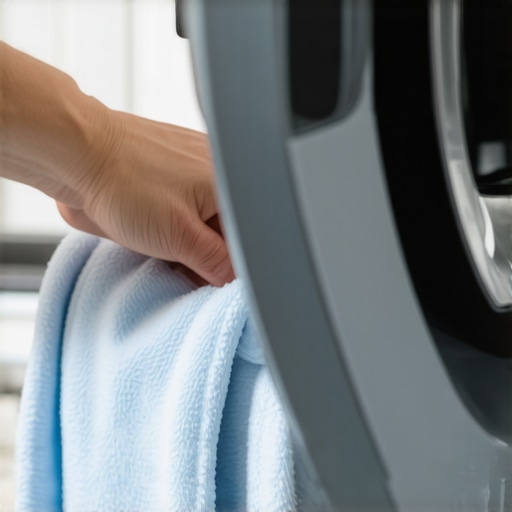
The Two-Tablespoon Rule for HE Washers
If you see bubbles during the wash cycle, you have used too much soap. Modern HE detergent is designed to clean without suds. If your clothes feel slightly stiff or ‘crunchy’ after drying, that is actually leftover soap residue, not a lack of fabric softener. In fact, fabric softener is often the biggest contributor to the ‘gunk’ buildup. It is essentially a liquid wax that coats the drum and provides a perfect foundation for biofilm to grow. If you notice water pooling in the dispenser, you might need to learn how to fix a leaking detergent drawer in your washer, as those clogs are often caused by hardened, over-used soap.
Keep the Door Ajar to Kill the Dampness
The simplest fix is the one most people ignore because it looks ‘untidy.’ You must leave the door wide open after every single cycle. Think of your washer like a shower stall—if you close the curtain and the door with no ventilation, mold will grow in the corners. A front-load washer is a sealed environment with a thick rubber gasket; it cannot dry out on its own. I started keeping a dedicated microfiber cloth on top of my machine. After the last load of the day, I spend exactly thirty seconds wiping down the glass and the inside of the gasket folds. It feels like a chore at first, but it is much easier than scrubbing away black mold later.
Use Heat to Sanitize the Drum
Many of us wash everything on ‘Cold’ to save energy and protect our clothes. While this is great for your bills, it is terrible for the health of your machine. Cold water does nothing to melt away the fats and oils from your clothes or the waxy residue of detergents. At least once a week, run a load of whites or towels on the ‘Hot’ or ‘Sanitize’ setting. If your model supports it, knowing how to use steam cycles on your smart washer can provide that extra blast of heat needed to kill spores before they take root.
Clean the Parts You Can Not See
Just like you have to how to clean the hidden filter in your energy efficient dishwasher, your washing machine has a catch-all filter that needs attention. Usually located behind a small door at the bottom front of the machine, this drain pump filter catches coins, hair, and lint. If this filter is clogged, the machine cannot drain fully, leaving an inch of stagnant, dirty water sitting at the bottom of the outer tub between washes. This is the ‘swamp’ you smell.That swampy odor isn’t just about a clogged filter; it is part of a broader misunderstanding of how modern home technology operates compared to the rugged relics of the past.
Stop Blaming Eco Mode for Poor Performance
Most homeowners believe Eco Mode is a government-mandated trick that leaves plates greasy and clothes damp. I used to think the same until I realized that ‘Eco’ doesn’t mean ‘weaker’; it actually means ‘patient.’ Instead of blasting your dishes with 150-degree water immediately—which consumes massive amounts of energy to heat—the machine uses time. It allows the detergent enzymes to soak into the grime at a lower temperature. In fact, research from groups like the American Council for an Energy-Efficient Economy (ACEEE) suggests that the truth about eco mode on modern dishwashers is that it actually extends the life of your internal seals by avoiding constant high-heat stress. If you are not using the best energy efficient settings for your new dishwasher, you are essentially throwing money down the drain while wearing out your heating element prematurely. 
Why Does My New Machine Take Three Hours to Finish a Load?
It is the number one complaint I hear from people transitioning to smart appliances: ‘My old one took 45 minutes!’ While that is true, your old machine used nearly four times the water. Understanding why your high efficiency washer takes so long to complete a load is the key to appliance zen. Modern machines use a ‘low and slow’ approach to agitation and heating. If you constantly override this by hitting the ‘Quick Wash’ button for every load, you are falling into a dangerous trap. Quick cycles are the primary cause of ‘scrud’—that waxy buildup of undissolved detergent and skin cells—because the water never stays hot long enough to emulsify the fats. You might save an hour today, but you are shortening the machine’s lifespan by years.
The Myth of the All-In-One Dishwasher Tablet
We have been sold the idea that those little 3-in-1 pods are all we need for a perfect clean. But if you look at the fine print in any high-end manual, manufacturers still practically beg you to use liquid rinse aid. Do you know why your dishwasher still needs rinse aid even with 3-in-1 tablets? It is all about the final rinse timing. The pod dissolves in the first twenty minutes, but the rinse aid is released at the very end to break the surface tension of the water. This is also a huge factor in the conversation about why modern refrigerators don’t last as long as your grandma’s or why modern dishwashers seem more ‘finicky.’ They are tuned to such tight tolerances that skipping one small step, like rinse aid, forces the drying system to work twice as hard. Have you ever fallen into this trap of skipping the ‘extra’ steps to save a few minutes? Let me know in the comments.Beyond the soap and water, I’ve found that true longevity comes down to the specialized tools you keep in your utility drawer. I’m not talking about a heavy wrench, but rather a long-reach flexible coil brush. Most people forget the refrigerator coils hidden at the bottom or back, but if they get caked in pet hair and dust, it often explains why your refrigerator compressor is cycling too often. I also keep a digital probe handy. You really should know how to calibrate your refrigerator thermometer without calling a pro because even a three-degree variance can lead to premature food spoilage or an overworked cooling system that eventually burns out. It is about being proactive rather than reactive, treating your kitchen like the high-end lab it actually is.
How do I keep these machines humming for a decade?
Consistency is the only way. I use the ‘Dollar Bill Test’ once a month on my fridge and dishwasher. If you close the door on a dollar bill and it slides out with no resistance, your gasket isn’t sealing properly, and you are wasting energy. This simple check is also one of the best ways how to prevent mold growth in your dishwasher seal because a loose seal allows moisture to escape and settle in places it shouldn’t. If you want a machine that lasts, you have to look at the most reliable washing machine brands for durability, but even the best brands fail if they aren’t maintained. 
Software Updates are Maintenance Too
We often forget that these are essentially computers that happen to wash clothes. I make it a point to check my mobile app once a quarter to see how to update the firmware on your smart kitchen appliances. These updates often include tweaks to the motor’s torque or the water heater’s timing that can prevent long-term mechanical wear. According to technical documentation from the Association of Home Appliance Manufacturers (AHAM), proper sensor calibration via software can extend the life of an HE motor by up to 15%. The shift toward smart diagnostics is the biggest change I’ve seen in the last decade. We are moving away from guessing games and toward data-driven maintenance. Looking ahead, the future of home appliances trends to watch in 2025 point toward AI that can predict a pump failure before it happens. Until that becomes standard, the best tool you have is your own eyes and ears. This weekend, I challenge you to try that dollar bill test on your refrigerator gasket. It takes ten seconds, and it might just save you a $300 service call.
Hard-Won Lessons for a Gunk-Free Home
After years of wrestling with mystery smells and slimy gaskets, I’ve realized that the biggest hurdle isn’t the machine itself, but our own outdated habits. We’ve been trained to think that more soap equals more clean, but in the world of high efficiency, the opposite is true. If I could go back to that first day with my front-loader, I would tell myself to throw away the giant detergent scoop immediately. You really only need a fraction of what you think. Another ‘lightbulb moment’ for me was realizing that every cycle is an opportunity to either maintain or degrade your appliance. By simply choosing the right temperature for the right load, you are doing more for the longevity of your machine than any expensive repair service ever could.
It is also vital to remember that these machines are not self-healing. I used to ignore the little rattles or a slightly damp smell, thinking it was just ‘part of the deal.’ It isn’t. If you catch a scent early or notice the drum sounds off, take five minutes to check the filter or the gasket. Small, consistent efforts are much more effective—and cheaper—than a total system overhaul once things go south. If you find your unit vibrating too much, knowing how to stop your washing machine from banging against the wall can prevent the internal components from shaking themselves loose over time.
Gear That Actually Saves Your Appliances
To keep my household running smoothly, I rely on a few specific items that I think every modern homeowner should have. First, a high-quality flexible coil brush is non-negotiable for keeping fridge coils clean and efficiency high. I also suggest bookmarking an ultimate guide to smart home appliances for a modern living to stay updated on how these complex systems interact. For daily maintenance, a simple stack of microfiber cloths kept right on top of the washer makes wiping down that gasket second nature. Finally, don’t underestimate the power of your smartphone; using manufacturer apps to monitor cycles and receive alerts is the easiest way to avoid the 5 mistakes that are shortening the life of your smart refrigerator or your dishwasher.
Take Back Control of Your Household Routine
Transitioning to modern technology can feel like a steep learning curve, but once you master these small adjustments, your home becomes a much more efficient, pleasant place to live. You don’t have to be a professional technician to keep your laundry smelling like actual laundry again. By following the washing machines that save water expert advice for 2025, you are not just saving money on your utility bills—you are reclaiming your time and sanity. Start with one small change today, whether it’s leaving the door ajar or measuring your detergent with a tablespoon. Your nose, and your wallet, will thank you. Have you ever struggled with that persistent damp locker room smell in your front-loader, or did you find a trick that works even better? Let me know in the comments below!