
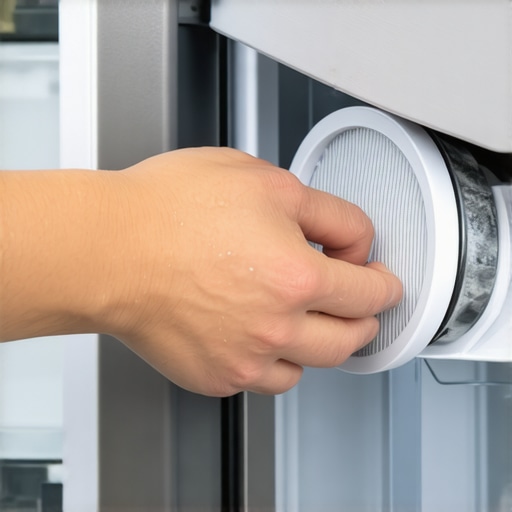
I was standing in my kitchen at 2:00 AM, socks soaking wet, staring at a slow-motion flood creeping out from under my French-door refrigerator. I’d spent all evening wondering why my new refrigerator was making a loud humming sound, assuming it was just the usual break-in noise of a modern machine. I was wrong. It wasn’t a mechanical failure; it was a clog. A tiny, slimy, deep-seated clog in a place I didn’t even know existed. I have plenty of experience with washing machines that save water, but when it came to my fridge’s internal plumbing, I was a total novice. [image_placeholder_1]
Stop Wiping Up Puddles and Find the Real Culprit
Most of us buy refrigerators in 2025 thinking they are self-sustaining ecosystems. We stock them with kale, we change the water filter once a year, and we go about our lives. But there is a secret drain hole—a literal drain filter of sorts—at the back or bottom of most units that catches the condensation runoff. If a stray piece of lettuce or a bit of dust gets in there, the water has nowhere to go but out the front door. I made the classic mistake of ignoring the swampy smell for weeks. I thought maybe some cilantro had gone rogue in the back. In reality, stagnant water was sitting in the drain pan because the exit hole was blocked. This isn’t just about a mess; it’s about efficiency. According to the U.S. Department of Energy, a refrigerator with poor airflow or clogged drainage can consume up to 10% more power as the compressor works overtime to compensate for the moisture buildup. If you’ve noticed why your refrigerator compressor is cycling too often, you might be looking at a drainage issue rather than a motor problem.
Is this tiny drain hole actually worth the effort?
You might be thinking that a little water under the crisper drawer is just a minor annoyance you can live with. Trust me, I tried that. But ignoring it leads to mold, foul odors, and eventually, a service call that costs hundreds for a five-minute fix. It’s much like how people forget to clean the hidden filter in their energy-efficient dishwasher; we assume the machine cleans itself. It doesn’t. Have you ever opened your crisper drawer and found your carrots swimming in a miniature lake? Let me know in the comments, because I felt like I was the only one until I started digging into the manuals.
Track Down the Elusive Drain Hole
First, you need to empty the lower half of your fridge. Most people find the drain hole hiding behind the crisper drawers or nestled in a small trough along the back wall. It looks harmless, like a tiny belly button for your appliance, but it’s the primary escape route for moisture. When this gets blocked, you face the same physics problem as why your dishwasher bottom is full of standing water—gravity has nowhere to send the liquid. I remember the first time I went looking for it; I had to move three jars of pickles and a forgotten bag of spinach just to see the back wall. Even the most advanced refrigerators in 2025 rely on this simple gravity-fed system, so don’t assume your high-tech model is immune.
Blast Through the Gunk with Household Tools
Once you’ve spotted the hole, don’t go stabbing at it with a screwdriver. I made that mistake once with an old unit, nearly piercing the plastic lining in a 3 AM fit of rage. Instead, grab a turkey baster or a large syringe. Fill it with a mixture of warm water and a tiny drop of mild dish soap. This isn’t just about clearing a path; it’s about breaking down the “biofilm”—that slippery slime that grows in damp, dark places. Force the water into the hole. If it bubbles back at you, the clog is stubborn and needs more than just a quick flush. 
Use a Flexible Snake for Deep Blockages
If the water won’t go down, you need a physical tool that can navigate the curves of the drain pipe. I found that a long, flexible pipe cleaner or a dedicated refrigerator drain brush works best. Gently feed it into the hole, twisting as you go. It’s a bit like learning how to clean the hidden filter in your energy-efficient dishwasher; it requires a bit of finesse rather than brute strength. When I finally cleared my clog, a literal “glug-glug” sound echoed through the kitchen—the most satisfying noise I’ve heard since I figured out the secret to making your refrigerator run more quietly. I actually pulled out a small piece of a plastic grape bag that had somehow migrated back there, proving that even tiny debris can cause a major flood.
Check the Swamp Underneath Your Fridge
Many people stop once the hole is clear, but the water had to go somewhere. It ends up in the evaporator pan, usually located behind the bottom kickplate or at the very back of the unit near the compressor. If that pan is full of stagnant water, your kitchen will start to smell like a locker room. While you’re down there, check your settings to ensure you aren’t making things worse. For example, knowing the best refrigerator temperatures for keeping leafy greens crisp can actually prevent excess frost and condensation from overloading the drain system in the first place. This is just as vital as knowing the reason your high-efficiency washer smells like old gym socks—it all comes down to moisture management. If you find debris like bits of plastic wrap or rogue peas in the pan, you know your seals might be letting in too much warm air. Cleaning this pan with a mix of vinegar and water will kill the bacteria that cause those middle-of-the-night kitchen odors.It is a common refrain at every backyard BBQ: ‘They just do not make them like they used to.’ While there is some truth to why modern refrigerators don’t last as long as your grandma’s, the reason is not usually ‘cheap parts.’ In my experience, the problem is that we treat a high-performance computer like it is a simple cold metal box. We expect it to survive decades of neglect, but today’s units are packed with sensors that require a different kind of care. For example, if you never learn how to update the firmware on your smart kitchen appliances, you are missing out on vital patches that manage compressor cycles more efficiently. This is one of the 5 mistakes that are shortening the life of your smart refrigerator. 
Stop blaming the manufacturer for your fridge’s short life
Everyone loves the ‘Auto’ or ‘Eco’ button, thinking it is the smartest choice for their wallet. Here is the contrarian truth: in many hard-water areas, ‘Eco’ mode does not get hot enough to fully dissolve modern detergents, leading to a slow build-up of ‘scrud’—detergent scum—that eventually kills the pump. I have seen more ‘dead’ machines caused by cold-water cycles than by actual motor failure. You are often better off running a heavy-duty cycle once a week to blast the system clean. The Association of Home Appliance Manufacturers (AHAM) suggests that while high-efficiency machines save resources, they are significantly more sensitive to the ‘wrong’ type of use than older models. This is precisely the truth about eco mode on modern dishwashers that the marketing brochures will not tell you. Have you ever fallen into this trap of ‘saving’ money only to face a $300 repair bill? Let me know in the comments.
Why does your smart fridge keep dropping the Wi-Fi signal?
It seems like a minor annoyance, but a dropped connection often signals a deeper issue with the main control board’s power supply. If you have wondered why your smart home hub keeps dropping the washer connection, it is rarely just about the router. It is often a sign of electrical ‘noise’ from a failing component nearby. Paying attention to these digital hiccups can save your appliance before it completely blacks out. It is about being proactive rather than reactive. By understanding the digital pulse of your home, you can extend the life of even the most temperamental machines.
Invest in a Long Flexible Coil Brush to Save Thousands
If you want to be serious about maintenance, stop relying on your vacuum’s crevice tool. I personally use a 26-inch flexible refrigerator coil brush because it can reach the deep corners where pet hair and dust bunnies go to die. When dust cakes onto your condenser, the heat can’t escape, leading to the exact scenario where you wonder how to tell if your refrigerator’s fan motor is failing. I’ve seen compressors burn out in five years just because of a thick layer of Golden Retriever fur. This isn’t just about the fridge, either; the same logic applies to keeping the back of your laundry units clear to prevent overheating. According to technical bulletins from the International Association of Certified Home Inspectors (InterNACHI), the average life of a refrigerator is 9 to 13 years, but this drops by nearly 50% if the condenser coils are never cleaned. By spending ten minutes every six months with a brush, you are essentially buying yourself an extra half-decade of appliance life. 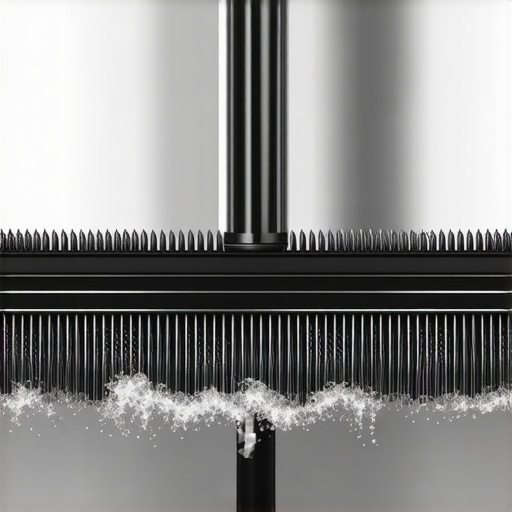
How do I maintain these high-tech machines over many years?
Consistency is the only way to avoid a total system failure. For my washing machine, I stopped using fabric softeners entirely—they are essentially liquid wax that coats sensors and leads to the ‘stink’ everyone complains about. Instead, I focus on the secret to odor-free laundry in a high-efficiency machine, which involves a monthly high-heat sanitize cycle and a manual wipe-down of the gasket. If you are managing a household of top smart appliances for a seamless home experience in 2025, you also need to treat your electrical health as a priority. I highly recommend using the best smart plugs for monitoring appliance energy use. Not only do they track costs, but they also alert you if a machine is pulling erratic power—a surefire sign that a pump or motor is beginning to seize. It’s much cheaper to replace a $40 capacitor now than a $1,200 control board next month.
The Coming Shift Toward Predictive AI Diagnostics
Looking ahead, we are moving away from ‘break-fix’ cycles toward a future where your machine tells you it’s sick before it actually dies. We are already seeing innovative dishwashers with AI technology you must know that can sense a drop in water pressure and automatically suggest a filter cleaning. In the next few years, I expect appliances to include internal vibration sensors that can detect a failing bearing long before you hear that dreaded grinding noise. This is the logical evolution of future of home appliances: trends to watch in 2025. We won’t just have ‘smart’ fridges that show us our milk; we’ll have ‘resilient’ fridges that manage their own health. For now, I challenge you to try one thing: buy a cheap energy monitoring plug and hook it to your fridge for 48 hours. If the wattage spikes are irregular, it’s time to stop reading and start cleaning those coils.
Hard-Earned Lessons from My Midnight Flood
After years of tinkering with kitchen gear, I’ve realized that modern machines are far more sensitive than the ‘tanks’ our parents owned. One of the most vital lessons I learned is that biofilm isn’t just a gross word—it’s a physical barrier that can completely shut down your drainage system if you don’t perform regular warm water flushes. If you are currently choosing the right refrigerator, keep in mind that high-tech sensors are only as good as the physical plumbing they monitor. I also discovered that a fridge that isn’t perfectly level is a disaster waiting to happen; if the unit tilts forward even slightly, the condensation will miss the drain hole entirely and end up under your crisper drawer. Lastly, don’t ignore the ‘slurp’ sound—if your fridge sounds like it’s struggling to swallow, that’s your early warning sign that a clog is forming.
The Simple Kit That Prevents Expensive Repairs
You don’t need a garage full of specialized tools to master the ultimate guide to smart home appliances for a modern living. In my experience, these four items are the only things you truly need to keep your kitchen running smoothly:
- A 26-inch flexible coil brush: This is the only tool that can navigate the ‘S-curves’ in your drainage line without puncturing the plastic.
- A large turkey baster: Perfect for forcing a concentrated stream of warm, soapy water through a stubborn blockage.
- The best smart plugs for monitoring appliance energy use: These are my ‘secret weapon’ because they alert me to erratic power spikes that usually happen when a compressor is struggling against a clog.
- Mild white vinegar: I use this for a monthly wipe-down of the drain trough to prevent the bacterial growth that causes those ‘locker room’ odors.
Create a Kitchen That Works for You
Managing a home in 2025 shouldn’t feel like a constant battle against failing machinery. By taking ten minutes every few months to check your seals and clear your drain lines, you’re doing more than just ‘cleaning’—you’re protecting your peace of mind and your wallet. Whether you are troubleshooting a loud hum or just trying to keep your leafy greens fresh, a little proactive care ensures your refrigerator remains a silent, reliable partner in your home. Have you ever found a mysterious puddle under your crisper drawer and had no idea how it got there? Let me know in the comments below!