
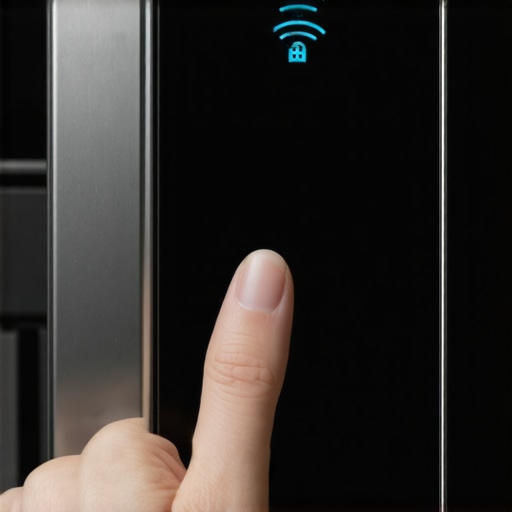
I was standing in my kitchen at 2 AM, just wanting a glass of cold water, when my refrigerator screen lit up like a neon billboard. It wasn’t alerting me to a door left ajar or a filter change. It was demanding a mandatory firmware update. That was the moment it clicked: my fridge had become a data-harvesting node for a tech giant. I felt less like a homeowner and more like a tenant in my own kitchen. I realized then that while top features that transform your kitchen are great, they often come with a hidden cost of personal data. If you’ve ever felt like your toaster knows more about your morning routine than your spouse does, you’re not alone. [image_placeholder_1]
Stop the Constant Data Stream From Your Kitchen
The dream of modern living shouldn’t mean sacrificing your digital footprint. Today, I’m going to show you exactly how to cut the signal without losing the core functionality of your machines. We’re going to find those hidden settings menus and, if necessary, identify the physical ways to ensure your appliance stays ‘dumb’ and focused on its actual job. You bought these tools to serve you, not to serve up your habits to a third-party advertiser. I want to help you get back to a home where your only concern is the laundry, not who is watching your AI-powered dishwasher cycles.
Is keeping your appliances offline really worth the hassle?
Many people worry that not updating the software will lead to a bricked machine or a loss of efficiency. I used to be one of them. Early on, I made the mistake of ‘agreeing to all’ during the setup of my first high-end washer just because I wanted the phone notification. I quickly learned that the trade-off wasn’t worth the constant pings and the opaque privacy policies that seemed to change every month. According to a study by Consumer Reports, many smart appliances collect significantly more data than is necessary for their basic function, often with vague terms about where that data ends up. You can still use energy-saving modes manually; you don’t need a cloud server to tell you how to wash a plate. Have you ever checked your router’s device list and been shocked by how many things are actually ‘phoning home’ while you sleep? It’s time to take control of your network and your peace of mind.
Forget the Router to Save Your Privacy
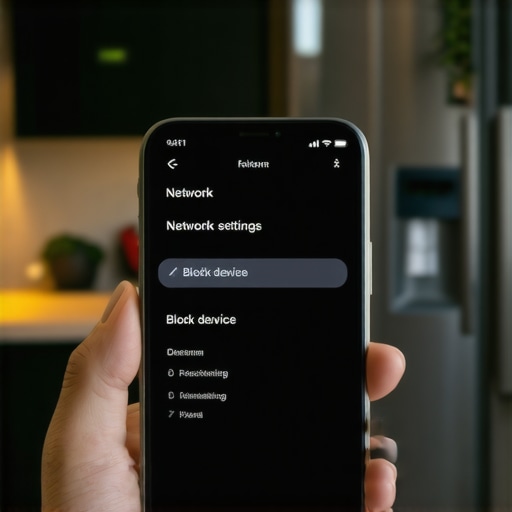
The most effective way to silence a chatty appliance is to treat your Wi-Fi router like a bouncer at an exclusive club. If your fridge isn’t on the list, it doesn’t get to talk to the internet. Access your router’s administrative panel—usually by typing a series of numbers like 192.168.1.1 into your browser—and look for the ‘Device List’ or ‘DHCP Client List.’ This is where you’ll see every single piece of tech in your house. Identifying which ‘Unknown Device’ is actually your refrigerator can be a bit like a digital game of Whac-A-Mole. I once spent forty minutes toggling the power on my microwave just to see which IP address disappeared from the list so I could isolate it.
Block the MAC Address Instead of Changing Passwords
Don’t just change your Wi-Fi password; that’s a headache for every other device you own. Instead, use MAC filtering to specifically blacklist the appliance. By doing this, the machine stays connected to your local network if you still want to use internal features, but it can’t send a single byte of data to an external server. This is a great workaround if you are frustrated by why your smart washer won’t connect to your local network but you actually prefer it that way. You get the peace of mind knowing your laundry habits aren’t being sold to detergent manufacturers while maintaining basic machine operation.
Opt Out of Every Experience Improvement Program
If you must keep the appliance online for features like remote preheating or diagnostics, you need to dive deep into the ‘About’ or ‘Legal’ section of the appliance’s onboard menu. Look for terms like ‘Experience Improvement Program’ or ‘Data Sharing.’ These are often checked by default. Uncheck them. It feels small, but it’s the difference between the machine working for you and the machine working as a research tool for the manufacturer. Even if you’ve been learning how to update the firmware on your smart kitchen appliances, you can usually do so via a USB port or a temporary connection rather than leaving the faucet of data wide open 24/7.
Keep Your Hardware Humble
Sometimes the software is too clever for its own good. I remember a particularly rainy Tuesday when my washer refused to enter the spin cycle. It wasn’t a mechanical failure; it was stuck in a ‘communication loop’ trying to report a completed cycle to a server that was currently down for maintenance. I was standing there with a basket of soaking clothes, realizing my laundry schedule was now dependent on a cloud server in another time zone. I had to perform a hard reboot, similar to how to reset your smart fridge after a power outage, just to get it to recognize its own physical buttons again. That was my ‘never again’ moment.
Use a Dumb Plug for a Smart Problem
If you want the benefits of automation—like scheduling or energy tracking—without the privacy nightmare, consider bypassing the appliance’s internal ‘smart’ brain entirely. Using the best smart plugs for monitoring appliance energy use allows you to see how much power your fridge or dishwasher is drawing without giving those machines access to your network. You get the data, you control the power, and the manufacturer gets nothing. It’s the ultimate middle ground. You can still apply the best energy-efficient settings for your new dishwasher manually, ensuring you save money on your bills without paying with your personal information.
Stop Letting AI Decide How Much Soap You Need
Most people assume that if a machine is ‘smart,’ it’s automatically better at its job. But here’s the truth: the ‘AI’ in your kitchen is often more focused on marketing than mechanics. One major mistake I see is the blind trust in ‘Eco’ or ‘Auto’ cycles. While the truth about eco-mode on modern dishwashers is that it saves water, it often does so at the cost of temperature. In my years of troubleshooting, I’ve found that low-temp cycles are the primary cause of biofilm buildup, which eventually leads to those nasty smells. You think you’re being green, but you’re actually creating a breeding ground for mold that can eventually require a deep tear-down of the unit.
Why Eco-Mode Might Be Shortening Your Machine’s Life
Another trap is the ‘over-smart’ detergent dispenser. We’ve been told that AI can perfectly weigh a load and dispense soap, but 5 mistakes that are shortening the life of your smart refrigerator apply to washers too: over-complicating simple tasks. In fact, the Association of Home Appliance Manufacturers (AHAM) has noted that while energy efficiency has increased by over 25% in the last decade, cycle times have nearly doubled. This means your ‘efficient’ machine is running its internal components for twice as long, leading to earlier mechanical failures. You are essentially trading the lifespan of your motor for a few pennies saved on the electric bill.
Does constant connectivity actually lead to faster hardware failure?
The short answer is yes, but not for the reasons you think. It’s not that the Wi-Fi chip ‘wears out’ the motor; it’s that the software updates—designed for the newest models—often bloat the resources of older machines. I’ve seen perfectly good washers start to lag or ‘freeze’ simply because a new firmware update was too heavy for their three-year-old processor. If you’ve been wondering how to tell if your washer bearings are about to fail, sometimes it’s not even a mechanical issue—it’s a software glitch causing uneven weight distribution during the spin. This is a nuance rarely discussed in the showroom: software is temporary, but hardware is supposed to be permanent.
Avoid the Common Trap of Blindly Trusting Sensors
Don’t get me started on detergent pods. If you’ve noticed why your dishwasher pod isnt dissolving completely, it’s likely because the ‘smart’ water sensors are trying to save so much water that there isn’t enough volume to break down the plastic coating. Sometimes, the most high-tech solution is to just go back to powder and manual settings. If you are looking for washing machines that save water-expert advice for 2025, look for ones that allow you to override the automation. Have you ever fallen into this trap where the ‘smart’ feature actually made the chore harder? Let me know in the comments.
Get a Multimeter and Stop Guessing
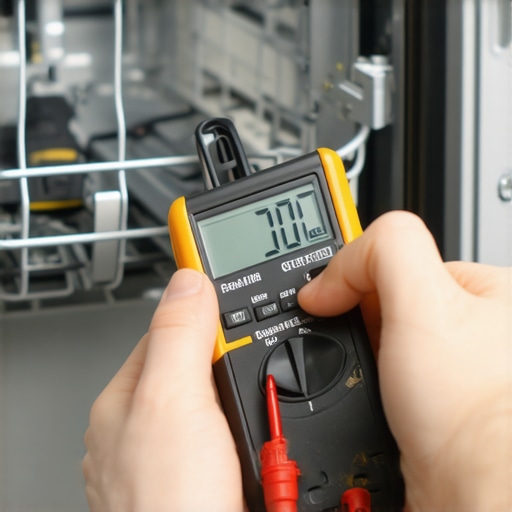
The biggest secret of the repair industry isn’t a special wrench or a proprietary code; it’s the humble digital multimeter. When my high-end dishwasher stopped heating last winter, the app told me absolutely nothing. I didn’t call a technician. Instead, I pulled the kickplate, found the technical data sheet—which is almost always tucked into a plastic sleeve near the bottom—and tested the heating element for continuity. If you have a reading of zero or infinity, you’ve found your culprit. This simple tool allows you to bypass the vague ‘Error 404’ messages and see exactly what is happening with the electricity. It’s how I figured out how to replace the water inlet valve on your washer without paying a $150 diagnostic fee. Being able to verify a component’s failure physically is the ultimate way to maintain control over your kitchen’s ecosystem.
How do I maintain these high-tech machines over the long haul?
Maintenance for a modern appliance isn’t just about wiping the front with stainless steel cleaner. It’s about the hidden components that the manufacturers assume you’ll never see. For instance, I set a calendar reminder every six months to check the pump filter. If you don’t know where yours is, you need to learn how to clean the hidden filter in your energy efficient dishwasher before the debris creates a back-pressure issue that fries the motor. Similarly, don’t trust the internal fridge sensor to be your only source of truth. I personally use a separate NIST-traceable thermometer to verify temperatures, and you can easily learn how to calibrate your refrigerator thermometer without calling a pro to ensure your milk isn’t spoiling in a ‘dead zone’ the smart panel missed.
The Inevitable Return to Repairability
I’ve spent enough time in the guts of these machines to notice a shift. As we look at the future of home appliances-trends to watch in 2025, there is a growing ‘Right to Repair’ movement that is finally forcing manufacturers to reconsider their ‘sealed unit’ philosophy. Experts at The Repair Association have long argued that the environmental cost of disposing of a smart fridge because of a faulty Wi-Fi board is unsustainable. I predict we are going to see a return to modularity, where you can swap out a screen or a sensor without tossing the entire compressor. Until then, you have to be your own first line of defense. If you hear a strange noise, don’t wait for the app to alert you. Trust your ears; they are often better at how to tell if your refrigerators fan motor is failing than any algorithm.
Citric Acid Is Better Than Branded Cleaners
Stop buying those expensive, scented cleaning tablets. I use pure, food-grade citric acid in my dishwasher and washing machine. It’s the most effective way to handle the mineral buildup that plagues modern sensors. If you’re struggling with the best way to remove hard water spots from dishwasher interiors, a quarter cup of citric acid during a high-temp cycle will outperform any ‘smart’ cleaning cycle the manufacturer provides. This isn’t just about aesthetics; scale buildup on sensors leads to false readings, which leads to longer cycles and more wear on the hardware. When choosing the right refrigerator-tips from industry experts, they’ll tell you about the compressor, but they rarely mention that your local water quality will dictate the machine’s lifespan more than the brand name. My challenge for you: pull your machine out from the wall today and find that paper service manual. It’s your ticket to independence from the service-call cycle.
Hard Truths from a Kitchen Tech Veteran
After years of tinkering with everything from simple toasters to high-end refrigerators, I’ve realized that the most ‘reliable’ feature is often the manual override. Software updates will eventually stop for your specific model, but a well-maintained motor doesn’t have an expiration date. Don’t be afraid to keep your machines in a ‘semi-smart’ state; a washing machine that cleans your clothes without reporting back to a server is a win for your privacy and your peace of mind. I’ve found that the best home appliances are the ones that let you stay in control, even when the Wi-Fi goes down.
Where I Go When the Error Codes Get Cryptic
I don’t expect you to memorize every motherboard layout, but you should have a reliable ‘paper trail.’ I always keep a digital folder of the technical service manuals for my dishwashers and smart appliances. I highly recommend checking out The Repair Association for advocacy on your right to fix what you own. For physical tools, a high-quality multimeter and a set of Torx drivers are my daily drivers. If you’re looking for the top smart appliances for a seamless home experience in 2025, prioritize brands that offer transparent service documentation and long-term software support. Always read the privacy policy before you hit ‘I Agree’ on that new touchscreen—your data is just as valuable as the machine itself.
Take Back Your Kitchen from the Cloud
Owning smart appliances shouldn’t feel like a part-time job in IT management. By setting boundaries with your router, staying on top of physical maintenance like filter cleaning, and being skeptical of ‘AI’ marketing, you can enjoy the ultimate guide to smart home appliances for a modern living on your own terms. The future of home appliances-trends to watch in 2025 points toward a more modular, user-friendly world, but you have the power to make your current kitchen work for you right now. Don’t wait for a firmware update to tell you how to care for your home; trust your instincts and your tools. #IMAGE_PLACE_FINAL# Have you ever successfully blocked an appliance from the internet while keeping its core features? Let me know below.