
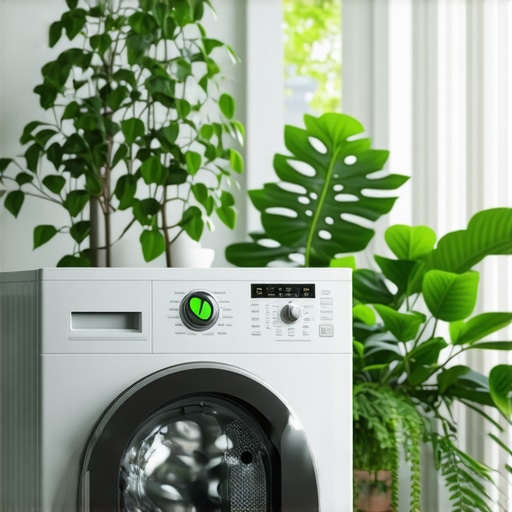
I stood in my laundry room last spring, staring at the blinking blue lights of my brand-new smart washer like it was a cockpit. Feeling environmentally conscious, I jabbed the ‘Deep Eco’ button, tossed in a massive load of towels, and walked away feeling like a hero for the planet. Two hours later, I opened the door to a damp, heavy mess that smelled less like ‘Spring Rain’ and more like a soggy basement. I’d made the classic mistake of assuming the greenest setting was a one-size-fits-all solution for every mess. It wasn’t. That failure sent me down a rabbit hole of manuals and water-usage charts to find out how to actually save the planet without ruining my favorite linens. Today, I’m going to share exactly which dials to turn so you can stop guessing and start getting fresh laundry every single time.
Stop Treating Your High-Efficiency Washer Like an Old Top-Loader
The biggest hurdle to going green isn’t the machine; it’s our old habits. Most of us grew up with machines that filled to the brim, drowning our clothes in a lake of soapy water. When we see a modern drum barely splashing around, we panic. I’ve been there—I once tried to ‘help’ my machine by dumping extra buckets of water in, only to realize I was just confusing the sensors and potentially causing a situation where my washing machine starts moving across the floor. Modern washing machines that save water rely on sophisticated gravity-drop mechanics rather than submersion. If you keep expecting a full tub, you’re going to use the wrong settings and end up disappointed. One of the most important things I learned early on is that your washer doesn’t need a whole cup of detergent to function; in fact, using too much is the fastest way to clog your sensors and leave your clothes feeling slimy.
Is Eco Mode Actually Making My Clothes Dirtier?
This is the skepticism I hear from my neighbors constantly. They worry that lower temperatures and less water mean bacteria and grime are just hanging out in the fibers. It’s a valid fear, but the science says otherwise. Eco mode works by trading time for temperature. It takes longer to agitate because it isn’t using massive amounts of energy to boil the water. However, if you aren’t careful, you might notice white streaks on your dark clothes, which is usually a sign of detergent build-up rather than a lack of cleaning power. According to researchers at the University of Leeds, washing on a cool, 30-minute cycle can reduce microplastic shedding by up to 52%, proving that these settings protect both the ocean and your clothes. Have you ever opened your washer only to find your clothes smelling worse than when they went in? Let me know in the comments if you’ve faced the dreaded ‘HE funk.’ We need to understand that why your high-efficiency washer doesn’t fill to the top is a feature, not a bug, and once you embrace that, your utility bill will thank you.
Stop Jamming the Drum Like a Suitcase
Imagine trying to do a jumping jack inside a crowded elevator. That’s essentially what your clothes feel like when you overstuff a high-efficiency machine. Because these units use a ‘lift and drop’ motion rather than an old-fashioned agitator, they require physical space for air and water to penetrate the fibers effectively. Last summer, I learned this the hard way when I tried to wash a heavy bathroom rug along with a set of thin linen sheets on an eco-cycle to save time. The machine sounded like it was preparing for orbit, and the rug came out bone dry in the center because it was pinned against the side of the drum. To avoid this, load your items loosely and never pack them down. Think of it like a game of Tetris where you want the blocks to touch but never be crushed together. If you’re dealing with stubborn stains or allergens, learning how to use steam cycles on your smart washer can be a game-changer, as the high-temperature vapor opens up the fabric without needing massive amounts of extra water.
Dose Your Detergent with Surgical Precision
We’ve been conditioned by decades of marketing to think more bubbles mean a better clean, but in the world of HE washers, suds are actually the enemy. Excessive foam acts as a cushion, preventing the clothes from scrubbing against each other during the wash cycle. It’s like trying to wash your hands while wearing thick wool gloves. I once poured a full cap of old-school, high-sudsing detergent into my new front-loader, and the machine spent three hours in a ‘Suds Recovery’ loop, wasting more water than if I’d just done two regular loads. It’s a hard pill to swallow, but your washer doesn’t need a whole cup of detergent to get the job done; usually, two tablespoons of a high-quality HE formula is the sweet spot. If you consistently use more, you aren’t getting cleaner clothes; you’re just feeding the biofilm and mold that grows in the outer drum.
Drain That Hidden Filter Before Your House Smells
If you’ve noticed a lingering scent of old gym socks in your laundry room, it’s probably not your teenagers’ fault. Most modern homeowners don’t realize there is a tiny door at the very bottom of their machine that hides the debris filter. This little trap is designed to catch coins, hair ties, and—most importantly—wet lint and detergent sludge. I neglected mine for six months until the machine finally gave up and refused to drain mid-cycle. When I finally pried it open, I was met with a literal swamp that had been fermenting in the dark. You must learn how to clean a front-load washer filter without flooding the room to keep the system hygienic. Performing this simple maintenance once a month is the secret to odor-free laundry in a high-efficiency machine.
Leverage the Power of Your Phone
Modern smart appliances aren’t just boxes of water; they are sophisticated computers designed to optimize resources. If your washer has Wi-Fi capabilities, stop treating it like a novelty and actually use the app. Many manufacturers allow you to download specialized ‘Cloud Cycles’ for specific needs like ‘Pet Hair Removal’ or ‘Delicate Silk’ that aren’t available on the standard physical dial. This takes the guesswork out of water levels and spin speeds. I used to ignore the notifications until I realized I could schedule my laundry to finish exactly ten minutes before I get home from work, which prevents the damp clothes from sitting and souring in the drum for hours.
Don’t Panic When Your New Fridge Never Seems to Sleep
While we’ve tackled the laundry room, the kitchen is where the real nuance hides and where most ‘expert’ advice falls short. I used to think my new refrigerator was a lemon because it hummed constantly. I was used to the old-school compressors that kicked on like a jet engine for ten minutes and then went silent for an hour. But in reality, why your high-efficiency fridge runs more often than your old one is a sign of a variable-speed compressor doing exactly what it’s designed to do: maintain a steady temperature with minimal energy spikes rather than constant on-off cycles. If your fridge goes totally silent for hours, that’s actually when you should start worrying because it means the internal temperature is likely fluctuating wildly, which can spoil sensitive items like milk or greens. However, there is a legitimate ‘oops’ factor here: if you hear a why your smart fridge is making a high-pitched whistling noise, you might be dealing with a restricted airflow issue or a failing evaporator fan, not just high-tech efficiency. This distinction is crucial for maintaining refrigerators in 2025 that are designed for precision over raw power.
The Rinse Aid Trap Most Homeowners Fall Into
Then there’s the dishwasher, arguably the most misunderstood machine in the house. Everyone told me those all-in-one pods were the ultimate solution for a modern kitchen, but that is a common myth that leads to poor performance. In my experience, relying solely on pods is a recipe for wet, cloudy glasses and a buildup of mineral deposits on your heating element. You need to understand why your dishwasher still needs rinse aid even with 3-in-1 tablets because the surfactants in the pod often wash away during the main cycle, leaving nothing to break the surface tension of the water during the final rinse and dry phases. Furthermore, the truth about eco mode on modern dishwashers is that while it saves water, it often struggles to break down heavy animal fats unless you are using a high-quality rinse agent to assist the drainage. A study by the Association of Home Appliance Manufacturers (AHAM) notes that modern dishwashers rely on enzymes in detergent that need specific temperatures and time to activate; skipping the pre-wash or using ‘Quick’ cycles too often actually forces the machine to work harder and can lead to internal clogs. Have you ever fallen into the ‘set it and forget it’ trap only to find your plates still greasy? Let me know in the comments if your ‘smart’ dishwasher has ever left you with a bigger mess than you started with.
Can Software Updates Actually Extend the Life of Your Kitchen Gear?
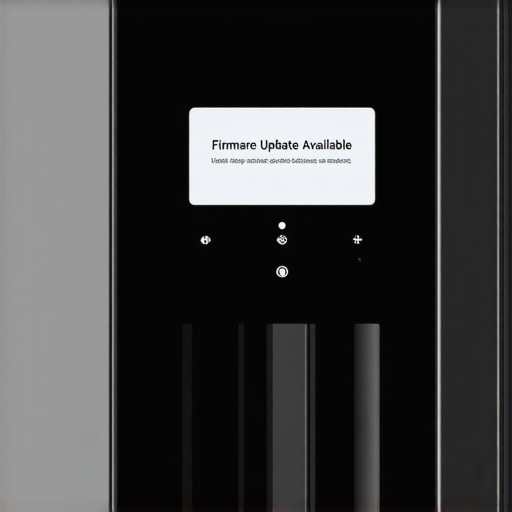
One advanced mistake I see tech-savvy friends making is ignoring the digital health of their gear. Your kitchen is now a network, and just like your phone, it needs maintenance. Learning how to update the firmware on your smart kitchen appliances sounds tedious, but manufacturers frequently release patches that recalibrate sensors for better energy use or fix bugs that cause phantom noises or drainage errors. Avoiding these updates is one of the 5 mistakes that are shortening the life of your smart refrigerator and other connected tools. We have to stop thinking of these machines as static metal boxes. They are evolving systems. If you’re struggling with connectivity, check why your smart home app can’t find your dishwasher before you call an expensive repairman. It’s often a simple network handshake issue that a software patch or a router reboot can fix. I once spent an entire Saturday trying to figure out why my cycles were getting longer, only to discover that why your high-efficiency washer takes so long to complete a load is often tied to the machine sensing an unbalanced load or poor drainage early on. Let’s dig deeper into how these small digital tweaks and maintenance habits can save you thousands in the long run.
Physical maintenance is where the digital ‘smart’ features meet the messy reality of calcium and grime. I’ve found that even the most expensive AI-driven machines fail if you ignore the basics. For me, that means keeping a dedicated ‘appliance kit’ in my utility closet: a simple $10 multimeter for checking continuity, a pack of microfiber cloths, and a bottle of high-grade citric acid for descaling. If you start seeing spots on your plates, you might need to find the best way to remove hard water spots from dishwasher interiors. It’s not just about aesthetics; those minerals act like sandpaper on your internal pumps. I personally set a recurring alert on my phone for the first Saturday of every month to check the small things, like how to replace the water inlet valve on your washer if the fill time starts lagging. Trust me, spending twenty minutes now prevents a $300 service call later.
Keep Your Gasket from Growing a Science Experiment
The rubber seal on a front-loader is a moisture trap. After every load, I wipe it down with a dry cloth and leave the door cracked. If you’ve already got dark spots appearing, you need the best way to clean a moldy front-load gasket before that smell permeates your favorite shirts. It’s also worth checking the mechanics; learning how to tell if your washer bearings are about to fail can save you from a catastrophic flood. Most people wait for a loud grinding noise, but you can usually feel a slight ‘play’ in the drum months before the metal actually gives out. According to a technical report from the Association of Home Appliance Manufacturers (AHAM), neglecting basic gasket and filter maintenance is the leading cause of premature appliance replacement in the United States.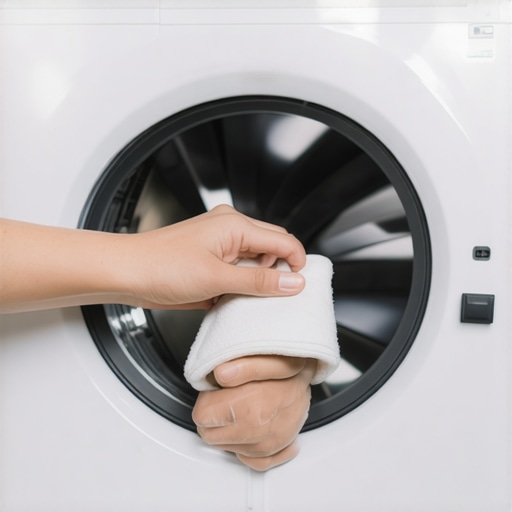
How do I maintain my home appliances over time?
The key is a balance of physical cleaning and digital monitoring. I use the best smart plugs for monitoring appliance energy use to see if my older fridge is starting to pull more power than it should—a classic sign of dirty coils or a dying compressor. Keeping your condenser coils clean can improve energy efficiency by up to 30%, which is massive over the life of the machine. Don’t forget the hidden parts either; finding the secret drain filter at the bottom of your fridge you never knew existed is a rite of passage for every smart homeowner. If you notice your drinks aren’t as cold as they should be, you might need to calibrate your refrigerator thermometer without calling a pro to ensure your sensors haven’t drifted.
The Next Decade of Appliances Will Fix Themselves
Looking ahead, I see a shift toward truly predictive maintenance. We are moving toward the future of home appliances: trends to watch in 2025 where your fridge won’t just tell you the milk is low; it will detect a specific vibration in the fan and pre-order the replacement part before the fan actually stops spinning. We’re already seeing innovative dishwashers with AI technology you must know that adjust water pressure based on the soil level of the water, not just a timer. The goal is a seamless home experience in 2025 where we spend less time fixing and more time living. This weekend, I challenge you to pull your fridge away from the wall and vacuum those coils. It’s the single easiest way to extend the life of your compressor by years!
What My Maintenance Guy Never Told Me About Modern Electronics
After years of trial and error with high-tech gear, I have realized that the biggest secret to success isn’t in the manual; it’s in accepting that these machines are more like computers than mechanical boxes. I used to get frustrated when a cycle took three hours, but I eventually learned that time is actually the friend of efficiency, allowing enzymes to work without the brute force of heat. I also discovered that preventative habits are non-negotiable. If you don’t stay ahead of the grime, you will eventually find out why your front-loader collects more gunk than your old top-loader. My biggest lightbulb moment? Realizing that the ‘Eco’ button is a commitment to a specific type of laundry chemistry, not just a way to save five cents on the power bill. You have to match your detergent and load size to the machine’s logic every single time.
My Personal Arsenal for Appliance Longevity
To keep my household running without constant service calls, I rely on a few specific tools and sources that go beyond the basic user guide. First, I always keep a digital copy of the ultimate guide to smart home appliances for a modern living bookmarked on my phone for quick troubleshooting. For my kitchen setup, I frequently revisit choosing the right refrigerator tips from industry experts to ensure my temperature zones are calibrated correctly for food safety. I also keep a dedicated ‘smart kit’ in my drawer, consisting of a simple multimeter for testing door switches and a pack of specialized HE-safe descaling tablets. These small investments have saved me from at least four professional repair visits in the last two years alone.
Embrace the Learning Curve
Stepping into the world of smart home technology can feel overwhelming, but don’t let the blinking lights intimidate you. Once you understand the rhythm of your machines, you will see how smart washing machines can simplify laundry day by taking the mental load off your shoulders. The future of our homes is digital, and by mastering these maintenance habits now, you are setting yourself up for a much more sustainable and stress-free lifestyle. Your appliances are there to serve you, so take a deep breath, grab that vacuum for the fridge coils, and start your journey toward a truly seamless smart home experience today. Have you ever felt like your ‘smart’ appliance was actually outsmarting you? Let me know your biggest tech struggle in the comments below!