
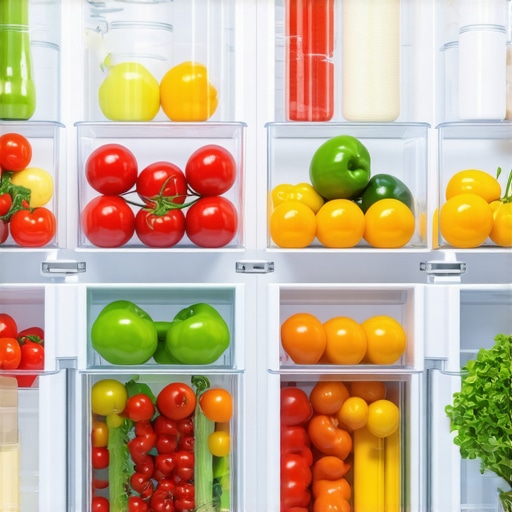
Last Tuesday, I stood in front of my open fridge for three minutes, staring at a wall of condiments. I was looking for the salsa. It wasn’t there. Or so I thought. Two days later, I found it hiding behind a giant tub of yogurt and a half-eaten rotisserie chicken. By then, it had grown its own ecosystem. It’s a classic side-by-side struggle. These narrow units are notorious for turning the back half of every shelf into a black hole where leftovers go to die. We buy the food, we store the food, and then we forget the food exists because we simply can’t see it. It’s frustrating, expensive, and frankly, a bit gross. I’ve spent years tweaking my own kitchen workflow—from studying refrigerators in 2025 trends to old-school bins—and I’ve finally cracked the code on keeping everything in sight. Today, I’m going to show you exactly how to stop the ‘shove and pray’ method of storage for good.
Stop losing your groceries to the back of the shelf
Let’s be real: my biggest mistake early on was thinking that if I could fit it in, it was ‘put away.’ I’d shove a gallon of milk in front of the pickles and call it a day. But that’s how you end up with why your fridge is freezing everything on the top shelf because you’ve blocked the vital air vents. Organizing a side-by-side isn’t about having a ‘Pinterest-perfect’ fridge; it’s about making sure your Friday-night-self can actually find the ingredients for a salad without an archaeological dig. According to the Natural Resources Defense Council, the average American family tosses nearly 40% of their food supply, often because things just get lost in the shuffle. By learning choosing the right refrigerator tips from industry experts, you can maximize every inch of those skinny shelves. Have you ever faced the ‘forgotten food’ guilt when cleaning out your crisper drawer?
Is the narrow design just a recipe for clutter?
I hear this all the time from neighbors who are ready to trade their side-by-side for a French door model. They feel like the shelves are too narrow for a pizza box, let alone a week’s worth of groceries. But here’s the truth: the narrowness is actually an advantage if you stop treating it like a deep pantry. The secret is verticality. When you stop stacking things deep and start stacking them smart, you realize that the side-by-side layout actually offers better eye-level access than almost any other style. We’ll also look at how the best refrigerator temperatures for keeping leafy greens crisp can be maintained better when you aren’t overstuffing the shelves and blocking circulation. Let’s get into the nitty-gritty of how to categorize your zones so nothing ever goes missing again.
Build a vertical map of your food zones
The biggest hurdle with a side-by-side is the lack of width, so you have to treat it like a high-rise apartment building. You wouldn’t put the lobby on the 10th floor, and you shouldn’t put your daily essentials at the bottom. Start by assigning every shelf a permanent purpose based on frequency of use. My top shelf is for ready-to-eat snacks and leftovers because they are at eye level and won’t be forgotten. The middle shelves are for dairy and eggs, and the bottom is for raw meat, which prevents any accidental drips from contaminating the rest of your groceries. If you find your milk is getting icy up there, check out how to stop your refrigerator from freezing the milk on the top shelf to find the sweet spot for your beverages.
Stop the sprawl with clear acrylic bins
I learned this the hard way during the ‘Liquid Spinach’ disaster of 2022. I had shoved a bag of greens into a dark corner, and three weeks later, I found a puddle of green sludge that had leaked into the shelf seams. It took two hours to scrub. Now, I use long, narrow clear bins. Think of these as drawers for your shelves. When you need something from the back, you pull the whole bin out like a drawer instead of knock-over-bowling with your condiment bottles. These bins create a physical limit for each category; once the ‘Sauce Bin’ is full, I’m not allowed to buy another jar of mustard. This is also one of the the best ways to maximize space in a counter-depth refrigerator where every inch of depth is precious.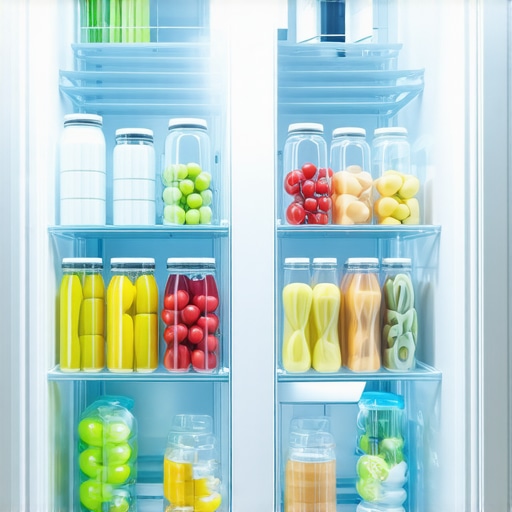
Manage your crisper drawers for maximum life
Crisper drawers aren’t just plastic boxes; they are humidity-controlled environments. I used to just throw everything in together—apples next to lettuce—and wonder why my salad was wilted by Tuesday. Most modern units have slides that allow you to adjust the airflow. Use the ‘high humidity’ setting for leafy greens and ‘low humidity’ for fruits or things that rot easily. If you are struggling with produce longevity, you should learn how to use your fridges humidity slides to keep produce fresh. It’s the difference between a crisp carrot and a rubbery one.
Master the door and the depth
The door is the warmest part of your fridge, so stop putting your milk there! It’s the perfect place for high-salt or high-sugar items like pickles, jam, and soda that can handle the temperature swings every time you open the door. For the main shelves, try the ‘First In, First Out’ (FIFO) method. When you come home with new groceries, pull the older items to the front and put the new ones in the back. This simple habit, paired with the best apps for tracking food expiration in your smart fridge, ensures you use what you have before it becomes an ‘ecosystem’ in a jar. Narrow fridges demand this kind of discipline, but once you set the system, it runs on autopilot.But the discipline of organization doesn’t stop at the fridge door. I’ve noticed that many of us carry a ‘more is better’ philosophy into every corner of the laundry room and kitchen, usually with expensive results. Take your dishwasher, for example. For years, I spent twenty minutes scrubbing every plate until it was spotless before loading it, thinking I was helping the machine. The reality? I was actually sabotaging it. Most innovative dishwashers with AI technology you must know use turbidity sensors to ‘see’ how dirty the water is during the initial rinse. If you pre-rinse everything, those sensors assume the load is already clean and trigger a shorter, weaker cycle, often leaving behind a gritty residue that wasn’t there before.
The soap trap that is ruining your gaskets
Then there’s the common ‘Laundry Soap Trap.’ We have been conditioned to believe that more bubbles equal a deeper clean, but in the world of high-efficiency (HE) machines, excess suds are a mechanical nightmare. According to the Association of Home Appliance Manufacturers (AHAM), using too much detergent creates a ‘suds lock’ that prevents the machine from draining properly and leaves a film on your clothes. This is precisely why your washer doesn’t need a whole cup of detergent to get clothes clean. Over-sudsing also leads to biofilm buildup, which is the primary reason modern washers eventually develop that dreaded ‘locker room’ smell. Have you ever fallen into this trap of thinking an extra splash of soap would fix a tough stain? Let me know in the comments.
Why does my high-efficiency washer take forever to finish a load?
It is the most frequent question I receive from people upgrading their laundry suite. We were raised on 30-minute top-load cycles, so seeing a ‘2:15’ timer on a new front-loader feels like a step backward in technology. However, the nuance here is energy management. These machines aren’t slow because they are inefficient; they are slow because they prioritize ‘dwell time’ over high-volume water usage. By soaking the clothes longer in less water, the enzymes in the detergent have more time to break down organic matter without the harsh mechanical wear of an agitator. If the long wait is driving you crazy, it helps to understand why your high-efficiency washer takes so long to complete a load before you assume the machine is broken.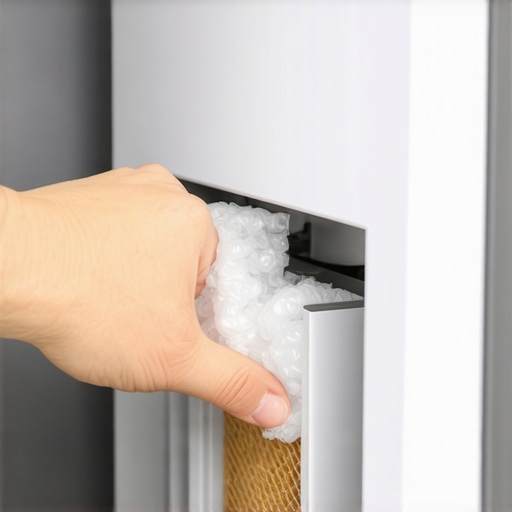
Don’t ignore the hidden filters that keep units breathing
Finally, let’s talk about the ‘Oops’ factor that almost cost me a thousand-dollar repair bill: the forgotten filters. We focus so much on the glass shelves and stainless steel exteriors that we forget these appliances are essentially large breathing organisms. For instance, there is often the secret drain filter at the bottom of your fridge you never knew existed, or a condenser coil hidden behind a bottom grille. When these areas get matted with pet hair and dust, your compressor has to work twice as hard to maintain the same temperature. Ignoring these mechanical ‘lungs’ is one of the top 5 mistakes that are shortening the life of your smart refrigerator. Real expertise isn’t just about how you stack your yogurt; it’s about knowing how to keep the engine under the hood running cool.
The gritty truth about your dishwashers bottom shelf
I used to think my dishwasher was a magical box that dissolved everything I threw at it. Then, I noticed a weird smell and a puddle. If you’ve ever wondered why your dishwasher bottom is full of standing water, the answer is usually lurking in the manual filter. Every week, I pull out that cylindrical mesh trap and give it a scrub with an old toothbrush. It’s disgusting, yes, but it’s the only way to avoid the dreaded ‘cycle of doom’ where the machine just recirculates old taco grease. If you neglect this, you’ll eventually need to learn how to fix a dishwasher that wont drain completely, which is a much messier Saturday afternoon project than a simple filter rinse.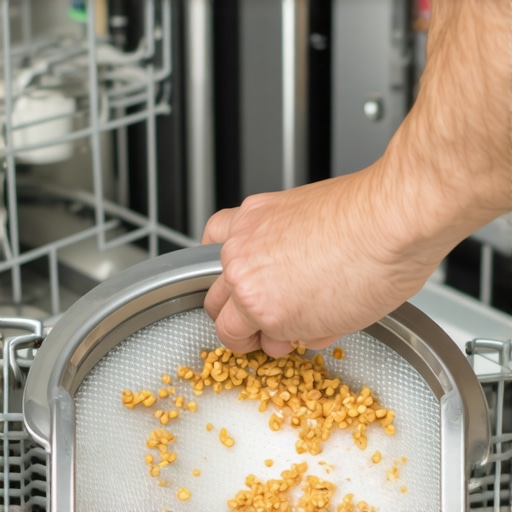
How do I maintain these high-tech machines over time?
Long-term reliability isn’t about luck; it’s about specific rituals. For my refrigerator, I use a long, flexible coil brush—it looks like a giant pipe cleaner—to reach under the unit twice a year. The U.S. Department of Energy has noted that dirty condenser coils can increase energy consumption by as much as 30%, which is essentially throwing money into the trash. While you’re down there, don’t forget to check the secret drain filter at the bottom of your fridge you never knew existed. These small, unsexy tasks are what keep a 2025-era smart fridge from becoming a 2027-era lawn ornament.
My secret weapon for that locker room smell
Front-load washers are notorious for mold, and for a long time, I was fighting a losing battle. I’d try bleach, but the scent always came back. The trick I learned from a retired appliance tech is simple: after every single load, wipe the rubber gasket dry and leave the door ajar. If you don’t, you’ll definitely be researching why your front load washer always smells like a damp locker room. I also keep a small magnetic prop on the door to ensure it stays open just an inch—enough to breathe, but not enough to be in the way. Also, every three months, I dive into the ‘pump filter’—a tiny door at the bottom of the machine. If you’ve never done this, prepare yourself; it’s where lost socks and loose change go to ferment. Learning how to clean the lint filter you didnt know your washer had is a game-changer for machine longevity.
Predicting the end of the breakdown
Looking ahead, the future of home appliances trends to watch in 2025 point toward ‘predictive maintenance.’ We are moving into an era where your washer will text you that a bearing is about to fail before you ever hear it squeak. But until every home is fully automated, the best tool you have is your own two hands and a schedule. I challenge you to go into your laundry room today, find that bottom pump filter, and clear it out—you might just find that ‘lost’ twenty-dollar bill or, at the very least, save your pump from a premature death.
The Little Shifts That Saved My Appliance Sanity
After years of trial and error with narrow shelves and high-tech sensors, I have realized that the most important lesson isn’t about the gadgets themselves, but about respect for the airflow. If you block the vents, your machine struggles, your bills go up, and your food spoils. I used to think I was winning by packing every square inch of my side-by-side, but I was actually suffocating the system. Today, I prioritize space over volume, ensuring that my refrigerators in 2025 function at peak efficiency. Another hard-earned truth is that you should never fight the machine’s logic. When I finally stopped pre-rinsing my dishes and let the innovative dishwashers with AI technology you must know do their job, my glassware actually started looking clearer. It is a mindset shift from ‘controlling’ the appliance to ‘partnering’ with it.
Essential Resources for the Modern Homeowner
If you are ready to take your home management to the next level, I highly recommend staying updated on the future of home appliances trends to watch in 2025. Understanding where technology is headed helps you make better purchase decisions today. For laundry efficiency, I always point people toward washing machines that save water expert advice for 2025, as these guides break down the math on utility savings. Finally, for the health of your kitchen, don’t overlook basic hygiene like learning how to prevent mold growth in your dishwasher seal. These resources are the backbone of a kitchen that works for you, rather than the other way around.
Step Into a Smarter Kitchen Future
Organizing a narrow side-by-side refrigerator or managing a high-efficiency washer doesn’t have to feel like a full-time job. By implementing small, vertical storage habits and keeping an eye on those hidden filters, you are protecting one of your home’s biggest investments. It is about creating a flow that feels natural and sustainable. When your appliances are running smoothly, your whole home feels lighter. You have the tools, the layout, and the knowledge—now it is time to make that ‘forgotten’ salsa a thing of the past. Which part of your kitchen feels the most chaotic right now—the fridge shelves or the laundry pile? Let me know in the comments below!