
I stood there staring at my “clean” dishes, but all I saw was a gooey, neon-green ghost of a detergent pod stuck to the inside of the door. It felt like a personal betrayal. I had spent good money on those premium packs, and here I was, hand-washing a lasagna pan because the machine failed its one job. If you have ever had to re-run a cycle because of a stubborn, half-melted glob, you know exactly how much of a time-sink this is. It is frustrating, messy, and honestly, a bit of a mystery when everything else seems to be working fine. Today, we are going to pull back the curtain on why this happens and how you can stop wasting detergent once and for all.
Stop Cursing Your Machine and Check the Basics First
I used to think my dishwasher was just getting old and tired. I even started looking at innovative dishwashers with AI technology because I was convinced my current model was a lost cause. But the truth is, most of the time, the machine isn’t broken; it is just being blocked. I made the classic rookie mistake of loading my giant cookie sheets right in front of the detergent dispenser. This simple oversight prevents the door from popping open at the right time, leaving your pod trapped in a plastic cage while the water sprays everywhere else. It is a silly mistake, I know, but I did it for months before I realized why my dishes were coming out gritty. You also need to consider your water temperature. According to the American Cleaning Institute, most dishwasher detergents are formulated to perform best when the water reaches at least 120 degrees Fahrenheit. If your water heater is set too low, that plastic skin on the pod—made of polyvinyl alcohol—won’t stand a chance of melting away completely.
Are These High-Tech Pods Actually Worth the Hype?
You might be wondering if you should just go back to the old-school powder. It is a fair question. While pods are incredibly convenient, they are also picky about their environment. If you find that your glasses are coming out cloudy even when the pod does dissolve, you might want to look into why your dishwasher still needs rinse aid even with those 3-in-1 tablets. I found that adding a separate rinse aid was the secret sauce that finally made my glassware look like it belonged in a commercial. Have you ever opened your dishwasher only to find the detergent door still shut and the pod staring back at you like a judgmental eye? It’s a common headache, but often, it is just a sign that your loading habits need a quick tune-up. If you are struggling with other issues, like why your dishwasher isn’t cleaning the top rack properly, it usually boils down to water flow and placement. We are going to dive into the mechanical reasons next, including how to ensure your spray arms aren’t clogged with lime scale or stray bits of spaghetti. It is time to get your dishwasher to finally dry your plastic tubs and clean your plates the way it was designed to do.
Clear the Path for the Water Sprayers
If the water cannot reach the pod, it simply will not melt. Think of your dishwasher spray arms like a lawn sprinkler system; if the tiny holes are clogged with calcium deposits or a stray bit of onion skin, the water pressure drops significantly. I once spent twenty minutes with a toothpick meticulously poking out tiny seeds from my spray arm holes because my top rack was coming out filthy. This blockage is often the hidden culprit when you find that why your dishwasher pod isnt dissolving completely is a recurring nightmare in your kitchen. You should physically remove the arms—most models allow them to pop off or have a simple plastic nut—and rinse them under the sink. If you hear a rattling sound when you shake them, there is likely debris inside that needs to be flushed out to restore proper flow. 
Why Your Water Needs a Head Start
Heat is the essential catalyst for the chemical reaction that breaks down a detergent pod’s outer membrane. If your kitchen sink takes several minutes to get warm, your dishwasher is likely starting its cycle with cold water, which is a death sentence for polyvinyl alcohol skins. I started a habit of running the hot water tap at my sink for about sixty seconds before hitting the start button on the machine. This ensures the very first gallon of water that enters the tub is scorching. This simple trick is actually one of the best energy efficient settings for your new dishwasher because it prevents the machine’s internal heater from struggling to raise the temperature from a cold start. If the water stays below 120 degrees, that pod will just sit there like a stubborn gummy bear.
The One Second Dry Hand Rule
Here is a mistake I made for months: loading the detergent pod with slightly damp hands. These pods are engineered to dissolve on contact with moisture. If the dispenser cup is even slightly wet when you drop the pod in, it creates a glue-like bond. The pod sticks to the plastic, and when the door tries to flip open mid-cycle, the pod stays stuck like a tongue to a frozen pole. I now keep a small microfiber cloth hanging on the dishwasher handle specifically to wipe the cup bone-dry before I even touch the detergent container. This stopped the sticky pod syndrome immediately and ensured the detergent actually made it into the wash water.
Heavy Water Requires Different Detergent
Not all pods are created equal, especially if you live in a region with high mineral content. If your water is heavy, the detergent has to work twice as hard just to create suds. If you constantly see a white film on your plates, you likely need the best detergent for hard water that wont kill your dishwasher. Just as why your washer doesnt need a whole cup of detergent to get clothes clean, using the right concentration is more important than using more product. If the minerals in the water are fighting the soap, the pod cannot break down efficiently.
Clean the Gunk Blocking the Dispenser Door
Sometimes the mechanical failure is caused by simple buildup. If the dispenser door is gunked up with old, dried soap, the spring won’t have enough force to push it open when the solenoid triggers. I use a soft toothbrush and warm water to clean your dishwasher door seal without tearing it and pay extra attention to the hinge area of the detergent cup. If you are noticing that why your dishwasher isnt cleaning the top rack properly is becoming an issue, it might be because the detergent is being released too late in the cycle—or not at all—due to a sticky hinge. A quick scrub ensures that the door pops open with a crisp click every single time.
Stop Pre-Rinsing Your Life Away
Most people believe they are doing their dishwasher a favor by scrubbing every speck of sauce off a plate before loading it. In my experience, this is the quickest way to ruin your glassware and waste money. Modern detergents are packed with enzymes designed to latch onto food particles. According to the Association of Home Appliance Manufacturers (AHAM), if there is no food for those enzymes to attack, the detergent simply becomes abrasive, etching your dishes and potentially wearing down the machine’s internal seals. It is a classic case where doing more actually results in less. If you find your glasses are still cloudy, instead of scrubbing harder, look into why your dishwasher is leaving a cloudy film on glasses. It is usually a chemistry problem, not a lack of elbow grease.
Does Using Extra Detergent Actually Damage Your Machine?
The biggest mistake I see in the laundry room is the ‘more is better’ philosophy. If your clothes aren’t coming out perfectly clean, the instinct is to double the dose. However, why your washer doesnt need a whole cup of detergent to get clothes clean is rooted in how high-efficiency (HE) systems function. These machines use very little water, so excess soap creates a mountain of suds that the pump cannot fully drain. This residue becomes a breeding ground for bacteria and is the reason your high efficiency washer smells like old gym socks. You aren’t just wasting soap; you are essentially coating your drum in a layer of ‘scrub’ that eventually leads to mechanical failure. 
The Efficiency Paradox You Need to Accept
I often hear friends complain that their new machines take twice as long as their mother’s 1990s top-loader. It feels like a step backward, doesn’t it? But there is a reason why your high efficiency washer takes so long to complete a load. To save water and energy, these machines use longer soak times and lower-speed agitation. They are designed to work slowly to be gentle on fabrics and the planet. If you try to force a ‘Quick Wash’ every time to save time, you’re likely leaving behind detergent and skin oils. For the best results, you need to understand the best energy saving tips for your front load washing machine and let the cycle run its full course.
Stop Overcrowding Your Refrigerator
Expertise doesn’t stop at the laundry room. I’ve seen people buy refrigerators in 2025 with top features only to treat them like a tetris game, packing every square inch. Refrigeration relies on airflow. When you block the vents, you create ‘hot spots’ where milk spoils and ‘cold spots’ that turn your spinach into ice. I’ve learned that knowing how to use your fridges humidity slides to keep produce fresh is useless if the air can’t actually circulate around the drawers. Keep it about 70% full for maximum efficiency. Have you ever fallen into this trap of overfilling or over-cleaning? Let me know in the comments. Keeping your home running smoothly isn’t about working harder; it is about working smarter with the tech you already have.
Clean Your Fridge Coils or Pay the Price Later
I used to ignore the dust bunnies under my refrigerator until I noticed the compressor was running 24/7. It turns out, that simple layer of grime was forcing my machine to work twice as hard to shed heat. I finally invested in a long, flexible condenser coil brush—it looks like a giant, skinny pipe cleaner—and it is easily the most valuable tool in my maintenance kit. Clearing out that debris is the secret to making your refrigerator last twice as long. According to the Energy Star program by the U.S. Environmental Protection Agency, dirty coils can increase your appliance’s energy consumption by as much as 20%, essentially throwing money away every month. 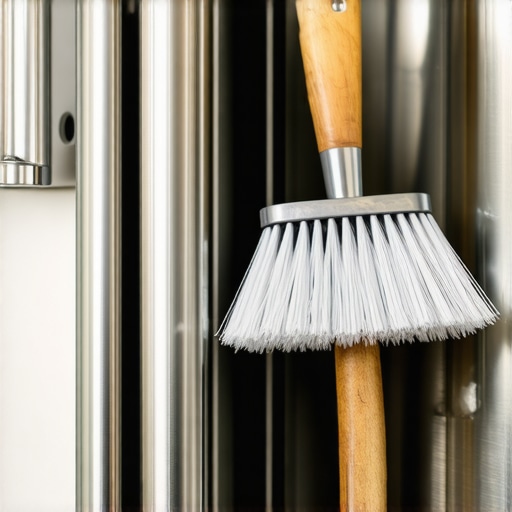
How do I maintain my high-end appliances over time?
Maintaining your gear isn’t just about the occasional wipe-down; it is about getting into the nooks and crannies that most people ignore. For your kitchen, you should regularly deep clean the gasket on your dishwasher to prevent leaks. A single grain of rice caught in that rubber seal can break the vacuum and lead to a puddle on your hardwood floor. In the laundry room, the most overlooked task is to clean the lint filter you didnt know your washer had. Most front-loading machines have a small access panel at the bottom that houses a debris trap. If you haven’t opened it in a year, be prepared for a swampy surprise of coins, hair, and buttons.
Smart Sensors are the Future of Home Maintenance
We are moving into an era where your machines will tell you they are sick before they actually break. Looking at the future of home appliances and trends to watch in 2025, predictive maintenance is the biggest shift. However, you don’t have to buy a brand-new setup to get these benefits. I personally use the best smart plugs for monitoring appliance energy use to track my older chest freezer. If I see a sudden spike in kilowatt-hours, I know the seal is failing or the motor is struggling. You can also take control of your existing tech by learning how to calibrate your refrigerator thermometer without calling a pro. Accuracy is everything when you are trying to keep food fresh without overworking the cooling system.
Wipe Down the Seals to Avoid Massive Leaks
Even the most expensive smart appliance is only as good as its rubber components. I make it a habit to check the dishwasher and washing machine seals once a month with a simple flashlight. If you see any black spots or feel a slimy residue, you are looking at potential mold and future structural failure. My challenge to you this weekend is simple: Pull out your refrigerator, grab that vacuum or a coil brush, and give it five minutes of attention. It is the easiest way to save $200 on a service call and keep your kitchen running perfectly. We’ve covered a lot of ground today, but there is one final piece to the puzzle of appliance longevity that involves how you interact with the control panels themselves.
What Your User Manual Forgot to Mention About Appliance Survival
After years of trial and error, I have realized that the real secrets to longevity aren’t in the troubleshooting section of the booklet. First, never ignore a change in sound; a new hum or a slight rattle is your machine’s only way of asking for help before a total breakdown. Second, treat your gaskets like the lungs of the machine—if they can’t seal perfectly, the whole system suffocates. Finally, remember that “Eco” modes are great for the planet, but occasionally running a heavy-duty, high-heat cycle is necessary to purge the internal plumbing of fatty deposits and detergent buildup. If you are in the market for an upgrade, I highly recommend looking at washing machines that save water to balance eco-friendliness with deep cleaning power.
The Three Tools I Use to Keep My Home Running
You don’t need a professional workshop to maintain your kitchen and laundry room. I personally swear by a flexible coil brush for the fridge, which has saved me hundreds in energy bills. I also recommend using the best smart plugs for monitoring appliance energy use to identify which old gadgets are secretly draining your bank account. If things go sideways, knowing how to reset the error codes on your modern smart washer or finding the hidden reset button on your smart refrigerator that fixes glitches will save you the cost of a technician visit just to push a button. Integrating top smart appliances for a seamless home experience in 2025 can also provide you with real-time health alerts for your machines.
Ready to Master Your Smart Home Appliances?
Maintaining your home appliances and high-tech refrigerators might seem daunting at first, but it is really just about staying one step ahead of the grime. By taking these small, proactive steps, you are not just fixing problems; you are building a home that runs efficiently and reliably. You have the knowledge now, so go ahead and give those coils a brush or clear that dishwasher filter. Your future self—and your wallet—will thank you. For more insights into what’s coming next, check out the future of home appliances and trends to watch in 2025 to stay ahead of the curve. Have you ever discovered a hidden filter or a secret reset button that saved your day? Let me know in the comments below!