
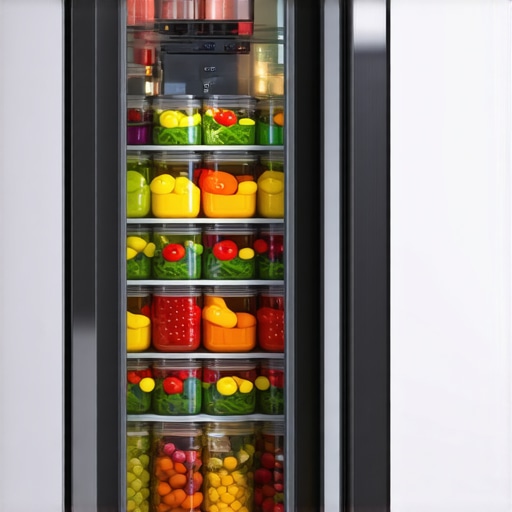
I stood there, staring at a pile of shattered glass and marinated kale on my kitchen tile. It was 7:00 PM on a Sunday, the ‘golden hour’ of meal prepping, and my old, cramped refrigerator had just rejected my fourth stack of containers like an overstuffed suitcase. That was my breaking point. I realized that my fridge wasn’t just a place to store food; it was actively sabotaging my health goals. If you are tired of playing Tetris with your Tupperware, I have some good news. Today, we are diving into how the right smart refrigerator can actually give you back hours of your week and stop the ‘what’s for dinner’ panic. [IMAGE_PLACEHOLDER]
Your Refrigerator Should Be Your Best Sous Chef
Early on, I made the classic rookie error of buying a fridge based on its shiny exterior rather than how it actually handled a dozen meal prep bins. I ended up with a model that looked great but was a nightmare for organization, and I even made mistakes that shortened its life before I knew better. The best units for preppers are those that offer flexible shelving and internal cameras so you can check your inventory while you’re at the grocery store. According to the NRDC, the average American family wastes nearly $1,500 of food a year, and most of that is due to stuff getting lost in the back of the fridge. Have you ever lost a whole week’s worth of food because you forgot it was tucked in the back of a dark shelf?
Is a smart fridge really worth the extra money?
I get the skepticism. For a long time, I asked myself if a smart fridge is really worth the extra money or if it’s just a fancy tablet glued to a freezer door. But for a busy meal prepper, the value isn’t in the ‘wow’ factor; it’s in the utility. Features like humidity-controlled drawers that actually work make a massive difference. You can even learn how to use your fridge’s humidity slides to keep your bulk-bought kale from wilting in forty-eight hours. When you’re choosing the right refrigerator, you need to look past the surface and find a partner that keeps your hard work fresh.
Get Your Shelves Working for Your Schedule
I remember the Great Tupperware Collapse of 2023. I had stacked five glass containers of lasagna prep like a precarious Jenga tower because I couldn’t see what was hiding at the back of my old unit. When I reached for the parmesan, the whole stack came down. It wasn’t just a mess; it was three hours of labor and thirty dollars of organic ingredients shattered on the floor. That was the day I learned that visibility is the single most important factor in successful meal prepping. If you can’t see the food, you won’t eat the food.
To avoid this, you need to treat your refrigerator like a high-end retail display. If you have a narrow model, start by learning the best way to organize a side-by-side fridge for maximum visibility. This involves using clear, tiered acrylic bins rather than stacking opaque containers. Place your most perishable prepped meals—like those with fresh seafood or delicate greens—at eye level so they are the first thing you grab when you’re tired after work.
Keep Your Milk in the Goldilocks Zone
One huge mistake I see is the milk-on-the-top-shelf trap. Modern fridges have specific air patterns, and the top shelf is often the coldest spot. I actually had to figure out how to stop your refrigerator from freezing the milk on the top shelf after a particularly icy bowl of cereal one Monday morning. For most meal preppers, the middle shelves are the ‘safe zone’ for dairy and prepared grains, as they maintain the most consistent temperature regardless of how many times the door is opened.
Master the Art of the Counter-Depth Shuffle
If you have a sleek kitchen, you likely have a shallower unit. These look fantastic, but they require a different strategy for bulk storage. You have to learn the best ways to maximize space in a counter-depth refrigerator, which often means moving away from round bowls toward square or rectangular containers that fit together like a puzzle. 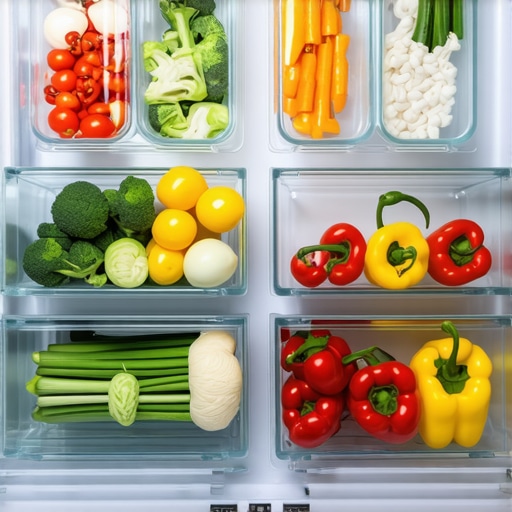
Turn Your Fridge into a Digital Inventory Assistant
The refrigerators in 2025 aren’t just cold boxes; they are effectively personal assistants. The ‘HOW’ of using a smart fridge effectively involves more than just looking at the screen. You should set up a weekly routine where you take an internal camera shot before heading to the store. This prevents the ‘double-buy’ syndrome where you end up with three jars of mayo because you couldn’t remember if you had one tucked behind the pickles.
Never Buy the Same Gallon of Milk Twice
Syncing is where most people give up, but it is the secret sauce. If the technology is being stubborn, you might need to troubleshoot why your smart fridge app refuses to sync with your grocery list. Once it’s working, you can add items via voice command as soon as you finish the last of the spinach. Also, make sure you set up your smart refrigerator to alert you when the door is ajar. There is nothing that kills a meal prep flow faster than finding out your fridge stayed open a crack all night, ruining forty dollars of chicken breasts.
Stop the Wilting Before it Starts
Finally, stop ignoring your settings. Most of us just plug the fridge in and leave it on the factory default. However, there are hidden settings on your fridge that can save you money and keep your produce crisper for longer. This is especially true for the freezer, where air circulation is paramount. Spend ten minutes learning the best way to organize your freezer so you stop losing food to the icy abyss of the bottom drawer. When every ingredient has a designated home and the temperature is calibrated to the degree, your Sunday meal prep becomes a streamlined operation instead of a chore.Most people believe the harder they work before the machine starts, the better the result. In reality, you are likely overworking yourself and under-utilizing your technology. Take the common habit of ‘pre-rinsing’ dishes. I used to be a serial pre-rinser until I realized that modern dishwashers are designed to detect food particles. When you present a ‘clean’ plate to a smart sensor, the machine assumes there is no soil and short-cuts the cycle. This leads to a lack of heat and enzymatic action, often being why your dishwasher pod isn’t dissolving completely. Have you ever fallen into this trap? Let me know in the comments. The nuance extends to laundry too. We are conditioned to think bubbles equal clean, but in a high-efficiency environment, bubbles are the enemy. They cushion the clothes, preventing the mechanical action needed to beat dirt out of the fibers. This is exactly why your washer doesn’t need a whole cup of detergent. If you keep pouring it in, you will eventually deal with the reason your high-efficiency washer smells like old gym socks—a buildup of ‘scrud’ (detergent and fabric softener residue) that feeds bacteria. 
Is the added cost of a smart sensor really reflected in your utility bill?
In a word: Yes. Advanced sensors do not just ‘make things smart’; they manage resources with a precision humans cannot match. For example, washing machines that save water use weight sensors to adjust every milliliter of intake. If you opt for the ‘dumb’ version, you are likely paying for the hidden costs of cheap budget appliances through inflated water bills and shortened fabric life. According to the American Council for an Energy-Efficient Economy (ACEEE), smart-integrated appliances can reduce specialized load energy consumption by up to 15% through optimized cycle timing. When you are choosing the right refrigerator or washer, you are not just buying a box; you are buying the software that governs it. Even something as simple as the best settings for washing your heaviest winter bedding relies on the machine’s ability to balance the drum correctly to avoid unnecessary wear on the motor. Whether you are looking at the future of home appliances or trying to fix a current glitch, understanding these subtle calibrations is the difference between an appliance that lasts five years and one that lasts fifteen.
While understanding detergent chemistry is a great start, the real longevity of your gear comes down to what happens when the lights are off. I used to think that because my appliances were ‘smart,’ they were also self-healing. I was wrong. I once let a single dust bunny colony under my fridge grow so large it actually choked the compressor, leading to a repair bill that made my eyes water. Maintenance isn’t just about aesthetics; it is about protecting the intricate sensors that make these machines work.
Clean the Parts You Can’t See
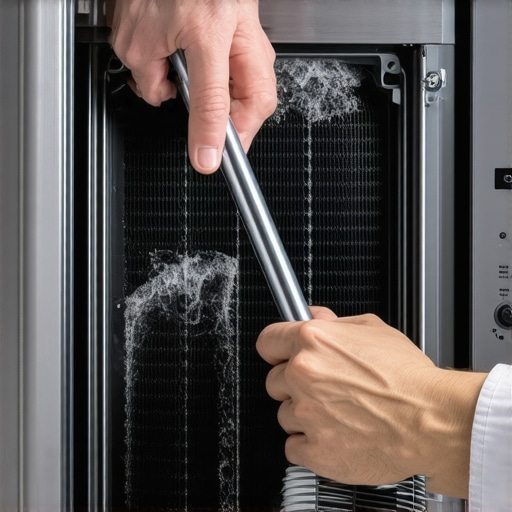
The biggest threat to your high-tech kitchen isn’t a software glitch; it is physical debris. For instance, most people have no idea there is a secret drain filter at the bottom of your fridge that can clog and cause mysterious puddles. I now keep a long-reach flexible coil brush in my utility closet. According to the Association of Home Appliance Manufacturers (AHAM), failing to clean your condenser coils can increase energy consumption by as much as 30% because the unit has to work twice as hard to shed heat. If you want to avoid a service call, take five minutes to clean the hidden debris under your refrigerator grille every six months. It is the single most effective way to ensure the secret to making your refrigerator last twice as long is actually put into practice.
How do I maintain these high-tech machines over time?
Maintenance for smart gear involves both the physical and the digital. Physically, you should deep clean the gasket on your dishwasher at least once a month. This prevents the tiny food particles from breaking the vacuum seal, which often leads to those annoying leaks that ruin your hardwood floors. Digitally, you need to stay on top of firmware. Just like your phone, your fridge or washer needs updates to patch bugs. If the screen starts acting weird, don’t panic; knowing the hidden reset button on your smart refrigerator can save you three hours of waiting for a technician who would have just done the same thing.
Tools That Save Your Sanity and Your Wallet
I don’t believe in buying every gadget on the shelf, but a few specific tools are non-negotiable for me. Beyond the coil brush, I use a simple silicone spatula to clear the debris from the washer’s door seal and a small toothpick to clear the spray arms of my dishwasher. These low-tech solutions prevent high-tech failures. Looking at the future of home appliances, I predict that by 2027, your machines won’t just tell you they are broken; they will use AI to analyze the specific vibration patterns of the motor to predict a failure six months before it happens. Until then, we have to be the eyes and ears of our homes.
My biggest piece of advice? Don’t wait for a beep or an error code to pay attention to your machines. Your strong CTA for today: Go to your dishwasher right now and wipe down the rubber seal with a damp cloth. You’ll be shocked at what has collected there, and you might just save yourself from a mid-week flood. Keeping things running smoothly is less about hard work and more about the small, consistent habits that keep the ‘smart’ in your smart home.
Hard-Earned Wisdom from My Connected Kitchen
The biggest shift in my kitchen wasn’t the day I plugged in a new unit; it was the day I stopped treating my appliances like ‘dumb’ boxes. I used to ignore the firmware update notifications on my screen, thinking they were just for aesthetics. In reality, those updates often contain critical fixes for cooling algorithms and energy efficiency. I also learned that you don’t need every single bell and whistle—you just need the features that solve your specific pain points, like inventory tracking or door-ajar alerts. Most importantly, I realized that the best refrigerators are the ones that adapt to your grocery habits, not the other other way around.
My Trusted Kit for a Frictionless Home
To stay ahead of the curve, I recommend keeping a few resources in your digital bookmarks. I constantly refer back to choosing the right refrigerator guides whenever I’m asked for advice, as they cut through the marketing noise. For anyone curious about the next wave of tech, the future of home appliances overview is essential reading. If you’re feeling overwhelmed by multiple apps, learning how to sync your smart kitchen appliances to one app will simplify your life more than any single hardware upgrade ever could.
Claim Your Time Back with Smarter Habits
Ultimately, the goal of modern tech isn’t to have a kitchen that looks like a spaceship; it’s to have a space that supports your life and reduces your daily stress. Whether you are hunting for the top smart appliances or just trying to squeeze more longevity out of your current model, remember that technology is a tool. When you align your maintenance habits with the capabilities of your gear, you’ll find that those Sunday meal prep sessions transition from a chore to a streamlined, peaceful routine. Take that first step today—wipe down a gasket, check a filter, and reclaim your kitchen. Have you ever had a smart feature actually save your dinner from a total disaster? Let me know in the comments below!