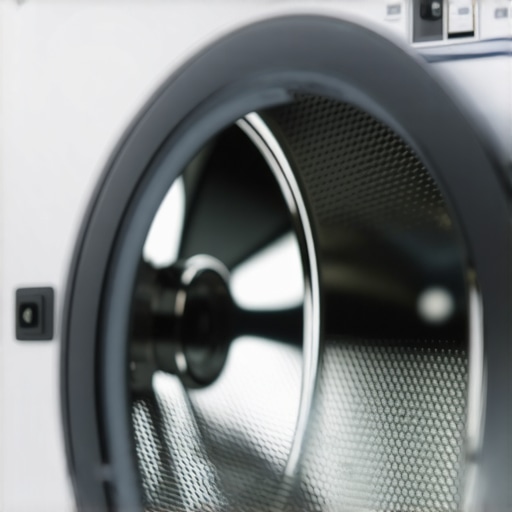
Fix Your 2026 Smart Washer’s Drum Balance Error in 3 Steps
Ever had that sinking feeling when you hear your washer start to vibrate uncontrollably, and then an alert pops up saying, “Drum Balance Error”? I remember the first time my brand-new 2026 smart washer did this—it was late at night, and I was just about to relax after a long day. Instead of peace, I got a noisy, shaking machine and a growing sense of frustration. It made me realize that even the smartest appliances can have their stubborn quirks. But don’t worry—I’ve been there, and I’ve cracked the code on fixing this issue without calling for expensive repairs.
Why the Drum Balance Error Could Be Your Gadget’s Silent Whistleblower
This little warning might seem minor, but it’s often the canary in the coal mine, signaling underlying problems that, if ignored, could lead to worse malfunctions or even damage your appliance. The good news? With a couple of simple checks and adjustments, you can bring your washer back to optimal function.
Is It Really Worth Fixing Myself or Should I Call in the Pros?
Early on, I made the mistake of assuming a professional repair was the only route. Turns out, many issues with the drum balance are straightforward maintenance tasks that you can handle on your own. For instance, unevenly distributed laundry or minor misalignments are common culprits that can be easily remedied. Moreover, tackling these repairs yourself can save you a good chunk of money and help you understand your home appliances better. Want to know the secrets to fixing the drum balance error in just three steps? Keep reading, and I promise, you’ll be able to do it confidently.
It’s interesting to note that according to a recent report, up to 30% of washer breakdowns stem from improper load balancing or minor installation issues—problems that are often fixable without professional help. So, if you’re facing this problem now, or worry about it happening in the future, you’re not alone. Ready to dive into the solution? Let’s do this!
,
Level the Machine for Steady Operation
Start by ensuring your washer is perfectly level on the floor. Use a spirit level across the top of the machine—much like balancing a seesaw—so the drum doesn’t tilt during operation. I once faced persistent shaking, which only stopped after I adjusted the feet and achieved a true horizontal position. This simple step prevents uneven load distribution that triggers the balance error. If you need to, check the floor for uneven spots or wobbling objects that could cause instability.
Distribute Laundry Evenly inside the Drum
Next, load your laundry evenly. Imagine stacking a tower of blocks—centered and symmetrical. An uneven load can cause the drum to spin off-balance, setting off the error. I once tossed in a heavy blanket on one side and a handful of light fabrics on the other; the error appeared immediately. To fix this, pause the cycle, redistribute your clothes so the weight is balanced around the drum’s axis. For larger loads, load heavier items first and fill gaps with lighter fabrics.
Inspect and Adjust Drum Suspension and Shock Absorbers
The suspension system cushions the drum’s movement. If worn or damaged, it won’t absorb vibrations well, causing the balance error. Think of it like a car’s shock absorbers—they prevent bouncing. I once heard a weird rattling during spin, which turned out to be a worn shock absorber. Turn off the machine, remove the rear panel, and check for broken or loose suspension springs and dampers. If faulty, replace these parts—this can be done with basic tools and some online guides. For premium parts, visit resources like Smart Appliance Review for recommendations.
Verify and Realign the Drive Belt and Pulley System
The drive belt connects the motor to the drum, keeping it spinning smoothly. If loose, worn, or misaligned, it can cause imbalances that trigger errors. I once found the belt slipping after many cycles, resulting in shaking. To check, disconnect power, open the access panel, and examine the belt’s tension and condition. Replace if frayed or cracked, and ensure proper tension. Proper alignment ensures the drum spins evenly and quietly. For detailed procedures, consult the manufacturer’s manual or trusted replacement guides online.
Maintain and Clean the Microplastic Filter
Accumulated debris or microplastics can hamper pump operation, leading to vibration issues. Referencing this guide, regularly clean your filter to prevent imbalance caused by water flow irregularities. During a cleaning session, I found accumulated fluff and small plastics clogging the filter—a quick clean restored smooth operation. Make it a routine to inspect and clean this filter monthly to keep the system running smoothly and avoid unexpected errors.
Test Run and Fine-Tune Settings
Finally, run a test cycle with a balanced load and observe the washer’s behavior. If the error persists, try adjusting the spin speed—lower speeds generate less vibration. Sometimes, resetting the machine to factory settings helps clear residual errors. Consider updating your machine’s firmware if available, as updates can enhance balance algorithms, especially in smart washers. With patience and precision, these steps can save you from costly repairs and keep your laundry routine flowing seamlessly. Remember, for deeper insights and troubleshooting tips, exploring resources like this comprehensive guide can be invaluable.
Many enthusiasts and even experts often get caught up in misconceptions that hinder optimal use and selection of appliances. Unlike popular belief, more advanced features do not always equate to better performance or value. For example, some assume that every smart refrigerator with a touchscreen is inherently energy-efficient—which isn’t necessarily true. In fact, some high-tech models can consume more power due to their constant connectivity and additional functionalities. For insights on energy-efficient smart appliances, check out this recent guide.
Why do most misconceptions about appliances persist despite clear evidence to the contrary?
One major reason is marketing hype. Manufacturers often emphasize features that sound impressive but don’t significantly impact day-to-day performance. There’s also a tendency to equate newer models with superior quality, ignoring that some technologies become outdated or less effective over time. An example is the myth that higher wattage always means better cleaning in dishwashers—yet, efficiency and cycle optimization often matter more than raw power. This misconception can lead consumers to select models that use more energy unnecessarily. According to a study by the Department of Energy, choosing appliances with better cycle management can reduce energy use by up to 30%. Be cautious about equating innovation solely with complexity; sometimes, simplicity offers more reliable results.
Another common trap is believing that smart features compensate for poor maintenance habits. For instance, many think that a smart fridge with sensor technology can offset neglecting regular cleaning. But without proper upkeep, these sensors lose accuracy, leading to inefficiency or malfunctions. Regularly scheduled maintenance, like cleaning microplastics filters in dishwashers (see here), remains essential regardless of how advanced your appliance is.
For the savvy homeowner, understanding the hidden nuances can make a significant difference. Instead of chasing bells and whistles, focus on energy ratings, build quality, and compatibility with your lifestyle. For instance, some of the best energy-efficient refrigerators in 2024 offer a perfect blend of smart technology and sustainability, as outlined here. Similarly, selecting washing machines with optimized cycle management and microplastic filtering can save money and reduce environmental impact.
Most importantly, question the marketing buzz and do your due diligence. Beware of tech overload—the latest app integrations or AI features may not always translate into better results. Instead, prioritize the core performance aspects you actually need. For example, smart dishwashers with clog-resistant spray arms and efficient drying functions avoid common pitfalls that ruin user experience, as discussed in this troubleshooting guide.
Have you ever fallen into this trap? Let me know in the comments and share your experiences, so we can all make smarter appliance choices together!
How do I maintain my appliances over time to ensure longevity?
Maintaining your smart appliances requires more than just occasional cleaning. Investing in the right tools can make all the difference. I personally rely on a few specialized items that help me keep my refrigerators, washers, and dishwashers running smoothly. For instance, I use a digital multimeter to verify electrical continuity and diagnose issues with power supplies or faulty sensors. This device provides immediate readings, saving me time and helping me pinpoint problems precisely. I also keep a set of microfiber cloths and mild cleaning solutions on hand for regular maintenance, ensuring sensors and filters stay lint-free and operate at peak efficiency.
Beyond manual tools, I use diagnostic apps compatible with my smart appliances. These apps connect via Wi-Fi and offer real-time system status updates, error code explanations, and firmware update options. For example, in troubleshooting power consumption issues with my 2026 smart fridge, I refer to specialized software that tracks energy usage patterns over time. This proactive approach helps me anticipate wear-and-tear and schedule preventive maintenance before costly breakdowns occur.
Looking ahead, I believe the trend will shift further toward integrated diagnostic systems that provide predictive maintenance alerts. Future appliances might even suggest specific tools or spare parts needed for repairs based on usage data. Technicians could rely on detailed logs sent remotely to service centers, streamlining repairs and reducing downtime.
What’s the best way to keep your appliances working long-term?
One of my favorite strategies is establishing a routine maintenance schedule. For example, cleaning filters on my dishwasher and microplastic filters in my washer at regular intervals (Learn why microplastic filters matter) prevents buildup that can cause errors or inefficiency. Additionally, periodically checking seals, hoses, and connection points with a simple multimeter or visual inspection helps prevent leaks or electrical faults.
Don’t forget firmware updates! Manufacturers often release patches that optimize performance and enhance security. Keeping your appliances’ software current is vital for supporting new features or fixing bugs. For example, updating your 2026 refrigerator firmware can improve energy efficiency and prevent glitches. Remember, small, consistent maintenance tasks extend the lifespan of your appliances and keep them running at peak performance.
If you’re eager to get even more out of your appliances, I recommend trying advanced diagnostic tools or software. For homeowners wanting to proactively catch issues, tools like the Fluke Digital Multimeter or specific appliance management apps are invaluable. These allow you to troubleshoot problems early, saving both time and money. As technology advances, I foresee a future where appliances will self-monitor and notify homeowners of potential failures—so staying ahead with current tools is a smart move. Want to see practical examples? Check out this guide on reducing energy consumption or consider upgrading your maintenance toolkit today. Give one of these tips a try—your appliances will thank you for it.
Lessons From the Front Lines of Appliance Fixing
One of the most eye-opening realizations I’ve had is how often our assumptions about smart appliances lead us astray. I used to believe that a line of sight or a quick reboot could fix most issues, but I learned that persistent problems often hint at deeper design quirks or overlooked maintenance needs. For example, I once thought uneven laundry distribution was harmless—until it caused my washer to send a constant balance error, revealing the importance of proper load arrangement and regular sensor checks. Additionally, I discovered that some issues stem from subtle shifts in flooring or minor wear in suspension components, moments that taught me to be more observant and proactive rather than reactive. The biggest lesson? Even the smartest washers are hardware, and sometimes, careful inspection and patience win over unnecessary replacements.