
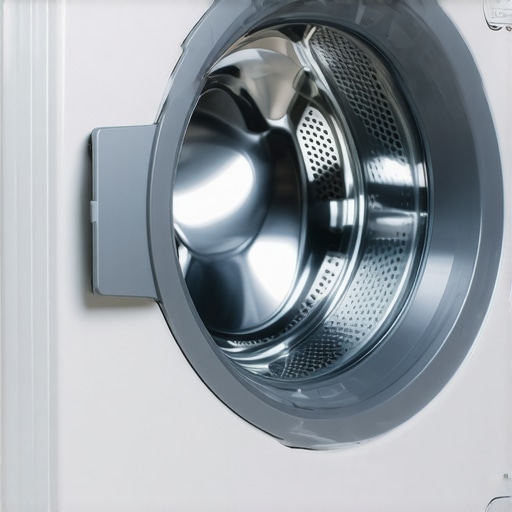
I walked into my laundry room last Tuesday and honestly thought a wet dog had moved in without paying rent. It was that unmistakable, damp, heavy scent that clings to your ‘clean’ towels and makes you want to apologize to anyone standing within five feet of you. I had just spent a small fortune on a high-tech machine, yet there I was, sniffing my shirts like a detective at a crime scene. For years, I was a ‘door-closer’—I loved the neat, tidy look of a shut laundry room. That was my first big mistake. I learned the hard way that a fancy touchscreen doesn’t mean much if the door gasket is a breeding ground for gunk. If you’ve ever felt that pang of regret while scrubbing a slimy door seal, believe me, I have been right there in the trenches with you. Today, I am going to share exactly which machines actually fight back against the funk so you never have to deal with ‘swamp-shirt’ again.
That Funky Laundry Room Smell Ends Today
The problem isn’t just you, and it isn’t just your detergent. It is a fundamental design challenge. Front-load washers are built to be airtight to save water, but that same seal traps moisture like a tropical greenhouse. I spent months researching the latest washing machines that save water and realized that if you don’t have a specific strategy for airflow, you’re just buying a very expensive petri dish. According to the Association of Home Appliance Manufacturers (AHAM), these machines use significantly less water than top-loaders, which means they don’t always flush out every bit of organic material and soap suds that mold loves to eat. Have you ever opened your washer only to be hit by a scent that definitely wasn’t ‘Spring Breeze’? It’s a frustrating cycle, but certain brands have finally started building solutions directly into the hardware, like vented gaskets and antimicrobial materials that do the heavy lifting for you.
Is Mold Just an Unavoidable Fact of Front-Loader Life?
I used to think that owning a front-loader meant I was signing a lifetime contract with a spray bottle of bleach and a microfiber cloth. I even tried every trick to get that weird smell out, but the odor always crept back. The skepticism is real: why bother with a front-loader if it requires more maintenance than a vintage car? The truth is, the industry has pivoted. We aren’t just looking for ‘pretty’ machines anymore; we are looking for units with active moisture management. In my early days as an appliance enthusiast, I ignored the ‘tub dry’ settings and paid the price. I won’t let you make that same error. We are going to dive into the specific models that prioritize ventilation and drainage so your laundry actually stays as fresh as it looks. Let’s look at the heavy hitters that are changing the game for your laundry room’s air quality.
Stop Smothering Your Machine with a Closed Door
Think of your washing machine like a gym bag full of sweaty clothes. If you zip that bag up and leave it in a hot car, you know exactly what you’re going to find the next day. Your front-loader is no different. Because these units are designed to be watertight, they are also airtight. The simplest, most effective thing you can do is leave the door ajar between cycles. I used to be obsessed with a perfectly tidy laundry room, but a closed door is an invitation for mildew. If you’ve already reached the point of no return with a funky scent, you need to learn why your front load washer smells like a swamp and how to fix it before the mold becomes permanent.
Wipe the Rubber Gasket After Every Load
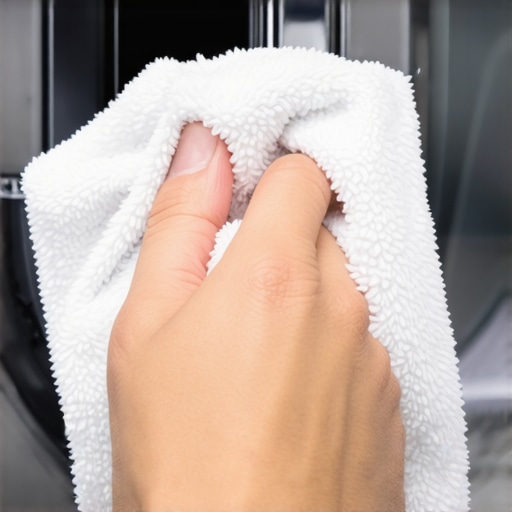
This is the part everyone hates, but it is the most critical. That thick rubber ring, the gasket, has folds that act like little caves for stagnant water and lint. I make it a habit to keep a microfiber cloth sitting right on top of my machine. After the last load of the day, I run the cloth through the folds of the gasket to soak up any remaining water. I learned this the hard way after pulling out a ‘clean’ white shirt that had a gray streak across the sleeve because it had brushed against a slimy seal. If your gasket is already beyond the point where a simple wipe-down works, you may need to know how to replace the door seal on a front load washing machine to get a truly fresh start.
Rethink Your Detergent Habits
Most of us use way too much soap. In the world of high-efficiency (HE) machines, more bubbles do not mean more clean; they mean more residue. This residue, or ‘scrub,’ is what mold actually feeds on. It’s like a buffet for bacteria. Modern units are designed to operate with very little water, so if you dump in a capful of old-school detergent, the machine simply can’t rinse it all away. I recommend sticking to two tablespoons of HE detergent max. You can read up on the truth about high efficiency detergent in old washers to see how chemical buildup affects the longevity of your appliance. Remember, why your high efficiency washer uses barely any water is a feature of its engineering, so you have to adjust your supplies accordingly.
Clear Out the Debris Filter Regularly
I once went an entire year without realizing my machine even had a debris filter. When I finally opened that little door at the bottom of the unit, I was hit with a smell so foul I had to leave the room. I found three nickels, a hair tie, and a thick coating of black sludge that looked like it belonged in a horror movie. This filter is the last line of defense for your drain pump, and when it’s clogged, the water sits and rots. You should be draining this at least once a month. Learning how to clean the debris filter on your front load washer effectively will save you from expensive repair calls and that lingering ‘wet basement’ odor that plagues so many households.
But here is the real nuance most people miss: even if you clean that filter, your ‘smart’ machine might still be lying to you about its performance. I hear it all the time from readers who bought the top-of-the-line units only to find they aren’t performing like the brochure promised. The biggest mistake you can make is assuming that ‘Smart’ means ‘Set and Forget.’ In my experience, relying solely on the factory-default ‘Auto’ settings is exactly how you end up with cloudy glasses and damp clothes. These sensors are calibrated in a lab, not in a house with hard water, kids, and pets. If you don’t take a few minutes to recalibrate your smart oven or your fridge sensors, you are basically driving a Ferrari in first gear.
Is the Eco-Mode Setting Actually Damaging Your Machine?
Everyone says you should run everything on ‘Eco’ or ‘Green’ modes to save money, but I’m going to challenge that. In many modern dishwashers and washers, these cycles use lower water temperatures to hit energy efficiency targets. The hidden trap? These lukewarm temperatures often fail to fully dissolve fats and detergents. Over time, this creates a waxy buildup known as ‘scrub’ or bio-film inside your internal plumbing. I’ve seen $2,000 machines die early because of this. According to a report by Energy Star, while these cycles are great for the planet, they require you to occasionally run a high-heat ‘Sanitize’ or ‘Heavy’ cycle to flush the system. If you only ever use the light cycle, you’re inviting a plumbing disaster. This is why the hidden sensor in your dishwasher that needs a manual scrub is so often the culprit behind poor performance; it gets coated in that undissolved grease and starts giving the computer false readings.
The Firmware Update Trap Most Owners Ignore
Another advanced mistake is ignoring those pesky notifications on your phone. I know, we all have ‘update fatigue,’ but why your smart appliance app keeps asking for a firmware update actually matters for the mechanical health of the unit. Manufacturers often push updates that adjust motor torque or water intake levels based on real-world data from thousands of other users. If you stay on the launch-day software, you might be dealing with a bug that causes unnecessary wear and tear. I once spent three days trying to figure out why your washing machine keeps getting an unbalanced load error only to realize a simple software patch had fixed the sensor sensitivity months ago. Don’t be the person who calls a technician for a problem that a 2-minute Wi-Fi update could have solved.
Rethink Your Reliance on Auto-Dosing Systems
I also see a lot of people falling into the ‘Auto-Dose’ trap. These systems are marketed as the ultimate convenience, but they often struggle with specialized detergents or concentrated formulas. In fact, the dishwasher detergent mistake that is etching your glassware is often caused by these systems releasing too much soap for the water’s softness level. If you live in an area with very soft water, the machine’s default ‘medium’ setting will be way too aggressive. You have to go into the settings and manually adjust the dosage levels. It’s these small, expert-level tweaks that separate a machine that lasts five years from one that lasts fifteen. Have you ever fallen into this trap of trusting the ‘Auto’ button too much? Let me know in the comments. I’d love to hear which smart feature actually caused you the most headache.
If you really want to level up your maintenance game, you need to look past the surface. I recently started using a simple TDS (Total Dissolved Solids) meter to check my water quality. It sounds overkill, but knowing exactly how much mineral content is hitting your dishwasher’s heating element is a game changer. If you ignore this, you’ll eventually find yourself wondering why your dishwasher is leaving a cloudy film on glasses. I found that in my area, even with a whole-house softener, my dishwasher needed an extra boost of citric acid once a month to prevent scale from clogging the internal sensors. I’ve also found that using a vacuum attachment designed for tight crevices is the only way to effectively tackle how to keep your refrigerator coils clean in a pet friendly home. If those coils are caked in fur, your compressor works double time, which leads to early failure. It’s the secret to making your refrigerator last twice as long that most people simply ignore because it’s not as flashy as a new touchscreen. 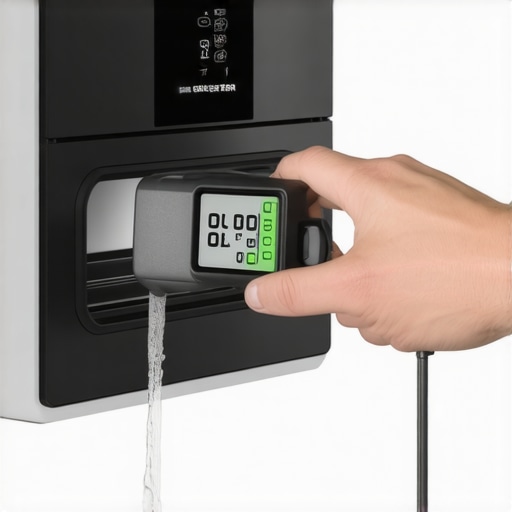
How do I keep my smart appliances running like new for a decade?
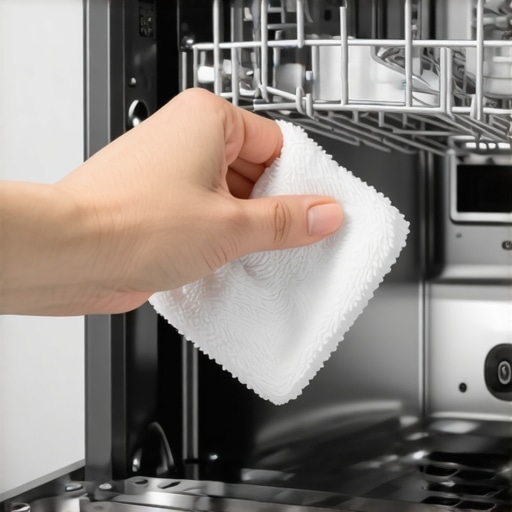
The key isn’t just cleaning; it’s active monitoring. I recommend a monthly deep-dive where you check the mechanical parts that the software can’t see. For dishwashers, this means you need to learn how to clean the internal spray arms of your dishwasher for better flow. Seeds or tiny bits of plastic can get lodged in those tiny jets, and no amount of smart cleaning software can blow them out. According to a technical reliability report by Yale Appliance, improper drainage and clogged filters remain the leading causes of service calls for high-end machines, costing homeowners hundreds in avoidable repairs. Don’t wait for an error code to tell you there’s a problem.
The Future of Home Maintenance is Proactive
Looking ahead, I suspect that by 2026, we’ll see the rise of self-healing software cycles. The future of home appliances trends to watch in 2025 already suggest that AI will soon recalibrate motor torque automatically to compensate for belt wear. Until then, you are the pilot. My best advice? Once a quarter, go through your phone and how to sync your smart kitchen appliances to one app properly to ensure you aren’t missing those critical health alerts. Try this today: go into your washer’s settings and find the Tub Clean reminder—don’t just dismiss it, actually run the cycle with a dedicated cleaner. Your future self will thank you for the lack of swamp-smell and the lower utility bills.
The Hard Lessons That Saved My Laundry Room
After years of trial and error, I’ve realized that less is almost always more when it comes to detergent. If you see suds at the end of a cycle, you’ve already lost the battle against mold. I also learned that how smart washing machines can simplify laundry day depends entirely on your willingness to do the manual prep the AI can’t handle. My biggest lightbulb moment? Realizing that the ‘Tub Clean’ cycle isn’t a suggestion—it’s a requirement. If you skip it, you are essentially asking for a biofilm buildup that no amount of extra rinse cycles can fix. Finally, don’t trust the ‘time remaining’ display too much; these machines often recalibrate mid-wash based on load weight, so always give yourself a ten-minute buffer.
The Toolkit I Use to Fight the Funk
Keeping your home running smoothly requires more than just a repairman’s phone number. I swear by a dedicated stash of grey microfiber cloths that stay on the washer specifically to wipe that gasket after the final load. I also recommend keeping a small bottle of citric acid nearby; it’s the best way to tackle how to get rid of hard water build-up in any machine, from your washer to your kettle. For your kitchen, I always keep a simple dollar bill handy to how to test if your fridge door seal is actually airtight. These low-tech solutions are the perfect partners for the top smart appliances for a seamless home experience in 2025. I personally trust the data from Consumer Reports and the hands-on testing from Yale Appliance when I need to verify which brands are actually innovating on airflow rather than just adding flashy buttons.
Reclaim Your Fresh Start Today
You don’t have to be a slave to your appliances, but you do have to be their partner. By taking five seconds to wipe a seal or two minutes to check a filter, you are extending the life of your investment by years. Your front-load washing machine is a powerful tool for a cleaner home, but only if you give it the airflow and care it needs to thrive. Stop letting that damp-dog smell dictate how you feel about your laundry. With these small adjustments, your clothes will finally smell as clean as they look. Have you ever found something truly gross in your washer’s debris filter? Let me know in the comments below!