
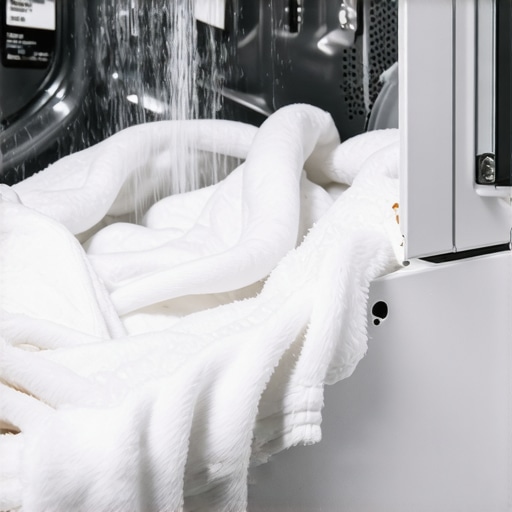
I remember standing in my laundry room three years ago, staring through the glass door of my brand-new front-loader like I was watching a slow-motion car crash. I was convinced I’d been scammed. My old machine used to fill up like a bathtub, but this fancy new one? It looked like it was trying to wash my favorite towels with a spray bottle and a prayer. I actually felt a bit of panic, wondering if why your high-efficiency washer doesn’t fill all the way to the top was a sign of a massive defect. It wasn’t. It turns out, I was just stuck in the “old school” way of thinking. Today, I’m going to explain exactly why that tiny bit of water is doing a better job than you think, and how you can stop worrying and start loving your modern laundry setup. [image_placeholder]
The Day I Almost Broke My Washer with a Garden Hose
I’ll admit it: I made a classic rookie mistake early on. I was so sure the machine wasn’t getting enough water that I paused the cycle and poured two gallons in manually with a bucket. I thought I was “helping” the process. Instead, I ended up with a face full of flashing error codes and a floor that looked like a lake. Modern machines are incredibly sensitive to weight and balance, and my “help” just threw the whole internal logic out of whack. If you’ve noticed that your washing machines that save water are barely dampening the load, you aren’t alone. We’ve been conditioned to believe that more water equals more clean, but in the world of high-efficiency (HE) tech, that’s just not how the physics works. According to the EPA’s WaterSense data, these machines use about 35% to 50% less water while often providing a superior clean because they rely on concentrated detergent and mechanical action rather than just “drowning” the dirt in a deep pool.
Will my clothes actually get clean without a soak?
This is the biggest hurdle for most of us to get over. We worry that without a deep soak, the dirt just gets pushed around instead of washed away. But here is the secret: because there is less water, the detergent is much more concentrated and effective. It creates a powerful cleaning solution that old machines simply couldn’t achieve. However, you have to be careful—I learned the hard way that your washer doesn’t need a whole cup of detergent to get the job done. In fact, using too much is the fastest way to end up with mysterious white streaks on your dark shirts or a funky smell. Have you ever stood there staring at your washer, wondering if it was actually broken because the water level was so low? I’d love to hear your “new washer” horror stories in the comments. Before we dive into the science of the load sensors, let’s look at how these machines actually tumble the grime away.
Let the Sensors Do Their Job
Your HE machine isn’t just a box that spins; it’s a computer with a drum. Think of the internal sensors like a scale at the deli—every ounce counts. When you press ‘Start,’ the first thing you’ll hear is a series of clicks and short bursts of water. This is the machine weighing your clothes. It’s calculating exactly how much water is needed to saturate the fabric without wasting a drop. If you try to bypass this by adding extra water, you confuse the logic board. I remember trying to wash two heavy denim jackets and a set of bedsheets in one go, thinking I was being efficient. The machine sensed the uneven weight, tried to balance it for twenty minutes, and then gave up with a ‘load unbalance’ error. It sounded like a freight train was coming through my wall. That’s when I realized that why your washing machine is moving across the floor during the spin is often just a cry for help because the sensors can’t find center.
Master the Art of the Proper Load
The way you put clothes in matters more than it ever did with your old agitator-style machine. In a front-loader, you want to pile things in loosely, never packing them tight. In an HE top-loader, you should leave the center open, even if there isn’t a physical agitator there. This allows the water and detergent to circulate through the fibers rather than just soaking the outside of a giant fabric ball. 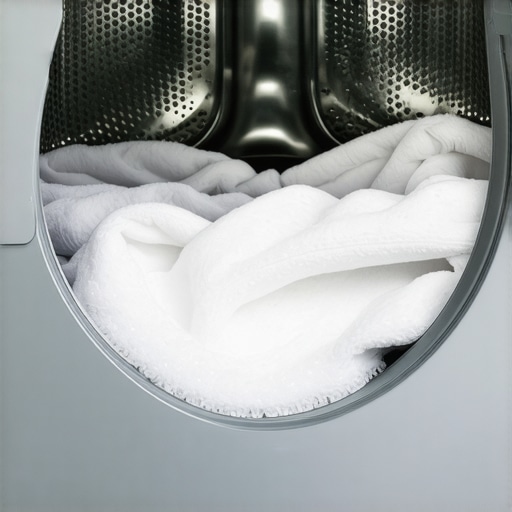
Choose Your Cycle Based on Fabric Not Habit
We all have a ‘favorite’ setting—usually ‘Normal’—but modern machines have specific algorithms for a reason. If you’re washing bulky items like parkas, the ‘Bulky’ cycle actually tells the machine to use more water and a slower spin to prevent damage. Using the wrong setting is a primary reason the best energy saving tips for your front load washing machine involve actually reading the manual. I once used the ‘Quick Wash’ for a heavy load of towels because I was in a rush. Big mistake. The towels came out soaking wet because the machine didn’t have enough time to properly ramp up the spin speed for that specific weight. If you run into a freeze-up, knowing how to reset the error codes on your modern smart washer can save you a $150 service call just to clear a simple logic error.
Trust the Mechanical Action Over the Soak
Unlike old machines that relied on ‘chemical’ action (lots of water and soap), HE machines rely on ‘mechanical’ action. This is the physical dropping of clothes against each other or the drum walls. It’s like the difference between soaking a dish and scrubbing it with a sponge. The low water level ensures that the clothes actually rub against each other, which provides the friction needed to lift stains. This is why how smart washing machines can simplify laundry day isn’t just a marketing slogan; it’s about the machine doing the hard work of agitation more precisely than we ever could manually. When you see your clothes tumbling through a tiny puddle, remember: that friction is the secret sauce.
The Deep Fill Button is a Performance Killer
You might think that hitting the ‘Deep Fill’ option on your control panel is the ultimate solution for a muddy load of soccer kits. Most people believe more water equals a more thorough rinse. In my experience, it’s actually the opposite. When you manually override the sensor’s water level, you are essentially drowning the detergent. Modern HE detergents are bio-enzymatic powerhouses designed to work in a specific, high-concentration ratio. According to studies by the Association of Home Appliance Manufacturers (AHAM), adding excessive water dilutes these enzymes so much that they lose their ability to break down protein-based stains. You aren’t giving your clothes a better bath; you’re just making the soap less effective. The friction I mentioned earlier depends entirely on a low water-to-cloth ratio. If the clothes are floating, they aren’t rubbing against each other. Without that friction, the soil stays trapped in the weave. I’ve seen people complain about ‘graying’ clothes, and they always blame the low water. The truth is usually that they used too much water, which prevented the mechanical agitation from doing its job. 
Why Does My High-Tech Machine Take Two Hours for a Single Load?
If you’ve ever sat there checking your watch and wondering why your high-efficiency washer takes so long to complete a load, the answer lies in the sensing phase. High-efficiency machines aren’t just lazy; they are iterative. They use several small ‘washes’ and ‘rinses’ rather than one big soak. This is a nuance many homeowners miss. Because the machine uses less water, it has to spend more time physically moving the clothes to ensure every fiber hits the cleaning solution. If you try to ‘speed things up’ by adding water or using the wrong cycle, the internal computer has to recalibrate, which often adds even more time to the clock. Have you ever fallen into this trap? Let me know in the comments.
The Suds Lock Trap You Need to Avoid
One of the biggest advanced mistakes I see—and one I’m guilty of myself—is the ‘Suds Lock.’ When you combine the myth of the deep fill with the mistake of using too much soap, the machine can’t actually pump the water out. The sensors get confused by the foam, thinking the drum is still full of water when it’s actually just air and bubbles. This leads to the dreaded ‘SD’ error code and can even wear out your pump motor prematurely. If you find that why your front-load washer always smells like a damp locker room, it’s likely because these excess suds have built up behind the drum, creating a breeding ground for biofilm. It is much harder to fix this than it is to prevent it by trusting the sensors. Just like how there are 5 mistakes that are shortening the life of your smart refrigerator, ignoring the chemistry of your washer is the fastest way to a broken appliance. Remember, your washer doesn’t need a whole cup of detergent to be effective. If you’ve already messed up and the machine is stuck, knowing how to reset the error codes on your modern smart washer can get you back on track, but the real solution is changing your perspective on water volume.
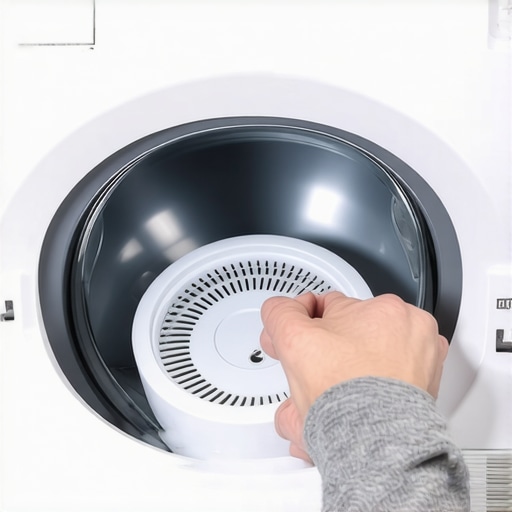
I used to think that maintenance was something you only did when a machine stopped working. I was wrong. If you want that low-water sensor to stay accurate, you have to treat the machine like the high-precision instrument it is. The single biggest mistake I see—and I’ve done this myself—is ignoring the drain pump filter. Most people don’t even realize their front-loader has a ‘coin trap’ or a ‘debris filter’ hidden behind a small door at the bottom. I once found three hairpins, a button, and a very soggy five-dollar bill in mine. If that filter gets clogged, your machine can’t drain fast enough, and you’ll find yourself wondering why your clothes are still sopping wet after the spin cycle. It’s not a mechanical failure; it’s just a housekeeping oversight.
Clean the Secret Filter No One Told You About
Locating this filter is usually the easy part; the hard part is remembering to do it every three months. When that trap fills with lint and random pocket items, the pump has to work twice as hard, which is one of the primary 5 mistakes that are shortening the life of your expensive appliances. I recommend keeping a small, shallow tray nearby when you open that door, as about a cup of water will always spill out. Taking ten minutes to how to clear a blocked pump on your front load washing machine is the difference between a ten-year lifespan and a three-year headache. According to technical documentation from the Association of Home Appliance Manufacturers (AHAM), routine descaling and filter cleaning can reduce energy consumption by up to 15% because the motors don’t have to fight against water resistance. It’s not just about repair; it’s about efficiency.
How do I maintain these high-tech sensors over time?
The secret is the ‘Tub Clean’ cycle. I used to think it was a gimmick, but those sensors that measure water level are actually optical or pressure-based. If a layer of biofilm—that nasty, slippery gray gunk—builds up inside the outer drum, it can coat the sensors and give false readings. This is why the reason your high-efficiency washer smells like old gym socks is actually a performance issue, not just a scent issue. I personally use a dedicated oxygen-based cleaner once a month on the hottest setting possible. This keeps the internal plumbing clear and ensures the computer gets an accurate ‘weight’ on your clothes every time. Just like the secret to making your refrigerator last twice as long involves cleaning the condenser coils, your washer needs that internal scrub to stay smart.
AI Is About to Change How Your Washer ‘Feels’ Your Clothes
Looking ahead, the ‘low water’ struggle is going to get much easier. We are already seeing the future of home appliances trends to watch in 2025 including fabric-sensing AI. Instead of just weighing the load, new machines will use infrared sensors to detect the actual fiber type. Imagine a machine that knows you’ve mixed silk with denim and automatically adjusts the water level to protect the delicate items while still getting the grime out of the jeans. We are moving toward a world of smart home appliances for a modern living where you won’t even have to pick a cycle. You’ll just throw it in, and the machine will do the thinking. But until those robots take over, you still need to be the boss of your laundry room. Go to your laundry room right now, find that bottom access door, and clear out that filter—you might just find five bucks and a machine that finally spins correctly.
The Three Biggest Lies I Told Myself About HE Washers
Reflecting on my three-year journey with a front-loader, I’ve realized that most of my frustration came from my own stubbornness. First, I assumed that ‘Quick Wash’ was the eco-friendly choice, when in reality, it often works harder and uses more resources to get the job done fast. Second, I treated the ‘Bulky’ setting like a heavy-duty scrub mode, not realizing it’s actually designed to prevent the machine from shaking itself apart. Finally, I had to accept that why you should never use too much fabric softener isn’t just a suggestion—it’s the difference between a clean machine and one covered in gray slime.
Tools That Keep My Laundry Room Stress Free
If you want to stop guessing and start getting better results, I highly recommend keeping a few things in your utility closet. I swear by oxygen-based tub cleaners; they are the only way to ensure your water-level sensors stay accurate. I also keep a shallow baking sheet specifically for when I have to how to clean the lint filter you didn’t know your washer had, because that unexpected gush of water is no joke. Lastly, always keep the digital version of your manual on your phone—it’s much easier to search for error codes on a screen than in a soggy paper book.
Master Your Machine Before It Masters You
Transitioning to modern appliances feels like learning a new language. You have to stop looking for the ‘swish-swish’ sound of a full tub and start listening for the clicks and hums of a computer doing math. Now that you know why your high-efficiency washer doesn’t fill all the way to the top, you can let go of the garden hose and trust the process. It’s part of the ultimate guide to smart home appliances for a modern living—work smarter, not harder. Have you ever tried to ‘hack’ your washer by adding extra water, or are you finally ready to trust those sensors? Let me know in the comments below.