
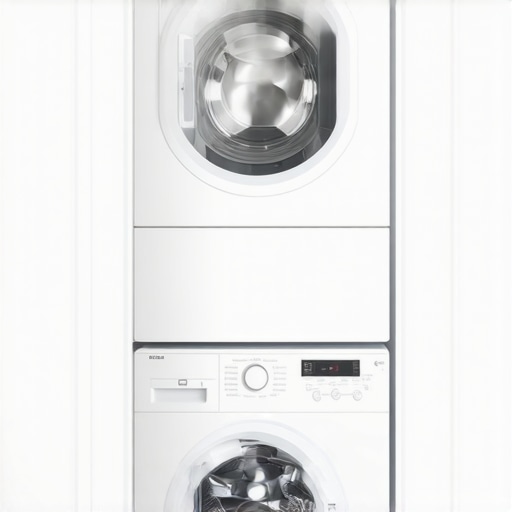
I stood there, sweat dripping down my forehead, staring at two massive boxes that were currently blocking my entire hallway. I had measured three times. I had checked the specs online. But the one thing I didn’t account for was the thick, rigid dryer vent and the way the water hoses needed to loop behind the washer. Suddenly, my ‘perfect fit’ looked like a logistical nightmare. I was one inch short of being able to close the bifold doors, and I felt like a total amateur. We have all been there—trying to force a big dream into a small space—but I am here to tell you that with the right tricks, you do not have to settle for those puny, two-load-a-day compact machines. Today, I am sharing exactly how I made it happen, and how you can too, without losing your sanity or your security deposit.[image placeholder]
Ditch the Laundromat and Reclaim Your Hallway
It is a common myth that if you have a hallway closet, you are stuck with ‘apartment-sized’ laundry units that can barely handle a set of bedsheets. I fell for that lie for years. I spent way too much time looking into the best stackable washer dryer sets for small apartment closets, thinking small was my only option. But after a particularly frustrating week involving a broken laundromat dryer and a pile of damp towels, I decided to find a way to fit the big guns in. You see, the standard depth of a laundry pair is around 30 to 34 inches, but most hallway closets are barely 32 inches deep. The math does not seem to add up until you factor in ‘zero-clearance’ venting and recessed dryer boxes. I made the mistake of using a standard foil vent early on, which ate up four precious inches of depth. Don’t do that. You can actually find ‘periscope’ vents that sit almost flush against the wall. According to research from the National Association of Home Builders, laundry rooms are among the top most-wanted features for buyers, even in small floor plans, meaning this upgrade is a legitimate investment. If you get the installation right and check out washing machines that save water, you can even prevent future headaches like learning how to fix a washing machine that keeps banging during spin cycles because it is too cramped against the drywall.
Is This Setup Actually Worth the Massive Headache?
I know what you are thinking: ‘If I cram them in there, won’t they just vibrate the walls down?’ It is a fair fear. If you do not know how to level a washing machine so it stops banging on tile floors, the noise in a narrow hallway will be deafening. But once they are dialed in and properly vented, a full-sized set is a game-changer for your productivity. Have you ever had to choose between washing your jeans or your towels because the machine was too small? That is a struggle I never want to go back to. Have you ever bought an appliance only to realize it didn’t fit the way you imagined? Let me know in the comments!I learned the hard way that every millimeter counts when you are working with a 32-inch closet depth. My first attempt involved a standard 4-inch aluminum flex duct. By the time I looped it behind the dryer, the machine was sticking out five inches past the door frame. I couldn’t even latch the bifold doors. That is when I discovered the periscope vent. It is basically a flat metal chimney that slides together to bridge the gap between the dryer outlet and the wall vent. If you are in a situation where you cannot vent outside, you might even look into the best compact dryers that do not require external venting, but for full-sized units, the periscope is king. It pulls the unit closer to the wall than I ever thought possible. Next, you have to address the water hoses. Most people use the stiff rubber hoses that come in the box, but those are like trying to bend a frozen garden hose. I swapped mine for 90-degree elbow braided stainless steel hoses. This allows the washer to sit almost flush against the back wall without kinking the line. I once ignored a slight kink in the drain hose thinking it would be fine, only to have my machine stop mid-cycle because it couldn’t pump out. I had to learn how to drain a washing machine when the power goes out just to get the door open and avoid a flood. It was a soggy, miserable afternoon that could have been avoided with ten dollars worth of better hardware.
Stop the Walking Washer Before It Hits Your Walls
When you have about half an inch of clearance on either side of your machines, vibration isn’t just a nuisance; it is a structural threat. I remember the first time I ran a heavy load of towels. The washer started its high-speed spin, and it sounded like a jackhammer was attacking my drywall. If you want to keep your sanity, you need to master the trick to stopping a vibrating washing machine during the spin cycle. I ended up using anti-vibration pads under the feet, but the real secret is the leveling. If the machine is even a fraction of a degree off, it will try to ‘walk’ right out of the closet. Using a bubble level on the top of the machine—side to side and front to back—is non-negotiable.
Smart Features That Save Your Small Space
Modern tech actually makes this easier than the old-school units ever did. I’ve found that how smart washing machines can simplify laundry day often comes down to their sensors. These machines can detect an unbalanced load before it starts banging. If you are worried about energy usage or your machine taking forever, you should understand why your energy efficient washer takes so long to finish—it is usually because it is optimizing water and movement to protect your clothes. For anyone dealing with a tight fit, these sensors are like having a tiny technician living inside the drum, making sure the unit doesn’t destroy itself or your closet walls during the cycle. If you’re still choosing a machine, look for the best energy efficient washing machines for small households to ensure you aren’t overwhelming your plumbing or your power bill.Now that we have successfully squeezed those massive machines into your hallway closet, let us dig deeper into how to actually keep them alive. Most people think once the installation is done, the hard part is over, but that is where the real nuances begin. I used to believe that more is better—more water, more detergent, more heat. I was wrong. In fact, one of the biggest myths in modern home maintenance is that ‘suds equal clean.’ If you see a mountain of bubbles through your washer door, you are actually sabotaging the machine. High-efficiency units are designed to use a fraction of the water, and when you overdo the soap, you create a ‘suds lock’ that forces the motor to work twice as hard. Have you ever fallen into this trap? Let me know in the comments! I learned this the hard way when my hallway smelled like a damp basement for a month because I didn’t understand the secret to using less detergent in your high efficiency washer. This excess soap creates a biofilm that is basically a buffet for bacteria. If you have ever wondered why your front load washer smells like a swamp and how to fix it, look no further than your own detergent cup. #IMAGE_PLACE_HOLDER_C#
Why does my energy-efficient machine take three hours to finish?
It feels counterintuitive, but longer cycle times actually save you money. According to the Association of Home Appliance Manufacturers (AHAM), modern appliances use less water and lower temperatures to meet strict environmental standards, which requires more ‘mechanical action’ (tumbling) to get clothes clean. If you try to bypass this by always using the ‘quick wash’ setting, you might find that why your energy efficient washer leaves your clothes feeling crunchy is due to insufficient rinsing. It is a delicate balance between chemistry and time. The same logic applies to your kitchen. I see so many people ‘pre-rinsing’ their dishes until they are spotless before putting them in the dishwasher. This is a massive mistake. Modern innovative dishwashers with AI technology use turbidity sensors to measure how dirty the water is. If your dishes are already clean, the sensor tells the machine to run a shorter, weaker cycle, which often leaves the actual grease behind. You should also be aware of the hidden sensor in your dishwasher that needs a manual scrub to keep those readings accurate. Even your fridge has these quirks. If you find yourself asking why your refrigerator is freezing the eggs on the top shelf, it is likely because you have blocked the air vents with a large carton of milk. These ‘smart’ features are only as good as the person loading them, and understanding these tiny mechanical behaviors is the difference between an appliance that lasts five years and one that lasts fifteen.I’ve spent hundreds of hours troubleshooting these systems, and I’ve realized that the tools you use for maintenance are just as important as the tools you used for the install. I don’t just mean a wrench or a screwdriver. I’m talking about a long-handled condenser coil brush. If you have pets, those coils under your fridge are basically a magnet for fur. According to technical documentation from the Department of Energy, neglected condenser coils can force your compressor to run significantly hotter, increasing energy use by up to 30% and cutting the lifespan of the unit in half. If you want to know the secret to making your refrigerator last twice as long, start by vacuuming those coils every six months. It is the single most effective way to prevent a three-thousand-dollar appliance from becoming a giant paperweight. 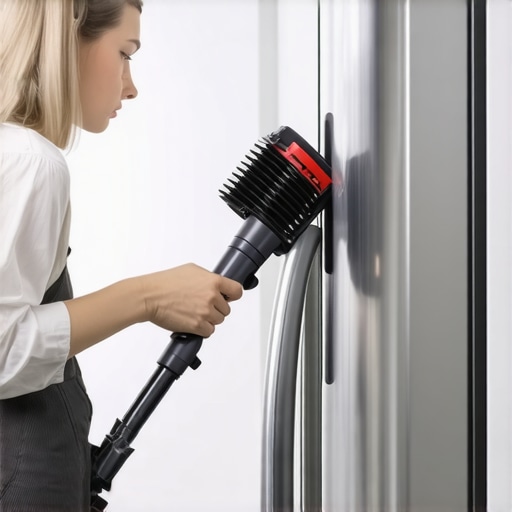
Your Hardware Needs Software Love Too
We are living in an era where your dishwasher is basically a computer that happens to spray water. I used to ignore those little notifications on my phone, but I realized that knowing why your smart appliance app keeps asking for a firmware update is vital for long-term stability. These updates aren’t just for ‘new features’; they often contain patches for the logic boards that control the heating elements and water valves. If your machine starts acting glitchy, don’t assume the motor is dead. It might just be a software bug that a quick sync could fix. Looking ahead, the future of home appliances is moving toward predictive AI that will order its own replacement parts before they even fail. Until then, you need to stay on top of the manual stuff. If you are struggling with connectivity, you should check out why your smart dishwasher wont talk to your phone anymore before you call a repairman.
How do I keep these machines running like new for a decade?
It comes down to the things you can’t see. For your washer, that means getting down on your hands and knees and opening the little door at the bottom. Learning how to clean the debris filter on your front load washer effectively is disgusting—you will find coins, hair, and slimy lint—but it is the only way to prevent a drainage failure. For the kitchen, I highly recommend learning how to set up a central kitchen hub for all your smart appliances so you can monitor all your devices from one interface. This prevents ‘app fatigue’ and makes maintenance feel like a game rather than a chore. My challenge to you today: go grab a dollar bill and try how to test if your fridge door seal is actually airtight. If the bill slides out easily, your fridge is working too hard, and it’s time for a simple gasket replacement.
The Hard Truths I Learned While Squeezing Machines into a Hallway
After a year of living with full-sized machines in a space that technically shouldn’t have them, I’ve realized that patience is your best installation tool. First, never underestimate the power of a single centimeter. If you find your machine is still a bit too tall or wide, check if the floor is level; sometimes the flooring itself takes up more space than you think. Second, remember that heat management is safety management. If your closet doesn’t have a door vent, leave the doors open while drying to prevent the humidity from warping your hallway walls. Third, don’t be afraid to look at the hidden costs of cheap budget appliances when shopping, as lower-end units often vibrate more violently, which is the last thing you want in a tight closet setup.
A Few Gear Picks I Actually Swear By
I don’t recommend products lightly, but these four things made the impossible possible. The periscope dryer vent is non-negotiable for anyone with less than 34 inches of depth. I also swear by braided stainless steel hoses with 90-degree elbows to save those last few inches of depth. If you are struggling with your kitchen next, I suggest reading up on choosing the right refrigerator tips from industry experts to avoid the same fitting headaches I had. These resources, along with the ultimate guide to smart home appliances for a modern living, will help you build a home that works for you, not against you.
[image placeholder]
Stop Dreaming and Start Measuring
You don’t have to live with the limitations of a small floor plan. Whether you are installing high-tech smart appliances or trying to fit high-capacity washing machines into a tiny corner, the key is knowing your hardware. I’ve seen so many people settle for less, but with a little bit of creative engineering, you can have the luxury of a full-scale laundry room in the smallest of homes. Take the leap, do the math, and reclaim your time from the laundromat. Have you ever had an appliance that simply refused to fit in your home? Let me know in the comments below!