
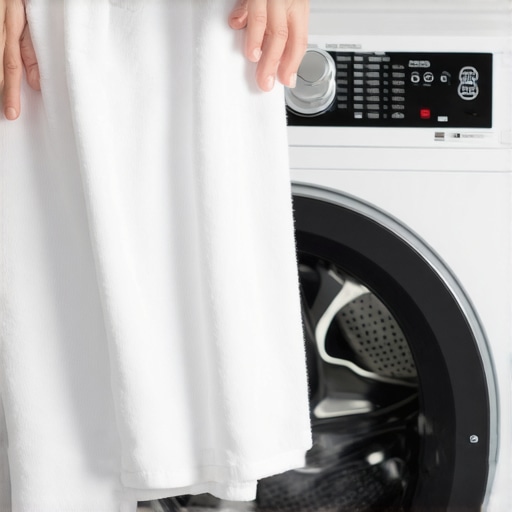
I pulled my favorite cotton t-shirt out of the dryer last night, and it felt like a piece of dried-out beef jerky. Not soft, not cozy—just stiff and, well, crunchy. It’s the ultimate betrayal by a machine I bought specifically to save the planet. I stood there in my laundry room, staring at my sleek High Efficiency (HE) beast, wondering where I went wrong. Most of us upgrade to these machines thinking they’ll be a dream, but the reality can be a bit… stiff. [image_placeholder]
The Reason Your Towels Feel Like Sandpaper
The shift to modern appliances is supposed to be seamless, but if you’re used to the old-school way of doing things, you’re likely fighting a losing battle against physics. When I first got my new machine, I was convinced I needed more soap because I couldn’t see any suds. I was wrong. I actually learned the secret to using less detergent in your high-efficiency washer the hard way—by ruining a set of expensive bedsheets. The problem isn’t the machine; it’s how we’re interacting with it. These machines are designed to sip water, not gulp it, which changes the entire chemistry of your laundry room. If you’ve noticed why your high-efficiency washer uses barely any water, you’ve seen the culprit firsthand. Without that massive bathtub of water to rinse away excess soap, that detergent stays in the threads, dries hard, and leaves you with a ‘crunch.’ We’re going to look at the chemistry of the rinse and how to get that fluffy feeling back without sacrificing your utility bill.
Does ‘High Efficiency’ Just Mean ‘Lousy Cleaning’?
It’s a fair question. Many of my neighbors have asked if they should just go back to the old, water-hogging models. But the truth is, according to the American Cleaning Institute, HE washers are actually more effective at removing deep-set stains—provided you use the right concentration of enzymes. The ‘crunch’ isn’t dirt; it’s literally leftover soap and hard water minerals that never got flushed out. Have you ever opened your washer and felt like the clothes were barely even wet? It’s a jarring experience. But before you give up on your washing machines that save water, let’s dive into why this happens and how a few simple tweaks to your routine can fix it. Have you ever felt like your clothes were cleaner before you ‘upgraded’ your laundry room?
Stop Overloading the Soap Tray
When you switch to a high-efficiency model, you have to unlearn decades of laundry habits. Think of it like making a glass of orange juice from a frozen concentrate. If you use the whole can but only a splash of water, you get a thick, undrinkable sludge. That is exactly what happens when you use too much soap in an HE washer. These machines use gravity and a small amount of water to tumble clothes, not a giant vat of soapy water. If you see suds in the window, you have already failed. I learned the secret to using less detergent in your high-efficiency washer the hard way. I remember washing my favorite denim jacket with a heavy hand of liquid soap. It came out so stiff it literally stood up on the floor when I propped it against the wall. It took three water-only cycles to get that crunch out. Two tablespoons is usually the maximum for a full load; any more, and the machine simply cannot rinse it out.#IMAGE_PLACE_HOLDER_B#
Why You Should Always Hit the Extra Rinse Button
Modern machines prioritize energy ratings over total rinse volume, which is why your energy-efficient washer takes so long to finish. It is doing several short sprays instead of one deep soak. This efficiency is great for your bill but terrible for rinsing out thick detergents. If you have sensitive skin or notice your towels feel like sandpaper, start hitting the ‘Extra Rinse’ button for every load. You might wonder, does the extra rinse cycle actually help with detergent allergies? In my experience, it is the single most effective way to ensure no chemical residue is left in the threads. It adds about ten minutes to the cycle, but it saves your skin and your softness.
Use Steam to Soften Tough Fibers
If your machine has a steam setting, you are sitting on a goldmine for soft laundry. Steam penetrates the fibers and relaxes them before the final spin, preventing the fibers from locking into a rigid, ‘crunchy’ state as they dry. Learning how to use the steam setting on your washer for better stain removal also has the side effect of breaking up mineral deposits from hard water. I started using the steam cycle for my cotton sheets, and the difference was immediate. They went from feeling like stiff paper to having that hotel-quality drape. It is a more aggressive way to treat the fabric without adding more chemicals.
Level Your Machine for a Better Spin
If your machine is not perfectly flat, the water will not drain correctly, leaving soapy puddles in the bottom of the drum. This leads to that swamp smell and inevitably leaves soap in your clothes. Mastering how to level a washing machine so it stops banging on tile floors is about more than just peace and quiet; it is about gravity working for you. When the drum is level, the high-speed spin can effectively pull the soapy water out of the fabric. If your machine is shaking or walking, it will often skip the highest spin speeds to protect itself, meaning your clothes stay wetter and soapier than they should. Check out how to stop your washing machine from walking during the spin cycle to ensure your machine stays where it belongs.
The Vinegar Trick for Removing Soap Scum
Fabric softeners are often the enemy of HE machines because they coat the internal sensors in a waxy film. Instead of a chemical softener, use half a cup of plain white vinegar in the softener dispenser. Much like the truth about using white vinegar in your high-efficiency dishwasher, the acidity in the vinegar breaks down the mineral deposits and strips away the detergent buildup that causes stiffness. It does not leave a smell, and it leaves the fibers naturally fluffy. I used this on a set of old, ‘crunchy’ gym towels that I was ready to throw away, and after one wash with vinegar, they were back to being absorbent and soft.
While most people think the ‘Heavy Duty’ cycle is the gold standard for a deep clean, it is often the very thing causing your clothes to wear out prematurely. High-intensity agitation in low-water environments creates excessive friction. Instead of the water doing the work, your clothes are essentially rubbing against each other like sandpaper. In my experience, using a ‘Normal’ cycle with an extra rinse is far gentler and actually results in cleaner clothes because the detergent has more room to move. It’s a common misconception that more power equals more clean. In reality, the chemistry of the detergent does the heavy lifting, not the violence of the drum. If you’re dealing with specific issues like oils, check out the best washing machines for removing tough grease and oil stains to see how modern machines handle the grunt work without the grind.
Is the ‘Sanitize’ cycle actually weakening your fabric?
Textile experts frequently warn that the extreme heat of a ‘Sanitize’ setting is overkill for 95% of household laundry. According to research from the Association of Home Appliance Manufacturers (AHAM), prolonged exposure to temperatures above 140°F can break down the microscopic structure of elastic fibers and certain cotton weaves. While it kills bacteria, it also ‘bakes’ any residual minerals from your water supply directly into the fibers—the scientific reason for that dreaded crunch. If you don’t have a medical reason to sanitize, stick to warm or cool settings. You’ll save your clothes and your energy bill simultaneously. This ‘heat trap’ is a specific mistake I see people make when they are trying to be extra thorough, but it backfires by shortening the lifespan of their wardrobe.
The same logic of ‘less is more’ applies to your kitchen. Most of us were raised to rinse every plate before it hits the rack. But if you do that, you are likely falling for the dishwasher detergent mistake that is etching your favorite glassware. Modern dishwashers use turbidity sensors to ‘see’ how dirty the water is. If you pre-rinse everything, the sensor thinks the load is clean and cuts the cycle short, or the detergent—which is designed to search for food particles—attacks the glass surface instead. This is often why your dishwasher is leaving a cloudy film on glasses. It’s a counterintuitive truth: your machine works better when the dishes are actually dirty. You just need to know the best way to stack your dishwasher for maximum clean to let the jets reach the grime effectively.
Finally, don’t ignore the physical maintenance that keeps these smart beasts running. We focus so much on the software, but the hardware still needs physical care. For instance, knowing how to keep your refrigerator coils clean in a pet-friendly home is the single most important task for fridge longevity. If those coils are choked with dust, the compressor runs hot, and you’re suddenly looking at a repair bill for a ‘broken’ motherboard that was actually just overheated. It’s the secret to making your refrigerator last twice as long without spending a dime on service calls. Many people also assume that if a smart fridge is running warm, the coolant is low. In reality, it’s often a sensor calibration issue. Learning how to calibrate your smart fridge temperature sensors can save you from throwing out a perfectly good appliance. Even checking how to clean the internal spray arms of your dishwasher for better flow can prevent those mystery residues. Have you ever fallen into the trap of ‘over-cleaning’ or ‘over-rinsing’ and ended up with worse results? Let me know in the comments.
Over-cleaning is one thing, but ignoring the hidden physical limits of these machines is what really kills them in the long run. I keep a very specific maintenance kit in my utility drawer: a T20 Torx bit, a flexible nylon brush, and a bottle of food-grade silicone grease for door gaskets. You would be surprised how many ‘broken’ dishwashers are simply a case of a blocked turbidity sensor or a trapped peach pit. If you have noticed poor drainage or grit on your plates, check the easiest way to clean the filter in your dishwasher before you even think about calling a technician. Most modern units have a manual trap that catches everything from jar labels to broken glass, and if it is clogged, your pump is under constant strain.
How can I keep my smart appliances running for a decade?
It is all about the physical basics that sensors cannot always monitor. For my refrigerator, I perform the ‘paper test’ every six months. You simply close the door on a single sheet of paper and try to pull it out; if it slides out easily, your gasket is failing, and your compressor is working twice as hard to maintain temperatures. Knowing how to test if your fridge door seal is actually airtight can save you hundreds in energy bills and prevent a premature motor burnout. According to 2024 research by the Repair Association, software-heavy appliances actually fail more frequently from thermal fatigue in the control boards than from mechanical parts wearing out. This is why keeping those refrigerator coils clean and ensuring proper airflow is non-negotiable for longevity.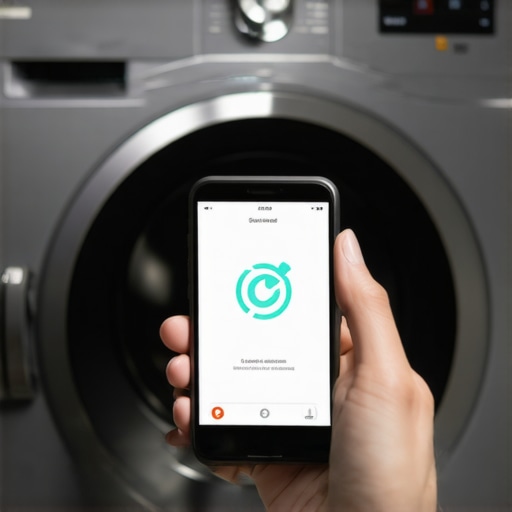
Why your phone is now the most important repair tool
In the past, we listened for a clunk or a squeak to identify a problem; now, we check the log files. I used to be annoyed by frequent notifications, but I eventually understood why your smart appliance app keeps asking for a firmware update. These updates are often patches to fix motor-cycle bugs that could cause overheating. If your digital interface ever freezes, do not panic. I have personally used how to hard reset your smart refrigerator control panel to clear sensor errors that were causing my ice maker to stop functioning. Looking ahead, the future of home appliances: trends to watch in 2025 suggests we are moving toward self-diagnosing hardware that predicts pump failure before it happens. Until then, you remain the primary diagnostic tool. If your washer smells like a swamp, do not just dump in more soap; use the only way to get that weird smell out of your front loader by cleaning the debris filter and treating the rubber seal. I highly recommend you try the ‘paper test’ on your refrigerator door tonight—it is a ten-second check that could significantly extend the life of your kitchen’s centerpiece.
Lessons My Utility Room Taught Me the Hard Way
Over the last decade of testing and troubleshooting, I’ve realized that the ‘smart’ in smart appliances refers to the potential, not the guarantee. First, I learned that the ‘Eco’ mode is a misnomer for heavily soiled loads; it often results in re-washing, which wastes more water than a single ‘Heavy’ cycle. Second, never ignore a sensor warning. A tiny bit of grit on a sensor can throw off an entire machine’s logic. Finally, I discovered that why your smart appliance app keeps asking for a firmware update is usually for your benefit—it’s the digital equivalent of a tune-up that keeps the internal motors from burning out prematurely.
My Personal Toolkit for Appliance Longevity
I don’t just rely on the user manual; I rely on a few specific items that have saved me thousands in repair costs. I always keep a bottle of distilled white vinegar handy—it is the best way to sanitize your dishwasher without using bleach and keeps the lines clear. I also recommend checking out the ultimate guide to smart home appliances for a modern living to understand how your ecosystem should communicate. If you are just starting to upgrade, looking into refrigerators in 2025: top features that transform your kitchen will give you a head start on what’s worth the investment and what is just a gimmick.
Reclaiming the Joy of a Well-Oiled Home
Managing a modern household shouldn’t feel like a part-time job. Once you master the subtle chemistry of low-water washing and the physical maintenance of your kitchen gear, these machines truly start to work for you instead of against you. We are standing at the edge of the future of home appliances, where AI will handle the diagnostics, but until then, your hands-on care is what makes the difference. Have you ever found a weird object in your dishwasher filter that actually fixed the whole problem? Let me know in the comments below!