
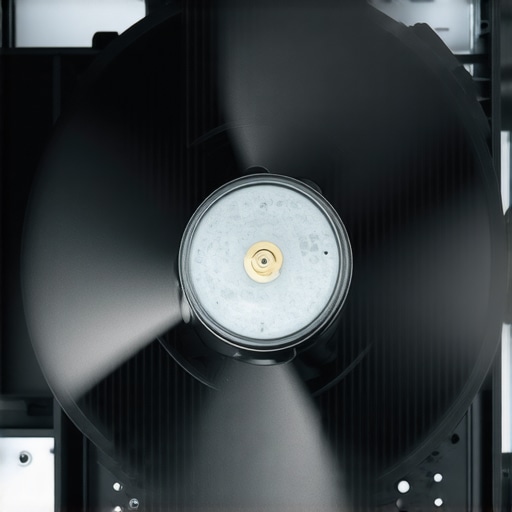
I was standing in my dark kitchen at midnight, clutching a glass of water, when it started. A low, rhythmic chirping that quickly escalated into a frantic mechanical growl. My first thought? A rogue squirrel had somehow breached the freezer. My second thought, as someone who prides themselves on a well-run home, was pure dread. That sound—a mix of a grinding gear and a dying bird—is the unmistakable swan song of a refrigerator evaporator fan motor. I ignored it for three days, thinking maybe it was just some harmless ice buildup. Huge mistake. By Thursday, I was throwing away sixty dollars worth of spoiled chicken and lukewarm yogurt because the internal temperature had spiked. If your fridge is currently talking to you in a way that sounds more like a construction site than a quiet hum, you are likely days away from a total cooling meltdown. Today, I am going to show you how to identify that exact noise before your groceries pay the ultimate price.
Don’t Ignore the Growl from Your Freezer
Most of us treat our kitchens like the heart of the home, but we often forget the mechanical pulse keeping everything fresh. When I first started choosing the right refrigerator for my own house, I was obsessed with the layout and totally ignored the moving parts. I once spent an hour trying to figure out why your refrigerator is making a clicking noise every ten minutes, only to realize that different sounds point to very specific failures. A click is often a relay issue, but a growl, squeal, or high-pitched chirp is almost always the fan struggling to spin. According to repair data from Family Handyman, fan motor failure is one of the most common reasons for emergency cooling calls. This tiny motor has the massive job of circulating cold air from the coils into the food compartment. Without it, your compressor works overtime until it potentially burns out, which is a much more expensive fix than a simple fan replacement. Have you noticed a new vibration or a rhythmic ticking lately? Drop a comment and tell me what you are hearing!
Is an Old Fridge Even Worth Saving?
You might be sitting there thinking that maybe this is just a sign to give up and browse for refrigerators in 2025. I get it. The lure of a shiny new model with a touchscreen is strong. But the secret to making your refrigerator last twice as long isn’t about luck; it’s about catching these small mechanical failures before they cascade into a total system failure. Swapping a motor is a project you can actually do yourself with a few basic tools, saving you hundreds in labor costs and thousands on a new appliance. Before you assume your fridge is a goner, let’s look at how to pinpoint exactly where that noise is coming from.
Zero In on the Sound Before You Pull the Unit Out
Think of your refrigerator like a human body: the compressor is the heart, pumping the refrigerant, but the evaporator fan is the lungs, moving the air that actually keeps your milk cold. If the lungs fail, the heart can pump all day and you will still end up with spoiled groceries. Before you go through the hassle of learning how to move a heavy refrigerator without scratching the floor, you need to confirm exactly which fan is screaming. Most modern fridges have two: the condenser fan near the floor and the evaporator fan inside the freezer. If the noise is loud and clear when the doors are closed but gets muffled when you stand behind the unit, the problem is likely internal.
Use the Freezer Door as Your Secret Diagnostic Tool
I remember my first encounter with this mechanical growl. I was halfway through pulling the fridge out when I realized I could have diagnosed the problem in three seconds. I opened the freezer door, and the noise stopped instantly. Most fans are wired to shut off when the door opens to prevent blowing out all your expensive cold air. If the sound cuts out the second the door swings open, you have found your culprit. This means the motor or the blades are hitting something inside the freezer compartment itself. 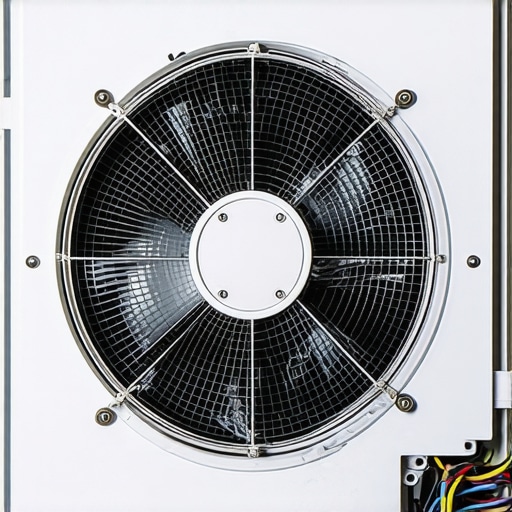 If you are dealing with a higher-end model, you might also need to look into how to calibrate your smart fridge temperature sensors once you finish the repair, as a failing fan often throws the internal calibration out of whack.
Peel Back the Layer Keeping Your Food Frozen
To get to the motor, you have to perform a little freezer surgery. This involves removing the back panel inside the freezer. It is usually held in by a few 1/4-inch hex screws or Phillips heads. Once those are out, do not just yank the panel; there are wires for the fan and the light attached to the back. I once snapped a plastic clip because I was too impatient, which turned a twenty-minute fix into a two-hour frustration. Gently tilt the panel forward and disconnect the wiring harnesses. If the panel is stuck, do not force it. It might be frozen shut by excessive ice buildup, which is a common symptom if you have been wondering why your refrigerator is creating excessive ice in the freezer lately. Use a hair dryer on a low setting to melt the frost before pulling.
Clear the Ice to See if the Motor Is Actually Dead
Once the panel is off, look at the fan blades. Often, the motor is perfectly fine, but ice has built up around the blades, making them strike the frost like a playing card in bicycle spokes. This happens if your defrost drain is clogged or if you need to learn how to organize your freezer to prevent frost burn and food waste, as poor airflow can cause localized freezing. If the blades are clear but the motor spindle feels stiff when you spin it by hand, the bearings are shot. At this point, no amount of cleaning will save it. You need a replacement motor. Once you have the new one installed, it is the perfect time to review the best energy efficient fridge settings for your utility bill to ensure your new motor doesn’t have to work harder than necessary.
Stop Dumping Half the Bottle of Soap Down the Drain
Once you have tackled that refrigerator fan, it is easy to feel like an appliance expert. But here is the thing: most of the issues I see homeowners face aren’t caused by old age; they are caused by ‘over-maintenance.’ We have been conditioned to believe that more is better. More heat, more water, and especially more detergent. If your clothes aren’t coming out clean, your instinct is to double the soap. This is the biggest mistake you can make with modern machines. In fact, learning the secret to using less detergent in your high efficiency washer is often the only repair you actually need. Modern HE washers use so little water that excess soap creates a ‘suds lock,’ which actually prevents the mechanical action of the clothes rubbing against each other. Instead of getting cleaner, your clothes stay dirty, and the excess suds gunk up the internal sensors. Have you ever fallen into this trap? Let me know in the comments because I certainly have!
The Vinegar Myth Could Be Eating Your Seals from the Inside Out
Another nuance people miss involves the ‘natural’ cleaning trend. Everyone tells you to dump a bowl of white vinegar in your dishwasher to get rid of hard water stains. While vinegar is a great descaler, it is also an acid. In my experience, frequent use of vinegar can actually degrade the rubber gaskets and seals over time, leading to a situation where you are suddenly searching for how to stop your dishwasher from leaking water onto the kitchen floor. According to experts at Consumer Reports, the high acidity in vinegar can even damage the hoses in some high-end models. If you are noticing a cloudiness on your plates, it might not be hard water at all; it could be the dishwasher detergent mistake that is etching your favorite glassware. Etching is permanent damage to the glass itself, and no amount of cleaning will fix it. Use a dedicated dishwasher cleaner once a month instead of the vinegar hack to keep those seals supple and leak-free.
Why does your energy efficient washer take an eternity to finish?
I get asked this all the time by people who have recently upgraded to a newer unit. They look at the timer and see ’84 minutes’ for a standard load and assume the machine is broken. It isn’t. The hidden nuance here is that modern machines trade time for energy. To earn those efficiency ratings, they use less water and lower temperatures, but they compensate by tumbling the clothes for much longer. If you find yourself wondering why your energy efficient washer takes so long to finish, it is because the internal sensors are constantly recalibrating the cycle based on the soil levels and the weight of the load. This is a far cry from the old ‘set it and forget it’ dial machines. If you want to keep these high-tech systems running, you have to be proactive about the small stuff. For example, knowing how to clean the debris filter on your front load washer effectively can prevent the pump from working overtime, which is usually the real reason those cycle times start creeping up even further. Stop fighting the machine’s logic and start working with its design.
I have learned the hard way that a standard screwdriver set simply does not cut it when you are deep inside the chassis of a high-end machine. You need what I call an ‘Appliance Rescue Bag.’ My most used tool is a magnetic 1/4-inch nut driver. Almost every panel on a modern fridge, dishwasher, or dryer is held together by these specific hex-head screws. If you are working in the dark, cramped corners of a cabinet, a high-quality headlamp is non-negotiable. Trying to balance a phone flashlight in your teeth while attempting to stop your dishwasher from leaking water onto the kitchen floor is a recipe for frustration and a sore neck. I also keep a roll of plumber’s tape and a non-contact voltage tester handy to ensure I’m not about to get a nasty shock while poking around a terminal block.
How do I maintain these complex systems over time?
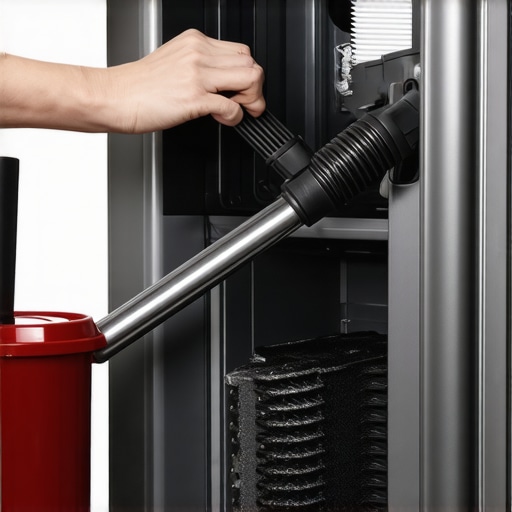
The secret to longevity isn’t just reacting when something breaks; it is performing a quarterly deep-dive. For instance, knowing how to keep your refrigerator coils clean in a pet-friendly home is a ten-minute job that can add five years to your compressor’s lifespan. I use a long, flexible coil brush paired with a thin vacuum attachment. If you have a golden retriever or a long-haired cat, those coils are likely carpeted in fur right now, forcing your fridge to work twice as hard. Beyond the physical grime, we have entered an era where software maintenance is just as vital as hardware care. Many homeowners find it annoying when why your smart appliance app keeps asking for a firmware update appears on their screen, but ignoring these is a mistake.
According to technical documentation from the Association of Home Appliance Manufacturers (AHAM), these digital updates often recalibrate internal sensor sensitivity to prevent ‘suds lock’ in washers or temperature spikes in ovens. Think of a firmware update as the modern equivalent of an oil change. If you are looking for a seamless home experience in 2025, you have to treat your appliances like the computers they are. I predict that by the end of the decade, we won’t even need to listen for mechanical growls anymore. Based on the future of home appliances trends to watch in 2025, we are moving toward vibration-based AI diagnostics that will alert your phone the moment a bearing starts to wear out—long before you smell smoke.
The Long Game of Smart Integration
As you transition into a more tech-heavy setup, the reliability of your home network becomes a major factor in appliance performance. A weak Wi-Fi signal in the laundry room is often the hidden culprit behind how to fix a smart washer that keeps pausing mid-cycle. The machine loses its handshake with the server and simply stops. To avoid this, I recommend setting up a dedicated 2.4GHz guest network just for your smart home appliances for a modern living space. This keeps your main high-speed bandwidth free for streaming while ensuring your fridge and washer have a stable, uncluttered lane to communicate. Take my advice: grab a vacuum extension and clean those refrigerator coils this weekend. It is the single most effective way to instantly drop your energy bill and protect your most expensive kitchen asset.
What My Most Expensive Mistakes Taught Me About Maintenance
After years of tinkering, I realized that modern hardware is incredibly resilient but also surprisingly sensitive to user-enforced habits. First, silence is never free; if your fridge stops making its usual low hum and starts chirping, you are already losing money in energy efficiency. Second, I learned that the Eco mode on many washing machines that save water isn’t just a marketing gimmick—it actually preserves the lifespan of the internal motor by reducing torque stress. Finally, do not let the tech intimidate you. Most of the ghost in the machine errors I encountered were solved simply by understanding how smart washing machines can simplify laundry day through automated error reporting. You are the boss of these machines, not the other way around.
The Essential Rescue Kit for Every Homeowner
If you want to move beyond just getting by and actually maintain your investment, these are the tools I never go without. I rely heavily on a magnetic 1/4-inch nut driver because ninety percent of appliance panels use this specific fastener, and dropping a screw into the machine’s dark abyss is a nightmare. I also suggest bookmarking the AHAM database for real-world reliability stats before you buy. For cleaning, skip the chemical sprays and grab a long, flexible condenser brush. It is the only way to reach the dust bunnies that choke your cooling system. These simple tools are the foundation of my ultimate guide to smart home appliances for a modern living philosophy.
Take Charge of Your Kitchen Future
Stepping up to maintain your own home appliances might feel daunting when you are staring at a circuit board or a frozen fan, but remember that every expert started with a screwdriver and a little bit of curiosity. By catching those rhythmic growls early and being mindful of your detergent use, you are doing more than just saving money; you are taking control of your home’s efficiency. You have got the knowledge now—all that is left is to put it into practice. Have you ever tried a DIY appliance repair only to end up with more spare parts than you started with? Share your stories in the comments below!