
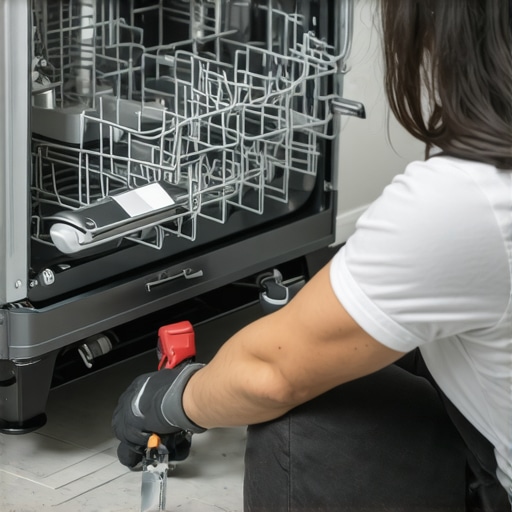
I’ll never forget the squish. It was 6:15 AM, I had my favorite wool socks on, and I was just trying to reach for the coffee pot. Instead, I found myself standing in a lukewarm puddle that had migrated halfway across my linoleum. My dishwasher had decided to stage a silent, watery protest overnight. It’s a sinking feeling—literally—when you realize your kitchen is slowly becoming a pond. If you’re reading this, you’re likely in the same boat (or puddle), wondering if you need to call an expensive plumber or if the machine is just trash. Relax. I’ve spent years tinkering with these appliances, and I promise we’re going to find that drip and kill it today without you spending a fortune on a service call. [image-placeholder]
Stop the Flood Before It Ruins Your Subfloor
Most people panic and start looking at new innovative dishwashers with AI technology the moment they see a drip. I get it. Water is destructive. But before you go shopping, let’s talk about my biggest rookie mistake: ignoring the ‘minor’ dampness near the kickplate. I once let a tiny weep go for a month, only to find the wood underneath had turned into something resembling wet cardboard. I’ve learned the hard way that the quick fix for a leaky dishwasher door is often just a matter of cleaning a seal or tightening a loose clamp. It’s not just about the mess; it’s about protecting the heart of your home. Interestingly, the Insurance Institute for Business & Home Safety notes that water damage from appliances is one of the most common—and expensive—homeowners’ insurance claims, often costing over $5,000 per incident if left unchecked. We are going to make sure you aren’t part of that statistic.
Is a DIY Fix Actually Going to Save My Floor?
You might be skeptical. After all, modern machines are complicated, right? While some smart appliances are a revolution in convenience, the basic way they hold water hasn’t changed much in decades. Whether it’s a kinked drain hose or a failed pump gasket, these are mechanical issues you can see, touch, and fix. Have you ever faced a kitchen flood and felt that immediate, heart-stopping impulse to just call a professional? Stick with me for a second. We’re going to check the usual suspects, from the spray arms to the float switch, and I’ll show you why even something like your refrigerator leaking water often shares the same simple logic. Let’s roll up our sleeves and get those socks dry.
Start With the Rubber That Keeps Water in the Machine
If your dishwasher is a submarine, the door gasket is the primary seal keeping the ocean out of your living room. Over time, bits of food, grease, and hard water deposits build up on this rubber strip, creating tiny gaps that water can easily exploit. I remember a Saturday morning when I was convinced my pump had cracked because water was pooling right in the center of the kitchen. After ten minutes of poking around on my hands and knees, I realized a single strand of dried spaghetti had stuck to the bottom seal, creating a perfect little channel for water to escape. Cleaning is your first line of defense. You should know how to clean a moldy dishwasher door gasket the right way because even a tiny bit of slime or grit can prevent a watertight seal. If the rubber feels brittle or shows visible cracks, no amount of scrubbing will help—it is time for a swap. 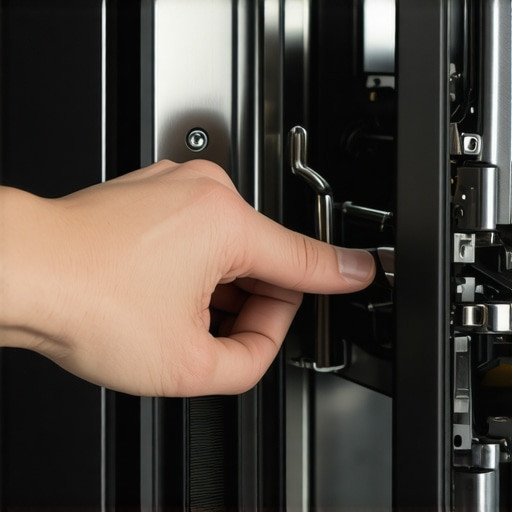
Clear the Spray Arms to Stop Errant Water Jets
Think of the spray arms as the showerheads of your appliance; they are designed to spin and spray water in very specific directions. However, if the little holes get clogged with seeds, toothpicks, or calcium, the water pressure builds up and can force a jet of water directly at the door seams or the corners of the tub where the seal is weakest. This happened to me with a stray popcorn kernel; it redirected a high-pressure stream right into the door latch, causing a steady drip that looked like a major plumbing failure. You should learn how to clean the internal spray arms of your dishwasher for better flow to prevent this internal turbulence. While you are at it, check the arms for cracks along the seams. A split plastic seam on a spray arm acts like a broken garden hose, spraying water exactly where the machine isn’t designed to handle it.
Check the Bottom of the Tub for Blockages and Kinks
If the water isn’t leaving the machine fast enough, it is going to find another exit. The drain system is the dishwasher’s plumbing, and if it is backed up, the tub overfills past the safety limit. First, pull the machine out slightly and look for 5 signs your dishwasher drain hose is kinked behind the cabinet. A pinched hose is like trying to breathe through a flattened straw; the motor works harder, and eventually, water backs up and leaks through the motor shaft or the overflow float. If the hose is fine, the problem might be deeper in the sump. You will need to understand why your dishwasher isn’t draining and how to clear the blockage at the filter level. I once found a literal pile of broken glass and plastic twist-ties sitting in the sump, which caused the water level to rise far above the safety float during the cycle.
Stop Using Too Much Soap
This sounds too simple to be true, but it is a huge culprit for mystery leaks. If you see white foam or suds leaking out from the bottom, you have a chemistry problem, not a mechanical one. Modern high-efficiency machines hate ‘old school’ liquid soap and even some cheap powders. There is a specific dishwasher detergent mistake that is etching your favorite glassware and causing massive oversudsing. Too many suds create ‘air-lock’ in the pump and force bubbles out of the air vent and onto your floor. Even the truth about using white vinegar in your high efficiency dishwasher is that it can sometimes interfere with the sensors or the rinse aid, leading to unexpected leaks from foam buildup. Always stick to the recommended amount of high-quality pods to keep the water where it belongs.
If you’ve scrubbed the seals and checked the spray arms but still find a puddle, it’s time to look at the factors most ‘how-to’ guides ignore. One of the biggest myths in home maintenance is that higher water pressure equals a better clean. In reality, excessive pressure is a silent killer for your kitchen. I’ve seen countless inlet valves—those plastic gates that control the flow—crack under the strain of a home’s high-pressure system. While you might enjoy a high-pressure shower, your appliance’s internal components aren’t built for it. According to the Plumbing-Heating-Cooling Contractors Association (PHCC), residential pressure exceeding 80 psi frequently causes premature solenoid failure, leading to those ‘slow-weep’ leaks that happen even when the machine isn’t running. 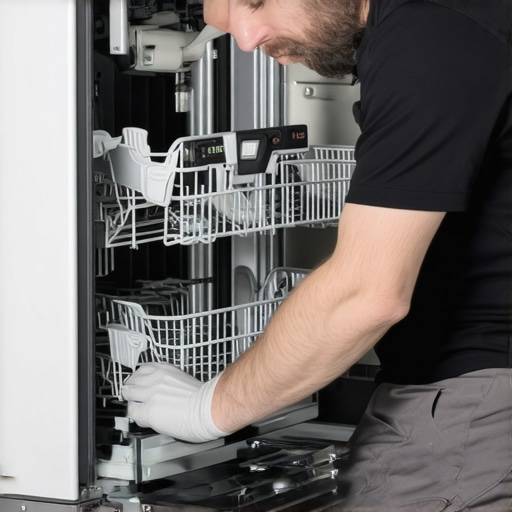
Does Your Dishwasher Need to be Perfectly Level to Stay Dry?
Most homeowners think leveling a machine is just about preventing it from vibrating or looking crooked. This is a massive ‘oops’ factor that professionals look for immediately. If your dishwasher is tilted even slightly forward, the water level in the tub can bypass the front lip before it ever reaches the float switch. You might spend hundreds of dollars replacing a pump when the real fix is just a five-minute adjustment of the front legs. It is the same logic as how to level a washing machine so it stops banging; if the geometry is off, the water physics will fail every time. Do not assume the installers got it right the first time; floors settle and legs can shift.
Trust Your Eyes Over Your Smart Sensors
We live in an era of innovative dishwashers with AI technology, but don’t let a digital display fool you into thinking the machine is self-diagnosing perfectly. Often, a ‘leak detected’ error code is triggered by a tiny bit of moisture on a sensor, while a catastrophic mechanical failure might not trigger an alert at all until your subfloor is ruined. I always tell people that the hidden sensor in your dishwasher that needs a manual scrub can be the difference between a false alarm and a real disaster. If your smart dishwasher won’t talk to your phone anymore, don’t just ignore it; check the pan underneath manually. Smart tech is a supplement, not a replacement for your own senses.
Avoid the Trap of Budget Replacement Parts
When you finally find that cracked valve or hose, the temptation is to grab the cheapest $10 replacement on a big-box website. This is a mistake I’ve paid for twice. The hidden costs of cheap budget appliances and their corresponding parts often include thinner rubber and weaker plastic housing that fail within months. If you are fixing a leak, buy the OEM (Original Equipment Manufacturer) part. It might cost $30 more, but it’s cheaper than a $5,000 insurance deductible. Have you ever fallen into this trap of buying a ‘bargain’ part only to have it fail immediately? Let me know in the comments.
How Do I Keep My Appliances Running Like New for Decades?
Maintaining a dishwasher or a fridge isn’t about a massive once-a-year overhaul; it’s about the small, consistent habits that prevent catastrophic failure. For instance, I’ve made it a rule to check my appliance seals every time I deep clean the kitchen. If you want the secret to making your refrigerator last twice as long, you have to look beyond the shelves. I personally use a specialized coil brush and a vacuum attachment twice a year to clear out dust. This is especially vital if you have pets, and knowing how to keep your refrigerator coils clean in a pet-friendly home can prevent your compressor from burning out under the strain of trapped heat. When the motor doesn’t have to fight a blanket of fur, it runs cooler, quieter, and significantly longer.
Invest in a Cheap Borescope to Spot Hidden Drips
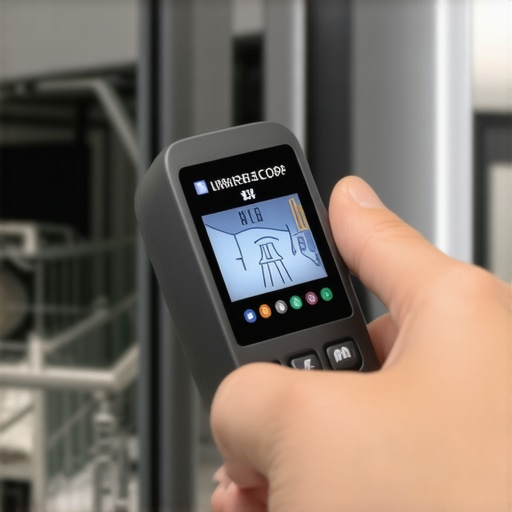
One of the best $30 investments I ever made for my home maintenance toolkit was a simple USB inspection camera, or borescope. Instead of pulling the entire dishwasher out—which risks kinking the copper supply line—I can just pop the kickplate off and snake the camera under the tub. This allows me to see the motor shaft and the heater element nuts while the machine is actually running. If you see a tiny crust of salt or dried soap, you’ve found a slow leak before it ruins your subfloor. This proactive approach is how I avoid the hidden costs of cheap budget appliances that often fail because their internal components are inaccessible or poorly documented. Being able to see the ‘unseeable’ parts of your machine turns a guessing game into a precise repair.
The Future of Self-Diagnosing Kitchen Tech
As we look toward the future of home appliances and trends to watch in 2025, I predict we will see a shift from simple ‘leak sensors’ to predictive vibration analysis. Imagine your washing machine telling you that a bearing is slightly off-balance weeks before it actually breaks. This technology is already trickling down from industrial manufacturing into smart home appliances for a modern living. According to the Association of Home Appliance Manufacturers (AHAM), the next generation of energy standards will likely require machines to provide more granular data to consumers about component health, reducing the millions of tons of ‘e-waste’ created by fixable machines being thrown away. We are moving away from ‘disposable’ culture and back toward a world where your refrigerator in 2025 acts as a partner in its own maintenance.
Scale Your Efforts with a Centralized Schedule
If you have multiple machines, like a smart washer and a high-end dishwasher, managing their filters can feel like a part-time job. I recommend you set up a central kitchen hub to track these tasks. Whether it’s a physical calendar or a digital alert, knowing exactly when you last cleared the debris filter on your smart washing machine ensures you never face that ‘swamp smell’ or a mid-cycle flood. My advanced tip for today: go buy a bag of food-grade citric acid. Running a ‘clean cycle’ with two tablespoons of citric acid is far more effective at dissolving hard water than vinegar, and it won’t degrade your rubber gaskets. Give it a try this weekend and see how much brighter the inside of your tub looks.
The Hardest Lesson I Learned While Mopping My Kitchen Floor
After years of wrestling with dishwashers and various kitchen floods, the biggest ‘lightbulb moment’ I had was realizing that most leaks aren’t accidents—they are results of neglected communication. Your machine talks to you through subtle sounds. If you hear a rhythmic thumping or a high-pitched whistle, that is a seal or a bearing begging for help before it fails. I also learned that ‘cleaning’ doesn’t just mean running a cycle; it means physically touching the rubber gaskets. If I had simply wiped down my door seal once a month, I would have avoided that $400 subfloor repair. Another hard truth: most ‘unfixable’ leaks are actually just the result of people using too much detergent, which turns the machine into a bubble-making factory that can’t contain itself.
The Small Kit That Saves Me Thousands in Repairs
I don’t keep a full plumbing van in my garage, but I do have a few specific items that make maintenance feel like a hobby rather than a chore. First, a dedicated borescope camera is a game-changer for seeing behind the kickplate. Second, I always keep a bag of food-grade citric acid on hand; it is the most effective way to learn how to sanitize your dishwasher without using bleach, which can be too harsh for some internal components. I also suggest bookmarking professional standards to stay informed on the ultimate guide to smart home appliances for a modern living. These resources empower you to fix things correctly the first time. If you can quiet down a noisy dishwasher pump fast, you’ve already won half the battle against future leaks.
Your Kitchen Deserves to Be a Stress-Free Zone
You don’t need a degree in mechanical engineering to keep your home dry and functional. By taking these small steps—checking your spray arms, leveling the legs, and keeping those seals supple—you are taking control of your environment. Whether you are maintaining your current setup or looking at the secret to making your refrigerator last twice as long, the goal is the same: peace of mind. Your dishwashers are tools meant to serve you, not cause you stress. Don’t be afraid to pull that kickplate off and look inside; the more you know, the less you’ll fear the ‘squish’ of a wet floor. [image-placeholder] Have you ever found a weird object like a toothpick or glass shard in your pump that was causing a mystery leak? Let me know in the comments below!