
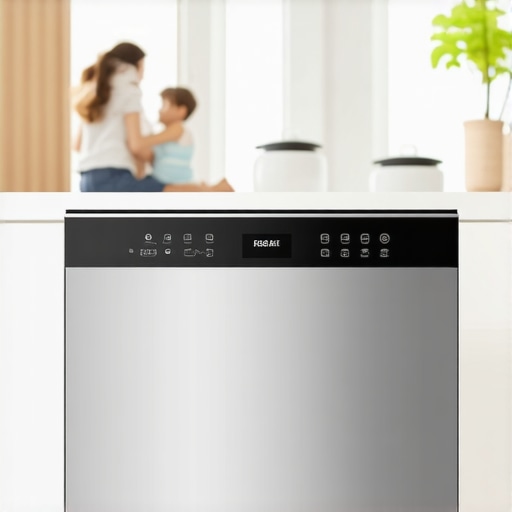
I remember the night I sat on my kitchen floor, staring at a blinking red light on my old, oversized dishwasher while the hum vibrated through my teeth. I had only three plates and two coffee mugs inside. Running a full cycle felt like a crime against my utility bill, but hand-washing everything after a long shift felt like a personal defeat. That was the moment I realized my ‘standard’ appliance was actually a burden. If you are living in a small household, you do not need a beast that gobbles up gallons of water just to rinse a salad bowl. You need something that respects your space and your wallet. Today, I am going to help you find that perfect balance so you can stop dreading the chore and start enjoying a lower electric bill.
Stop Paying for Capacity You Never Use
I made a massive mistake when I first moved into my cottage by thinking bigger was better for resale value. I bought a high-capacity unit that ended up smelling like a swamp because I only ran it once every four days while waiting for a full load. To fix that mess, I had to learn the best way to sanitize your dishwasher without using bleach just to kill the odor. For small families or couples, the sweet spot is efficiency, not sheer volume. When you choose a machine tailored for smaller loads, you are not just saving water; you are ensuring that your dishes do not sit around growing bacteria for a week. I have found that the best quiet dishwashers for homes with open plan floor designs often come in compact sizes that are perfect for those of us who do not have a mountain of plates every night.
Do These Green Machines Actually Get the Lasagna Off?
Skepticism is healthy here because I used to think energy-efficient meant weak water pressure. I was convinced I would be stuck re-washing everything by hand anyway. It turns out that modern tech, like innovative dishwashers with AI technology, has completely flipped the script by using targeted sensors to blast grime only where it exists. According to the Natural Resources Defense Council, an ENERGY STAR certified dishwasher can save you about 3,800 gallons of water over its lifetime compared to hand washing. That is a staggering amount of water that usually just goes down the drain. Have you ever felt like your current dishwasher was more of a noisy, expensive roommate than a helpful appliance? I would love to hear your horror stories in the comments. Finding the right fit involves more than just looking at the sticker price; it is about understanding how to choose the best dishwasher for your specific daily habits.I learned the hard way that a “compact” label doesn’t mean it fits your specific corner. When I squeezed a new fridge into my cottage kitchen, I realized too late that I couldn’t fully open the vegetable crisper. I was literally shimming myself against the counter just to grab a lemon. To avoid this, you need to map out the ‘swing zone’—the arc the door makes when fully open. If you have a tight space, looking for the best slim refrigerators for studio apartment living and tight corners is a game-changer. Think of your kitchen like a Tetris board; if one piece is slightly off, the whole flow breaks. Don’t just measure the box; measure the path it takes to get inside and how much room your elbows need while you’re loading it. For those with really restricted floor plans, the best narrow refrigerators for galley kitchens under 30 inches wide provide the necessary clearance without making you feel like you’re living in a submarine. 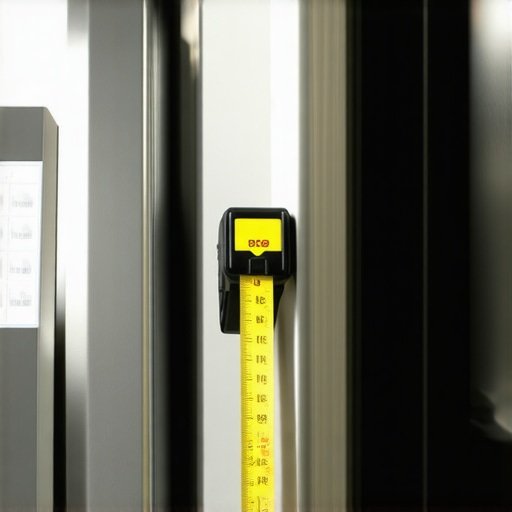
Tweak These Settings to Save Cash
Most people plug in a machine and never touch the dial again, which is like buying a Ferrari and only driving it in first gear. Your dishwasher has a brain, and you need to tell it what to do. If you have a smaller load, stop using the “Heavy Duty” or “Sanitize” cycles unless you’ve actually been cooking for a crowd. These cycles are energy hogs. Instead, dive into the best energy-saving settings for your smart washing machine or dishwasher to find the ‘Eco’ mode. This isn’t just a marketing buzzword; it usually lowers the water temperature and extends the soak time, which uses significantly less electricity than heating water to a boil. It’s the difference between a slow-simmered stew and a microwave blast—both get the job done, but one is much more refined.
Why Your High Efficiency Washer Needs Less Soap
Here is a hard truth: more bubbles do not mean cleaner clothes. In fact, if you see a mountain of suds in your window, you are likely ruining your machine. High-efficiency (HE) units use very little water, meaning the concentration of detergent is much higher. I once poured a double cap-full of soap into my front-loader, thinking I was being extra thorough with some gym clothes. The machine spent three hours trying to rinse out the foam, and I ended up with white streaks on my dark clothes. To stop this, learn the secret to using less detergent in your high efficiency washer. Use two tablespoons max. It sounds impossible, but your washer’s sensors will perform better, and your plumbing will thank you.
Keep the Filters Clear or Pay the Price
If your dishwasher is leaving a film on your glasses, don’t blame the soap yet. Your machine has a literal ‘stomach’—a filter at the bottom that catches every bit of debris. If you don’t clean it, the machine is essentially washing your dishes with old food water. It is a disgusting cycle that forces the motor to work twice as hard. You should be checking how to clean the internal spray arms of your dishwasher for better flow and the bottom filter at least once a month. Think of it as clearing a clogged straw; once the obstruction is gone, everything flows smoothly again. If you ignore this, you’ll eventually face why your dishwasher isnt draining and how to clear the blockage, which is a much messier Sunday afternoon project than a quick five-minute rinse. To get the best results, you must treat maintenance as a non-negotiable part of your routine.Let’s dig deeper because there is a massive contrarian truth that most appliance salespeople won’t tell you: the more you ‘help’ your machine, the more you might be breaking it. For years, I thought I was being a model homeowner by scrubbing every speck of sauce off my plates before loading them. It felt like the right thing to do. However, I was actually committing the dishwasher detergent mistake that is etching your favorite glassware. Modern detergents are designed with enzymes that specifically look for food proteins and fats to latch onto. If you present them with a perfectly clean, pre-rinsed plate, those enzymes have nothing to do but settle on your glass surfaces, eventually causing permanent cloudiness that no amount of scrubbing can fix. According to the Association of Home Appliance Manufacturers (AHAM), skipping the pre-rinse can save the average household more than 6,000 gallons of water per year while actually improving cleaning results. The ‘Oops’ factor often comes from what we can’t see. For example, I’ve seen countless neighbors complain about a noisy laundry room, but they ignore the fact that their unit isn’t sitting flat. It’s not just a nuisance; it is a mechanical death sentence for your hardware. Learning the trick to stopping a vibrating washing machine during the spin is about protecting the internal drum bearings from wearing out years ahead of schedule.
Why Does My Smart Fridge Need a Wi-Fi Password Anyway?
This is where things get sophisticated. We are moving into an era where your refrigerator is essentially a computer that happens to keep milk cold. I’ve had readers ask why their kitchen setup feels sluggish, and often it’s because they haven’t accounted for the digital overhead. You might notice why your smart fridge is using more data than you expected if it is constantly uploading diagnostic logs or streaming content. Furthermore, if you ignore it when your smart appliance app keeps asking for a firmware update, you are missing out on critical energy-efficiency patches. 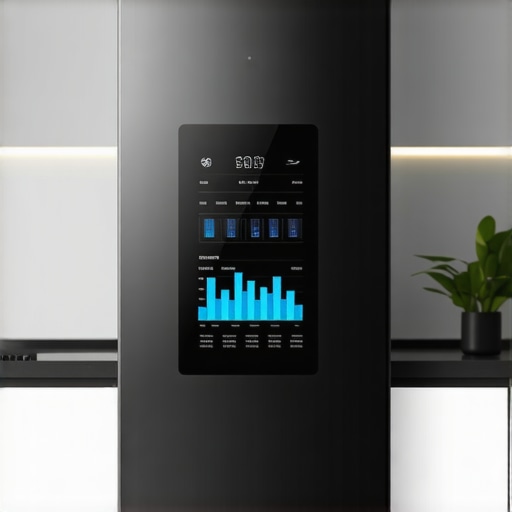 One nuance I learned while troubleshooting a friend’s kitchen is that we often misdiagnose hardware failure. Before you call an expensive technician because your dishes are still wet, check how to tell if your dishwasher heating element is actually broken vs. simply being out of rinse aid. And whatever you do, be extremely careful with ‘home remedies.’ There is a lot of debate regarding the truth about using white vinegar in your high efficiency dishwasher; while it is great for hard water, the high acidity can eat away at rubber seals over time. Have you ever fallen into the trap of over-cleaning or over-complicating your appliance maintenance? Let me know in the comments.
Level Your Machine or Watch It Walk Out the Door
I keep a basic nine-inch magnetic spirit level on top of my washer at all times. It might seem like overkill, but the foundation of your appliance is everything. If you haven’t checked the feet of your machine lately, you are playing a dangerous game with your floor and the unit’s internal suspension. According to a technical service bulletin from Whirlpool’s engineering team, a machine that is off-level by just 1.5 degrees can cause the motor to overcompensate during high-speed rotations, leading to premature bearing failure. If your machine has started ‘dancing’ across the laundry room, you really need to look into how to stop your washing machine from walking during the spin cycle. It is a ten-minute adjustment that can literally add three years to your appliance’s lifespan.
How do I keep my smart appliances running for the long haul?
The secret isn’t just about cleaning the surfaces; it is about monitoring the invisible health of the machine. I personally use Wi-Fi-enabled water sensors tucked under my fridge and dishwasher. These little plastic pucks have saved my hardwood floors twice by alerting my phone to a drip before it became a flood. Beyond digital sensors, you should periodically perform a physical check of your seals. It is surprisingly easy to learn how to check if your refrigerator door seal is actually airtight using the ‘dollar bill trick.’ If the bill slides out easily when the door is closed, you are losing cold air and electricity. While you are doing your monthly rounds, don’t forget the basics like the 5 minute fix for a washing machine that wont drain, which often just involves clearing a small coin trap near the floor level.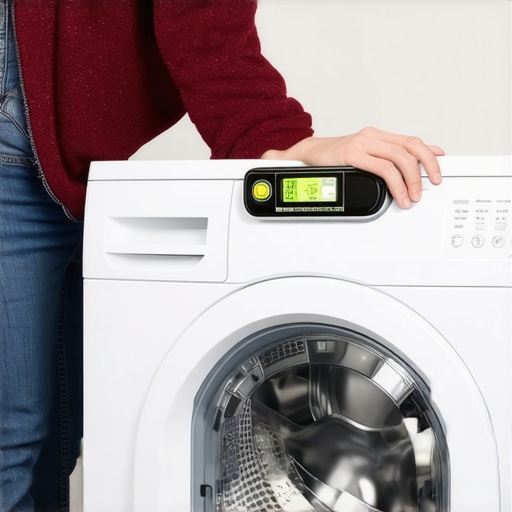
Scale Your Kitchen with a Central Hub
As you add more tech to your home, the ‘app fatigue’ becomes a real burden. I eventually stopped jumping between five different manufacturer apps and started learning how to set up a central kitchen hub for all your smart appliances. Having a single tablet on the wall or a unified dashboard makes it significantly easier to track the maintenance cycles and energy consumption of everything from your oven to your washer. Looking ahead, I predict that by late 2025, we will see refrigerators in 2025 top features that transform your kitchen including built-in self-diagnostic AI. This technology won’t just report an error; it will use vibration analysis to order its own replacement parts before a mechanical failure even occurs. If you want to be proactive right now, go try the ‘dollar bill test’ on your fridge door today. It takes thirty seconds and could be the reason your energy bill is higher than it should be.
The Brutal Truths I Learned While Downsizing My Kitchen
After years of trial and error, I have realized that the ‘best’ machine isn’t the one with the most buttons; it’s the one that fits your Tuesday night routine. First, stop treating ‘Energy Star’ as just a sticker—it is a direct link to your savings account. Second, I learned that silence in a dishwasher is worth every extra penny, especially in a studio apartment. Third, never assume a ‘smart’ feature is a gimmick until you have used a remote start to finish a load of laundry exactly when you get home from work. Finally, the biggest lightbulb moment for me was realizing that maintenance isn’t a chore; it is a proactive way to avoid a three-hundred-dollar emergency repair bill on a Saturday morning.
Where I Turn for Reliable Appliance Advice
Navigating the world of high-tech gear is exhausting, so I rely on a few specific sources to stay sane. I always check the official Energy Star databases before a purchase because marketing claims can be inflated. For design inspiration that actually works in tiny spaces, I look at choosing the right refrigerator tips from industry experts to see how pros handle restricted layouts. I also recommend keeping a digital copy of your manuals in a cloud folder; hunting for a paper booklet while your kitchen is flooding is a nightmare you do not want to experience. For a deeper dive into current tech, I keep an eye on the ultimate guide to smart home appliances for a modern living to see which features are actually sticking around and which are just passing fads.
The Future of Your Kitchen Starts Today
Embracing a more efficient lifestyle does not mean you have to sacrifice convenience. By making small adjustments—like checking your seals or leveling your washer—you are taking control of your environment. As we look toward the future of home appliances trends to watch in 2025, it is clear that our homes are getting more intuitive and responsive. Whether you are upgrading your setup or just trying to get your current machine to behave, remember that you are the boss of your technology. Investing a little time into understanding your home appliances today will pay dividends in lower bills and fewer headaches for years to come. I truly believe that learning how smart washing machines can simplify laundry day is the first step toward a more peaceful, automated home. Have you ever found a ‘smart’ feature on an appliance that you actually ended up using every single day? Tell me about it in the comments below!