

I’ll never forget the cold, damp shock of stepping into a puddle at 3 AM while hunting for a midnight snack. My first thought was that the pipes had burst, but as I wiped my eyes, I saw it: my stainless steel fridge was literally dripping. It looked like it had just finished a triathlon. I spent the next three days in a minor panic, convinced I was about to drop a thousand dollars on a new unit, only to realize I was falling for a classic mistake. If you have seen beads of water forming on your appliance lately, take a deep breath. We are going to figure out exactly why your fridge is acting like a cold soda can on a summer day and how you can fix it without a professional toolkit.
That Puddle on the Floor Is Not Always a Leak
Humidity is usually the villain in this story, but it is often helped by our own bad habits. Early on, I made the mistake of thinking my fridge was broken when, in reality, I just had the ‘Energy Saver’ mode turned on during a particularly swampy July. What most people do not realize is that many modern units actually have tiny ‘sweat heaters’ built into the cabinet to prevent this very issue. According to the U.S. Department of Energy, some refrigerators use these heaters to keep the exterior surface temperature just above the dew point, though turning them off saves energy. If you are currently choosing the right refrigerator or trying to save your current one, understanding this balance is key. Condensation happens when warm, moist air hits that cold metal skin. Have you ever found yourself wiping down your fridge doors every single morning just to keep the floor dry?
Is a little moisture actually worth worrying about?
It might seem like a minor cosmetic annoyance, but constant ‘sweating’ is a cry for help. That moisture can eventually drip into your floorboards or, worse, start a mold colony in your door gaskets. If your fridge is working too hard to combat the heat, you will see it on your electric bill. You can often mitigate this by changing a few fridge settings that regulate internal temperatures more efficiently.
Check Your Seals Before You Panic
Before you assume the compressor is dying, look at the rubber gasket. If that seal is even slightly loose, cold air escapes and warm air rushes in, creating a localized weather system right on your door. I once spent hours researching new models when a simple five-minute cleaning of my gasket would have solved everything. You should definitely check if your refrigerator door seal is actually airtight using the dollar bill trick. If the paper slides out easily, you have found your culprit. Keeping those seals clean and tight is the first step toward a dry, happy kitchen.
Tweak the Dial to Kill the Dew
If your fridge is sweating like it just ran a 5K, the internal temperature might be fighting a losing battle against your kitchen’s humidity. Most people set their fridge too cold, thinking more power equals better food safety, but you are likely just creating a massive temperature differential. You should aim for exactly 37°F (3°C). If your unit uses a simple dial with numbers 1 through 9, don’t guess. You can how to recalibrate your refrigerators internal thermometer for better cooling to ensure the reading is accurate. I once had a fridge set to ‘Max’ that was actually freezing the eggs on the top shelf while the exterior doors were soaked in condensation. Finding that middle ground stops the exterior metal from dropping below the dew point of your kitchen air.
The Energy Saver Trap
Check your control panel for a button labeled ‘Energy Saver’ or ‘Power Save.’ On many models, this button actually turns off internal heaters that are specifically designed to keep the outer skin dry. In a humid climate, you have to turn this mode off. It sounds counterintuitive to use more electricity to stop moisture, but it is cheaper than replacing a water-damaged floor. If you are worried about the bill, you can always learn how to save money on your electric bill by tweaking your fridge settings in other ways that don’t involve turning your kitchen into a swamp.
Clear the Secret Tunnel in Your Fridge
Inside almost every refrigerator is a small drain hole designed to carry away moisture from the defrost cycle. When this gets clogged with a stray piece of lettuce or a rogue pea, the water has nowhere to go but out the front door or onto the bottom shelf. I learned this the hard way when I found a literal ice rink at the bottom of my freezer. I spent twenty minutes with a turkey baster and warm water, flushing out the drain tube until I heard that satisfying ‘glug’ of the blockage clearing. If you ignore this, you’ll soon be wondering why your refrigerator is leaking water directly onto the kitchen floor every single morning. 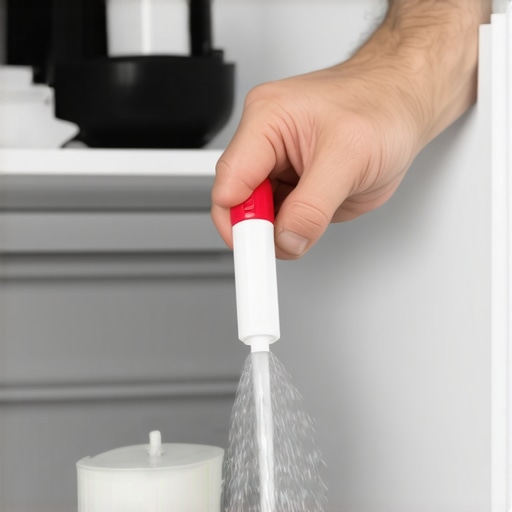
Give Your Appliance Some Breathing Room
A refrigerator is essentially a heat-exchange machine; it pulls heat from the inside and dumps it out the back or bottom. If you have shoved your fridge into a tight cabinetry nook without at least an inch of clearance on the sides and top, that heat builds up. This extra heat makes the compressor work overtime, which in turn makes the cooling coils colder than they need to be, leading to—you guessed it—more condensation. This is one of the major factors in the real difference between inverter compressors and standard fridge motors, as modern compressors are more sensitive to airflow. Pull the unit out, vacuum the coils, and make sure there is a clear path for air to circulate. If the back of the fridge feels like a sauna, your kitchen’s humidity will cling to the doors instantly.
Manage the Room Environment
Sometimes the fridge isn’t the problem—the room is. If you’re boiling a giant pot of pasta right next to the refrigerator, the steam is going to find the coldest surface available. Try to keep the kitchen ventilated during heavy cooking. If you find the moisture is only an issue during July and August, a simple dehumidifier in the kitchen can do more for your fridge’s health than any mechanical repair ever could.While we have covered the basics of fridge sweat, let’s dig deeper into a myth that drives most technicians crazy: the ‘colder is better’ fallacy. Most homeowners crank their thermostat to the lowest possible setting when they see moisture, thinking it will dry out the air. In reality, you are just widening the gap between the internal temperature and the ambient air, which accelerates the very condensation you are trying to stop. According to the Association of Home Appliance Manufacturers (AHAM), maintaining a steady 37-40°F is the sweet spot for both efficiency and food safety. If you go lower, you aren’t just risking frozen milk; you are inviting why your refrigerator is freezing the eggs on the top shelf while the exterior remains a damp mess. This is why keeping up with refrigerators in 2025 top features that transform your kitchen is so vital; newer models handle these differentials much better than older units.
Stop Scrubbing Your Dishes Before the Wash
This leads us to a broader problem in modern kitchens: over-maintenance. For instance, did you know that pre-rinsing your dishes can actually harm your cleaning performance? Modern units use turbidity sensors to detect how dirty the water is. If you rinse everything clean, the sensor ‘thinks’ the load is finished and shortens the cycle, leaving a gritty film behind. You might think your unit is dying, but often it’s just the hidden sensor in your dishwasher that needs a manual scrub or a simple change in habit. Have you ever fallen into this trap? Let me know in the comments. 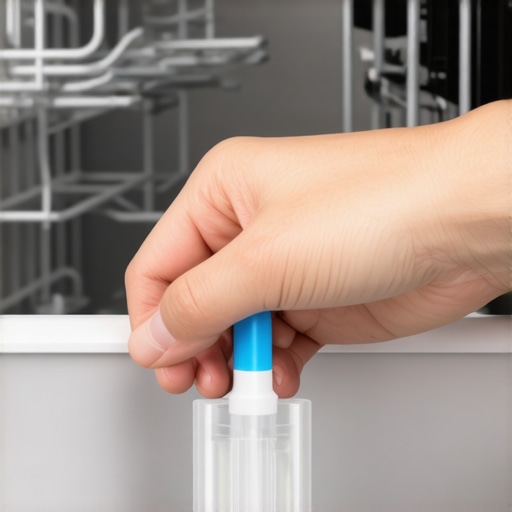
Can Your Detergent Choice Actually Kill Your Washer?
The most common trap I see is the ‘more is better’ approach to laundry soap. If you have a high-efficiency (HE) machine, using a full cap of detergent is a death sentence for your pump. Excess suds don’t just stay in the drum; they overflow into the internal components, causing that dreaded mildew smell. If you have ever wondered why your front load washer smells like a swamp and how to fix it, look no further than your detergent bottle. Consumer Reports has found that many consumers use up to twice the amount of detergent required for a standard load. Learning the secret to using less detergent in your high efficiency washer isn’t just about saving money—it’s about machine longevity and preventing the buildup that causes mechanical failure. Stick to the ‘less is more’ philosophy, and your appliances will thank you for it.
Your Fridge Needs a Stronger Wi-Fi Signal Than Your Laptop
Maintaining a modern kitchen has shifted from just scrubbing surfaces to managing a digital ecosystem. I used to think my smart fridge was losing its mind because the touch screen would lag, but after a bit of digging, I realized it was just starved for bandwidth. If you want a truly seamless experience, you should look into the easiest way to connect an older smart fridge to a new mesh network. A standard router often struggles to punch through the heavy insulation and metal casing of a refrigerator. I personally switched to a dedicated tri-band mesh system, placing a node specifically within fifteen feet of the kitchen. This fixed the lag and stopped those annoying ‘offline’ notifications. If you are struggling with a patchy connection, learning how to set up a central kitchen hub for all your smart appliances can save you hours of troubleshooting. It’s not just about convenience; a stable connection ensures your unit receives the latest software patches that optimize cooling cycles and energy use.
Click That Update Button Before the App Crashes
We often treat our appliances like ‘set it and forget it’ boxes, but in 2025, they are essentially computers that happen to wash clothes or freeze peas. I’ve seen so many people get frustrated when their machine starts acting glitchy, only to find they haven’t updated the software in a year. You might wonder why your smart appliance app keeps asking for a firmware update constantly, but these are often critical fixes for sensor accuracy. According to the Connectivity Standards Alliance (CSA), the organization behind the ‘Matter’ protocol, consistent firmware updates are the only way to ensure cross-brand compatibility as smart home standards evolve. Ignoring these updates can actually lead to mechanical inefficiency. For example, a software bug might cause your washer to miscalculate weight, which is usually why your washing machine takes much longer than the timer says.
How do I maintain my smart appliance ecosystem over time?
Long-term success comes down to a balance of physical hygiene and digital hygiene. Physically, you still need to be diligent about the basics, like how to clean the debris filter on your front load washer effectively. Digitally, you should audit your app permissions once a quarter. I predict that by late 2025, we will see ‘self-healing’ appliances that can run their own diagnostic routines and order their own replacement filters, a trend highlighted in the future of home appliances trends to watch in 2025. Until then, the best tool in your arsenal is a simple multimeter and a smartphone with a dedicated diagnostic app. 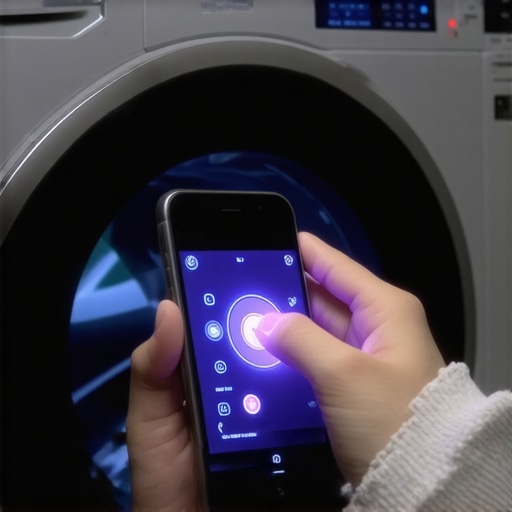
Invest in a Simple Vibration Pad
One tool I recommend to everyone is a set of high-density rubber anti-vibration pads. Most ‘walking’ washing machines aren’t actually broken; they just aren’t leveled or are sitting on a slick floor. I spent years deal with a noisy laundry room before realizing a $20 set of pads could absorb 90% of the kinetic energy. If you’re tired of the noise, you can find the trick to stopping a vibrating washing machine during the spin by combining these pads with a digital leveling app on your phone. This small physical tweak prevents the internal dampening springs from wearing out prematurely, extending the life of your machine by years. If you haven’t done it yet, my challenge to you this week is to pull your washer out, clean that hidden debris filter, and check the level—your ears and your floorboards will thank you.
Realities About Kitchen Care That No One Told Me
After years of wrestling with temperamental units, I’ve realized that a sweating fridge is rarely a hardware failure and almost always an environmental cry for help. My biggest lightbulb moment came when I stopped treating my appliances like static boxes and started seeing them as dynamic parts of the home. Here are the core truths I live by now:
- Environment is everything: If your kitchen is a steam room, even the best refrigerators in 2025 top features that transform your kitchen won’t stop exterior dew. Vent your range and keep the air moving during heavy cooking.
- Data beats guesswork: I stopped trusting the “1 to 9” dial on my door and bought a cheap infrared thermometer. Knowing the actual temperature of my shelves saved me from both spoiled milk and unnecessary condensation.
- Digital health equals mechanical health: Keeping your firmware updated isn’t just for your phone. In the ultimate guide to smart home appliances for a modern living, you’ll see that software controls how hard your compressor works and how much moisture it extracts.
My Three Secret Weapons for Appliance Longevity
You don’t need a toolbox the size of a car to keep things running. I rely on three specific items that have saved me thousands in repair calls. First, a simple set of High-Density Rubber Pads. These are essential for the trick to stopping a vibrating washing machine during the spin and preventing long-term floor damage. Second, a Dedicated Mesh Node for the kitchen. As I’ve shared before, learning how to set up a central kitchen hub for all your smart appliances ensures your fridge stays connected and efficient without lag. Finally, a Gasket Cleaning Kit—or simply a microfiber cloth and warm soapy water. Cleaning those seals once a month is the single most effective way to stop the “sweat” before it starts.
Take the First Step Toward a Drier Kitchen
It’s easy to feel overwhelmed by the blinking lights and humming motors in your home, but remember that you are the expert on how your kitchen feels. Don’t wait for a puddle to form on your floor to start paying attention to the signals your refrigerator is sending you. A little proactive cleaning and a few smart setting tweaks will go much further than a panic-buy of a new unit. Your home should be a place of comfort, not a source of maintenance anxiety. Have you ever found a mysterious puddle under your fridge and feared the worst? Let me know what happened in the comments below!
#IMAGE_PLACEHOLDER_E#