

I remember standing in my kitchen at 6:30 PM on a frantic Tuesday, the air thick with the smell of scorched tomato sauce and that faint, metallic scent of unburned gas. My toddler was tugging at my leg, the dog was barking at a leaf outside, and I was desperately scrubbing a cast-iron grate that felt like it was permanently fused to the stovetop by a decade of grease. It was a hot, literal mess. For years, I told myself that ‘real’ cooks needed a flame. I thought induction was just a fancy, overpriced magnet trick that wouldn’t actually sear a steak. Boy, was I wrong. I spent far too much time battling baked-on spills and worrying about the air quality in my house just to keep that blue flame going. That night, while I was waiting forever for a pot of water to boil, I realized my ‘pro-chef’ stove was actually holding my family’s evening hostage. I’m here to tell you that switching to induction isn’t just about a new gadget; it is about reclaiming your sanity in the kitchen.
Why I Finally Ditched My Gas Stove for Good
It took a near-disaster with a forgotten kitchen towel and the slow realization that my gas range was basically a space heater to change my mind. I made a huge mistake early on by prioritizing ‘tradition’ over the actual needs of my household. If you are looking to streamline your life, checking out the ultimate guide to smart home appliances for a modern living is a great place to start seeing how far technology has come. Beyond just being faster, induction is remarkably safer for little hands. Did you know that gas stoves can significantly impact indoor air quality? According to research from Harvard Health Publishing, gas stoves can release nitrogen dioxide and other particulates that may irritate the lungs, especially in children. When I switched, the air felt lighter, and my kitchen stayed ten degrees cooler during the summer. It is a total game changer for anyone trying to manage a household without melting. Have you ever felt like your kitchen is a literal sauna after just twenty minutes of prepping dinner?
Is induction actually worth the massive price tag?
I know what you are thinking because I thought it too: ‘I don’t want to buy all new pans.’ It is the biggest hurdle for most of us. I actually ruined a perfectly good set of copper-bottom pots because I didn’t understand the science of magnetism initially. You might even notice that your induction cooktop makes a buzzing sound with certain pans, which can be startling if you aren’t expecting it. But when you factor in the time saved cleaning—we are talking a thirty-second wipe-down versus a twenty-minute scrub—the investment pays for itself in reclaimed ‘me-time.’ When you integrate these with other top smart appliances for a seamless home experience in 2025, you start to see a kitchen that actually works for you, rather than the other way around. Today, we are going to break down why this magnetic magic is the ultimate upgrade for your busy life.
First Steps to Magnetic Mastery
You cannot just drop an induction range into your kitchen and expect it to behave like your old coil-burner. The first thing you need to do is the ‘Magnet Test.’ I remember the Saturday I decided to finally make the switch; I grabbed a cheesy tourist magnet from our fridge and started tapping the bottom of every pot and pan I owned. It felt ridiculous, but it saved me hundreds of dollars in unnecessary replacements. If the magnet sticks firmly, you are in business. If it slides off or feels weak, that pot is now a decorative planter. This simple vetting process is the foundation of how to set up a smart kitchen without spending a fortune. You don’t need a whole new ‘induction-ready’ set if your current cast iron or stainless steel already has a high ferrous content.
Get Used to the Speed and the Sounds
The most jarring part of the transition is the velocity. Induction is like the difference between a bicycle and a jet engine. On my first night, I walked away for sixty seconds to grab an onion, and my water was already at a rolling boil, threatening to overflow. You have to prep your ingredients before you turn the heat on. Also, do not panic if you hear a strange hum. It is common to wonder why your induction cooktop makes a buzzing noise during use; usually, it is just the vibration of the pan’s internal layers reacting to the magnetic field. It is a sign the tech is working, not that your stove is about to explode.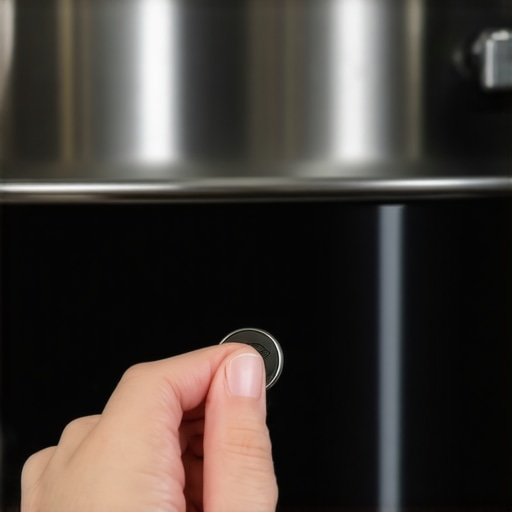
Tuning Your Kitchen Ecosystem for Efficiency
Once the hardware is set, you need to look at how your induction range talks to the rest of your house. Modern induction units often pull significant power, especially on ‘Boost’ modes. During a particularly nasty summer storm last year, my neighborhood had a series of brownouts that knocked my smart range offline. I had to learn how to reset your smart appliance after a major power surge to get the touch-controls responding again. It is a vital skill because these machines are essentially computers that cook.
The Wipe and Walk Maintenance Routine
The real ‘meat’ of the induction lifestyle is the cleaning. Unlike gas, where food bakes onto the grates at a thousand degrees, the induction glass stays relatively cool. I used to spend my Sunday nights scrubbing carbonized grease off iron grates until my knuckles bled. Now, I use a damp microfiber cloth immediately after the pan is moved. If you find your utility costs are still high despite the efficiency of induction, you might want to look at other culprits, such as learning how to save money on your electric bill by changing three fridge settings. The kitchen works as a unit; when one appliance becomes hyper-efficient, it highlights the ‘energy vampires’ elsewhere in the room. This shift isn’t just about the stove; it is about creating a workflow where the technology handles the heavy lifting, leaving you to actually enjoy the process of making a meal.
Let’s move past the stove for a second, because the ‘magnetic magic’ of induction is just the tip of the iceberg when it comes to the modern kitchen ecosystem. I used to think that owning the latest gear made me a ‘pro’ home manager, but I quickly learned that these machines are smarter than I gave them credit for—and that my old habits were actually sabotaging them. If you have ever felt like your high-tech purchases aren’t living up to the hype, you are likely falling for the same myths I did.
The Great Detergent Delusion
One of the hardest habits to break was the ‘more is better’ philosophy with soap. I grew up in a house where a mountain of bubbles meant things were getting clean. In reality, modern high-efficiency (HE) machines are designed to work with surprisingly little water and detergent. When you over-pour, the machine can’t rinse the excess away, leading to a buildup of biofilm that actually breeds bacteria. This is often why your energy-efficient washer leaves your clothes feeling crunchy or smelling faint of mildew. It isn’t a machine failure; it is a chemistry problem. I had to relearn how to measure soap based on the soil level, not the size of the load. Have you ever fallen into this trap? Let me know in the comments.
Why Longer Cycles Are Actually Saving You Money
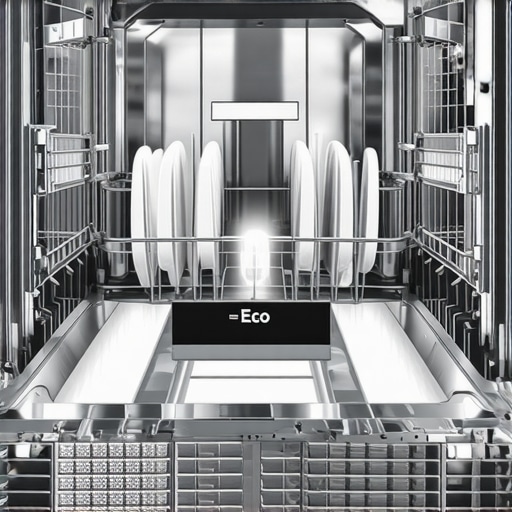
The most common complaint I hear about new appliances is that they take ‘forever’ to finish. It is true; a cycle that used to take forty minutes now takes two hours. However, the contrarian truth is that speed is the enemy of efficiency. These machines use low-power motors and less water, but they compensate by letting the clothes or dishes soak longer. If you find yourself wondering why your high-efficiency washer takes so long to finish a cycle, remember that it is sipping electricity rather than gulping it. Similarly, the truth about the eco mode on your new dishwasher is that it relies on time and chemical reactions rather than brute force and boiling water. This shift in mechanics is what allows these units to hit those strict energy-saving targets without sacrificing results.
Why does your smart dishwasher think the dishes are still dirty?
Here is a nuance that most people miss: stop pre-rinsing your dishes. I know it feels wrong to put a plate with pasta sauce directly into the rack, but you are actually confusing the machine. Modern dishwashers use turbidity sensors to measure how much gunk is in the water during the first few minutes of the cycle. According to the experts at Consumer Reports, the enzymes in modern dishwasher detergents are specifically designed to latch onto food particles; if you pre-rinse your dishes until they are spotless, the detergent has nothing to grab onto and simply washes away. Furthermore, if you pre-clean everything, the sensor tells the machine the load is ‘light,’ leading to a shorter wash that doesn’t properly sanitize. Understanding the hidden sensor that stops your dishwasher from drying properly or cleaning effectively is the first step toward true kitchen mastery. When you learn to trust the tech, you realize that the smart appliances revolution is really about doing less and getting more.
Clean the Filter Before the Flood Starts
I learned the hard way that a smart appliance is only as clever as its cleanest part. A few months back, my high-tech washer stopped mid-cycle and flashed a cryptic code that looked like a grocery store receipt. After an hour of panic, I discovered a hidden trapdoor at the bottom. Inside? A literal treasure chest of pocket lint, two LEGO heads, and enough hair to knit a sweater. If you haven’t looked yet, finding the secret to cleaning a front-load washers-hidden-filter is the single most important thing you can do this weekend. This isn’t just about avoiding a puddle on your floor; it’s about protecting the drain pump from burnout. When that filter gets clogged, the motor works twice as hard, and that is usually the first expensive part to fail.
How do I keep these smart machines humming for the long haul?
Maintenance in the digital age is a hybrid job. You need to be half-plumber and half-IT specialist. On the physical side, I swear by the ‘Flashlight Test’ for my fridge. You shut a bright flashlight inside the refrigerator at night and look for light leaking through the edges. If you see a glow, your seal is shot. Learning how to check if your refrigerator door seal is actually airtight can save you hundreds in spoiled milk and wasted electricity. According to technical bulletins from the Association of Home Appliance Manufacturers (AHAM), even a minor gasket leak can force a compressor to run 20% longer than necessary, significantly shortening its lifespan. It is these small, boring checks that separate a kitchen that lasts twenty years from one that needs a total overhaul in five.

Your Fridge is a Computer so Treat it Like One
We often forget that our appliances are now connected to our Wi-Fi, which means they are susceptible to the same bugs as our phones. I’ve seen refrigerators start acting erratic, fluctuating temperatures for no reason, only to realize they were three firmware updates behind. You absolutely must know how to update your smart fridge software without crashing the system to ensure your sensors stay calibrated. As we move into the future of home appliances trends to watch in 2025, we are going to see even more AI-driven predictive maintenance where the fridge might actually email you when the condenser coils are dusty. Until then, you have to be the brain. Beyond software, remember that refrigerators in 2025 top features that transform your kitchen still rely on basic airflow. If you’ve stuffed your modern unit too full, you’re choking the vents. I recommend taking five minutes tonight to look up how to save money on your electric bill by tweaking your fridge settings—it’s the fastest way to see an immediate ROI on your smart home investment. Give that flashlight test a try tonight; you might be surprised at how much cold air you’re literally throwing away.
Breaking the Habits That Secretly Break Your Appliances
If there is one thing I have learned after years of trial and error, it is that a smart home is only as good as the human operating it. I used to think that buying the most expensive model meant I could stop paying attention, but the opposite is true. You have to listen to the machine. For instance, if you hear a strange drip, don’t wait for a flood; learn how to fix a leaky dishwasher door seal in under ten minutes before it ruins your hardwood floors. Also, stop over-relying on Quick Wash cycles for everything. While they feel convenient, they often skip the high-heat sanitization and deep-rinse phases that keep your drum clean. I’ve found that alternating between speed and efficiency is the sweet spot for longevity.
- Trust the Sensors: Your dishwasher knows more than you do about how much water it needs; stop second-guessing it with extra soap.
- Update Often: Treat your fridge like a smartphone and never skip a firmware notification if you want to avoid sensor drift.
- Silence the Noise: If the constant beeping is driving you mad, you can easily learn how to disable the annoying chimes on your smart appliances to maintain your peace.
Where I Turn When My Kitchen Starts Talking Back
When I am stumped by a flickering screen or a weird vibration, I don’t just guess. I rely on three primary sources. First, the technical bulletins from the Association of Home Appliance Manufacturers (AHAM) are the gold standard for safety and efficiency data. Second, for real-world testing that cuts through the marketing fluff, I always check the latest deep dives on washing machines that save water expert advice for 2025. Finally, if you are at the very beginning of your journey and feel overwhelmed by the sheer number of screens and sensors, looking into choosing the right refrigerator tips from industry experts will help you filter out the gimmicks from the true game-changers.
#IMAGE_PLACEHOLDER_E#
Take Back Your Sunday Nights
At the end of the day, switching to smart appliances isn’t about bragging rights or having a fridge that can tweet. It is about reclaiming the hours you used to spend scrubbing, pre-rinsing, and worrying. It is about a kitchen that works in the background so you can focus on the people at the table. Whether you are installing your first induction cooktop or fine-tuning your high-efficiency laundry routine, remember that you are in control. The learning curve might feel steep for a week, but the payoff is a home that finally keeps up with your pace. What’s the one kitchen task you wish you could automate forever? Let’s swap ideas in the comments below!